Calorie Needs for Individuals Taking SGLT-2 Inhibitors with GLP-1
Understanding the Importance of Nutrition for Individuals on GLP-1 and SGLT-2 Inhibitors
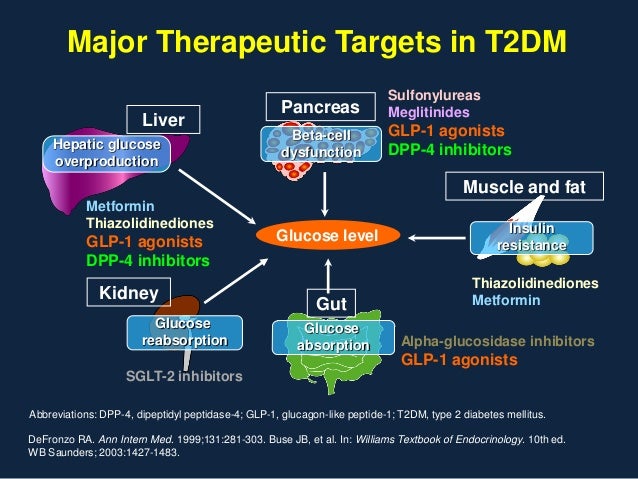
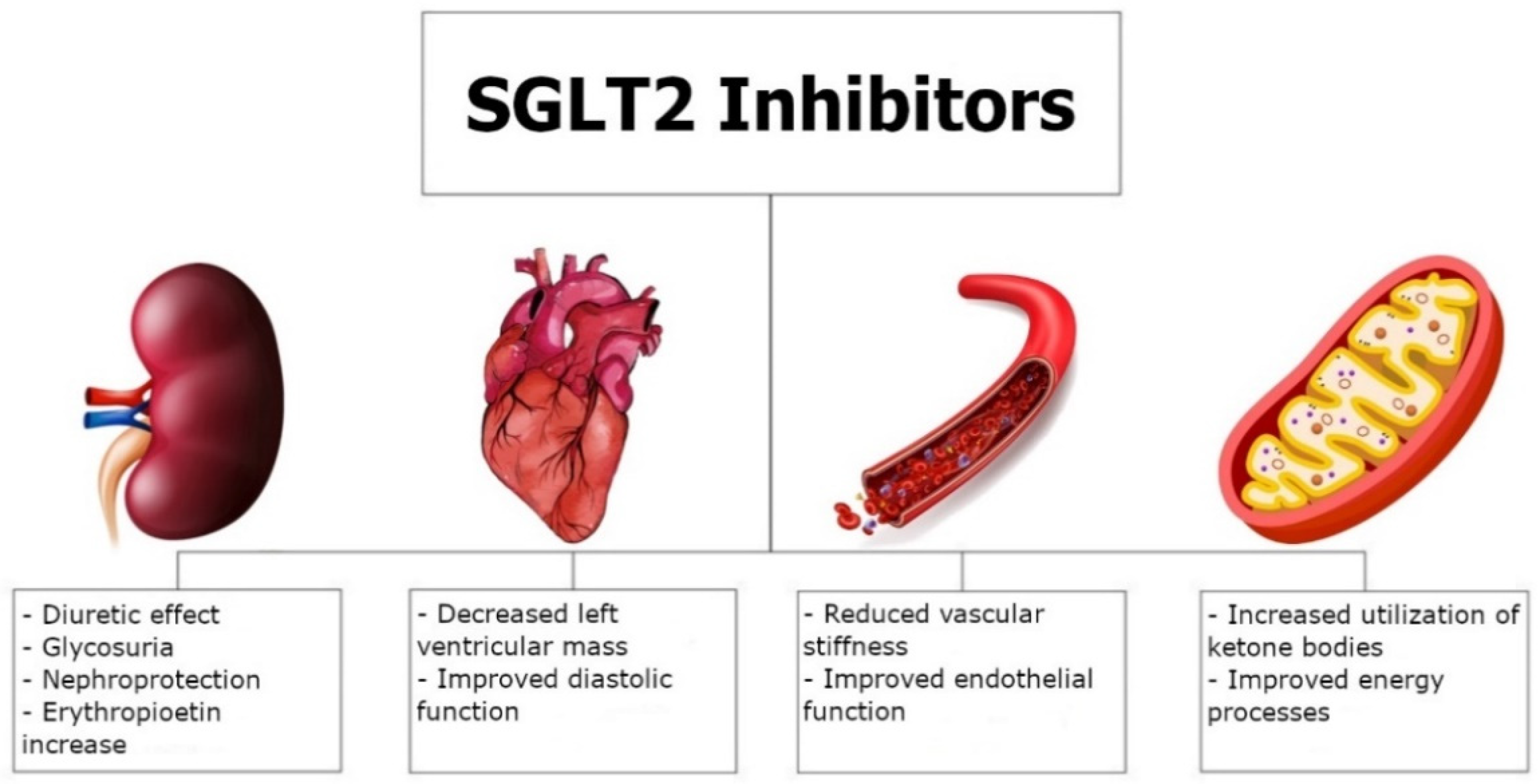
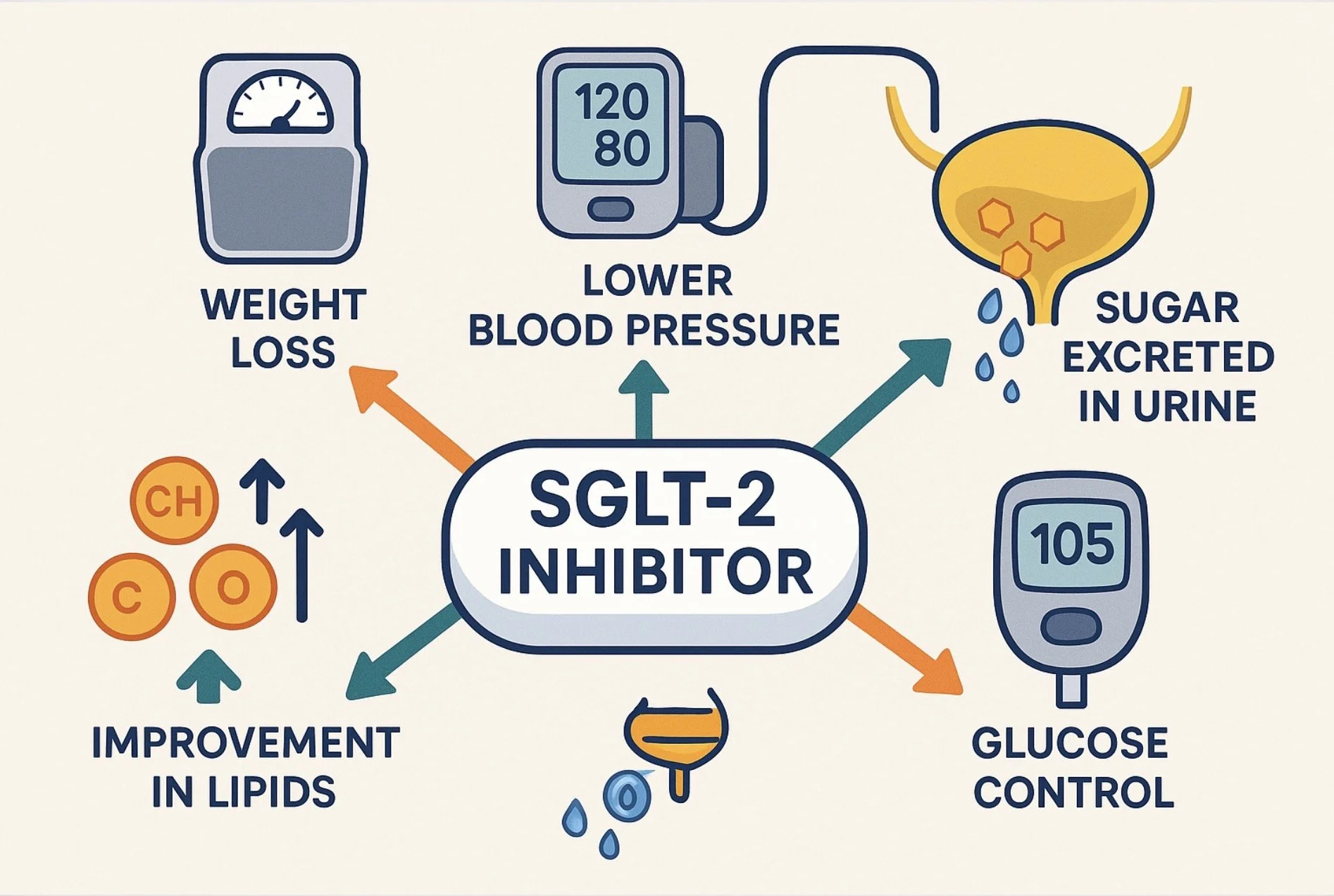
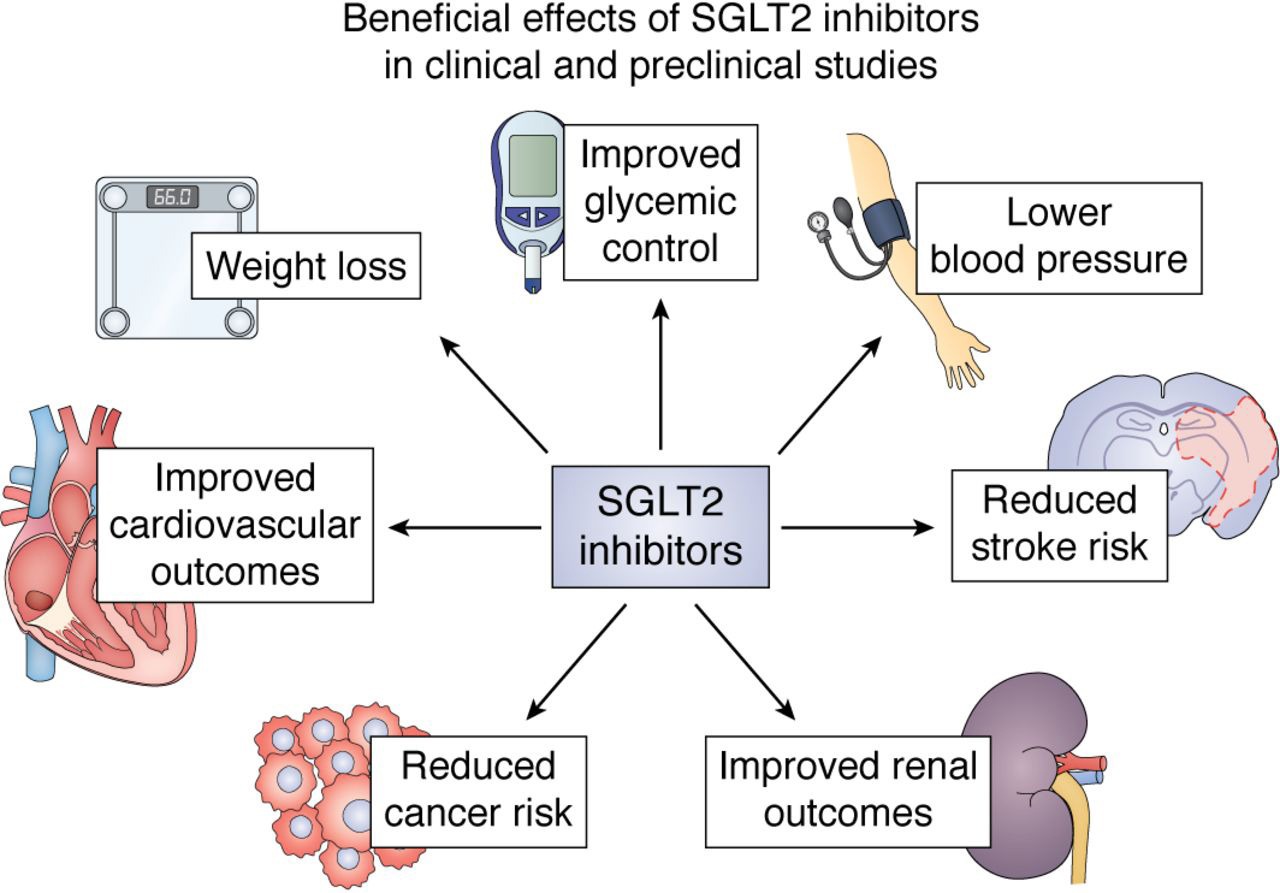
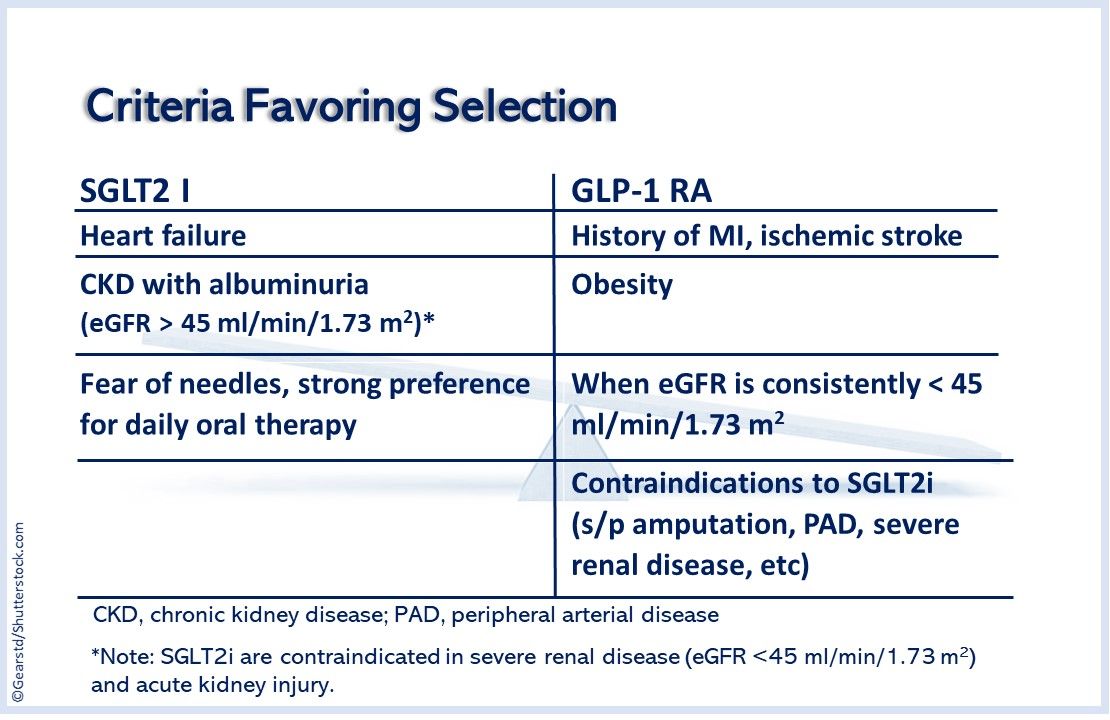
When taking glucagon-like peptide-1 (GLP-1) receptor agonists and sodium-glucose cotransporter-2 inhibitors (SGLT-2is), it's crucial to understand the role of nutrition in enhancing the effectiveness of these medications. A well-balanced diet, combined with these medications, can aid in weight loss, improve blood sugar control, and reduce the risk of side effects. Individuals taking GLP-1 medications, such as semaglutide (Wegovy) and liraglutide (Saxenda), and SGLT-2 inhibitors, such as dapagliflozin (Farxiga) and empagliflozin (Jardiance), can benefit from a mindful approach to nutrition. The goal is to make eating simple, enjoyable, and sustainable while meeting the body's needs and supporting weight loss.Protein Requirements for Individuals on GLP-1 and SGLT-2 Inhibitors
When taking GLP-1 medications, it's essential to consume adequate protein to preserve muscle mass and support weight loss. A general guideline is to consume 20 to 30 grams of protein per meal, corresponding to 0.8-1.0 grams of protein per kilogram of body weight daily. For example, if you weigh 150 pounds (68 kilograms), you should aim for 55-68 grams of protein per day.Nutritional Needs for Individuals Taking GLP-1 and SGLT-2 Inhibitors
A healthy diet for individuals taking GLP-1 and SGLT-2 inhibitors should focus on whole, nutrient-dense foods, including fruits, vegetables, lean proteins, and whole grains. Aim to limit processed and high-sugar foods, which can exacerbate side effects such as nausea, vomiting, and diarrhea.The Role of Fiber in Nutrition for Individuals on GLP-1 and SGLT-2 Inhibitors
Fiber-rich foods, such as fruits, vegetables, and whole grains, can help regulate blood sugar levels and promote satiety, making it easier to manage weight and reduce the risk of side effects.Caloric Needs for Individuals Taking GLP-1 and SGLT-2 Inhibitors