Creating a Remote Team Branding Strategy: Building a Strong Online Identity
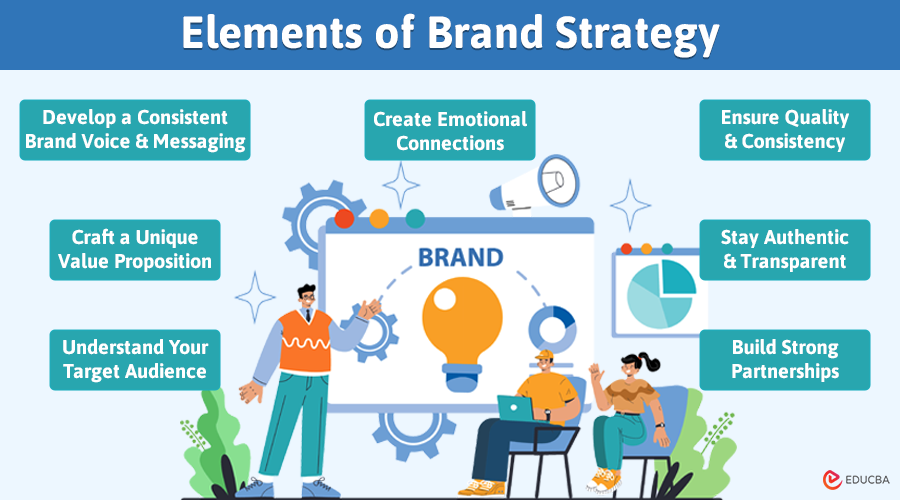
As the modern workforce continues to shift towards remote and flexible work arrangements, the challenge of building a strong team brand has become more pressing than ever. A well-crafted remote team branding strategy can help foster unity, engagement, and collaboration among team members, even when they are physically dispersed. In this article, we'll explore the importance of remote team branding and provide six unique strategies for creating a brand that resonates with remote workers.
The Importance of Remote Team Branding
Remote team branding is not just about creating a logo or a website; it's about building a strong online identity that reflects the values, mission, and culture of your organization. When team members feel connected to the brand, they are more likely to be engaged, motivated, and productive. In fact, a study by Gallup found that employees who feel connected to their organization's mission are more than twice as likely to be engaged at work.
Understanding the Unique Challenges of Remote Workers
To create a brand that resonates with remote workers, it's essential to understand their unique challenges. Some of the key issues include communication barriers, feelings of isolation, and lack of visibility into company culture. By prioritizing flexibility and work-life balance, fostering inclusivity and diversity, and communicating authenticity and transparency, you can create a brand that speaks to the needs and concerns of remote workers.
Strategy #1: Emphasize Flexibility and Work-Life Balance
Remote workers value flexibility and work-life balance, so make sure to emphasize these benefits in your branding strategy. Highlight your company's commitment to providing a supportive work environment that allows team members to balance their work and personal lives. This can include flexible hours, remote work options, and resources for managing work-related stress.
Strategy #2: Foster Inclusivity and Diversity
Inclusive and diverse teams are more innovative, creative, and productive. To foster inclusivity and diversity, create a brand that celebrates the unique perspectives and experiences of remote workers. Use language that is inclusive and welcoming, and highlight the diversity of your team in your branding materials.
Strategy #3: Communicate Authenticity and Transparency

Remote workers want to feel connected to the company and its values. To build trust and connection, communicate authenticity and transparency in your branding strategy. Share your company's values, mission, and culture, and highlight the ways in which you are committed to making a positive impact in the world.
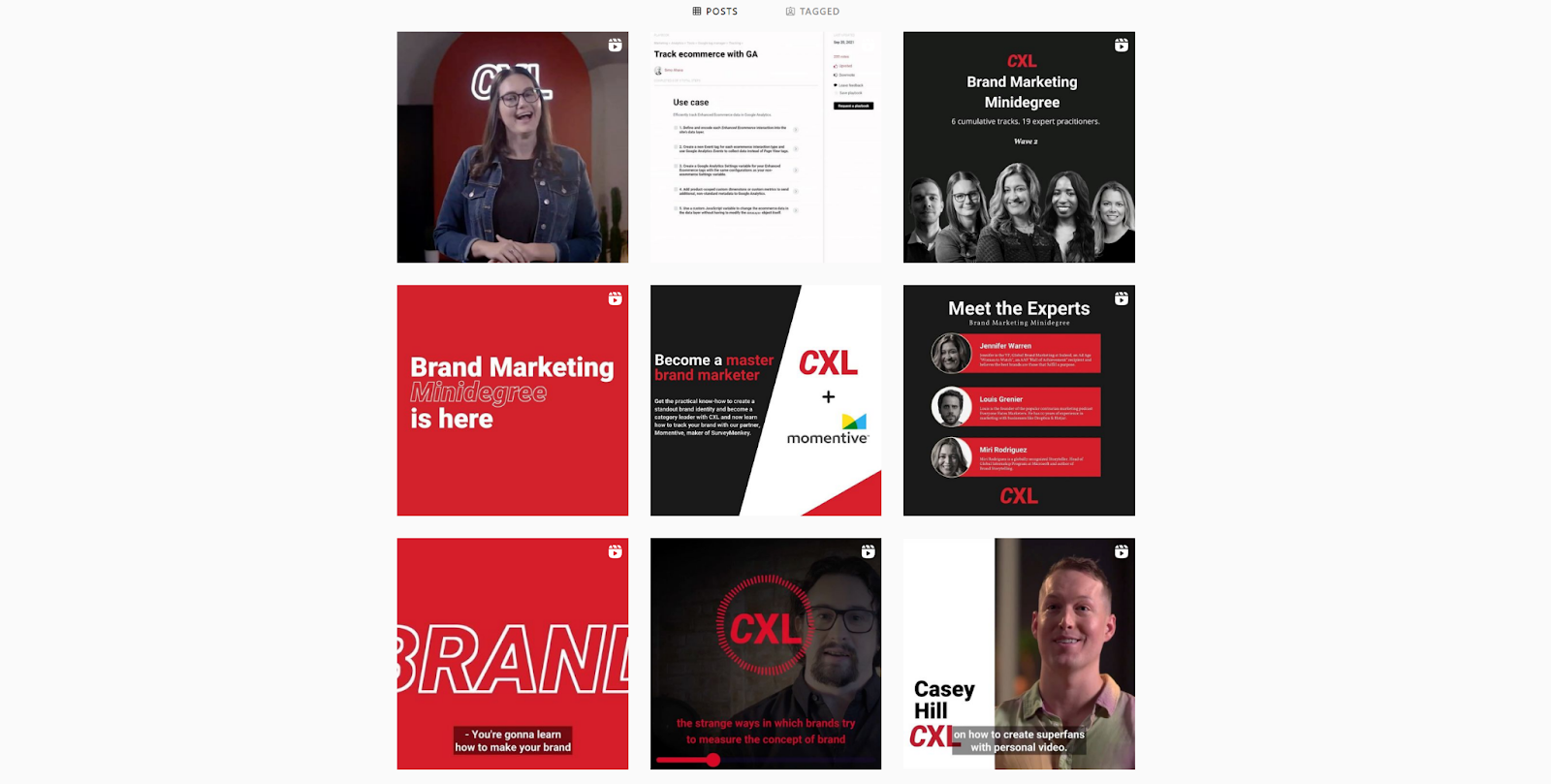
Strategy #4: Use Visual Storytelling
Visual storytelling is a powerful way to connect with remote workers and communicate your brand's values and mission. Use high-quality visuals, such as images and videos, to tell the story of your company and its culture. This can include employee testimonials, company events, and behind-the-scenes glimpses into your work.
Strategy #5: Leverage Employee Advocacy
Employee advocacy is a powerful way to build brand awareness and credibility among remote workers. Encourage your team members to share their experiences and perspectives on social media, and highlight their achievements and contributions to the company. This can include employee spotlights, team member testimonials, and behind-the-scenes stories of company successes.
Strategy #6: Create a Sense of Community
Remote workers often feel isolated and disconnected from their colleagues. To create a sense of community, build a brand that celebrates the connections and relationships between team members. Use language that emphasizes collaboration, teamwork, and mutual support, and highlight the ways in which your company fosters a sense of community among remote workers.
Conclusion
Creating a remote team branding strategy requires intentional effort and creativity, but the rewards are well worth it. By emphasizing flexibility and work-life balance, fostering inclusivity and diversity, communicating authenticity and transparency, using visual storytelling, leveraging employee advocacy, and creating a sense of community, you can build a brand that resonates with remote workers and fosters unity, engagement, and collaboration among your team members.