Maximize Your Internet Speed with D-Link Router Configuration for Speed
When it comes to internet connectivity, a D-Link router is a popular choice among users due to its ease of use and reliability. However, for those looking to achieve the fastest possible internet speeds, configuring the router is crucial. In this article, we will take you through the step-by-step process of configuring a D-Link router for speed, ensuring you get the most out of your internet connection.
A Quick Glance at the Importance of Configuring Your D-Link Router
- Configuring your D-Link router enables you to achieve optimal internet speeds.
- Adjusting settings such as WAN (Wide Area Network) and LAN (Local Area Network) settings is crucial for maintaining a stable and smooth connection.
- Setting up Quality of Service (QoS) parameter helps prioritize applications that require low latency and stability.
- Wireless congestion management is also crucial to ensure each device receives adequate bandwidth.
Step 1: Accessing the Router Configuration
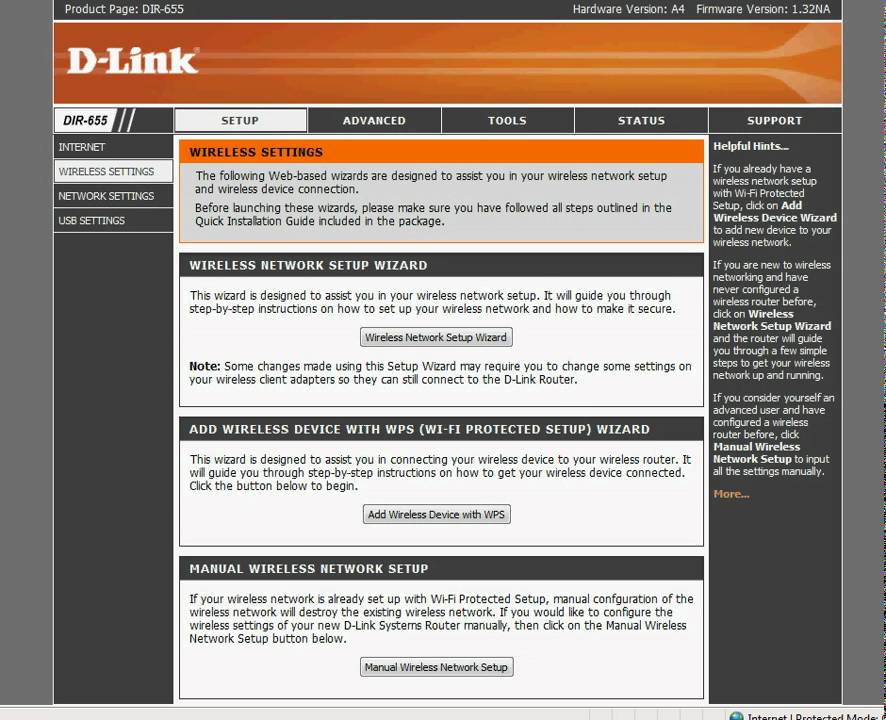
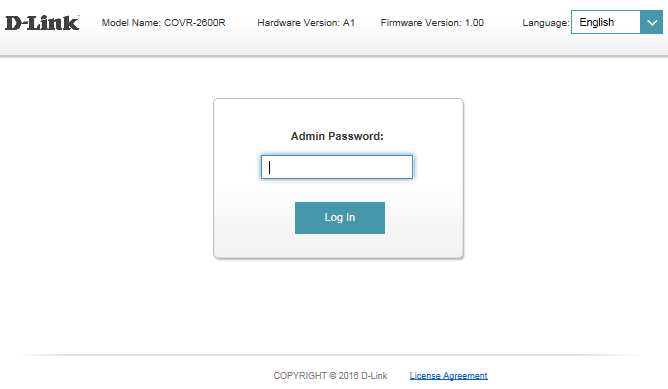
Before we dive into the detailed setup, you need to access your D-Link router's configuration page. Most modern routers use a web-based interface that can be accessed by connecting to the router's IP address in your web browser. Common addresses include http://192.168.0.1 or http://192.168.1.1.
Step 2: Updating Firmware and Channel Selection
- Ensure the router's firmware is up to date. Outdated firmware can cause a significant drop in internet speed and connectivity stability.
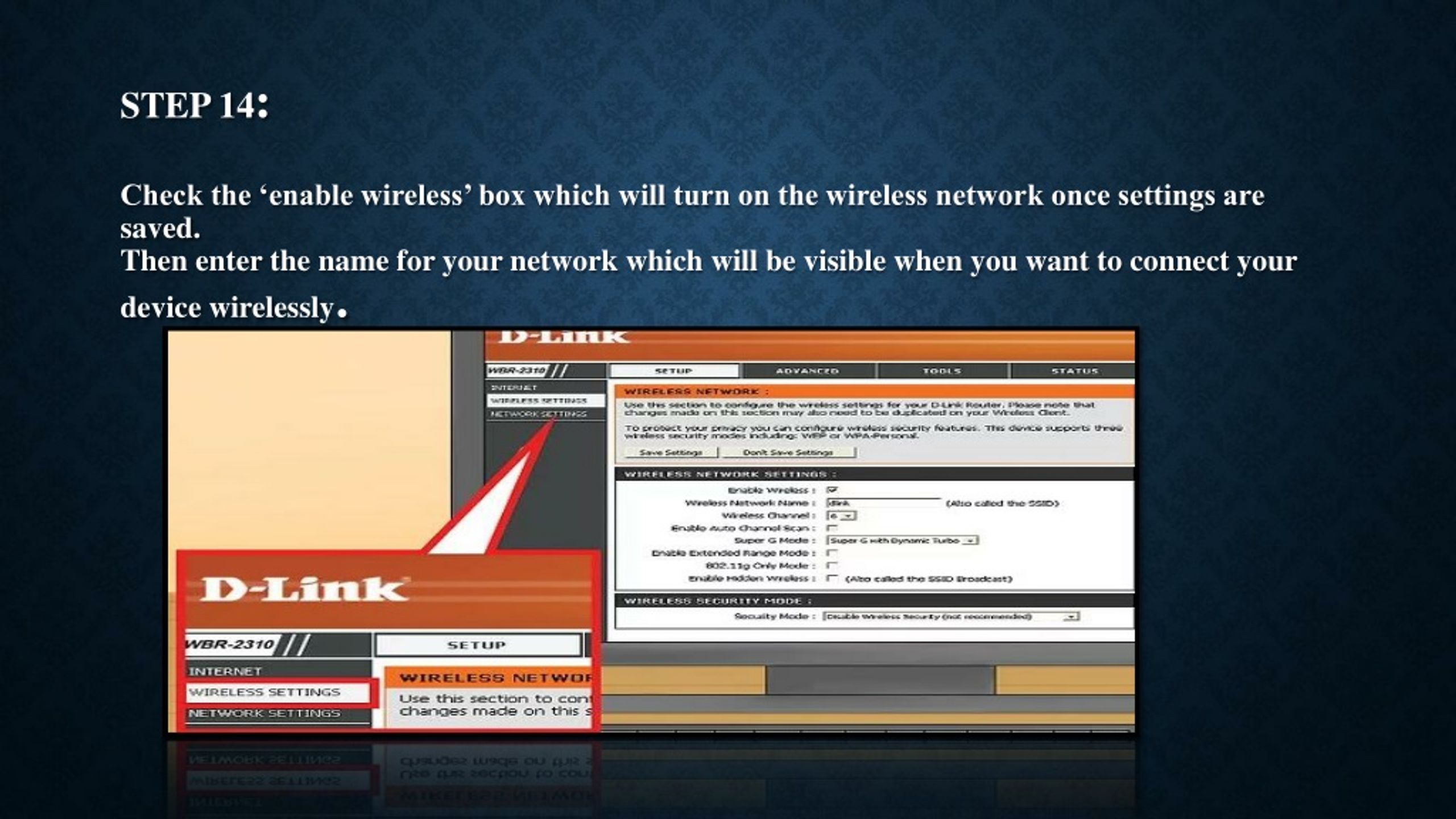
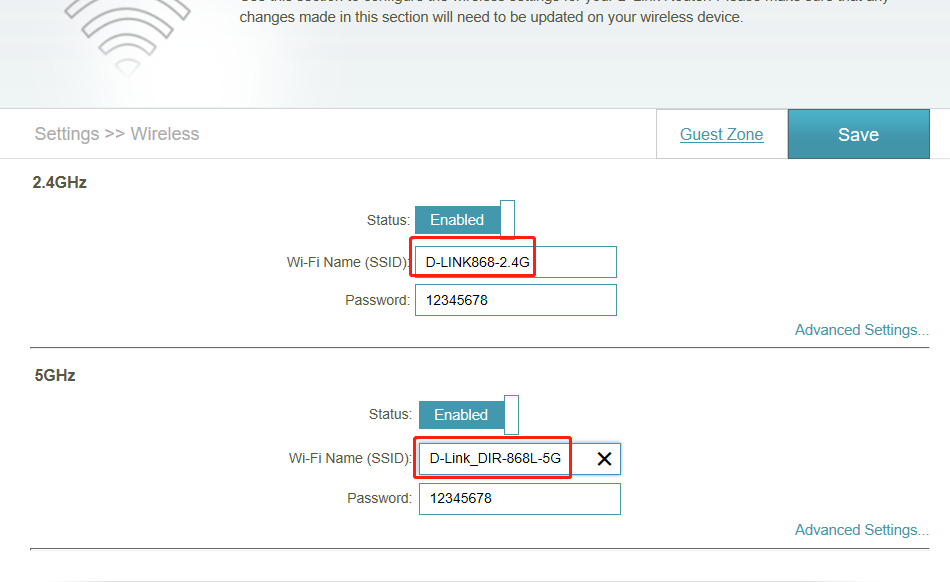
- Once the firmware is updated, select the channel on your router to minimize interference (typically the 5GHz or 2.4GHz bandwidth, depending on your internet service provider).
Step 3: Setting Up WAN and LAN
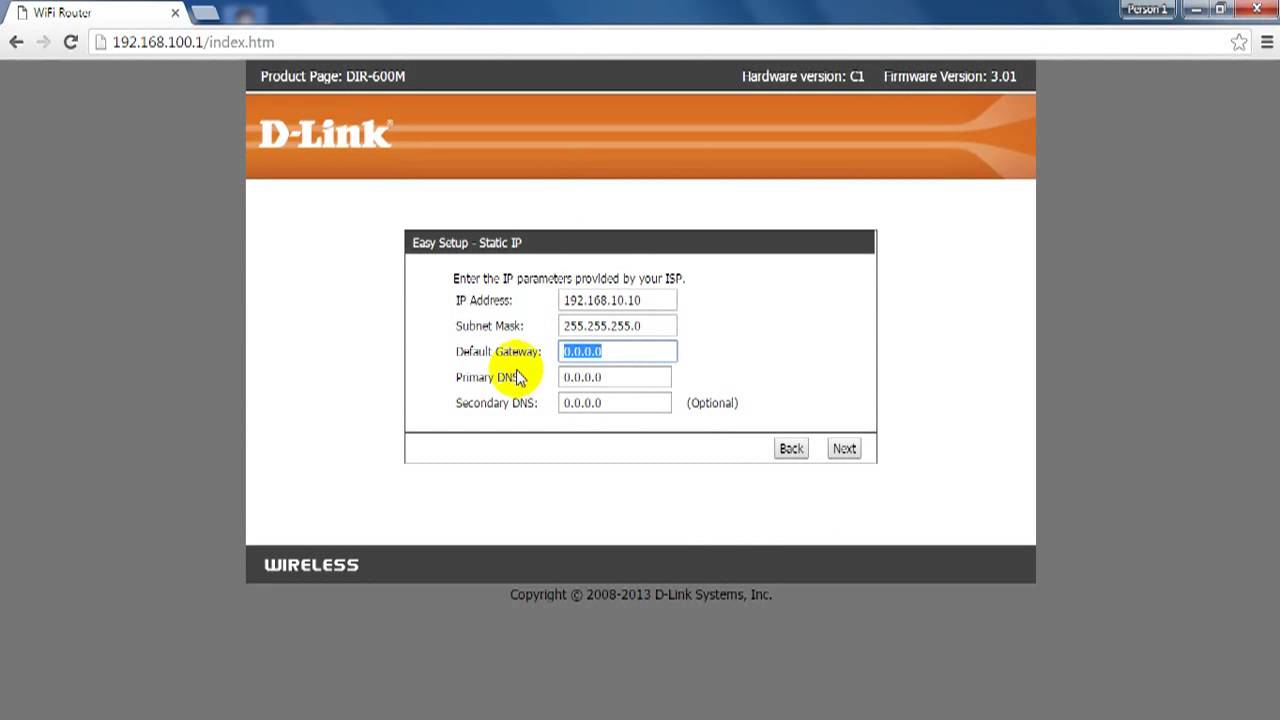
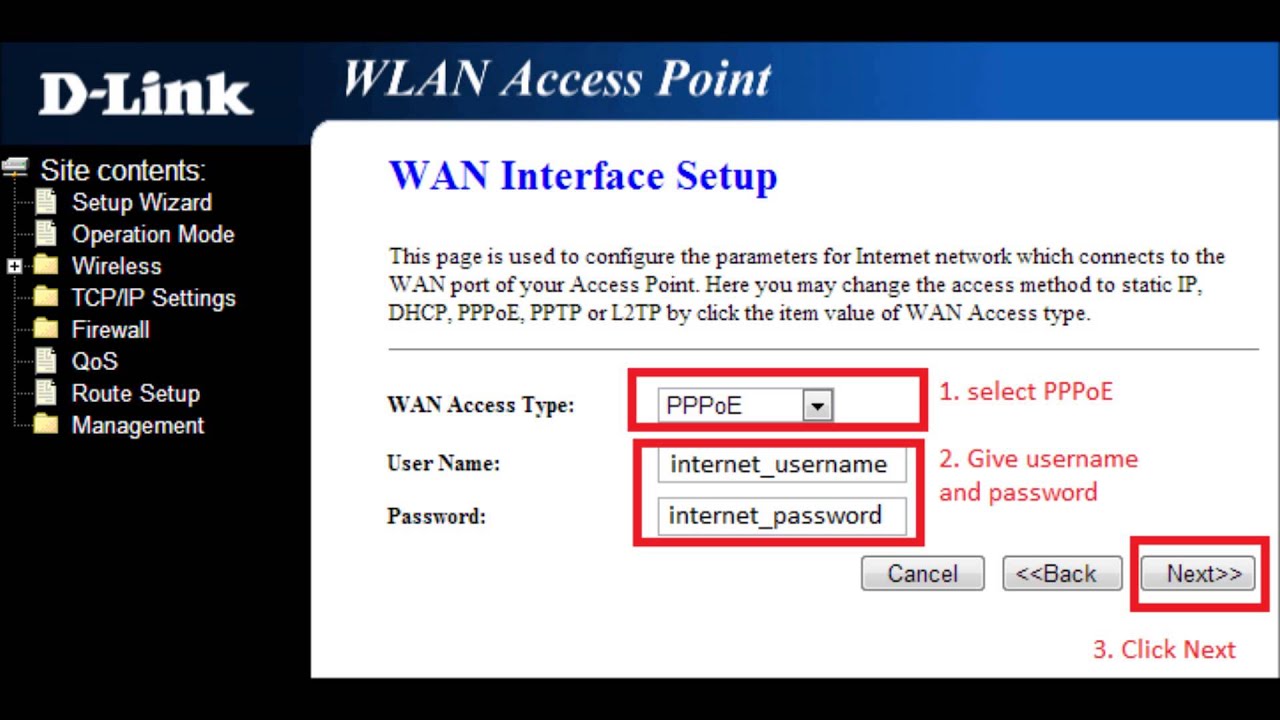
Configure your WAN settings to match your internet service provider's requirements. This includes setting the dynamic or static IP address, ports, and gateway settings. Ensure to select the right internet protocol (ISP provided) and configure the LAN settings for optimal performance and coverage.
Step 4: Configuring Quality of Service (QoS)
QoS is a feature that helps control bandwidth allocation among different applications. This is particularly useful during peak hours when multiple users are online and more bandwidth-intensive applications are running.
- Under the QoS settings, select the prioritized applications to ensure undisrupted performance like video calling, online gaming, and streaming.
- Configure traffic shaping to limit data usage and prevent congestion.
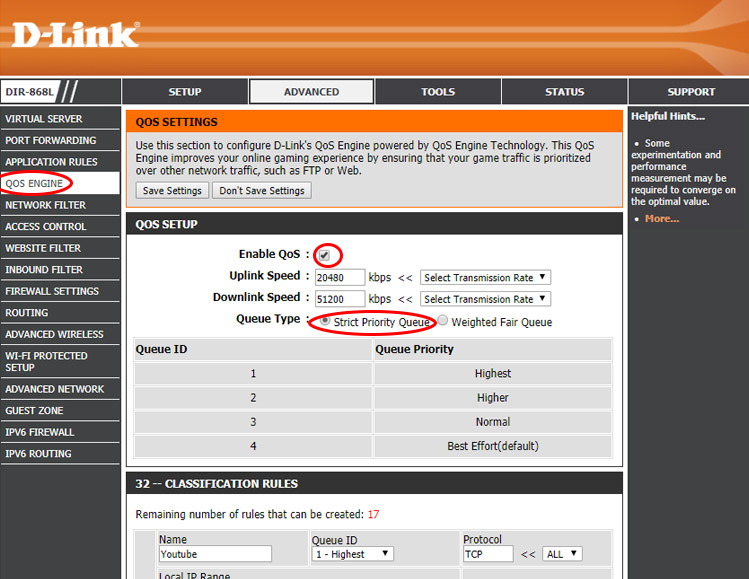
Step 5: Setting Up the WAN Uplink Speed
This is the speed at which data is transferred from your router to your ISP. Ensure the WAN Uplink Speed is set according to your ISP's specification, as defined by a download/upload rate pair (e.g., 2Mbits/384Kbits).
Step 6: Setting the Uplink Speed of Select PCs
Configure this setting on your PCs to match your router's Uplink Speed. This prevents speed disparities between your devices and ensures a smooth experience.
Step 7: Finalizing Configuration and Testing
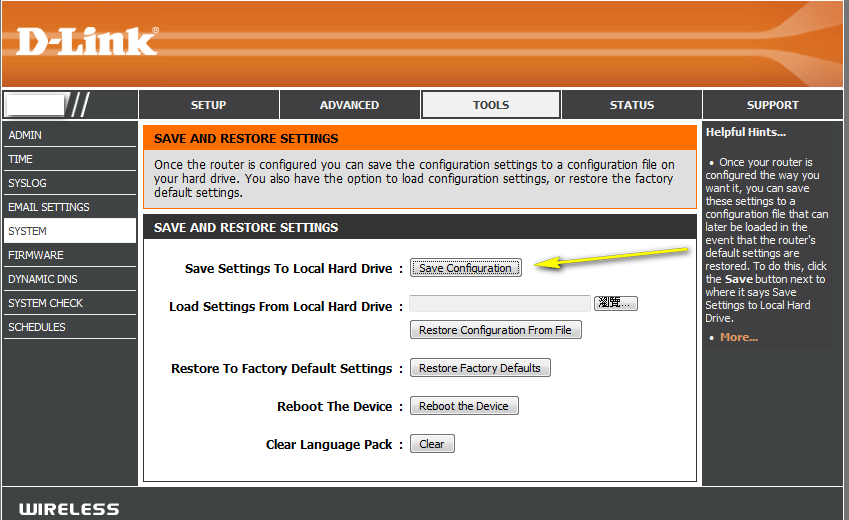
- Save all changes made after configuring your D-Link router for speed.
- Check your internet speed with a reliable speed testing tool to confirm the improvements.
Additional Tips for Maximizing Internet Speed
- Regularly update your router's firmware to ensure you have the latest improvements and security patches.
- Place your router in a central location to receive an even signal strength throughout your home.
- Limit the number of devices connecting to your network or use Quality of Service (QoS) to prioritize certain applications.
Conclusion: Unlock Your Internet Potential with D-Link Router Configuration
Configuring your D-Link router is key to achieving the best possible internet speed and performance. By following these steps and additional tips, you'll be able to optimize your router settings and enjoy a seamless online experience.
Related Articles: Examples of D-Link Router Configuration for Other Routers and Setup Guides
- D-Link Router Setup Step by Step Tutorial
- Configuring D-Link DIR Series Router
- How to Configure D-Link DSL-3900 Router for Speed