Delayed Onset Muscle Soreness Prevention for Athletes: Understanding the Causes and Taking Preventative Measures
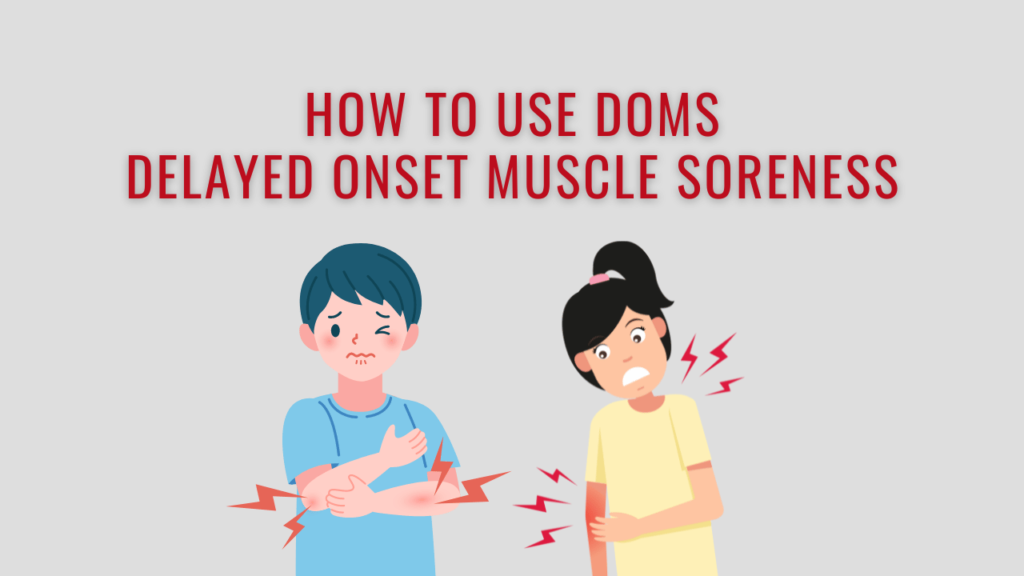
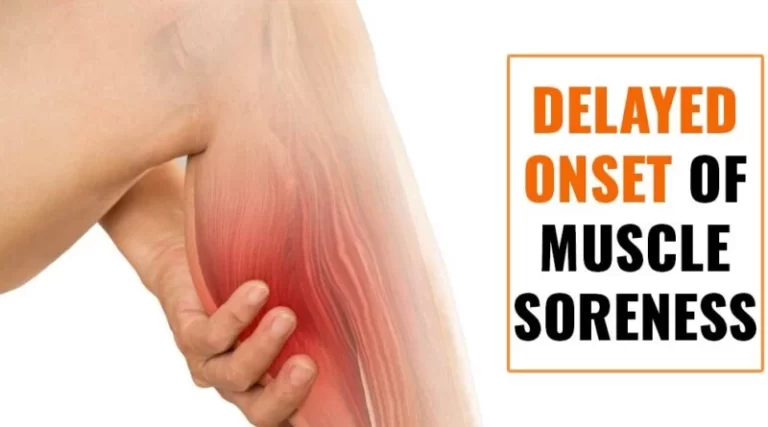
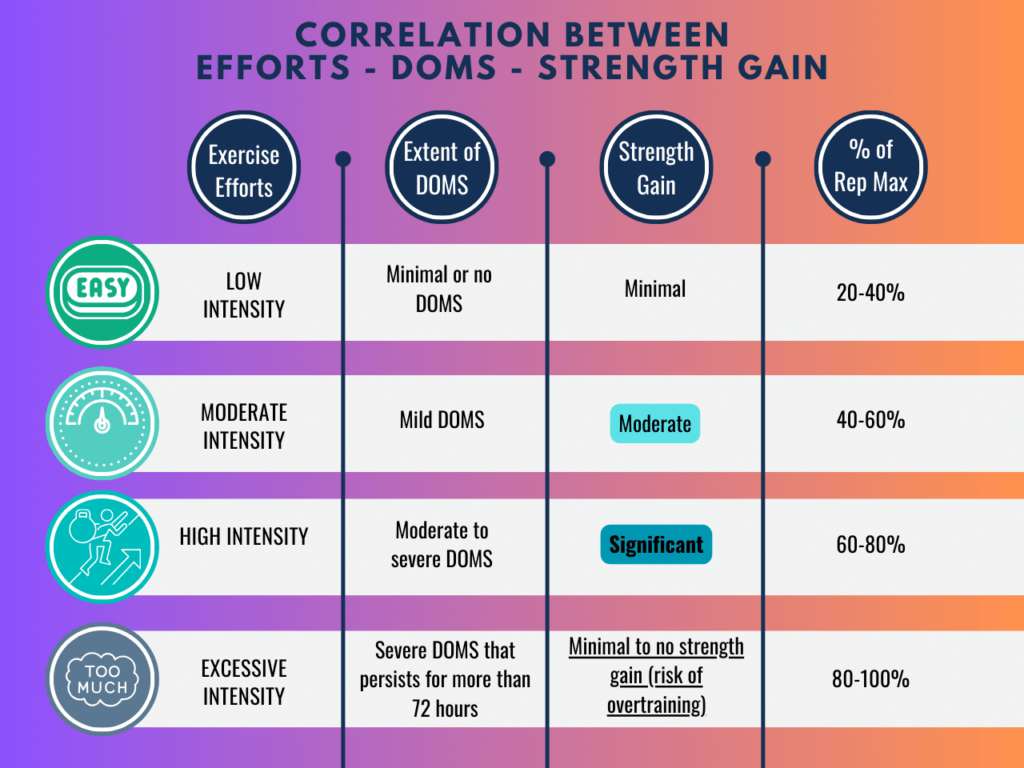
Delayed Onset Muscle Soreness (DOMS) is a common condition experienced by athletes and individuals who engage in strenuous and unfamiliar exercise. Characterized by muscle pain and stiffness that develops 24 to 72 hours after intense or new physical activities, DOMS can significantly impede an athlete's performance and recovery.Understanding the Causes of DOMS
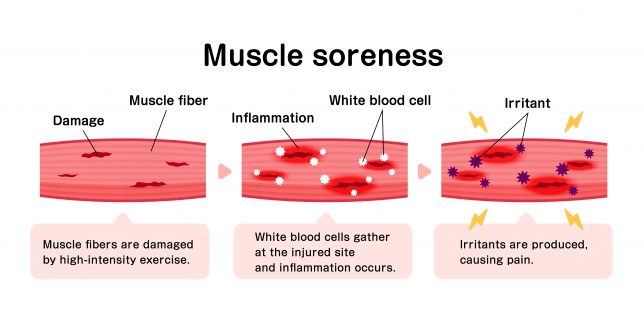
DOMS is primarily caused by microscopic tears in muscle fibers, particularly during eccentric muscle contractions, such as downhill running or lowering weights. This damage triggers the body's repair process, which can result in muscle pain, tenderness, and stiffness. DOMS can also be caused by unfamiliar or sudden changes in exercise routine, overexertion, and poor recovery techniques.Preventative Measures for DOMS
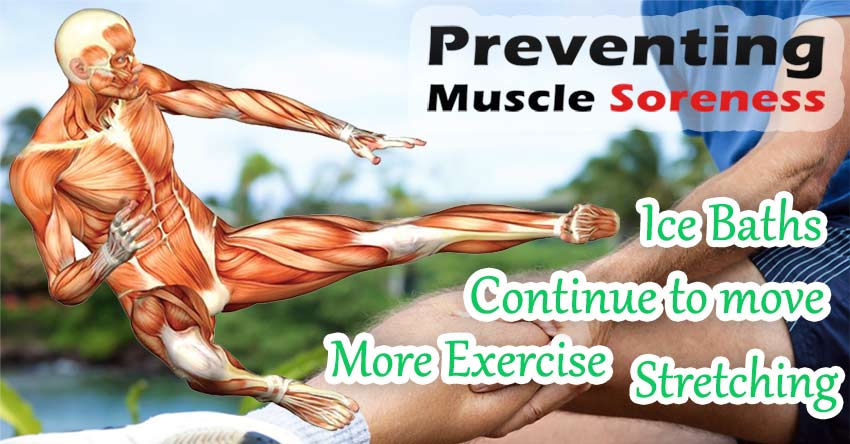
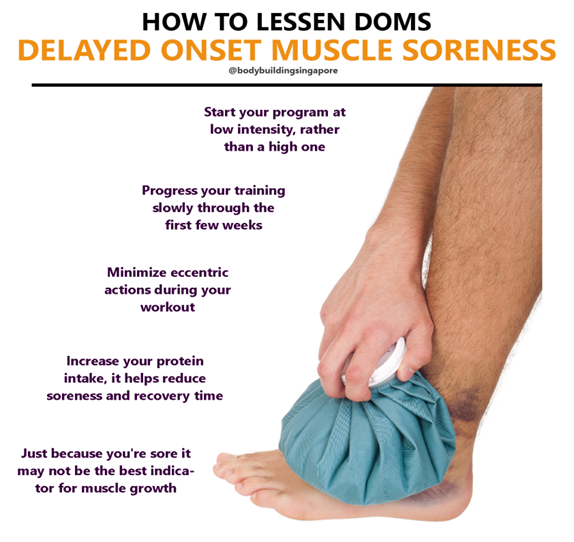
While DOMS is a natural response to muscle damage, there are several preventative measures athletes can take to minimize the severity of DOMS:- Proper Warm-Up and Cool-Down Exercise: A thorough warm-up before exercise and a cool-down afterwards can help prepare and recover the muscles, reducing the likelihood of DOMS.
- Stretching and Foam Rolling: Regular stretching and foam rolling can improve flexibility and reduce muscle tension, making it easier for muscles to recover.
- Active Recovery**: Engage in light cardiovascular exercises or dynamic stretching after intense workouts to improve blood flow and promote faster recovery.
- Compression and Kinesiology Taping**: Use compression garments and kinesiology taping to provide support and reduce muscle oscillation, which can contribute to DOMS.
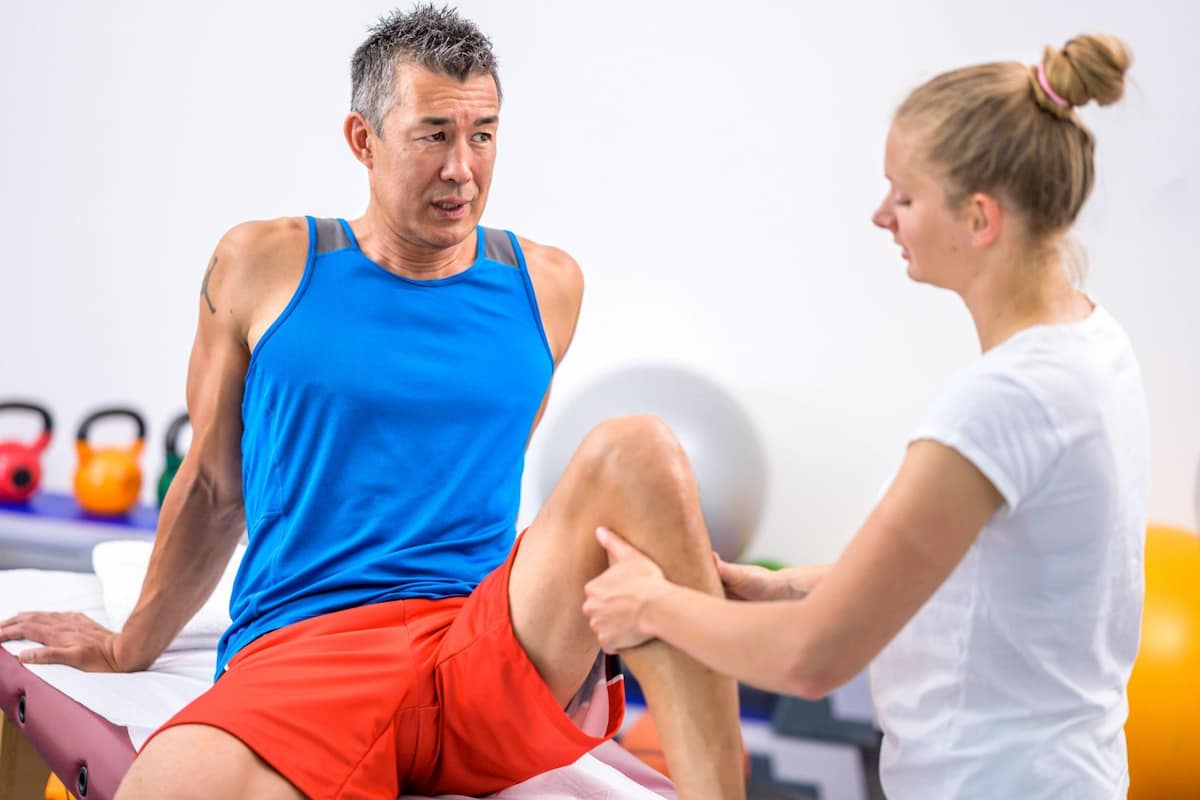
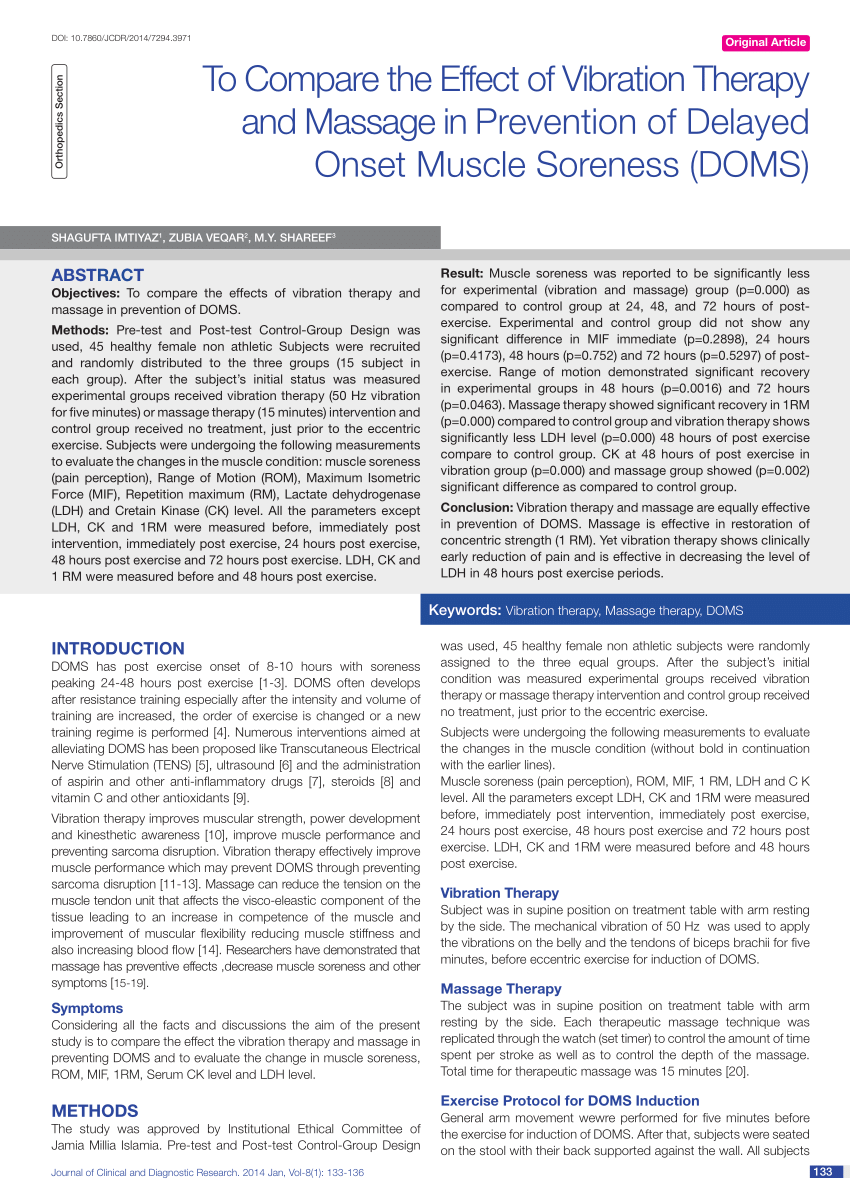
- Massage Therapy**: Regular massage therapy can help reduce muscle tension and promote recovery
- Cooling Therapy**: Apply cooling therapy or cryostimulation immediately after exercise to reduce muscle inflammation and promote recovery
- Hydration and Nutrition**: Adequate hydration and nutrition are crucial for muscle recovery, and a well-balanced diet can help support muscle growth and repair.
- Rest and Recovery**: Adequate rest and recovery time between workouts can help muscles repair and reduce the risk of DOMS.

Additional Measures to Minimize DOMS
In addition to the above preventative measures, athletes can consider incorporating:- Magnesium and Potassium Supplementation**: Certain supplements like magnesium and potassium can help alleviate muscle cramps and soreness.
- Electrotherapy**: Techniques like electrical muscle stimulation can help reduce muscle soreness and improve recovery.
- Heat or Cold Therapy**: Alternating between heat and cold therapy can help reduce muscle tension and promote recovery.
- Compression Sleeves or Sleeves**: Wearing compression sleeves can help reduce muscle oscillation and provide support
- Post-Workout CBD Use**: Some studies suggest that CBD cream can help alleviate post-workout soreness and inflammation.