Understanding the Effects of GLP-1 Agonists on Protein
Glucagon-like peptide-1 (GLP-1) receptor agonists have emerged as a powerful therapeutic class in the management of various chronic diseases, including type 2 diabetes and obesity. These medications work by mimicking the action of the naturally occurring hormone GLP-1 in the body, which plays a crucial role in regulating glucose metabolism, insulin secretion, and satiety. In this article, we will delve into the effects of GLP-1 agonists on protein, exploring their impact on metabolism and overall health.Physiological Roles of GLP-1
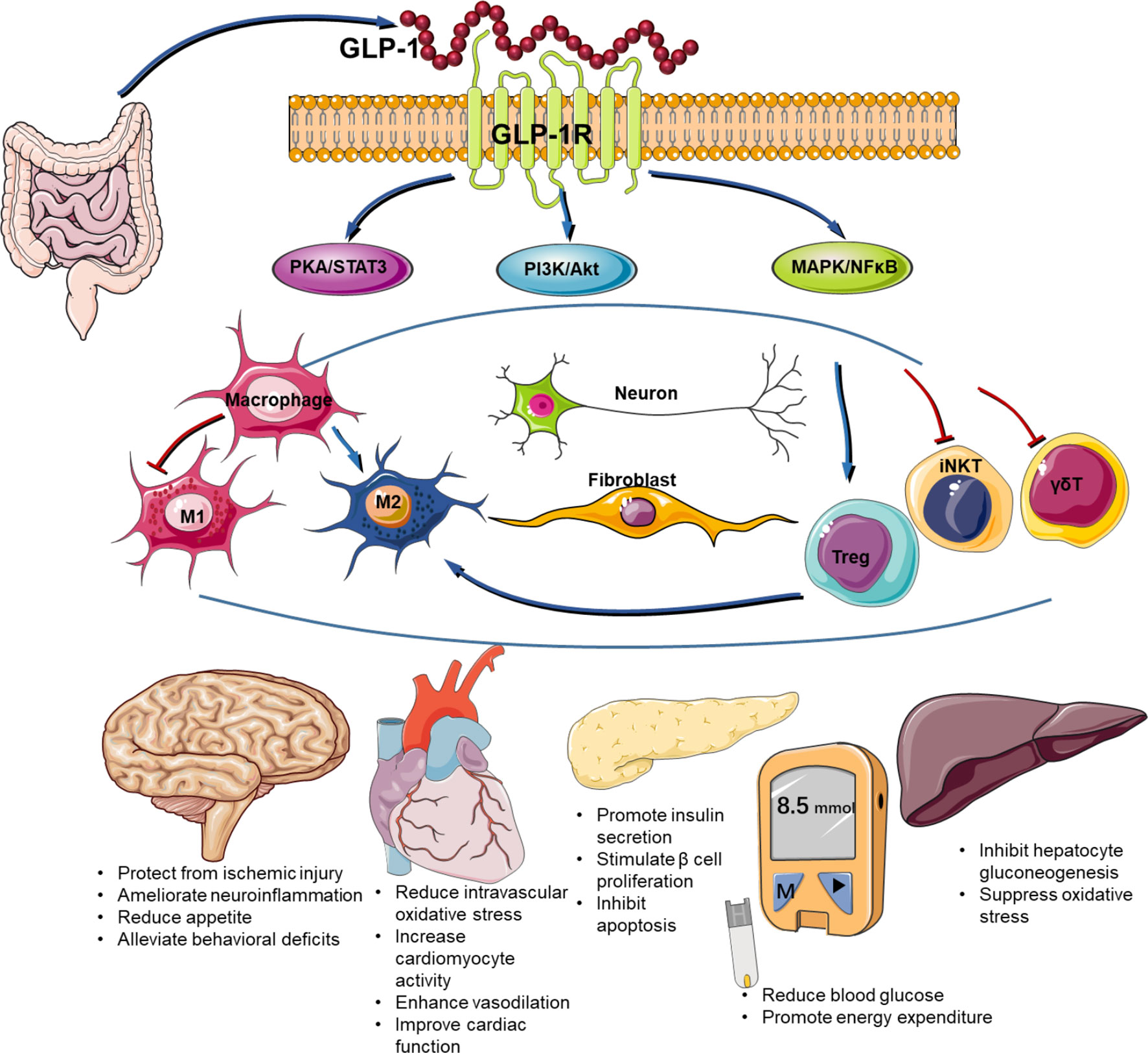
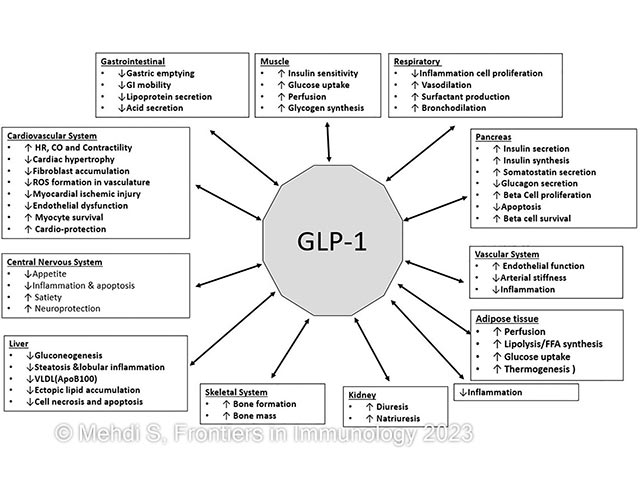
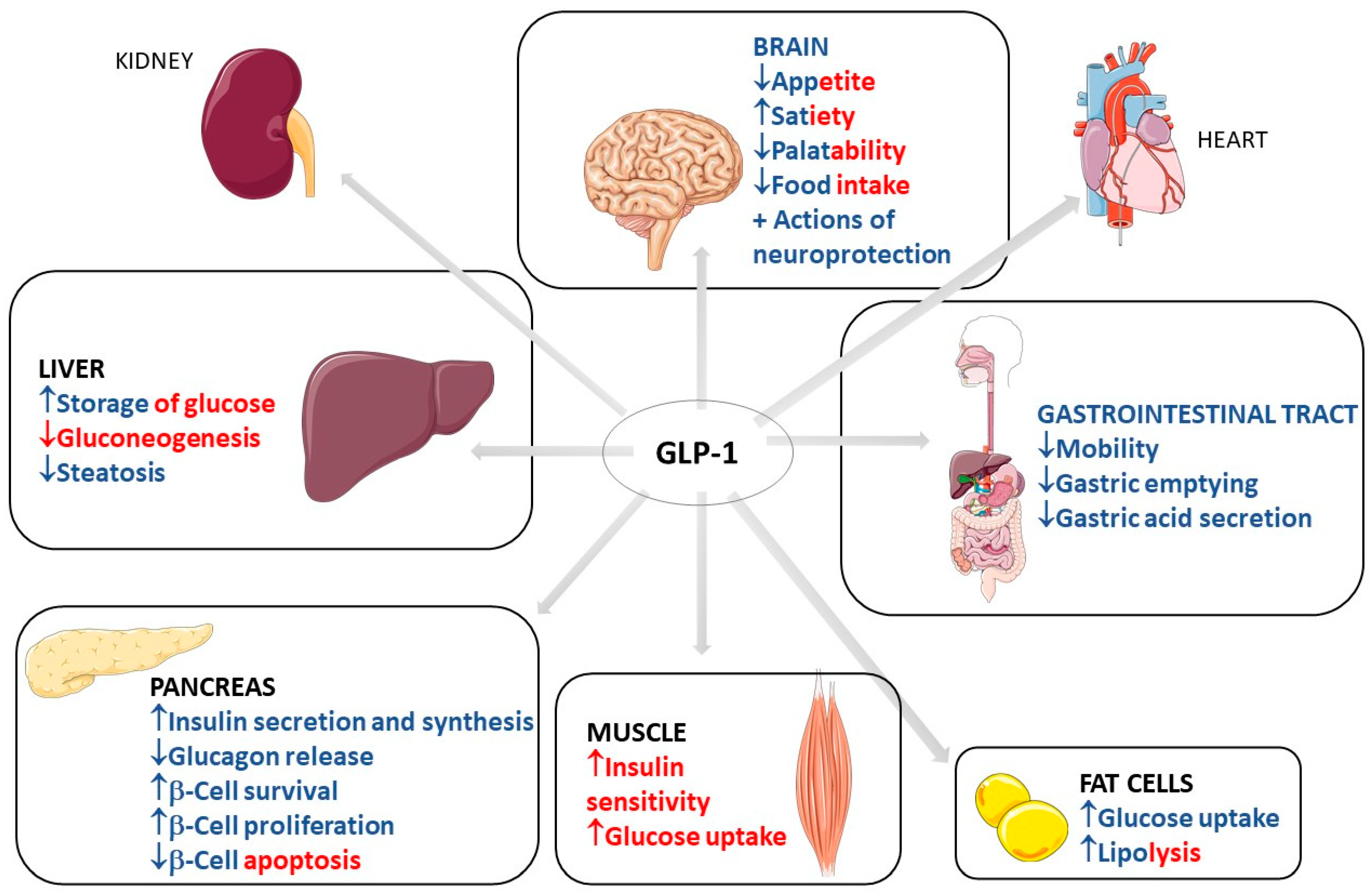
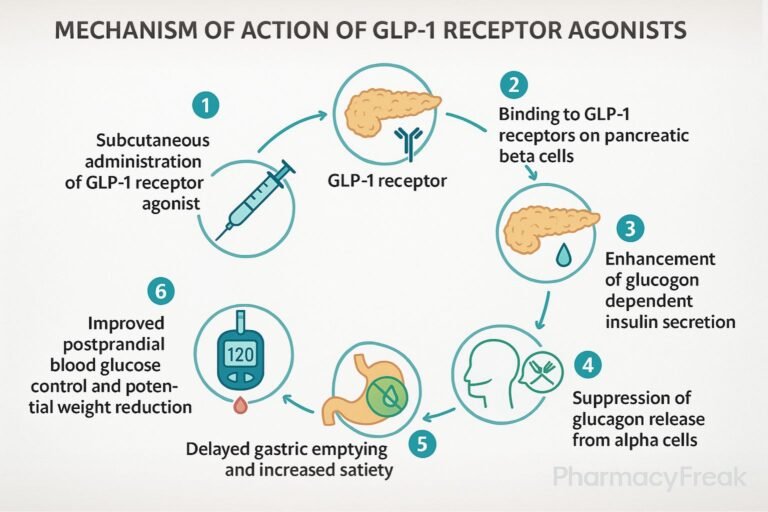
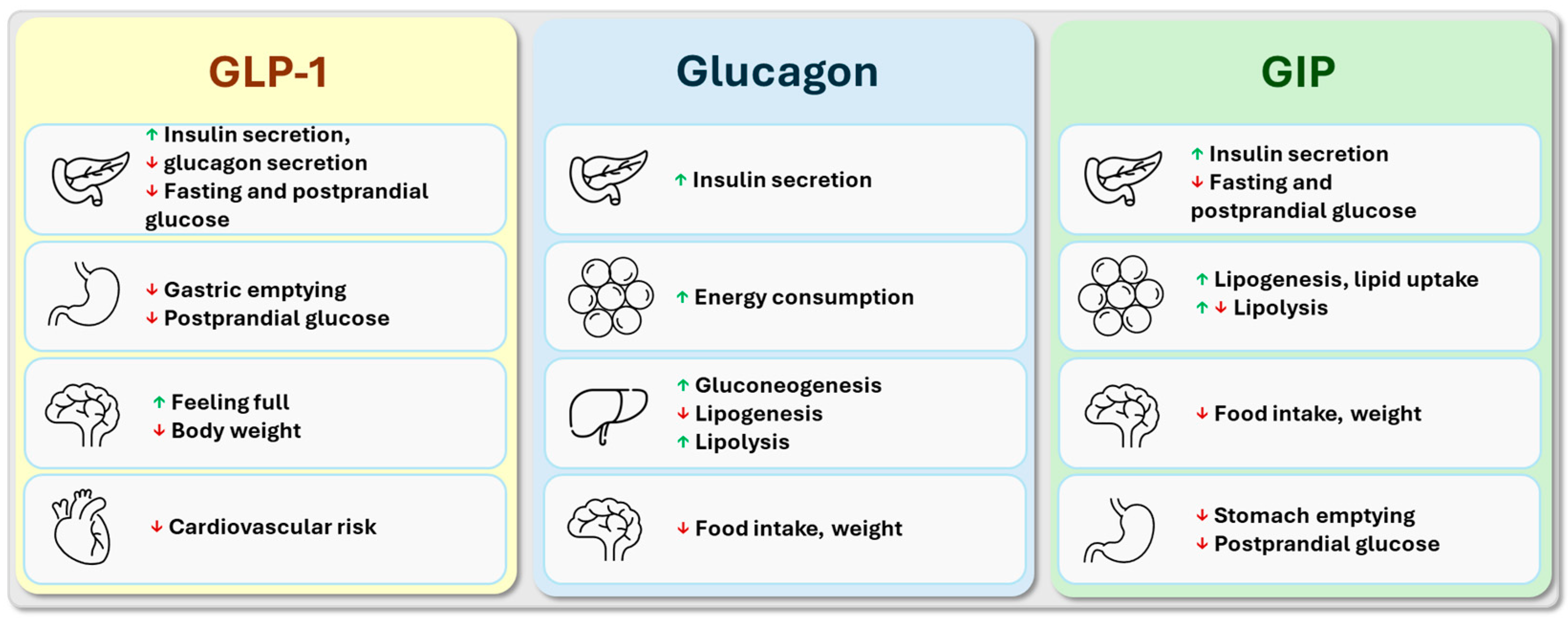
The physiological roles of GLP-1 are multifaceted and have been extensively studied. GLP-1 is a gut-derived peptide that plays a crucial role in regulating glucose homeostasis, insulin secretion, and satiety. When GLP-1 binds to its receptor on the surface of the pancreas, it stimulates insulin secretion, which in turn regulates blood sugar levels. In the brain, GLP-1 receptors are found in various areas, including the hypothalamus and brainstem nuclei, where they mediate appetite, satiety, energy intake, and expenditure.Effects of GLP-1 Agonists on Protein
GLP-1 agonists work by binding to the GLP-1 receptor, stimulating a cascade of intracellular signaling pathways that ultimately lead to the effects on protein. The effects of GLP-1 agonists on protein can be broadly categorized into two main areas: metabolic and immunomodulatory effects.Metabolic Effects