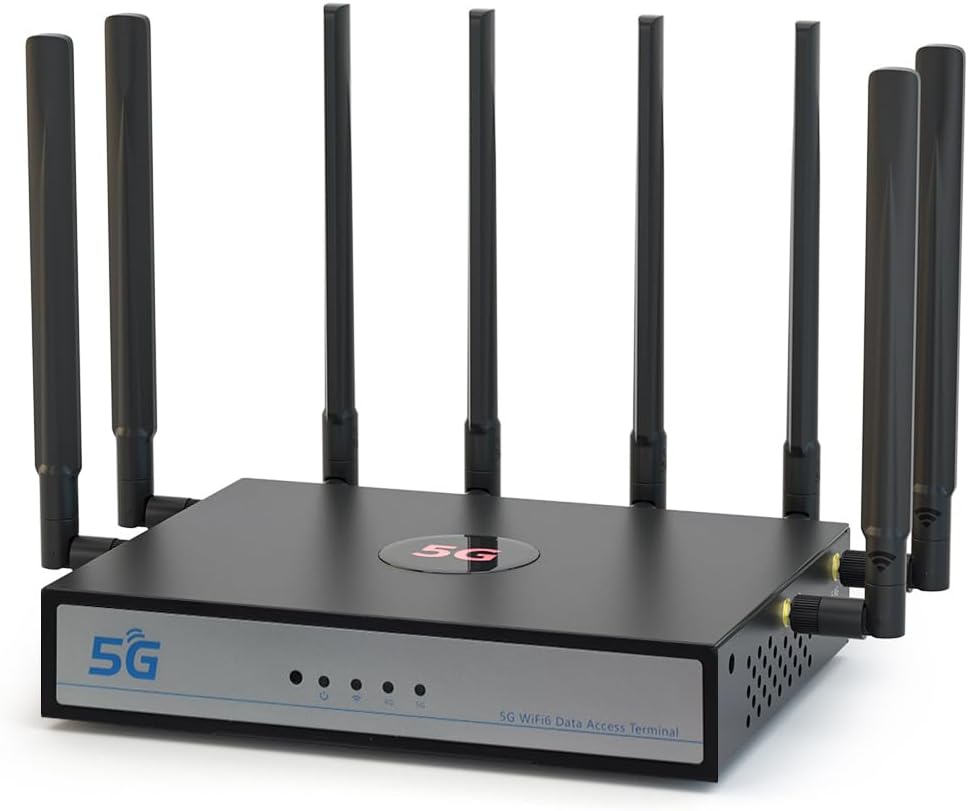
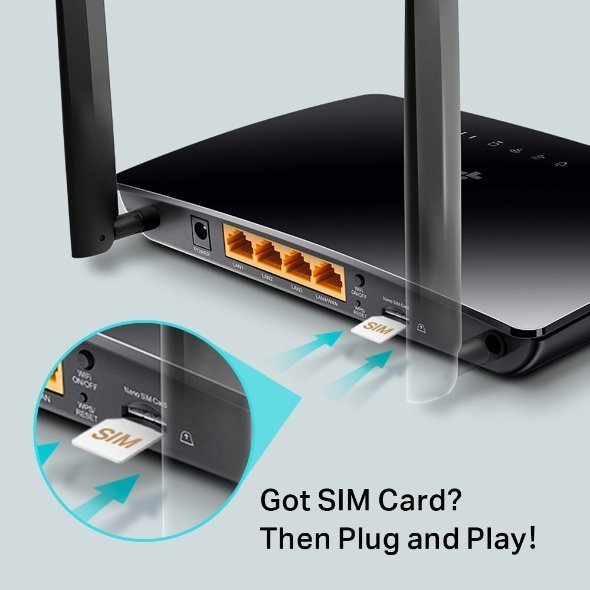
Configuring Your G Router for Dual-Band: A Comprehensive Guide
Are you looking to improve your home network's performance and connectivity? One way to achieve this is by configuring your G router for dual-band functionality. In this article, we'll explore the ins and outs of dual-band routers, the benefits they offer, and step-by-step instructions on how to configure them.
What is a Dual-Band Router?
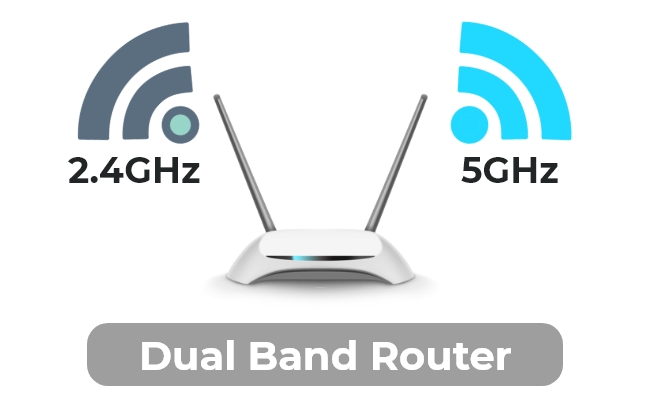
A dual-band router is a device that uses two separate frequencies (2.4 GHz and 5 GHz) to transmit internet signals. This means you can connect devices to different Wi-Fi networks in the same home, reducing interference and ensuring faster speeds. Most dual-band routers operate on both the 2.4 GHz and 5 GHz bands, with the 2.4 GHz band offering a longer range and the 5 GHz band providing faster speeds.
Benefits of Dual-Band Routers
- Improved Performance**: Dual-band routers enable you to connect devices to the best frequency band, reducing interference and ensuring faster speeds.
- Increased Range**: The 2.4 GHz band offers a longer range, making it ideal for devices that are far from the router, such as those in basement or upstairs areas.
- Reducing Interference**: By separating the two frequency bands, dual-band routers reduce the likelihood of interference from other devices, such as cordless phones and microwaves.
Choosing the Right Router
When selecting a dual-band router, consider the following factors: speed, coverage, and features. Look for a router that supports dual-band technology and offers the highest possible speed for your needs. You should also consider the number of devices you plan to connect and the size of your home.
Configuring Your Router for Dual-Band Functionality
To configure your router for dual-band functionality, follow these steps:
Connecting to Your Router
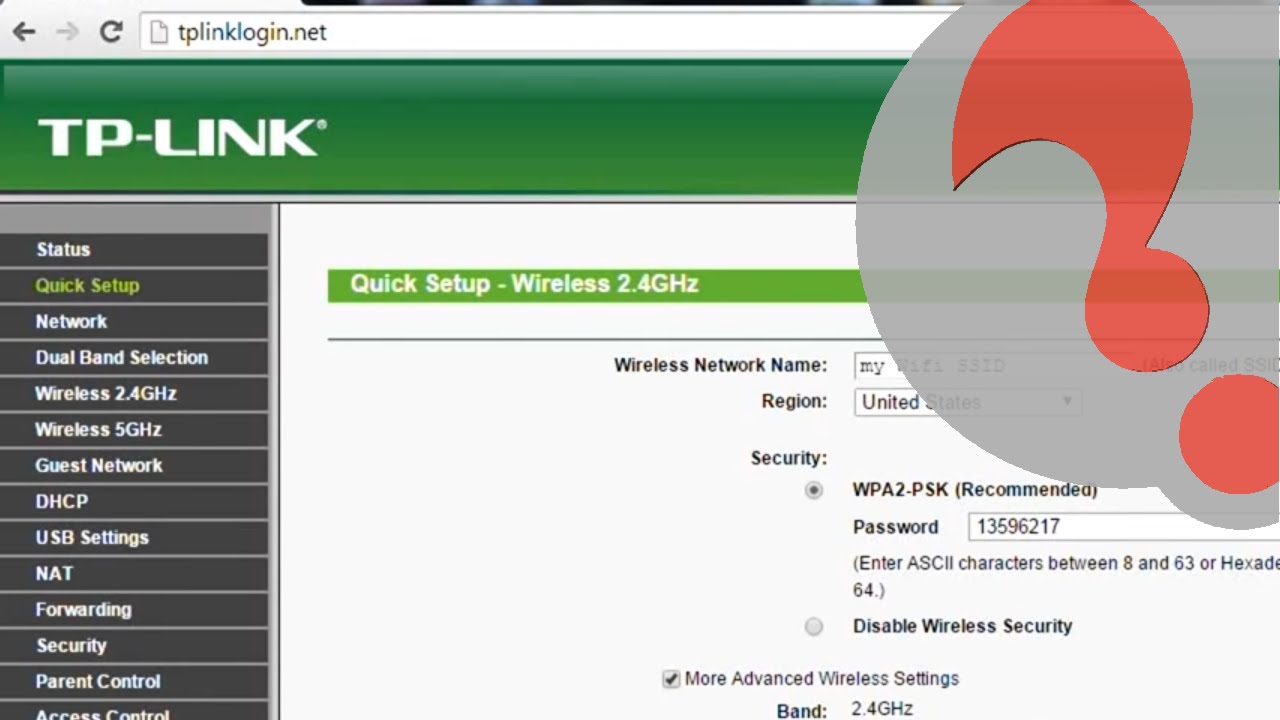
First, connect your computer or mobile device to your router's network. Open a web browser and enter your router's IP address, usually something like 192.168.1.1 or 192.168.0.1, in the address bar.
Accessing Your Router's Settings
Once you've accessed your router's settings, look for the options to enable dual-band functionality. This might be in a section labeled "Advanced Settings," "Wireless Settings," or "Dual-Band Settings."
Step 1: Enabling Dual-Band Mode

Step 2: Configuring the 5 GHz Band
Once you've enabled dual-band mode, configure the 5 GHz band to suit your needs. This might involve setting the channel, channel width, and transmission power.
Step 3: Configuring the 2.4 GHz Band
Repeat the process for the 2.4 GHz band, configuring the settings as needed to suit your devices and environment.
Setting Up a Separate SSID for Each Frequency Band
Some routers allow you to set up separate SSIDs (network names) for each frequency band. This can be useful if you have devices that only support one frequency band, such as older smartphones or tablets.
Configuring Separate SSIDs
To configure separate SSIDs for each frequency band, look for the option to "Create Separate SSIDs" or "Enable Dual-Band SSIDs." Select this option and follow the prompts to set up separate SSIDs for each frequency band.
Tips and Tricks
- Use the 5 GHz Band for Devices That Require High Speeds**: If you have devices that require high speeds, such as 4K streaming or online gaming, connect them to the 5 GHz band.
- Use the 2.4 GHz Band for Devices That Require a Long Range**: If you have devices that are far from the router, connect them to the 2.4 GHz band.
- Change the Channel**: If you're experiencing interference from other devices, try changing the channel on one of the frequency bands.
Conclusion
Configuring your router for dual-band functionality can significantly improve your home network's performance and connectivity. By following the steps outlined in this article, you can take advantage of the benefits offered by dual-band routers, including improved performance, increased range, and reduced interference. Remember to consider your router's capabilities and the needs of your devices when configuring your dual-band settings.




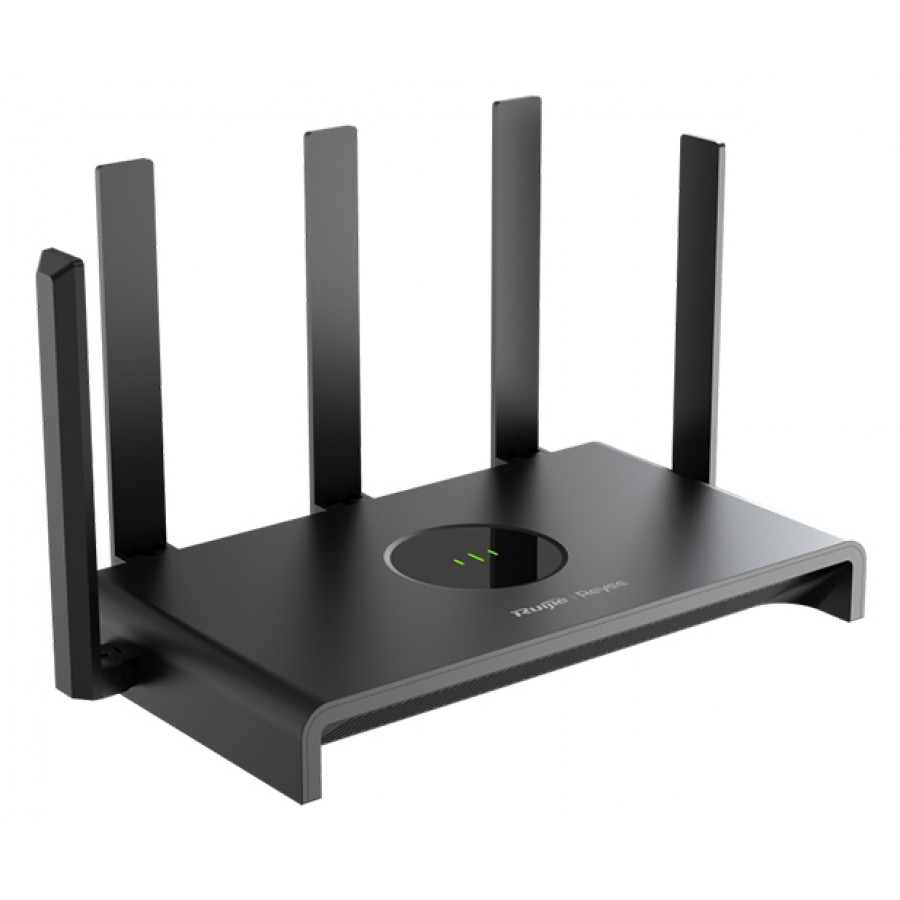

5.0_B_large_1538988373951j.jpg "Tenda BE3600 Dual Band WiFi 7 Router (RE3L)- 3x1G Ports, Easy Setup ...")