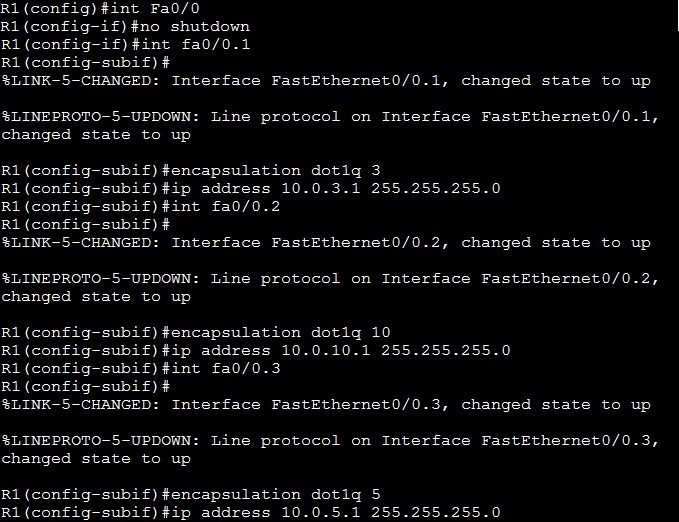
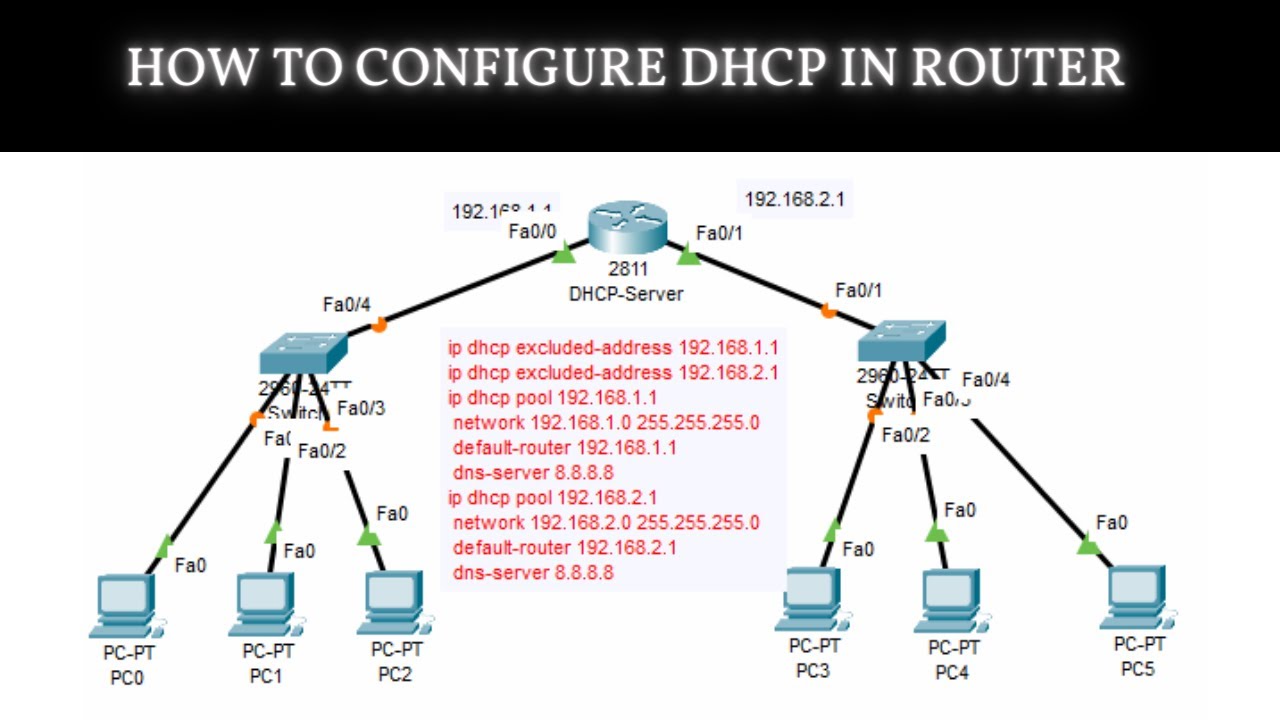
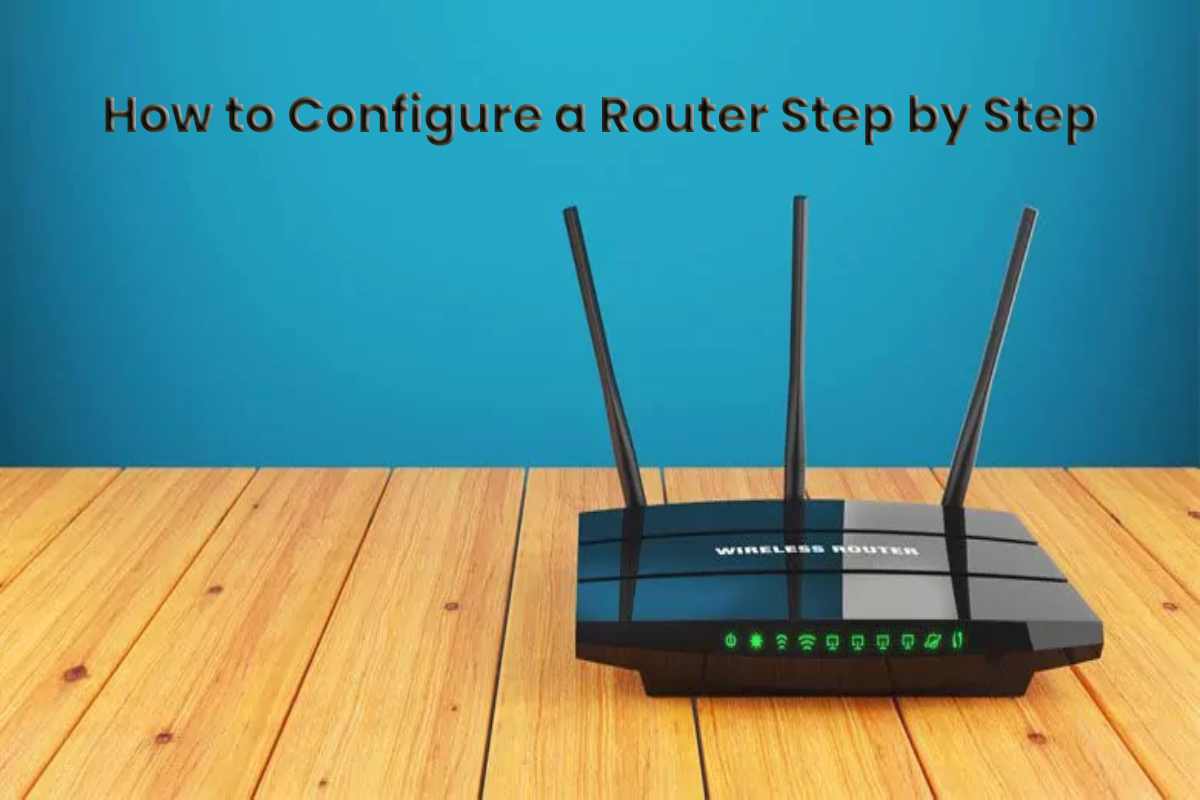
How to Configure a Router: A Comprehensive Guide
Welcome to our comprehensive guide on how to configure a router! In this article, we will walk you through the process of setting up and configuring your router to get the most out of your internet connection. Whether you're a seasoned network administrator or a beginner, this guide will provide you with the step-by-step instructions you need to configure your router and get your home network up and running in no time.
The Importance of Configuring Your Router
Your router is the backbone of your home network, and configuring it correctly is crucial for optimal performance and security. By configuring your router, you can control and manage your network, set up passwords, and ensure that your devices are connected and functioning properly. In this guide, we will cover the basics of configuring your router, including how to access your router's admin panel, change your Wi-Fi settings, and set up your network's security and privacy settings.
Step 1: Accessing Your Router's Admin Panel
The first step in configuring your router is to access your router's admin panel. To do this, you will need to open a web browser and type the IP address of your router. The most common IP address for routers is 192.168.0.1 or 192.168.1.1. If you are not sure what your router's IP address is, you can find it on the underside of your router or in the manufacturer's manual.
- Open a web browser and type the IP address of your router. For example, 192.168.0.1 or 192.168.1.1.
- Press Enter to open the login page of your router's admin panel.
- Enter the default username and password of your router. The default credentials can be found in the manufacturer's manual or on the underside of your router.
- Click Login to access the admin panel.
Step 2: Changing Your Wi-Fi Settings
Now that you have accessed your router's admin panel, you can change your Wi-Fi settings to optimize your network's performance and security. To do this, follow these steps:
- Click on the Wireless Settings or Wi-Fi Settings tab.
- Change the SSID (Network Name) to something that is easily recognizable.
- Set the Channel to Automatic or a specific channel to reduce interference.
- Set the Wi-Fi Mode to 802.11ac or 802.11n for better performance.
- Save and Apply changes.
Step 3: Setting Up Network Security and Privacy

Network security and privacy are crucial for protecting your devices and data from unauthorized access. To set up network security and privacy, follow these steps:
- Click on the Security or Wireless Security tab.
- Change the WPA2 encryption to WPA3 for added security.
- Set the Password or Pre-Share Key (PSK) to a strong and unique password.
- Set the MAC Address Filter to allow or block specific devices from connecting to your network.
- Save and Apply changes.
Step 4: Configuring Advanced Settings
Advanced settings involve configuring your router's advanced features, such as Quality of Service (QoS), port forwarding, and VPN settings. To configure advanced settings:
- Click on the Advanced Settings or Advanced Tab.
- Configure QoS settings to prioritize critical applications and devices.
- Configure port forwarding to allow incoming connections for specific devices or applications.
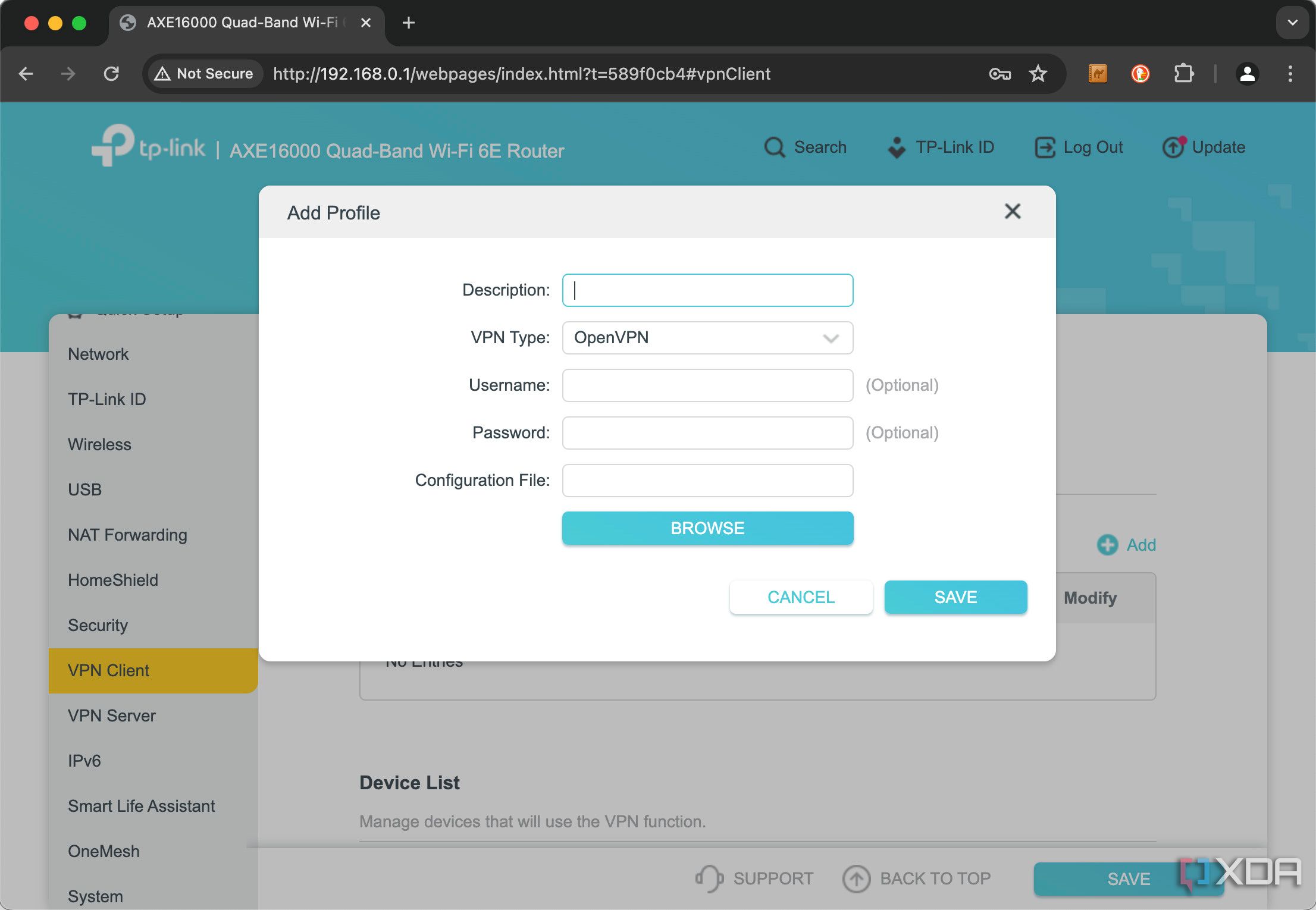
- Configure VPN settings to secure your router.
- Save and Apply changes.
Conclusion
Configuring your router may seem daunting at first, but with the steps outlined in this guide, you can configure your router and get the most out of your internet connection. Remember to change your Wi-Fi settings, set up network security and privacy, and configure advanced settings to optimize your network's performance and security. By following this guide, you will be able to connect and configure your router to meet your needs.
Additional Resources
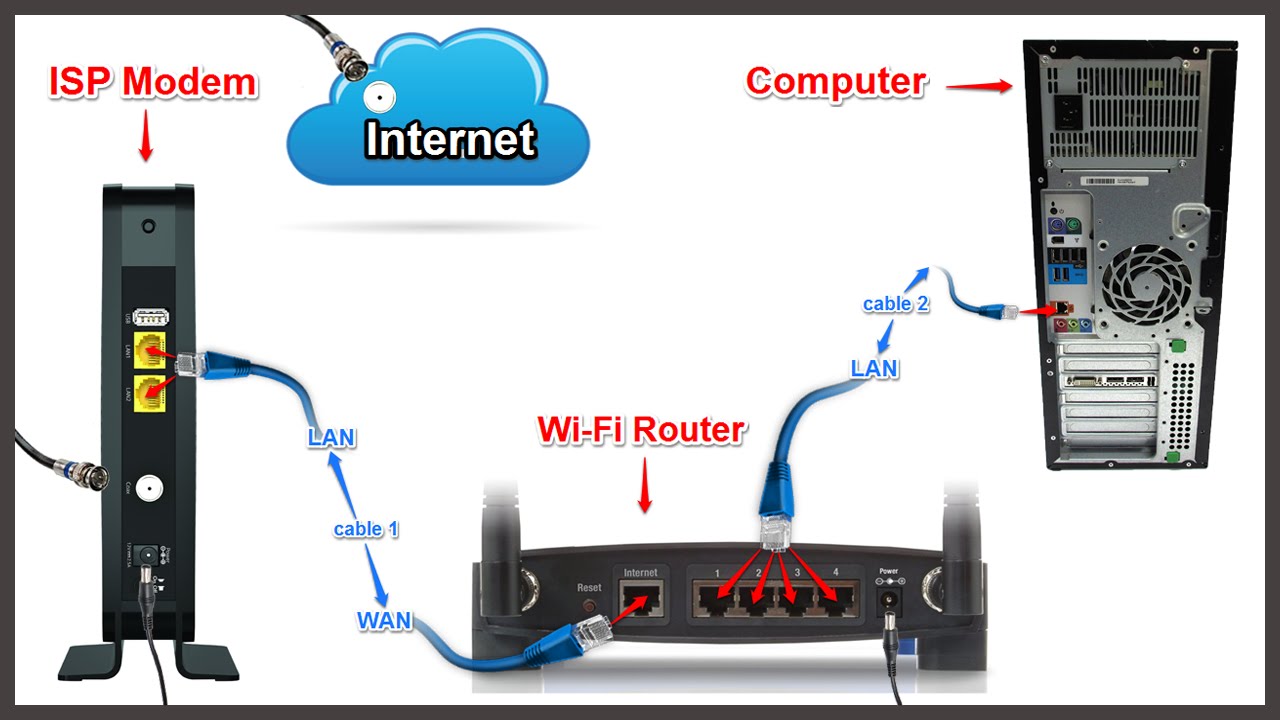
If you need further assistance or want to learn more about configuring your router, there are numerous resources available online. Check the manufacturer's manual, visit online forums and communities, or consult with a professional network administrator for more information. By configuring your router correctly, you can ensure a fast, secure, and reliable internet connection for all your devices.



![[Wireless Router] How do I enter my ASUS router's setting page using ...](https://www.wikihow.com/images/thumb/a/ad/Configure-a-Router-Step-23.jpg/v4-460px-Configure-a-Router-Step-23.jpg "[Wireless Router] How do I enter my ASUS router's setting page using ...")