Understanding Frameless Kitchen Cabinets
Are you in the market for a kitchen renovation and struggling to decide between framed and frameless kitchen cabinets? With so many options available, it can be overwhelming to choose the right style for your home. In this article, we will explore the world of frameless kitchen cabinets, discussing their design, benefits, and what you can expect from this versatile and modern option.What are Frameless Kitchen Cabinets?
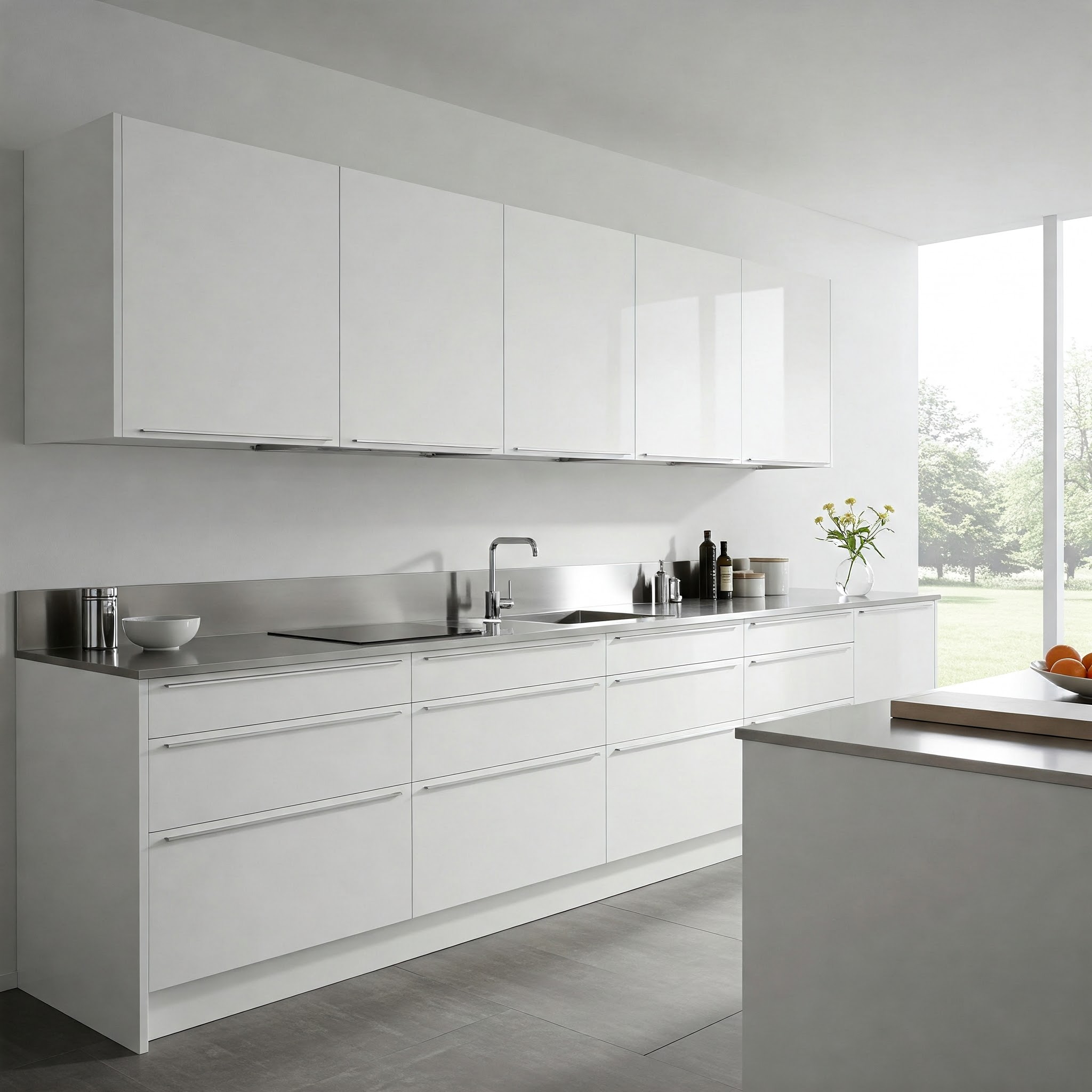
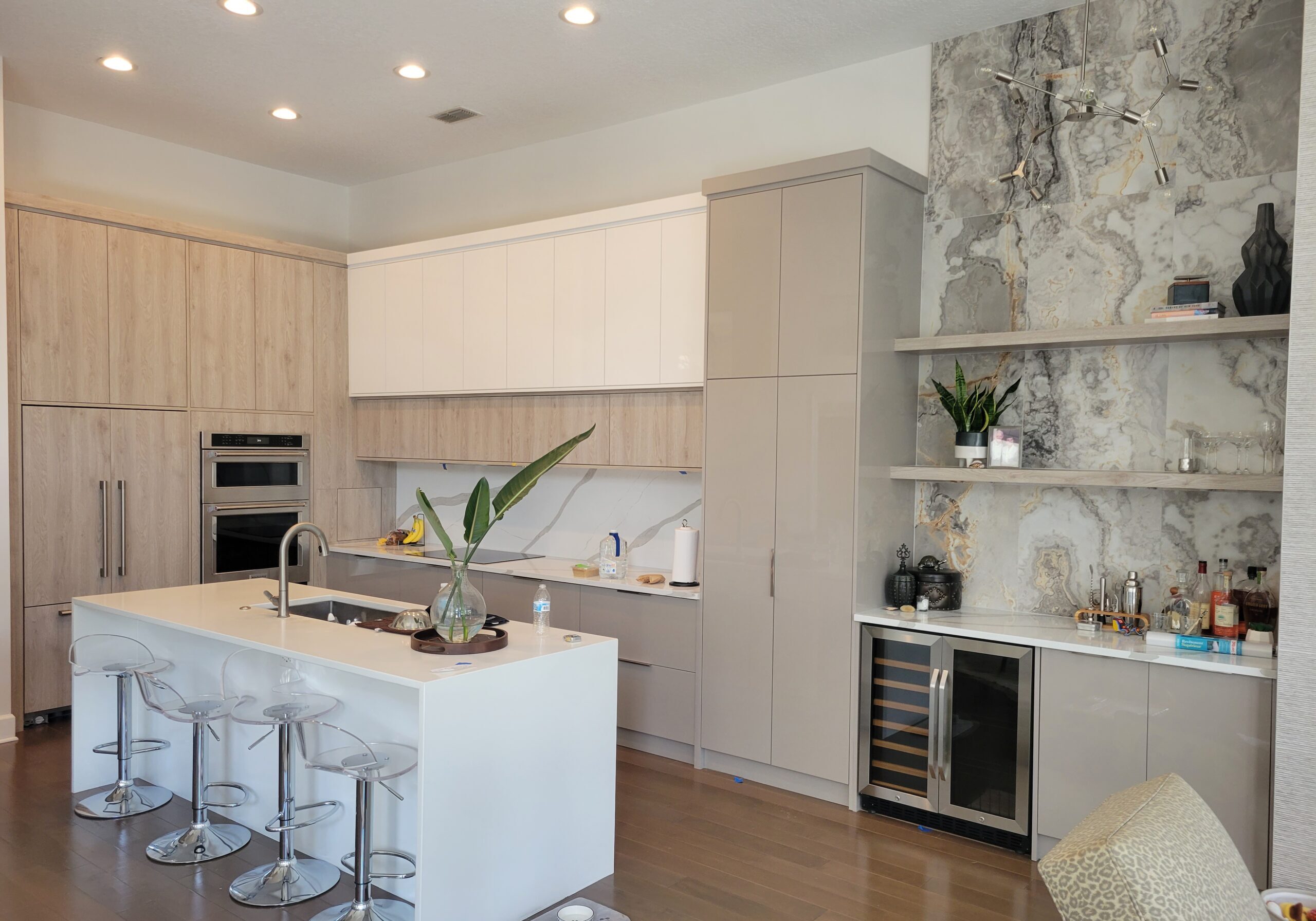
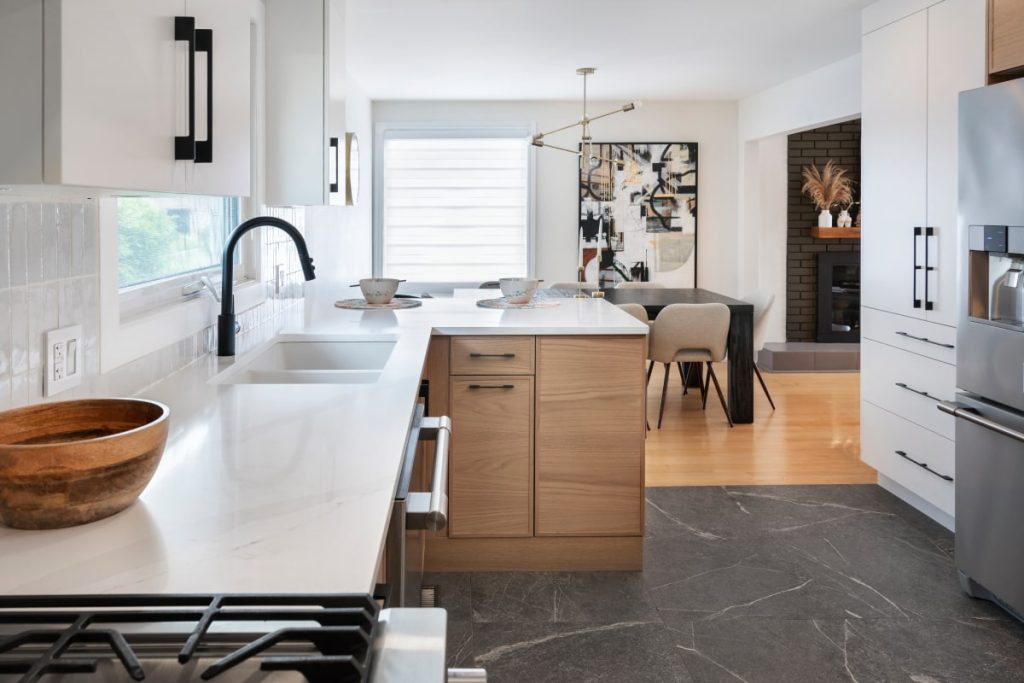
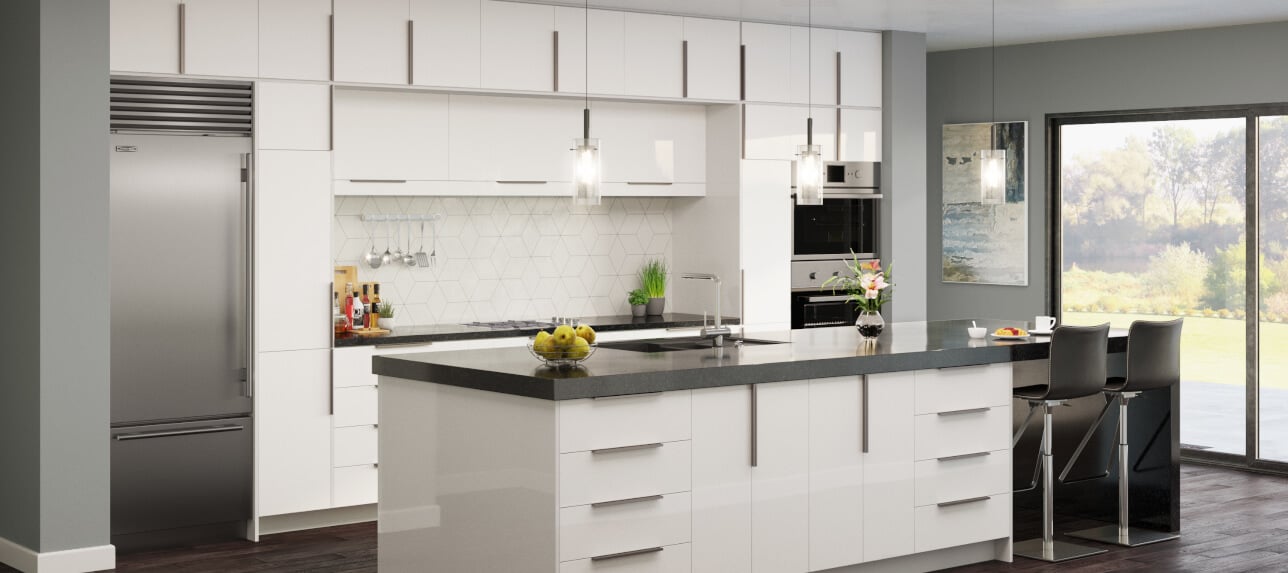
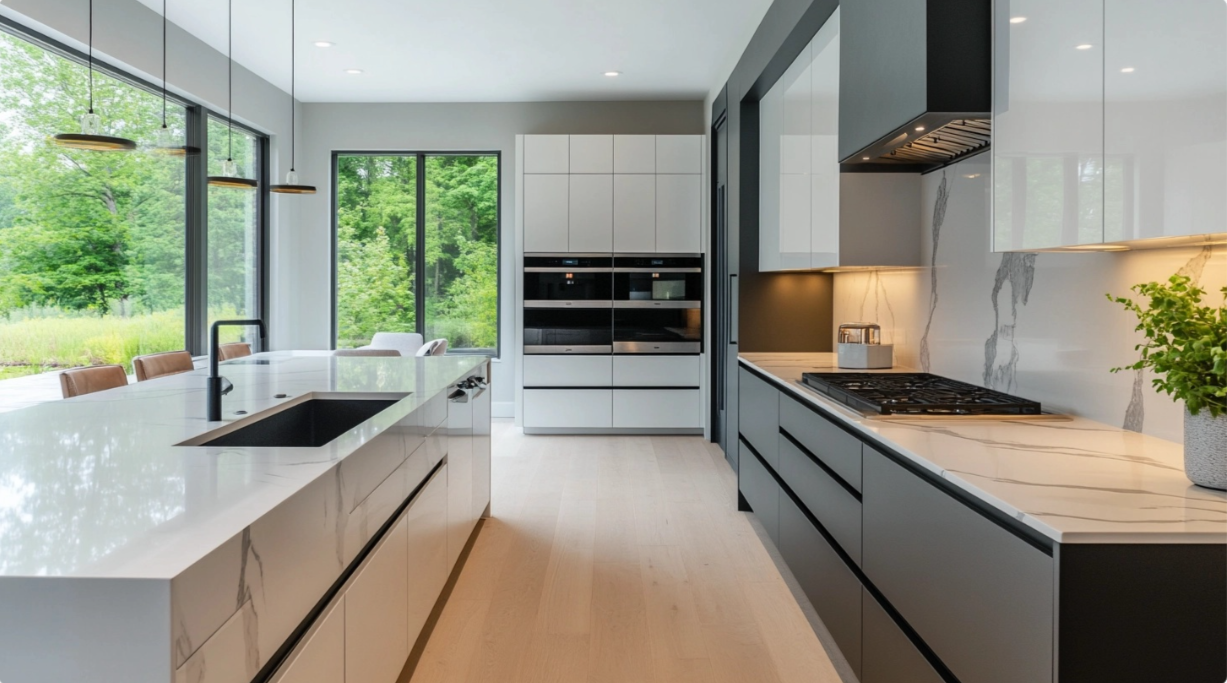
Frameless kitchen cabinets, also known as European-style or full-overlay cabinets, are a type of cabinet that doesn't have a face frame. The door and drawer fronts are attached directly to the cabinet box, creating a sleek and seamless design. This style of cabinet has gained popularity in recent years due to its modern aesthetic and functionality.Pros of Frameless Kitchen Cabinets
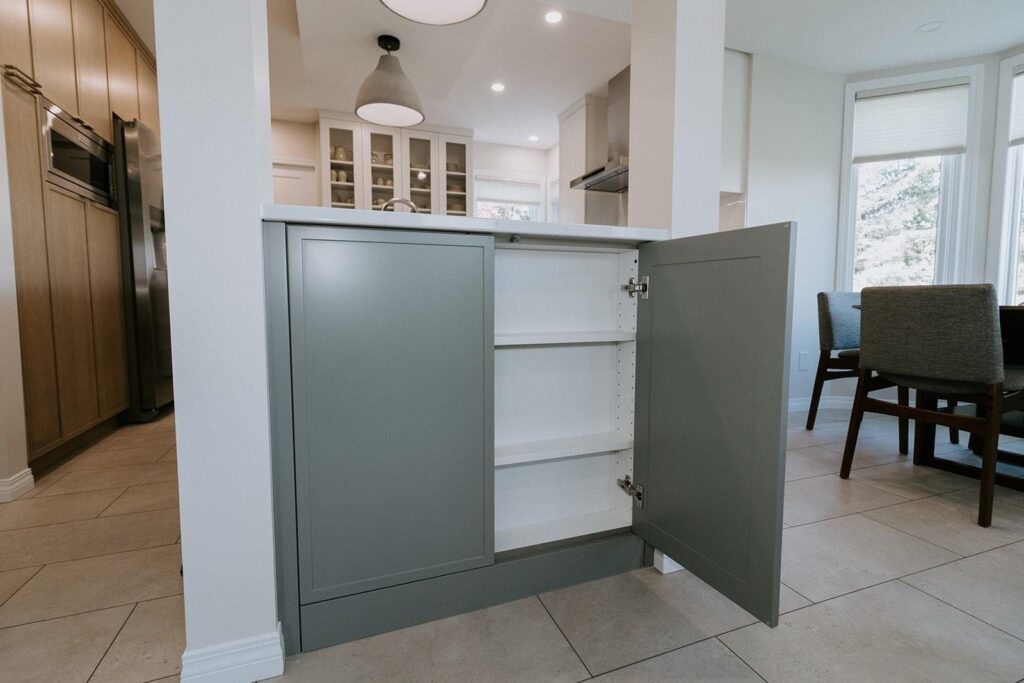
There are several benefits to choosing frameless kitchen cabinets for your renovation:- Space efficiency: Frameless cabinets provide more usable space inside, as there is no face frame to take up room. This is especially beneficial in smaller kitchens where every inch counts.
- Modern look: Frameless cabinets have a sleek, contemporary appearance that complements any kitchen style.
- Easy access: The lack of face frame allows for easier access to the shelves, making it simpler to store and retrieve kitchen tools and appliances.
- Flexibility: Frameless cabinets can be used in various kitchen styles, from modern to traditional, and everything in between.
Cons of Frameless Kitchen Cabinets
- More expensive: Frameless cabinets can be pricier than their framed counterparts, especially if you opt for high-end materials.
- Difficult installation: Frameless cabinets require more advanced carpentry skills for installation, which can increase labor costs.
- Vulnerability: The lack of a face frame can make frameless cabinets more prone to damage and sagging over time.
Design and Installation Considerations
When designing and installing frameless cabinets, there are several factors to keep in mind:- Space constraints: Frameless cabinets require more vertical clearance to install, so be sure to measure your walls and kitchen space accurately.
- Material selection: Choose materials that complement your kitchen style and budget, such as solid wood, MDF, or laminate.
- Customization: Frameless cabinets can be customized to fit your unique needs, but this can increase the cost and complexity of the project.