Ergonomic Posture Corrections for Back Pain
Are you tired of living with back pain? Do you want to improve your posture and reduce the risk of back pain? Incorporating ergonomic posture corrections into your daily routine is a simple yet effective way to achieve a pain-free back.
Understanding Back Pain
Back pain is a common complaint that affects millions of people worldwide. It can range from a mild ache to a sharp, shooting pain that radiates down the legs. Bending, twisting, lifting, standing, or walking can make the pain worse. While back pain can be caused by various factors, poor posture is a major contributor.
The Importance of Posture
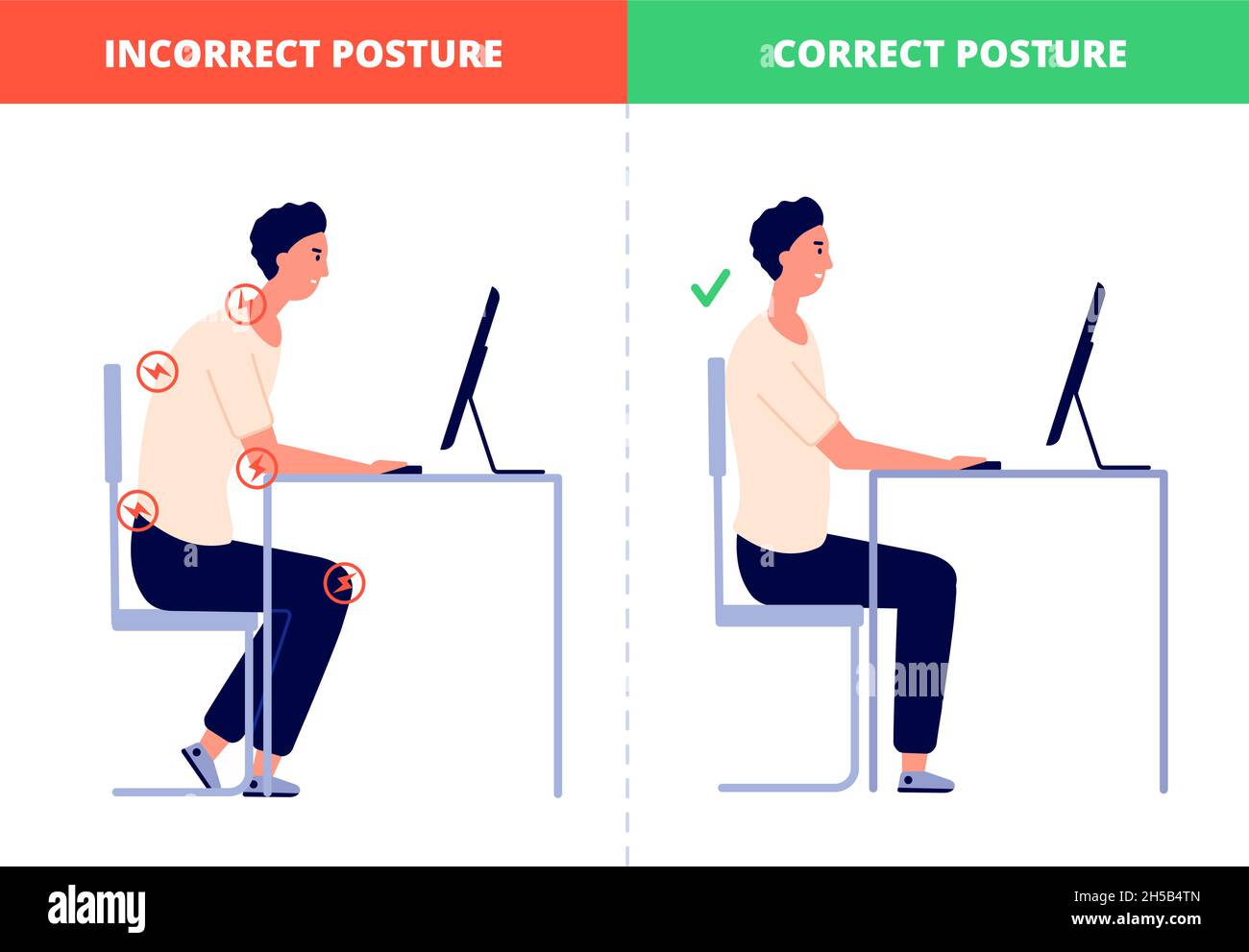
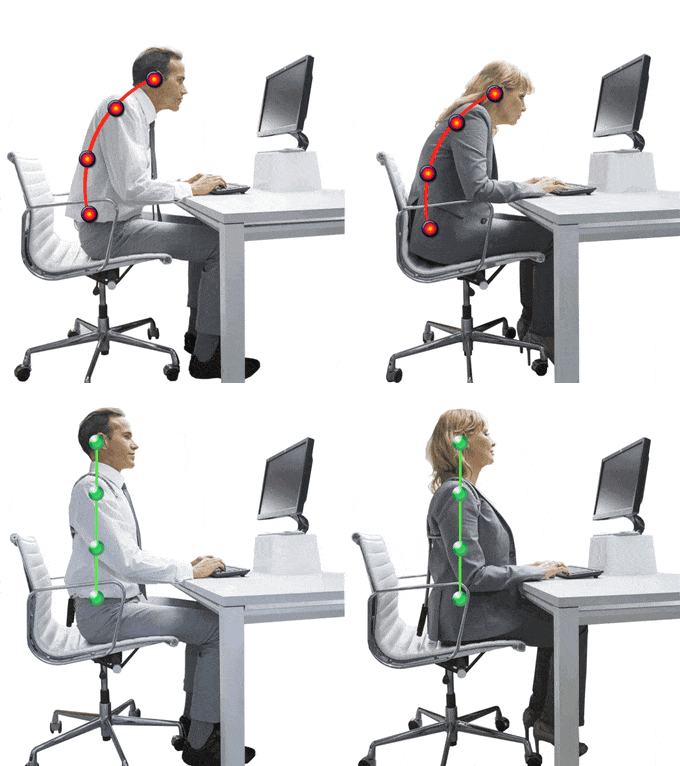
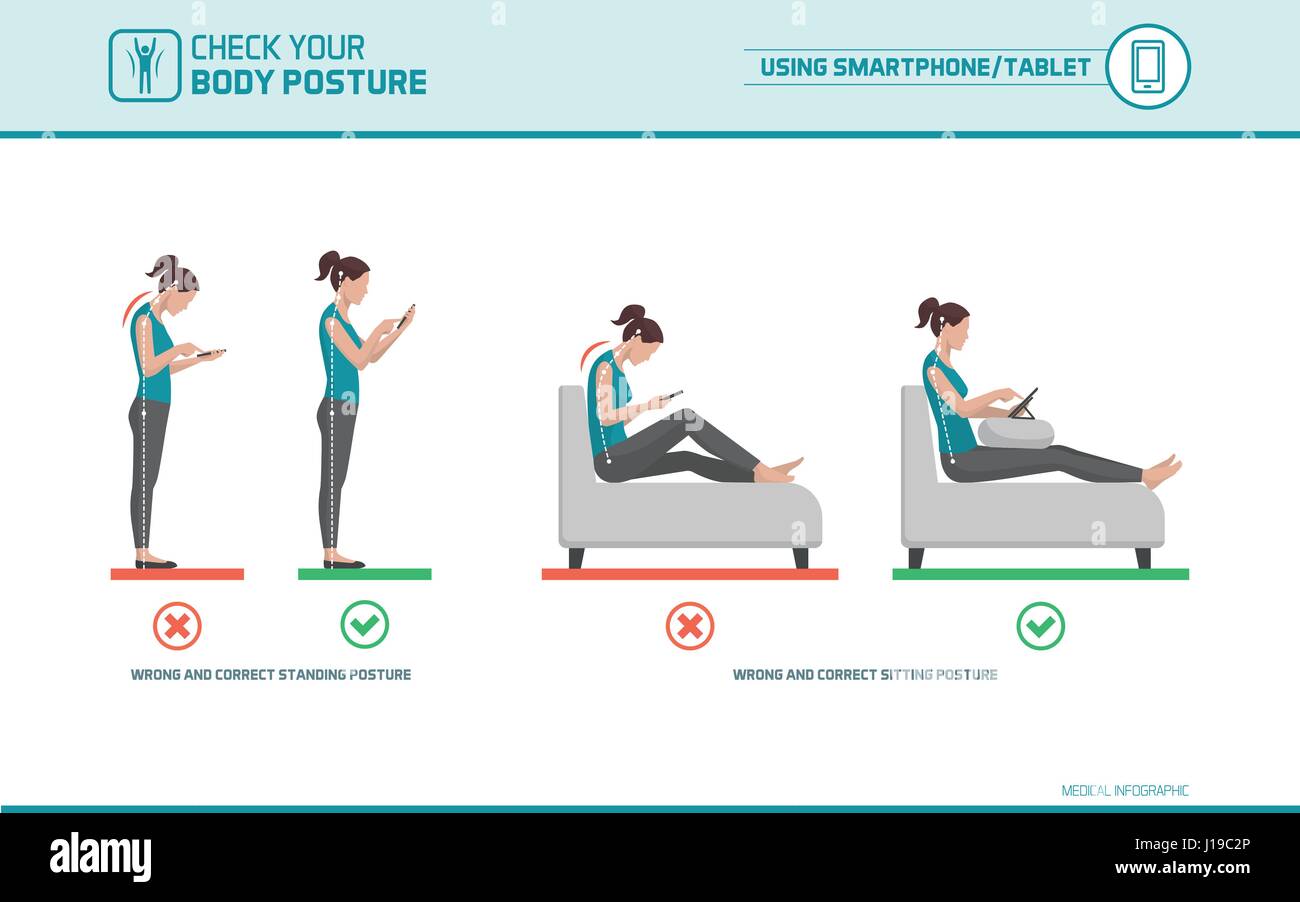
Posture is the way we hold our body, including the position of our head, neck, shoulders, back, hips, and legs. Good posture means maintaining a straight spine, with our ears, shoulders, hips, and ankles in alignment. Poor posture, on the other hand, can put unnecessary strain on our muscles, leading to back pain and other musculoskeletal issues.
Ergonomic Posture Corrections
Ergonomic posture corrections involve making adjustments to our daily habits and environment to promote good posture. Here are some simple yet effective tips to get you started:
- Monitor your posture throughout the day, taking breaks to stretch and move around.
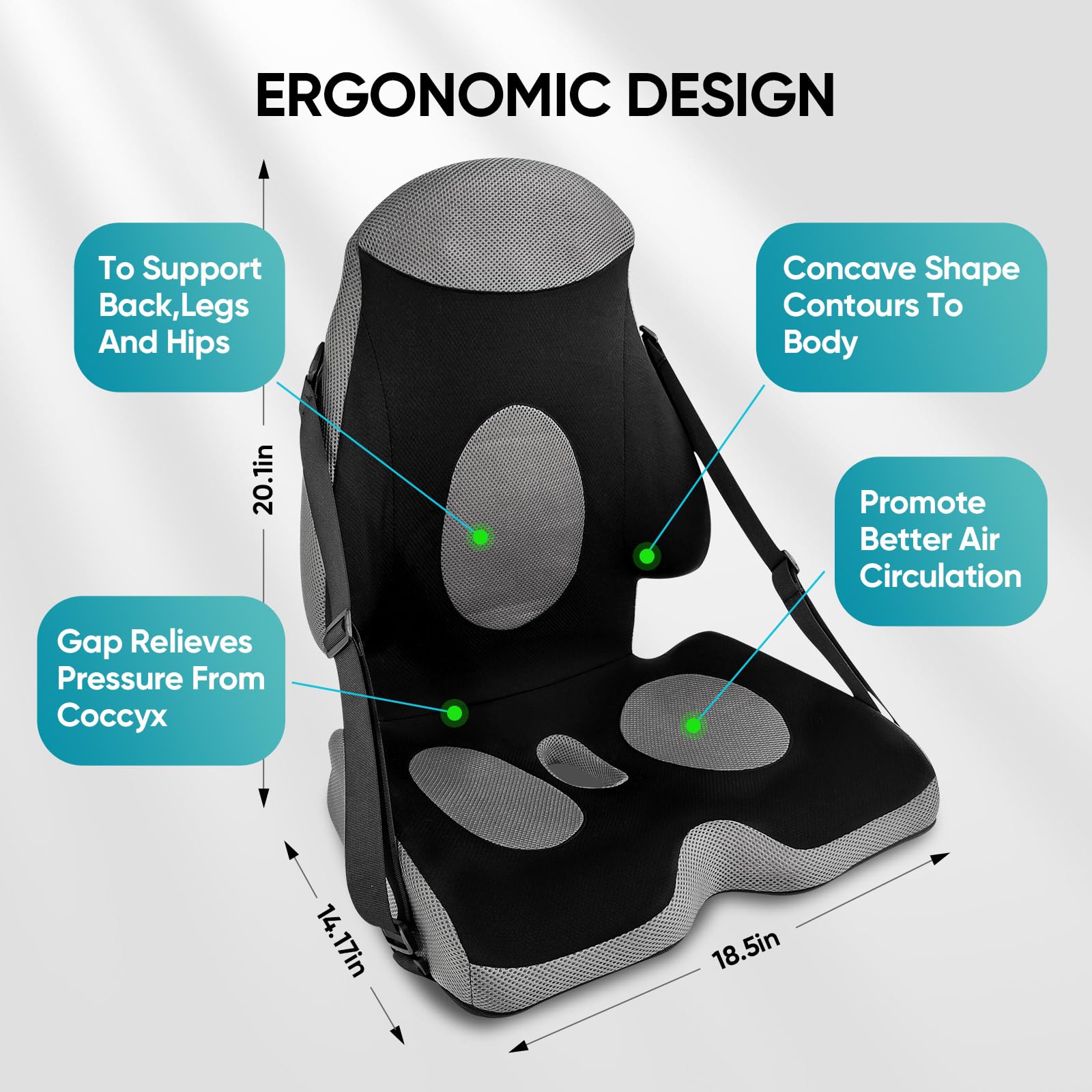
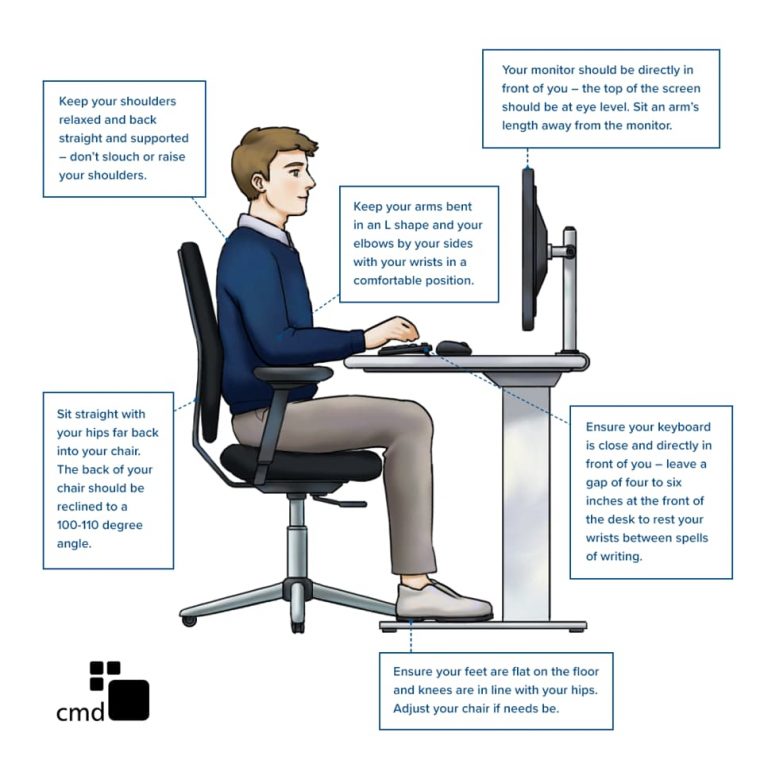
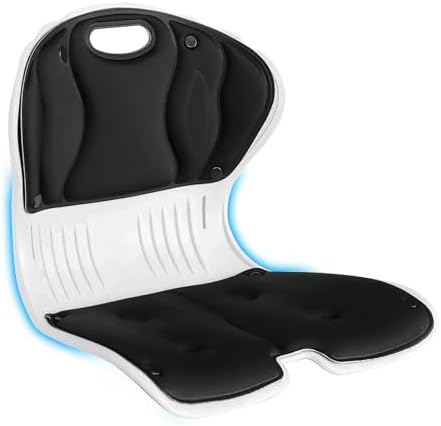
- Use an ergonomic chair or sit in a chair with good lumbar support.
- Adjust your computer monitor to the correct height and distance to avoid straining your neck and eyes.
- Use a standing desk or take regular breaks to stand and move around.
- Strengthen your core muscles through exercises like planks and bridges.
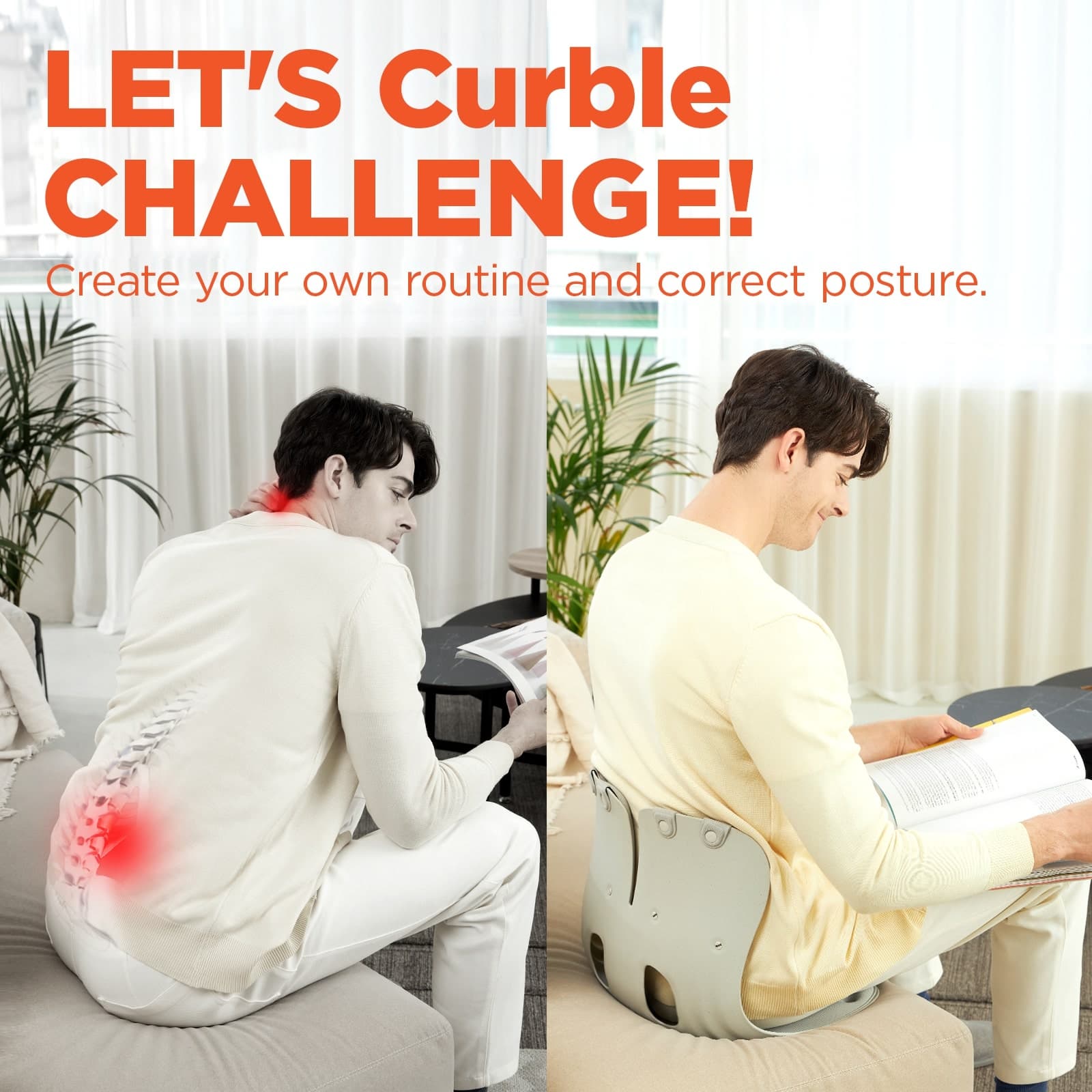
- Avoid slouching or leaning forward, which can put unnecessary strain on your back.
- Take regular breaks to stretch and move around, especially if you have a job that involves sitting or standing for long periods.
Exercises for Better Posture

Exercises can help strengthen your back muscles and improve your posture. Here are some simple exercises to try:
- Shoulder Rolls: Roll your shoulders forward and backward to loosen up your shoulder muscles.
- Neck Stretch: Slowly tilt your head to the side, bringing your ear towards your shoulder, and then back to the starting position.
- Chest Stretch: Place your hands behind you on a wall or door frame and lean forward, stretching your chest and shoulders.
- Bridge: Lie on your back with your knees bent and feet flat on the floor, then lift your hips off the ground, squeezing your glutes and lower back muscles.
- Plank: Start in a push-up position with your hands shoulder-width apart and hold for 30-60 seconds, engaging your core muscles.
Conclusion
Incorporating ergonomic posture corrections into your daily routine can make a significant difference in reducing back pain and improving your overall posture. By making simple adjustments to your habits and environment, you can strengthen your back muscles and reduce the risk of back pain. Remember to take regular breaks to stretch and move around, and try exercises like those mentioned above to improve your posture and reduce back pain.
Additional Tips
Here are some additional tips to help you maintain good posture and reduce back pain:
- Avoid heavy lifting or bending, which can put unnecessary strain on your back.
- Take regular breaks to stand and move around, especially if you have a job that involves sitting or standing for long periods.
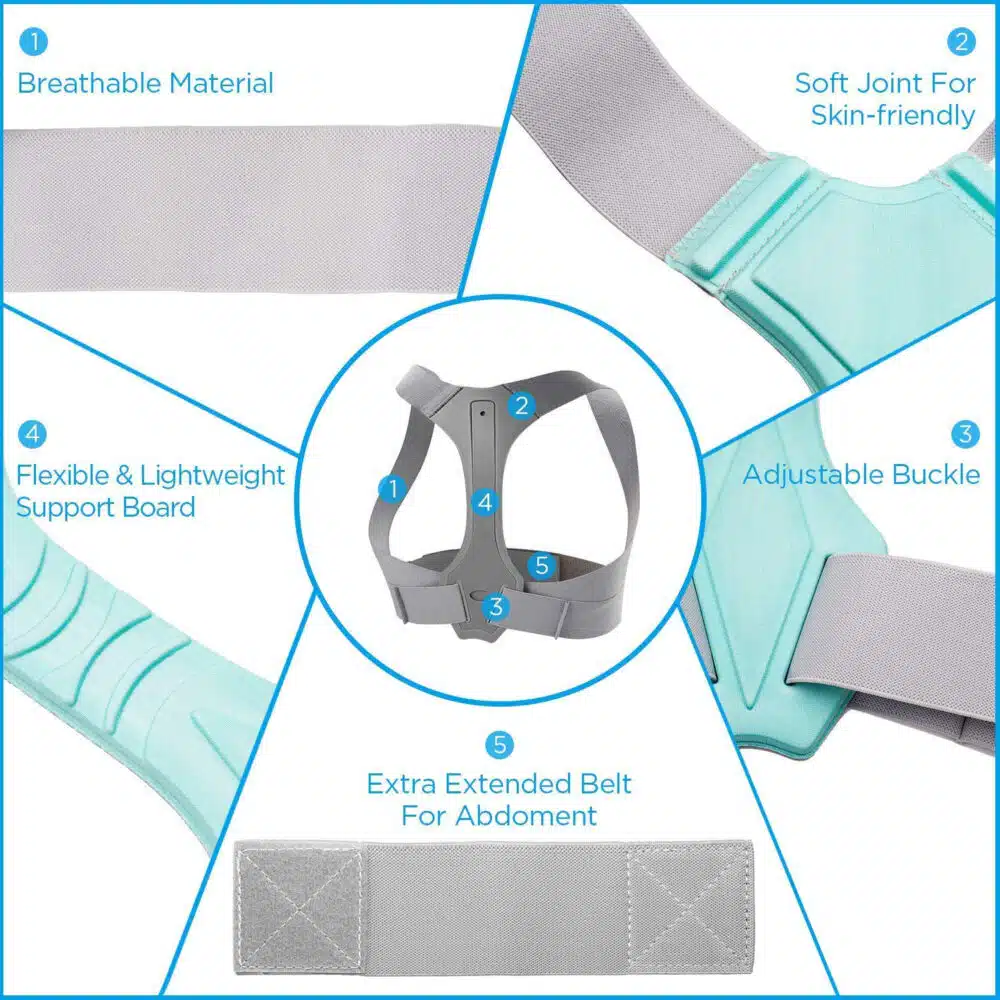
- Use a back support or lumbar roll to maintain good posture while sitting.
- Avoid crossing your legs or ankles, which can put unnecessary strain on your back.
- Take care of your overall health and fitness, including regular exercise and a balanced diet.
Get Professional Help
While ergonomic posture corrections can be effective in reducing back pain, sometimes professional help is necessary. If you experience persistent back pain or discomfort, consult with a healthcare professional or a physical therapist who can provide personalized guidance and treatment.