GLP-1 Agonists for Type 2 Diabetes: A Game-Changer in Treatment
Understanding GLP-1 Agonists
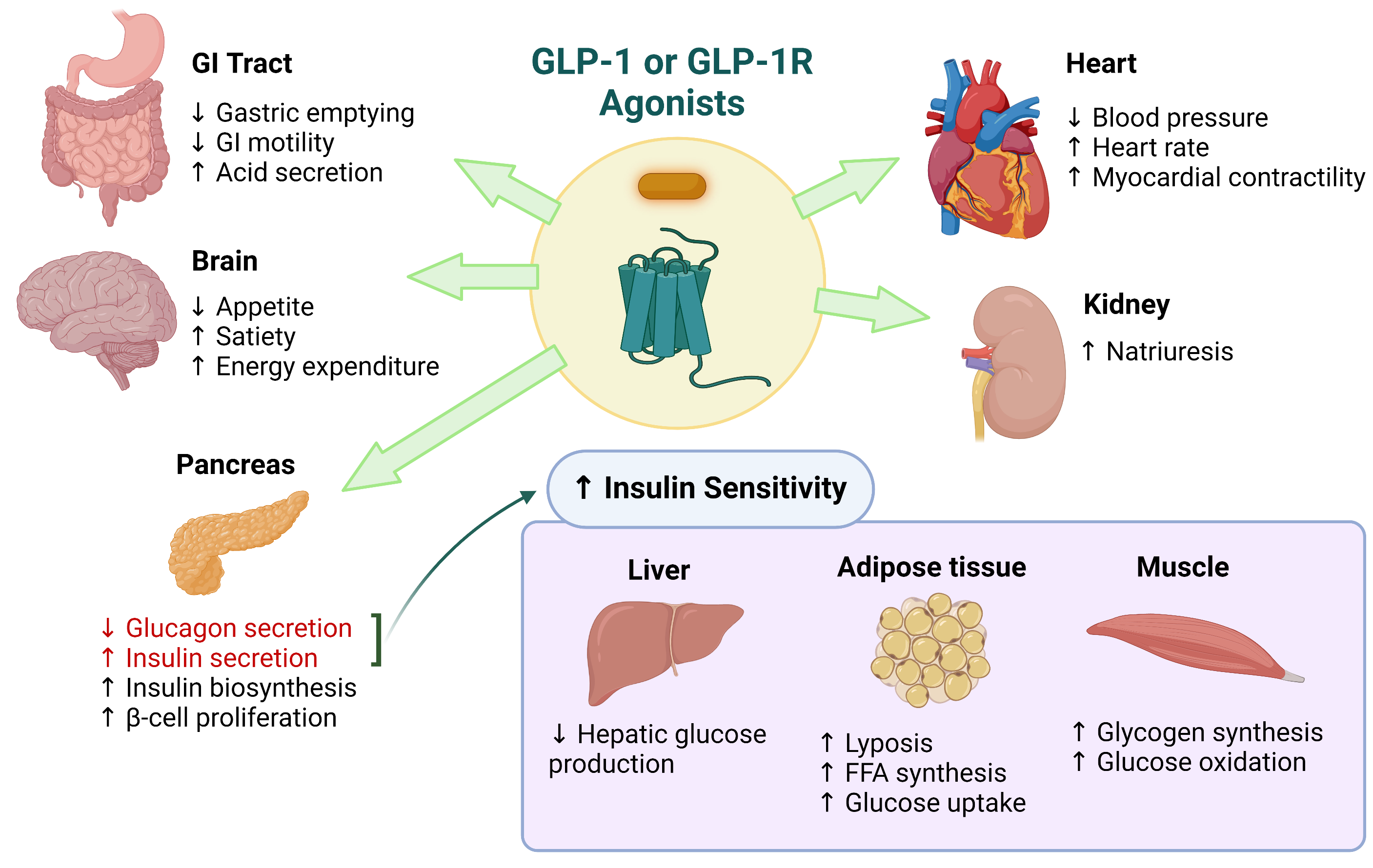
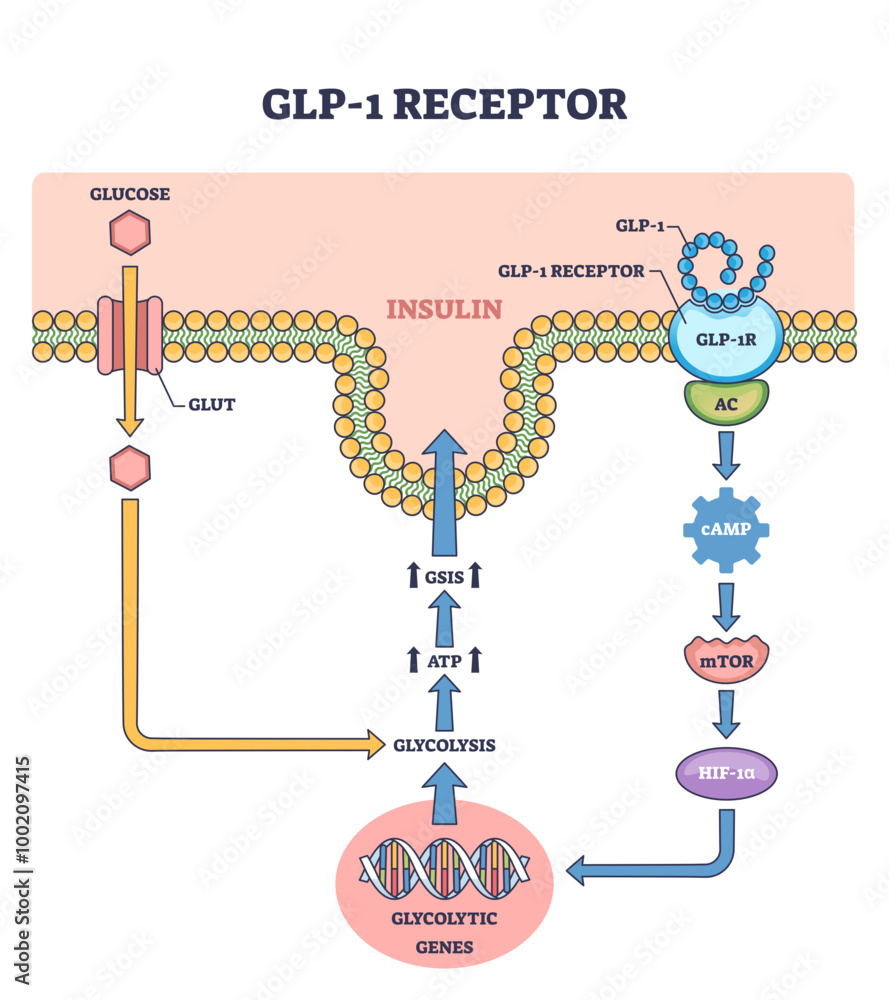
GLP-1 agonists are a class of medications that mimic the actions of the incretin hormone glucagon-like peptide-1 (GLP-1). These medications have revolutionized the treatment of type 2 diabetes, offering benefits beyond just glucose control. GLP-1 agonists work by mimicking the action of the GLP-1 hormone, which helps to increase natural insulin release, decrease the amount of glucose the liver makes, and slow down gastric emptying.Benefits of GLP-1 Agonists for Type 2 Diabetes
GLP-1 agonists have been shown to be highly effective in managing type 2 diabetes. Some of the key benefits of GLP-1 agonists include:- Improved glycemic control: GLP-1 agonists have been shown to reduce HbA1c levels by 1-2 percentage points, making them an excellent option for individuals with type 2 diabetes.
- Weight loss: GLP-1 agonists lead to weight loss, which varies with the individual drug. This benefit is particularly significant for individuals with obesity and type 2 diabetes.
- Cardiovascular benefits: GLP-1 agonists have been shown to reduce the risk of major cardiovascular events in certain populations with type 2 diabetes.
How GLP-1 Agonists Work

Types of GLP-1 Agonists
There are several types of GLP-1 agonists available, each with its own unique profile. Some of the most commonly used GLP-1 agonists include:- Exenatide: Exenatide is a twice-daily injection that has been approved to treat type 2 diabetes since 2005.
- Liraglutide: Liraglutide is a once-daily injection that has been approved to treat type 2 diabetes and obesity.
- Semaglutide: Semaglutide is a once-weekly injection that has been approved to treat type 2 diabetes and obesity.
- Tirzepatide: Tirzepatide is a dual GIP and GLP-1 receptor agonist that has been approved to treat type 2 diabetes and obesity.