GLP-1 Agonists and Carbohydrate Counting for Diabetes: A Comprehensive Guide
For individuals living with type 2 diabetes, managing blood sugar levels and achieving optimal weight is crucial. With the emergence of glucagon-like peptide-1 (GLP-1) agonists as a groundbreaking treatment for weight management, understanding the role of carbohydrate counting in conjunction with GLP-1 medications has become increasingly important. In this article, we will delve into the world of GLP-1 agonists and carbohydrate counting, exploring their combined impact on diabetes management and weight loss.
What are GLP-1 Agonists?
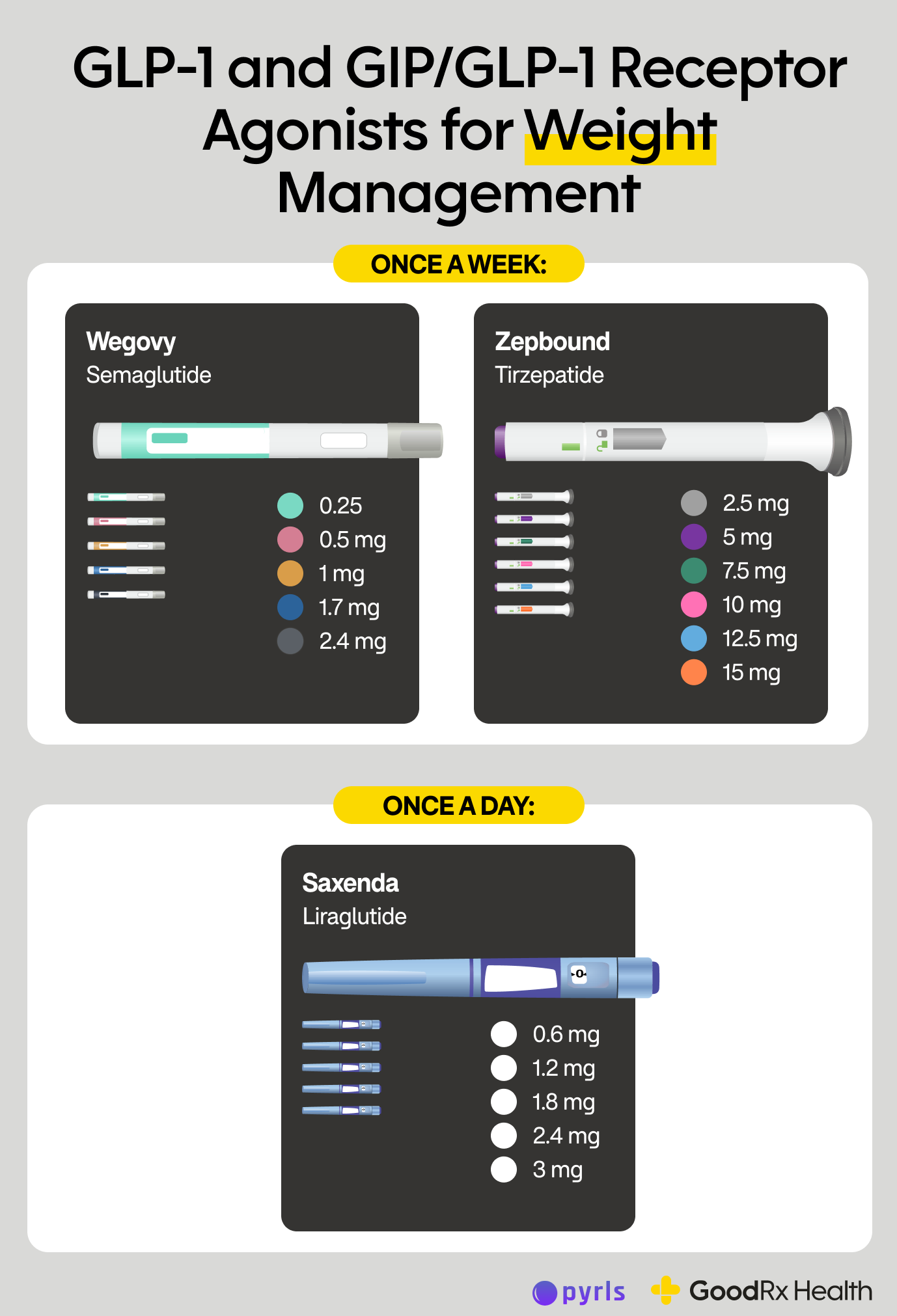
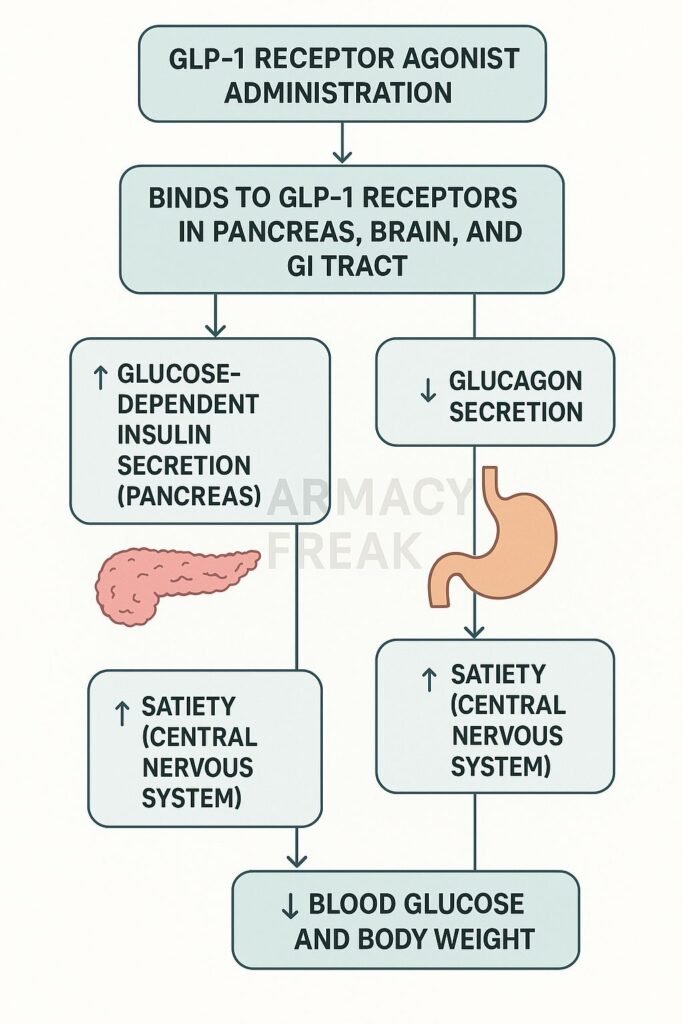
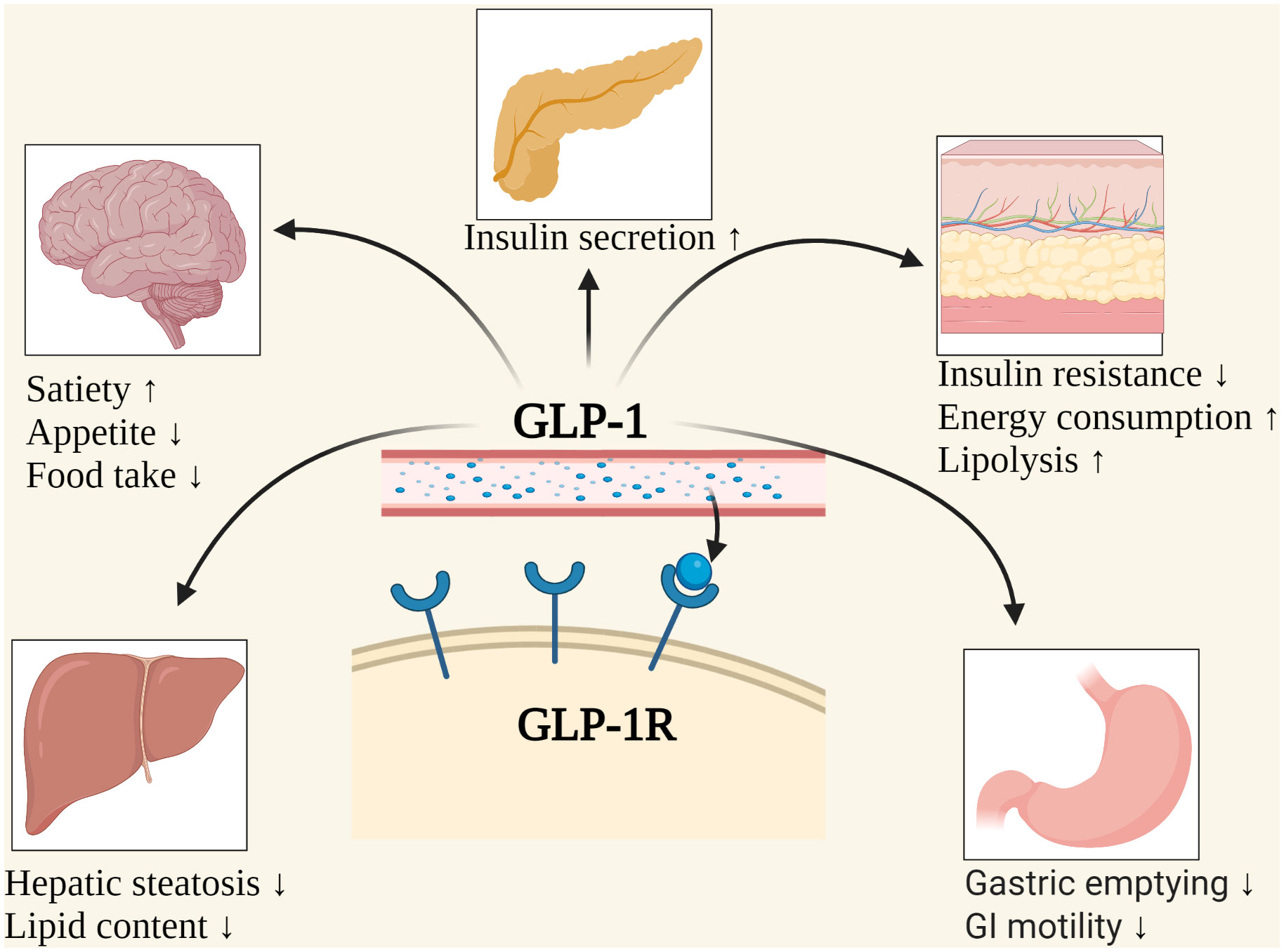
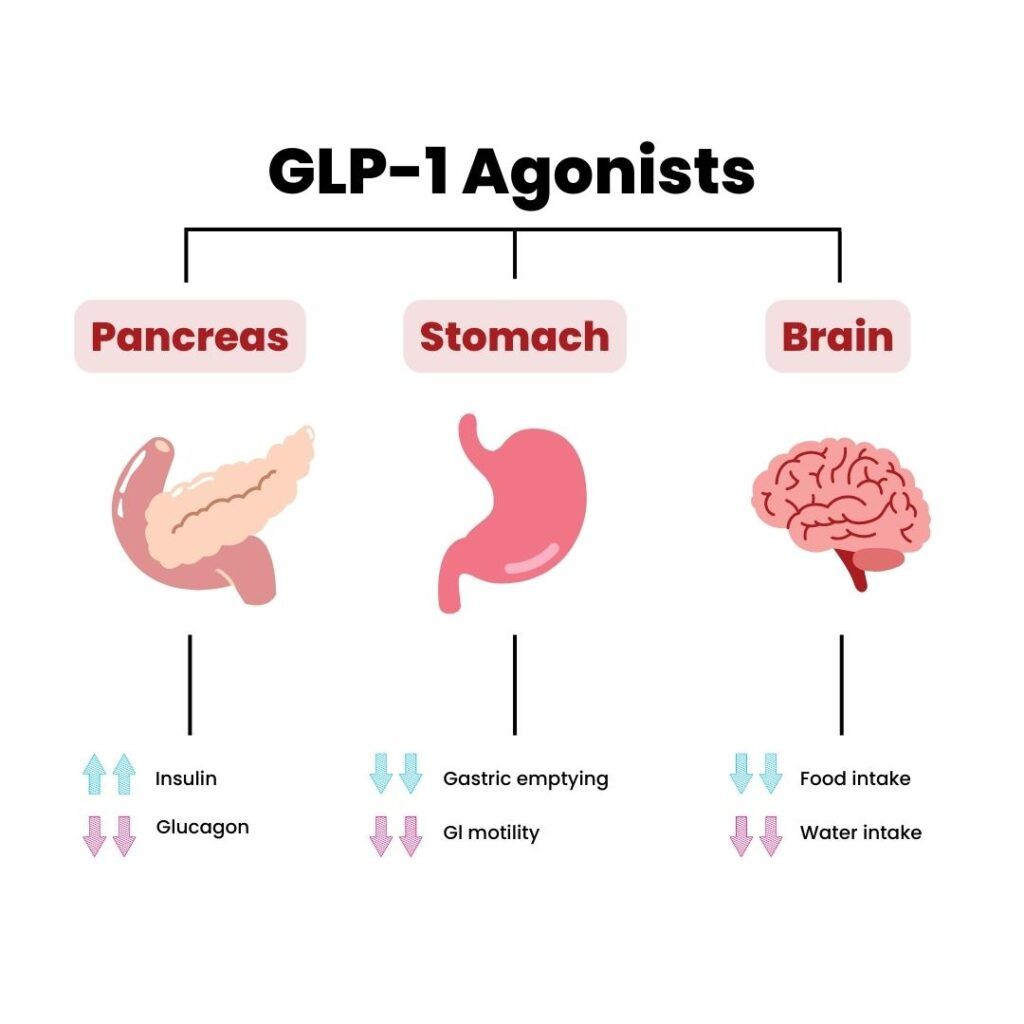
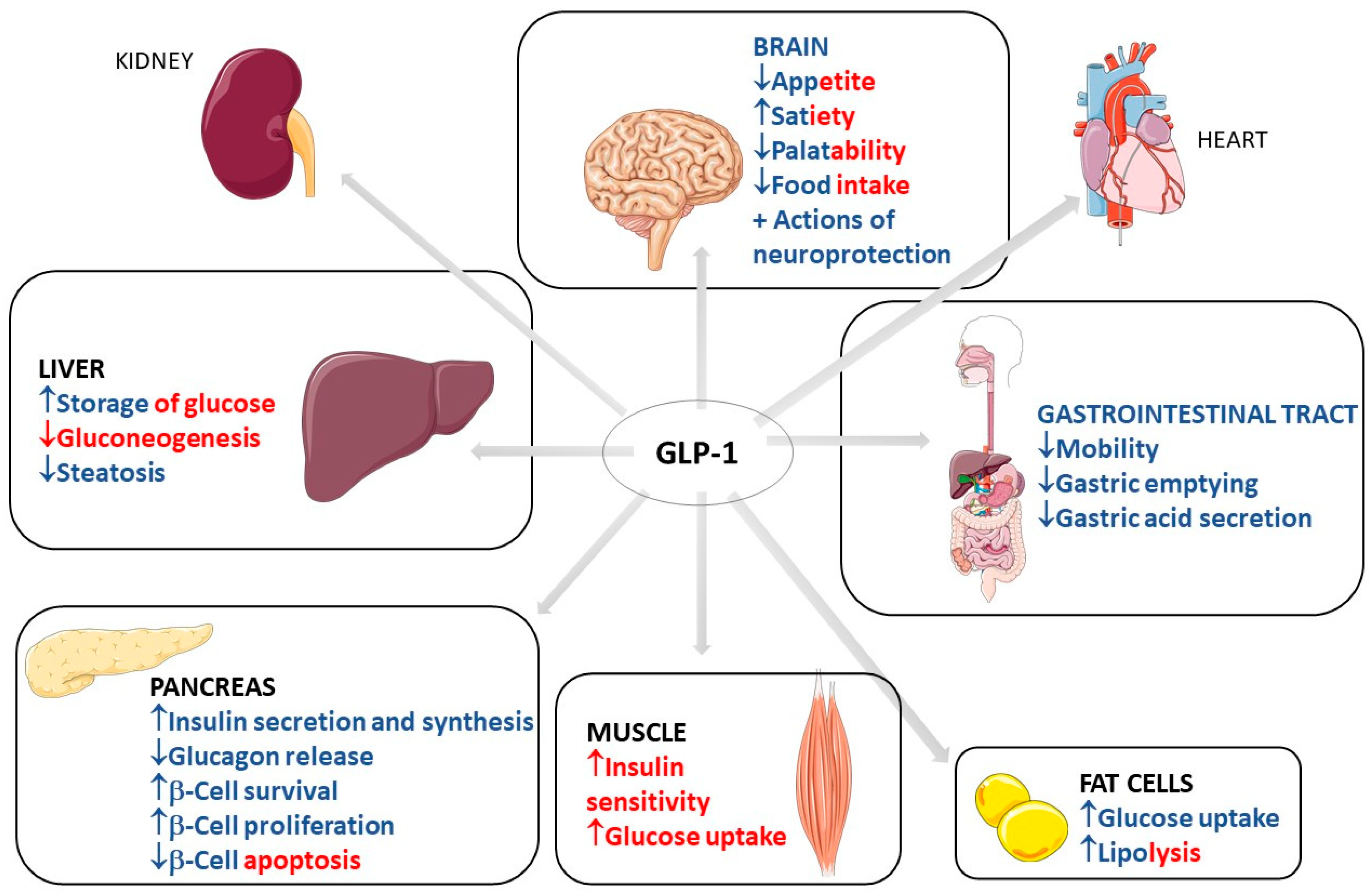
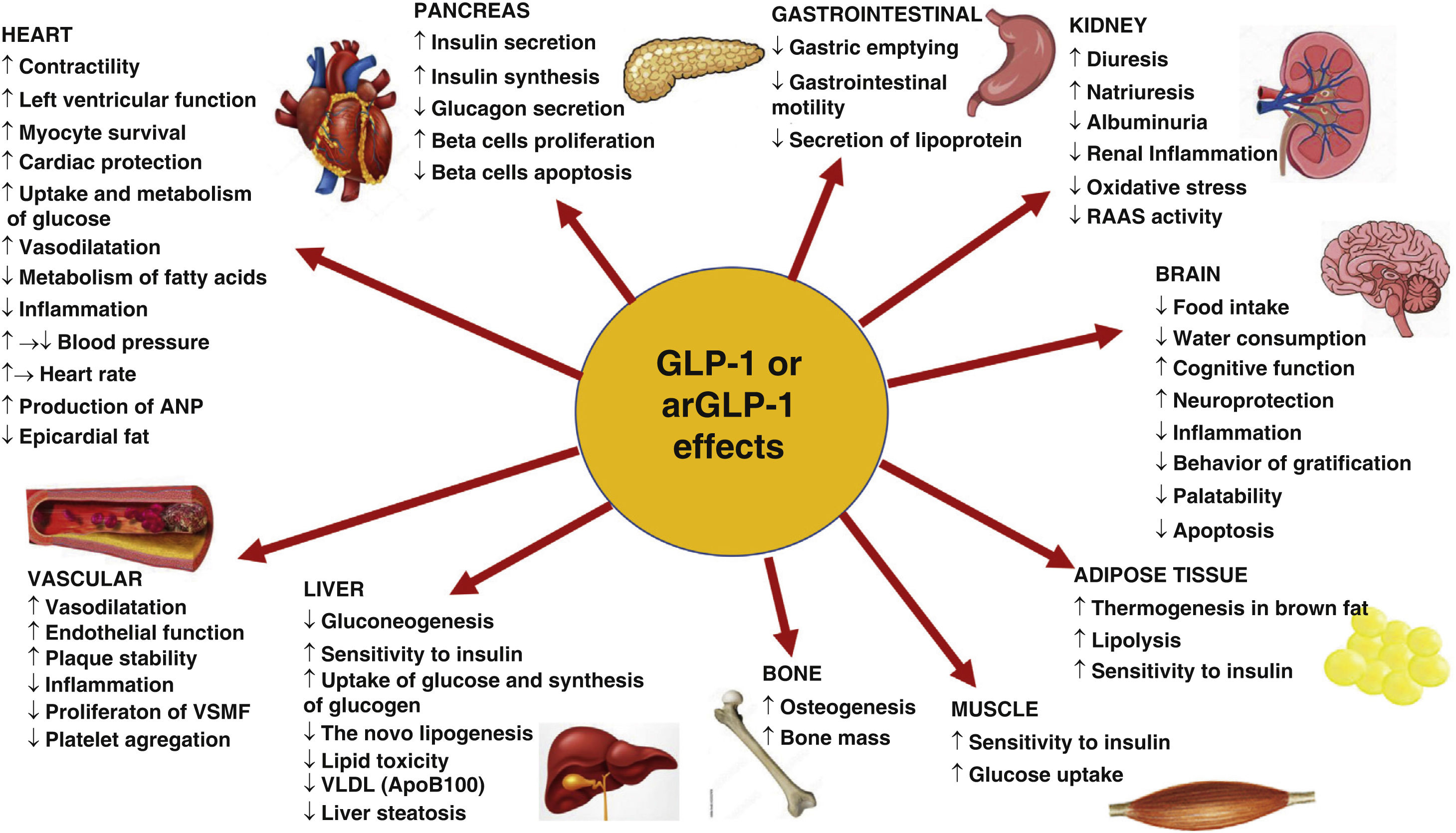
GLP-1 agonists, also known as GLP-1 receptor agonists, are medications that mimic the action of the natural hormone glucagon-like peptide-1. This hormone plays a crucial role in regulating blood sugar levels, appetite, and digestion. GLP-1 agonists, such as semaglutide (Ozempic, Wegovy) and tirzepatide (Zepbound), have been shown to improve glycemic control, reduce body weight, and lower the risk of cardiovascular events in patients with type 2 diabetes.
Carbohydrate Counting for Diabetes
Carbohydrate counting is an essential component of diabetes management, as it helps individuals with diabetes to understand how different foods affect their blood sugar levels. By tracking the carbohydrate content of their diet, individuals can make informed decisions about food choices and insulin dosing. Carbohydrate counting involves measuring the amount of carbohydrates in food and drink, usually expressed in grams or servings, and matching it to the individual's insulin dose or medication regimen.
The Combination of GLP-1 Agonists and Carbohydrate Counting
The combination of GLP-1 agonists and carbohydrate counting has been shown to be highly effective in managing diabetes and achieving weight loss. By using a GLP-1 agonist, individuals can improve their insulin sensitivity and reduce their hunger, leading to weight loss. At the same time, carbohydrate counting helps individuals to make informed decisions about their diet, ensuring that they are getting the right balance of carbohydrates, protein, and fat to support their overall health.
Benefits of GLP-1 Agonists and Carbohydrate Counting
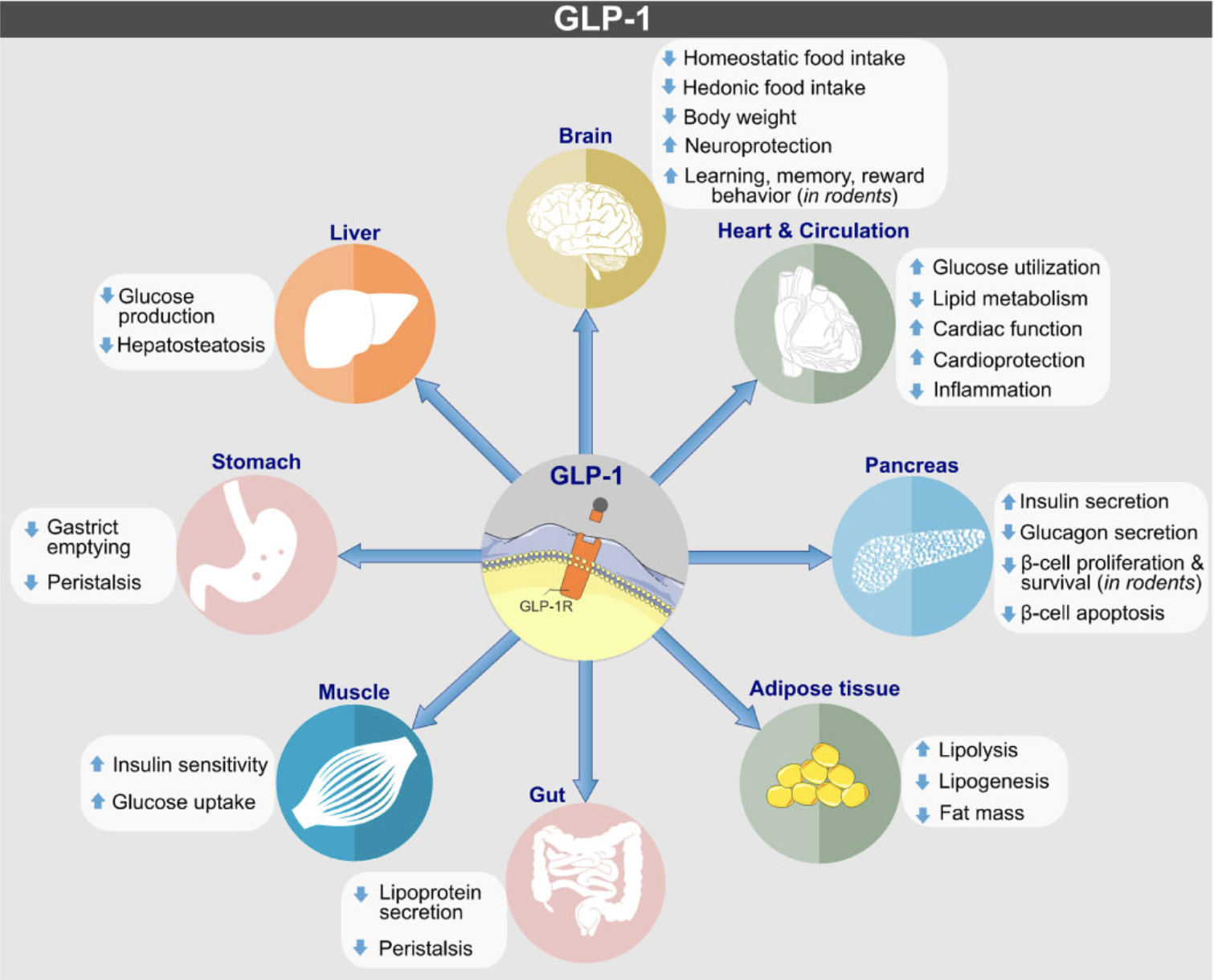
- Improved glycemic control: GLP-1 agonists and carbohydrate counting can help individuals with diabetes to achieve better blood sugar control and reduce the risk of complications.
- Weight loss: The combination of GLP-1 agonists and carbohydrate counting can lead to significant weight loss, reducing the risk of obesity-related health conditions.
- Reduced cardiovascular risk: GLP-1 agonists have been shown to lower the risk of cardiovascular events, including heart attacks and strokes, in patients with type 2 diabetes.
- Improved insulin sensitivity: Carbohydrate counting helps individuals to understand how different foods affect their insulin sensitivity, enabling them to make informed decisions about their diet and medication regimen.
Conclusion
In conclusion, the combination of GLP-1 agonists and carbohydrate counting is a powerful tool for managing diabetes and achieving weight loss. By understanding the role of GLP-1 agonists and carbohydrate counting, individuals with type 2 diabetes can make informed decisions about their diet and medication regimen, leading to improved glycemic control, weight loss, and reduced cardiovascular risk.
Recommendations
Individuals with type 2 diabetes who are considering GLP-1 agonists and carbohydrate counting should consult with their healthcare provider to determine the best course of treatment. Additionally, they should work with a registered dietitian or certified diabetes educator to develop a personalized carbohydrate counting plan.
Future Directions
Further research is needed to fully understand the benefits and limitations of GLP-1 agonists and carbohydrate counting. Ongoing studies will help to clarify the optimal combination of these treatments and their impact on long-term health outcomes.