Reducing Anxiety in Children: Expert Parenting Advice and Behavioral Strategies
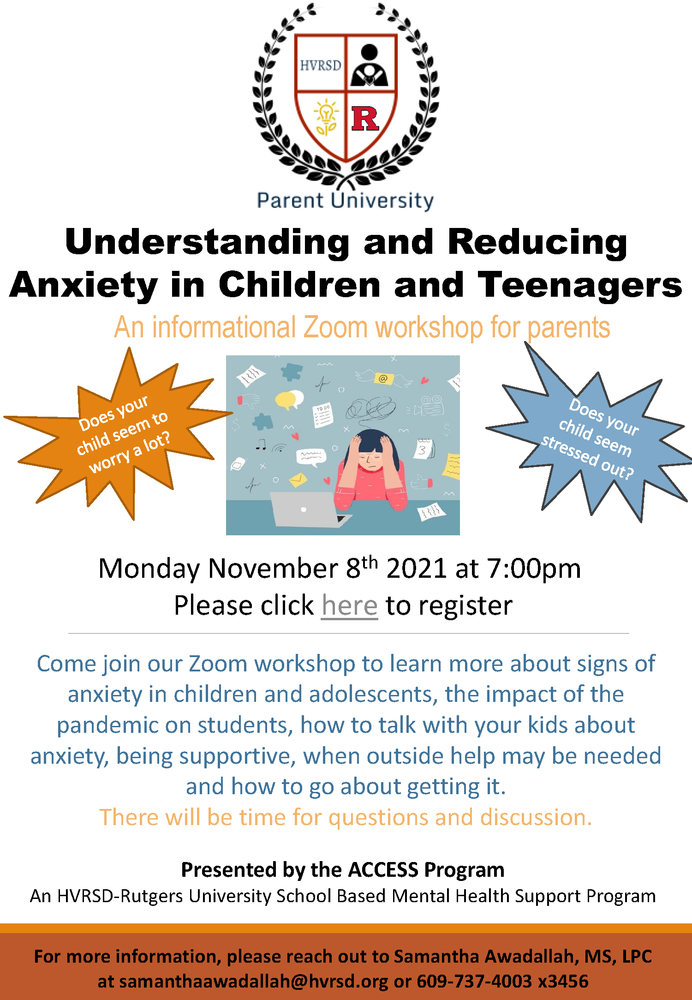
Anxiety is a common challenge faced by many children, affecting their daily lives, relationships, and overall well-being. As a parent, it's essential to understand the signs and symptoms of anxiety in children and learn effective strategies to help them manage and reduce their anxiety levels. In this article, we will delve into the world of reducing anxiety in children, exploring expert parenting advice, behavioral modification techniques, and evidence-based treatments to help your child overcome anxiety.Understanding Anxiety in Children
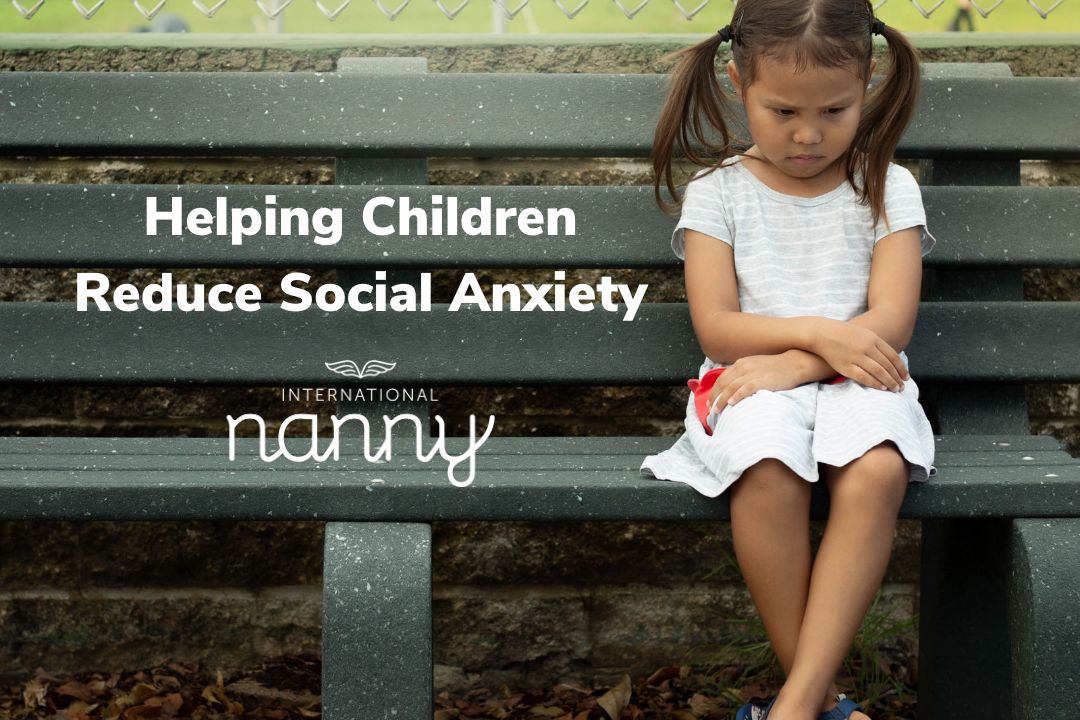
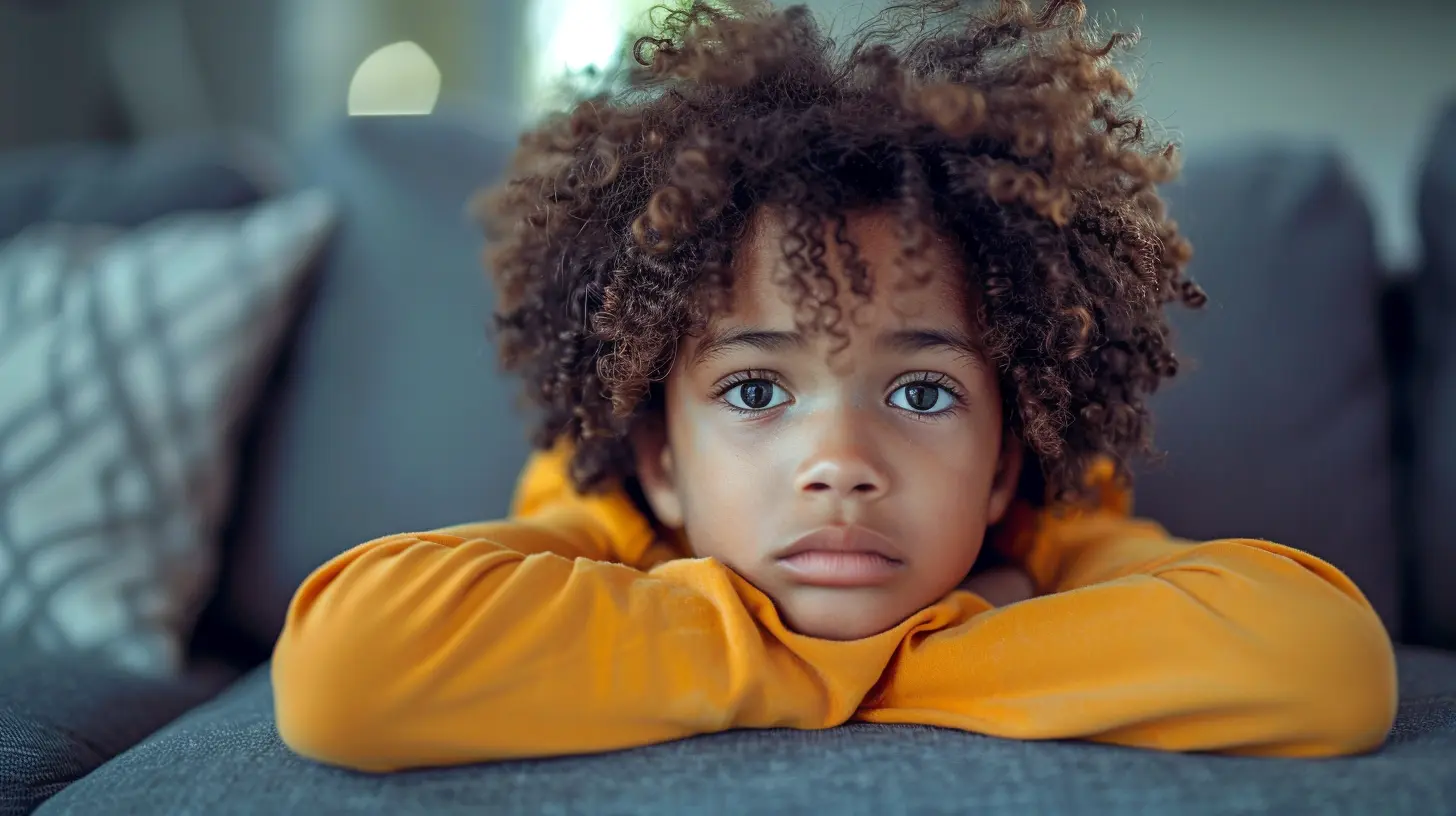
Anxiety disorders in children can manifest differently than in adults. Children may exhibit increased restlessness, irritability, or clinginess, while others may withdraw, exhibit physical symptoms such as headaches or stomachaches, or become easily frustrated. Recognizing these signs and symptoms is crucial in providing the right support and interventions.Strategies for Reducing Anxiety in Children
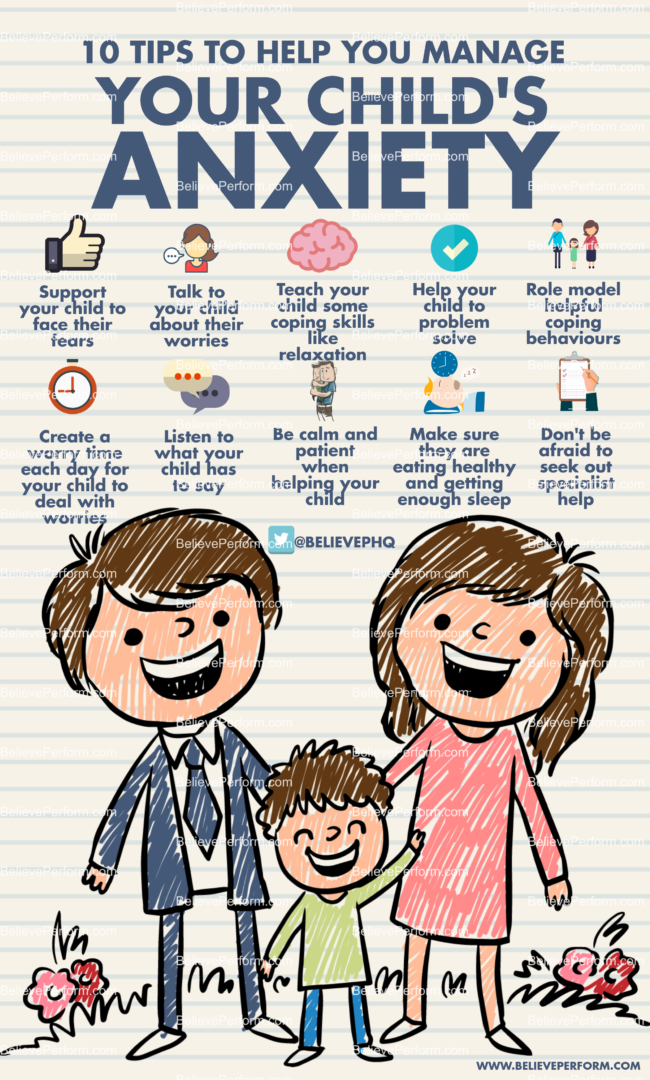
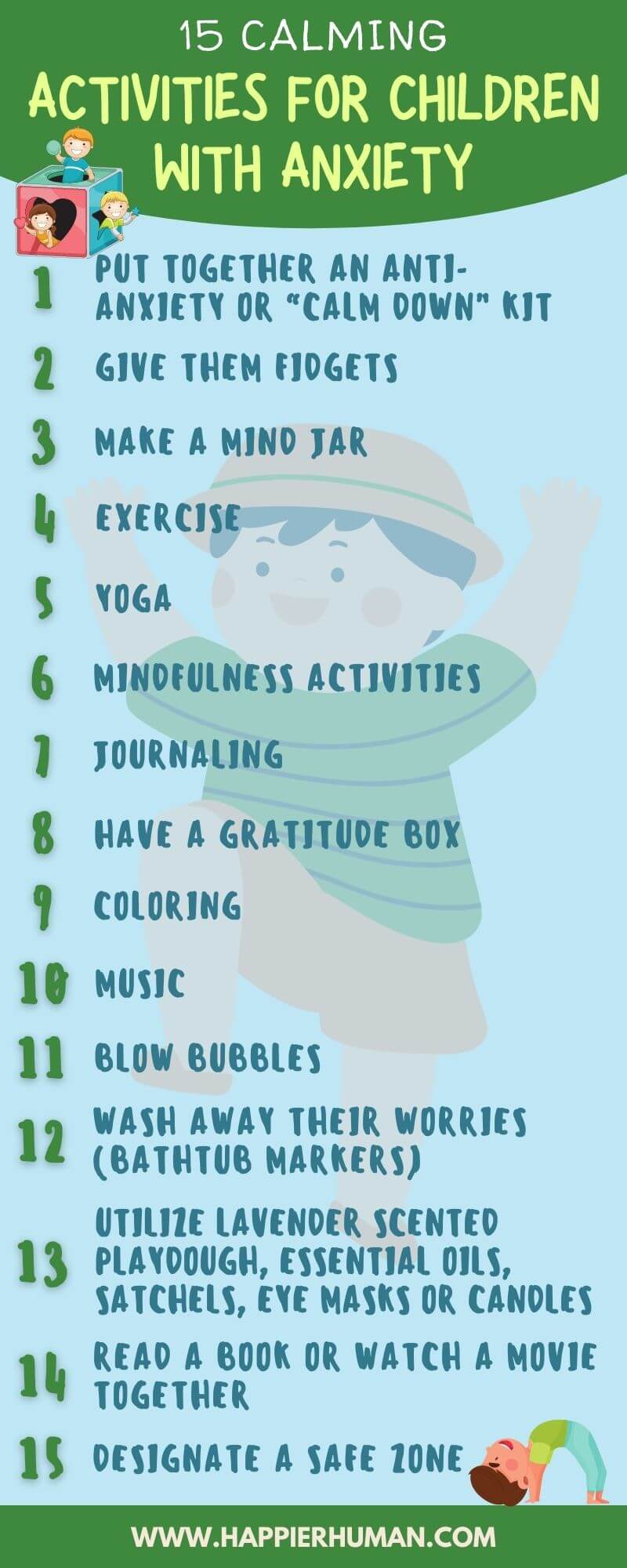
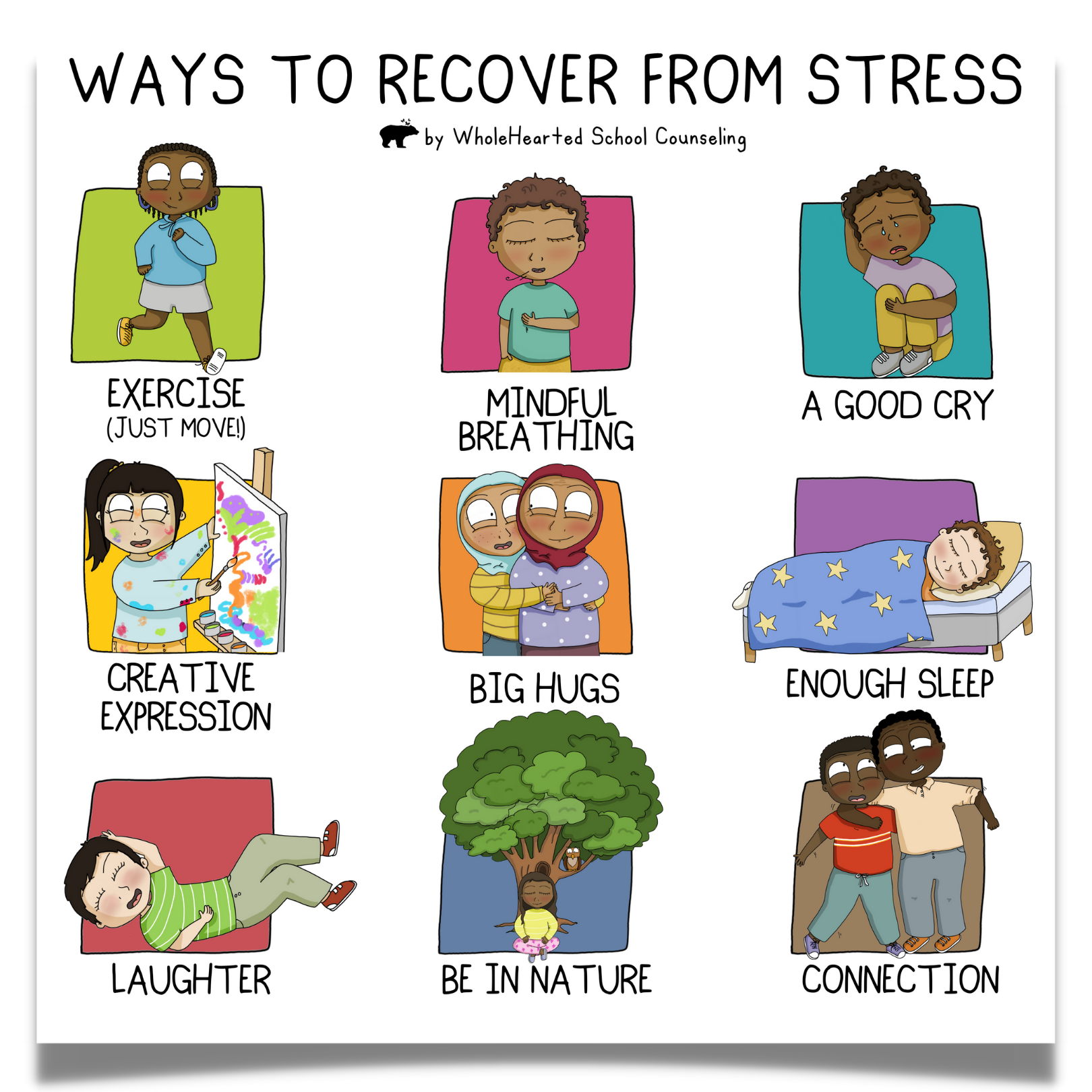
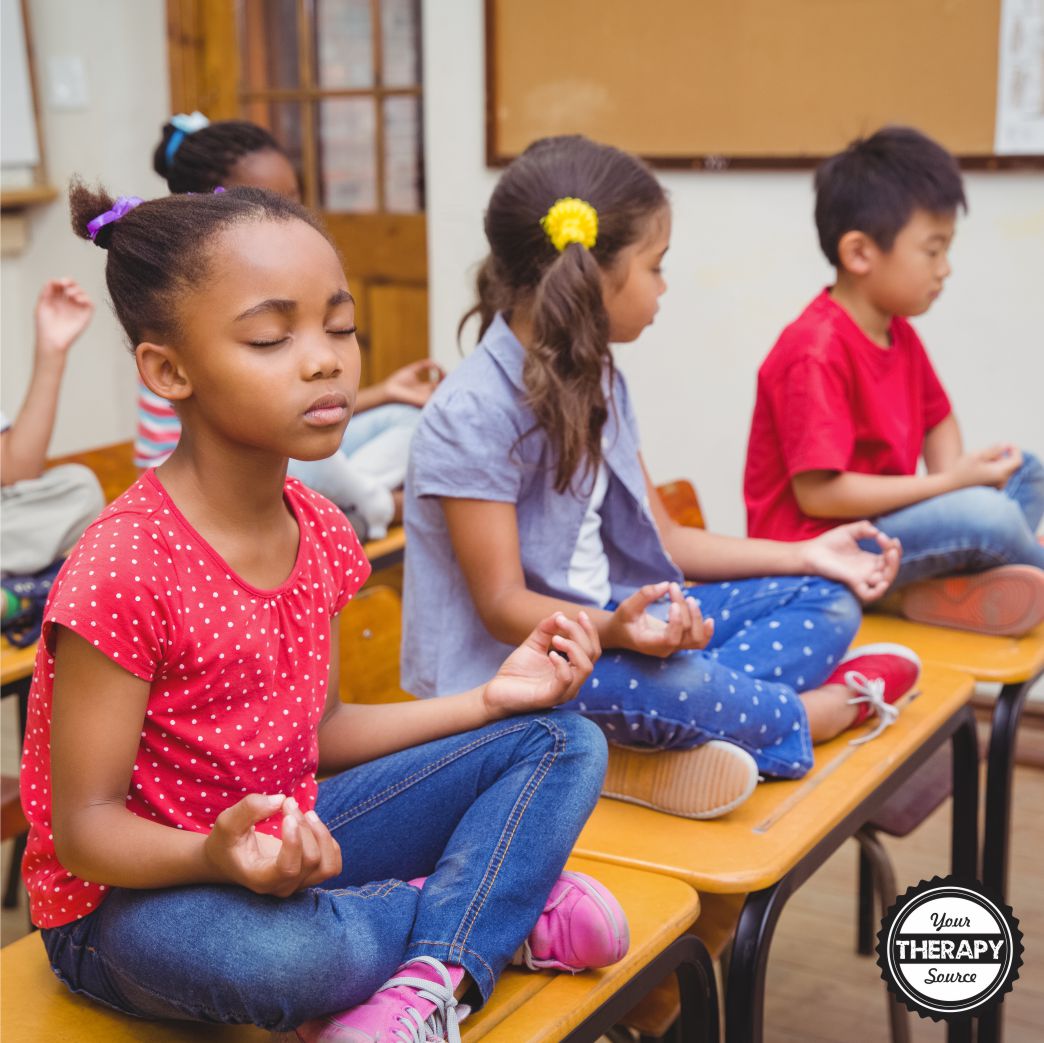
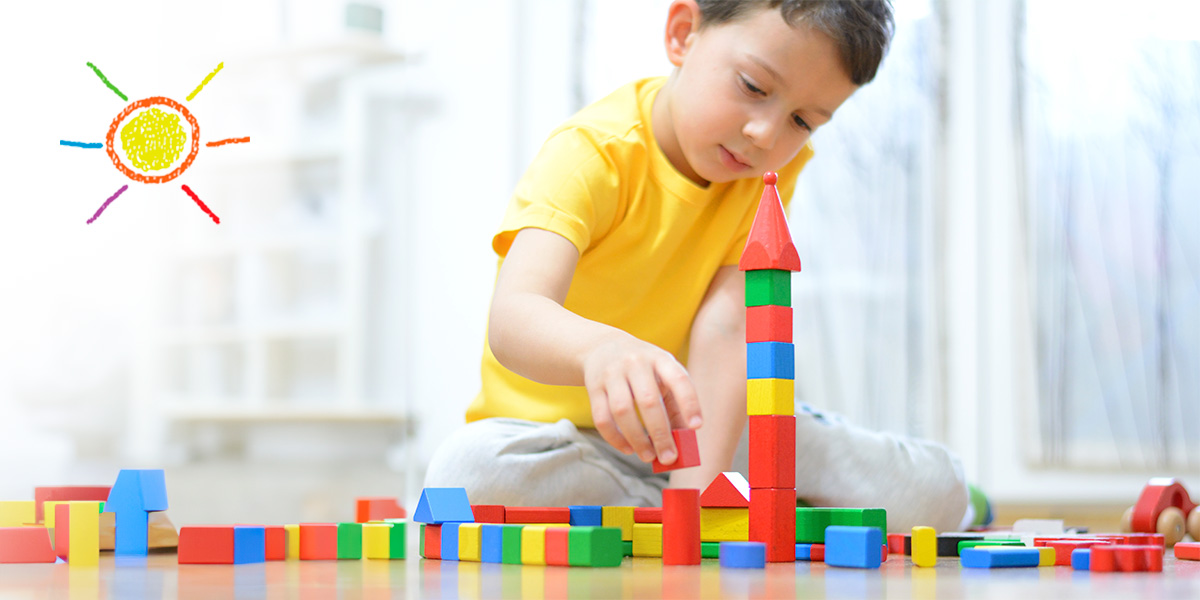
1. **Coping Skills:** Teach your child coping skills to manage stressful situations, such as breathing exercises, self-talk, and problem-solving strategies. These skills can help regulate emotions, build confidence, and improve relationships at home and school. 2. **Play and Enrichment:** Engage your child in play and enrichment activities to reduce anxiety and promote relaxation. This can include art, music, or physical activities tailored to their interests. 3. **Socialization:** Encourage socialization by involving your child in group activities, sports, or clubs. Positive social experiences help build trust, independence, and confidence. 4. **Psychotherapy:** Cognitive Behavioral Therapy (CBT) is a highly effective form of psychotherapy for anxiety disorders in children. CBT involves working with a therapist to identify and change negative thought patterns and behaviors. 5. **Routines and Predictability:** Establish routines and provide predictability in daily life to help your child feel more secure and in control. 6. **Parenting Support:** Seek support from mental health professionals, therapists, or support groups to help you manage your child's anxiety and develop effective parenting strategies.Addressing Specific Anxiety Situations