The Impact of GLP-1 on Autophagy During Fasting
Introduction
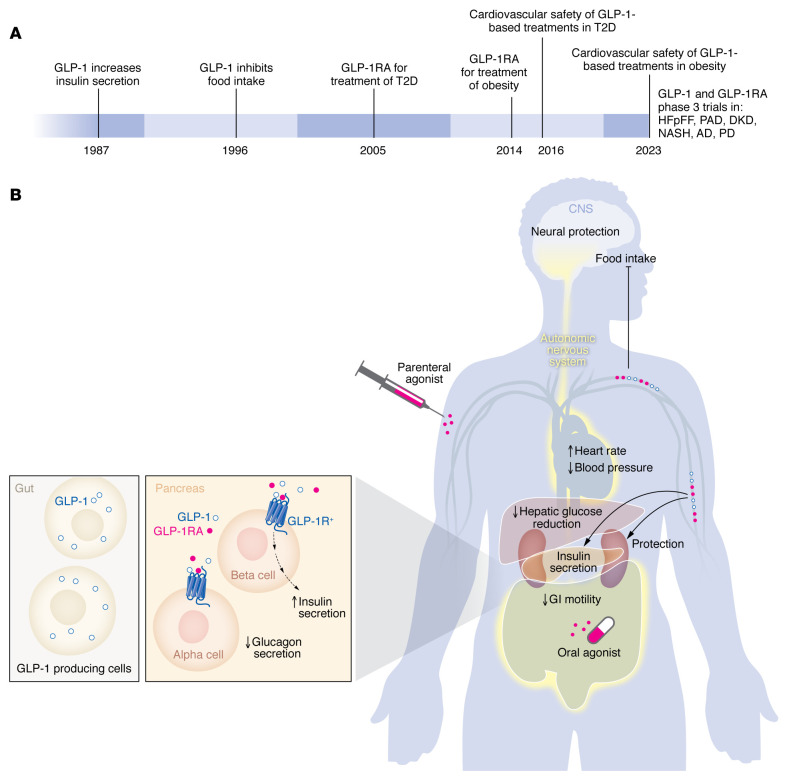
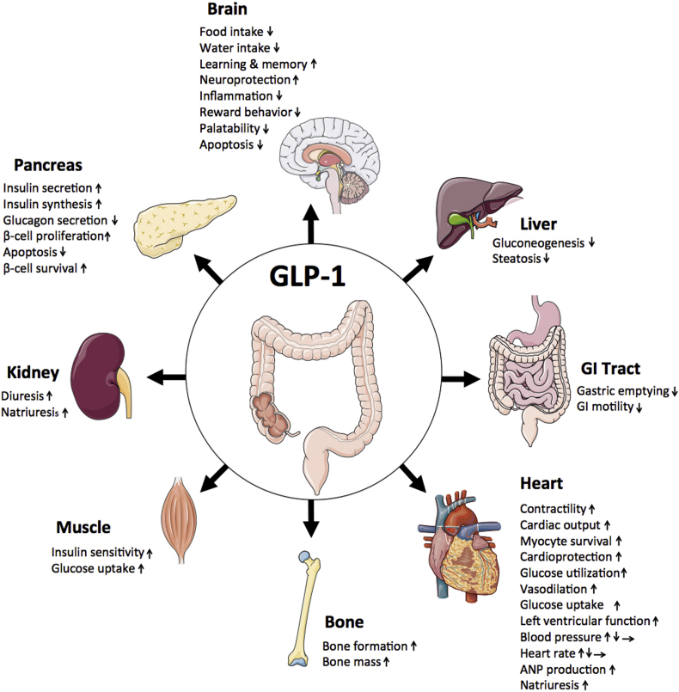
Glucagon-like peptide-1 (GLP-1), a gastrointestinal peptide and central mediator of glucose metabolism, plays a crucial role in regulating blood sugar levels and insulin secretion. When we consume food, GLP-1 is secreted by L cells in the intestine, triggered by nutrient sensing via transporters and G-protein-coupled receptors (GPCRs) (Kim et al., 2022). However, adults with obesity/overweight (OW) or type 2 diabetes mellitus (T2DM) often have altered GLP-1 secretion patterns, which can impact glucose homeostasis (Liebenguth et al., 2018).The Relationship Between GLP-1 and Autophagy
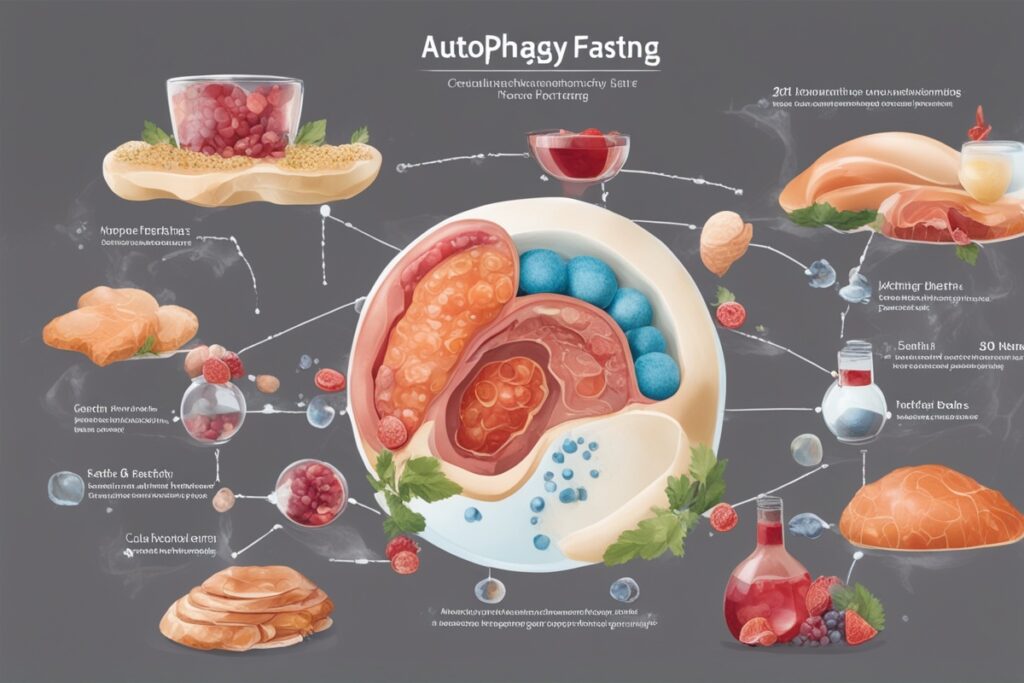
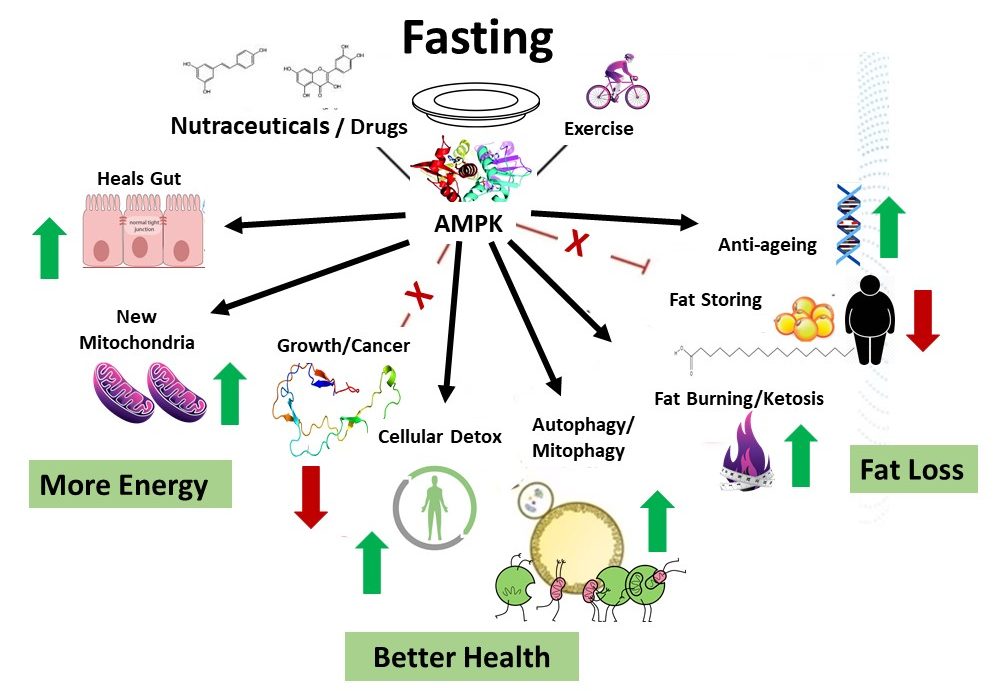
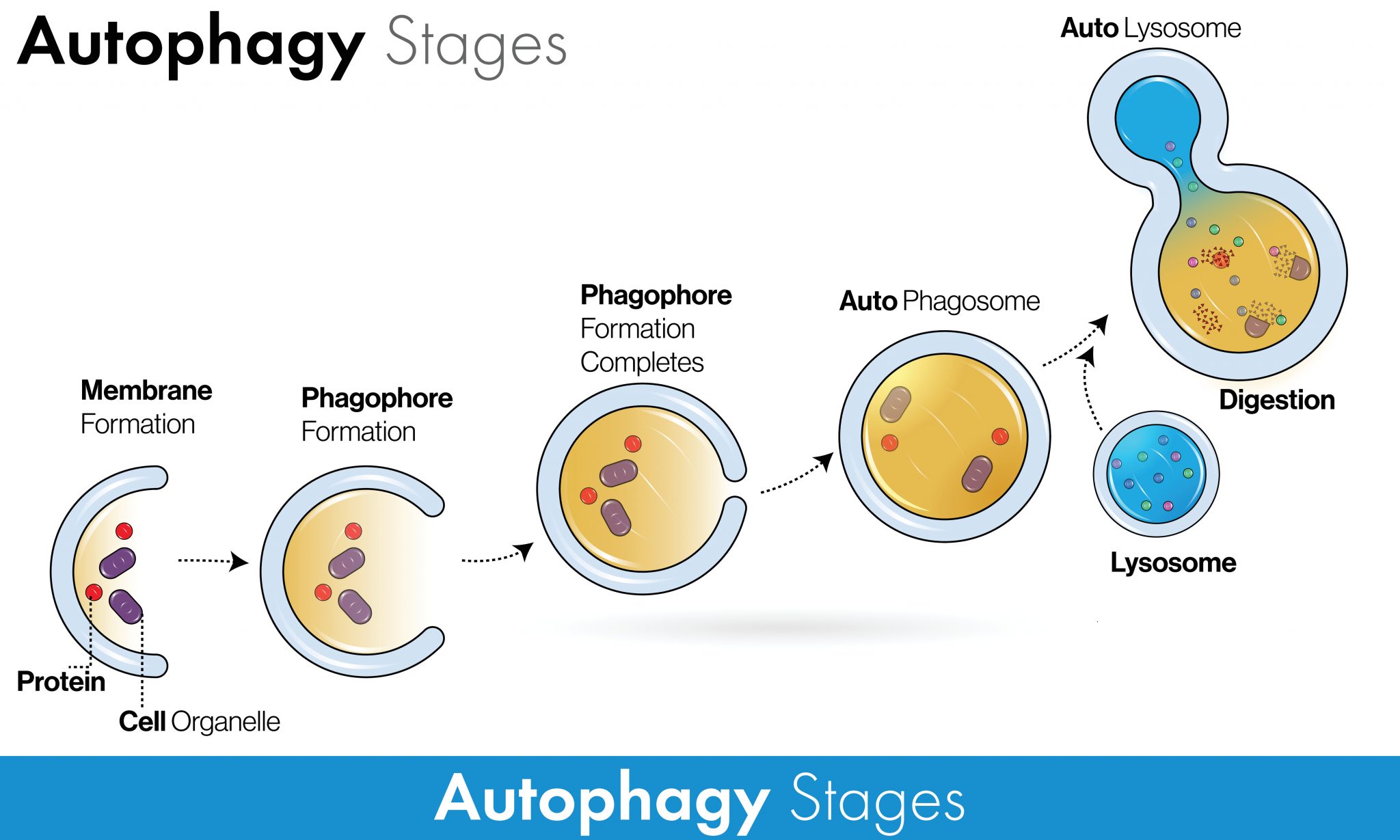
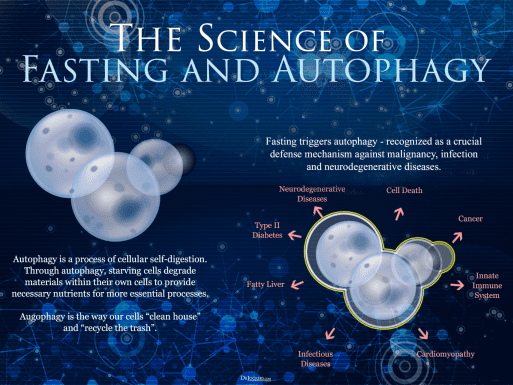
Autophagy, the body's internal cleanup system, is a vital process that allows cells to recycle damaged or dysfunctional components. During fasting, autophagy is induced, enabling cells to adapt to nutrient deprivation and promoting cellular renewal (Kunos et al., 2017). Emerging evidence suggests that GLP-1 may exert beneficial effects on glucose homeostasis via autophagy-dependent pathways, particularly in pancreatic β-cells and other cell types (Kim et al., 2022).Impact of Fasting on GLP-1 Secretion and Autophagy