GLP-1 and Lipid Metabolism: Unlocking the Secrets of a Powerful Hormone
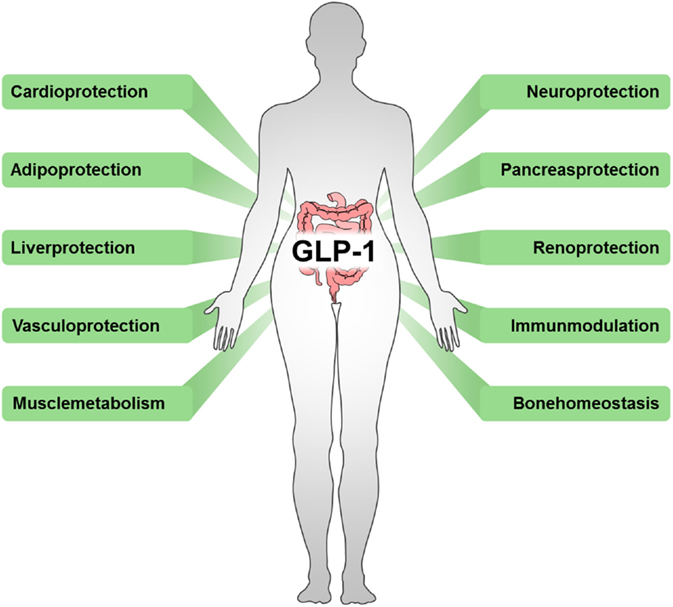
Glucagon-like peptide-1 (GLP-1) is a 30-amino acid peptide hormone that plays a vital role in regulating glucose and lipid metabolism. In recent years, research has revealed that GLP-1 has a profound impact on lipid metabolism, making it a promising target for the treatment of metabolic diseases.
The Complex Relationship Between GLP-1 and Lipid Metabolism
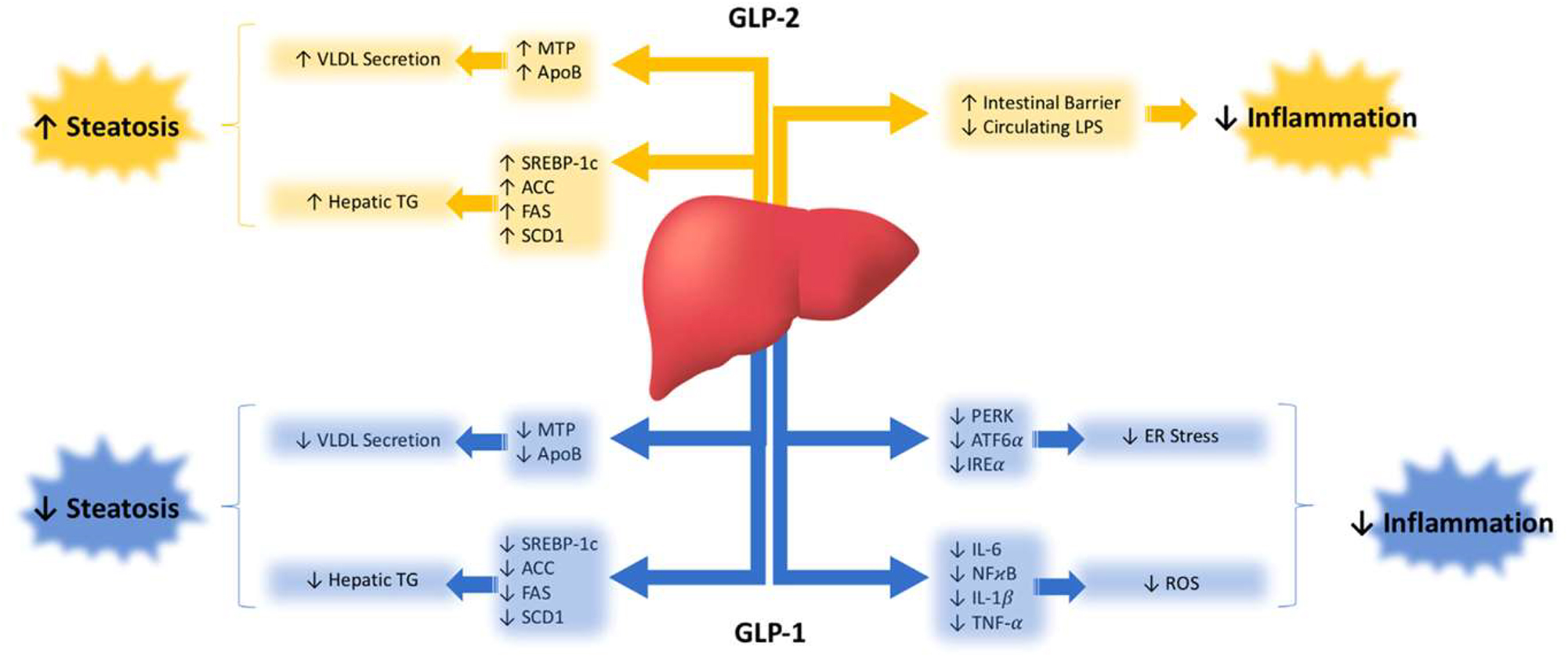
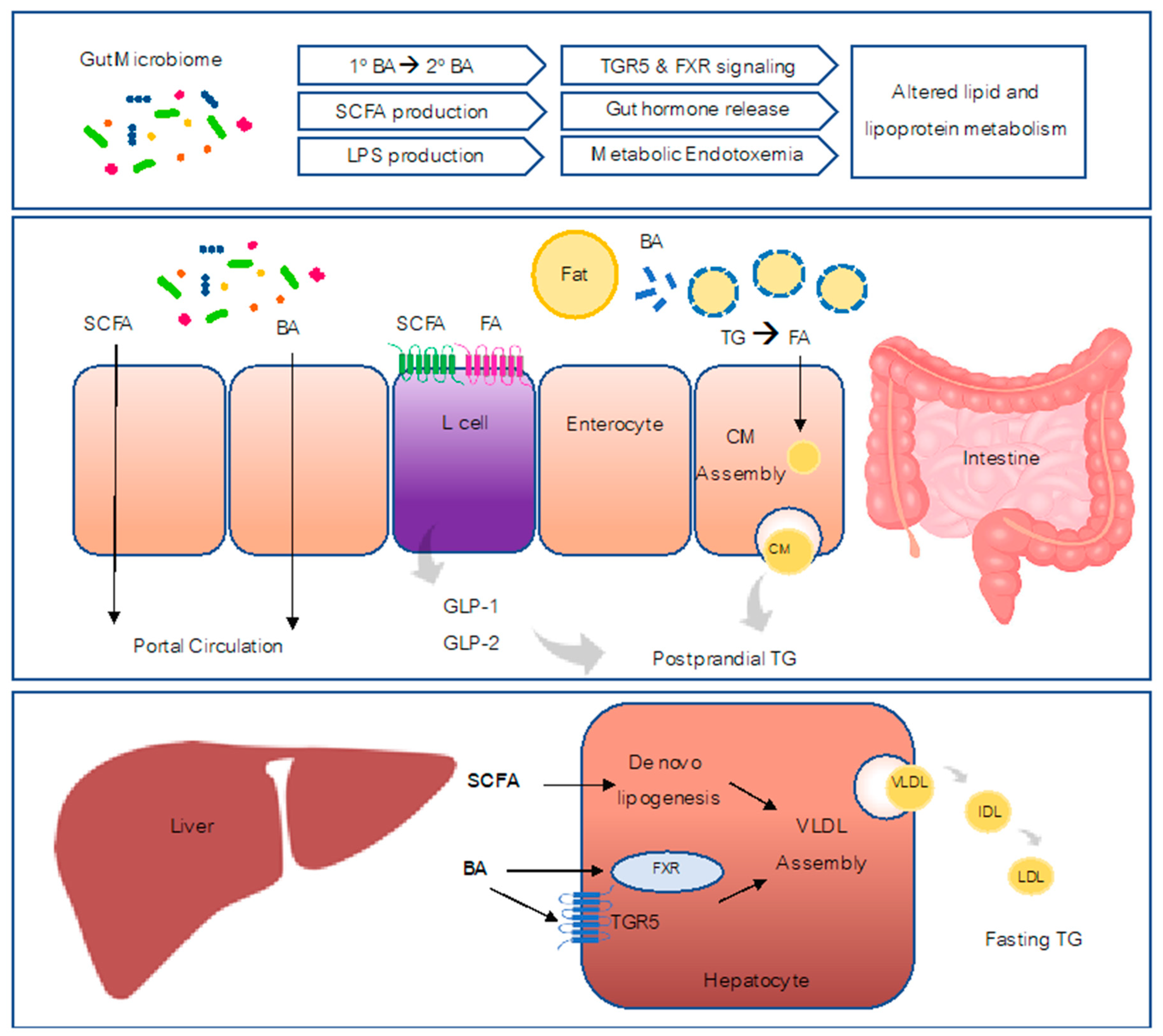
Lipid metabolism is a complex process that involves the breakdown and synthesis of lipids in the body. GLP-1 has been shown to influence lipid metabolism by inhibiting fat synthesis, promoting fat differentiation, enhancing cholesterol metabolism, and promoting the breakdown of fatty acids.
The Effects of GLP-1 on Lipid Metabolism
- Inhibiting fat synthesis: GLP-1 has been shown to inhibit the activity of key enzymes involved in fat synthesis, leading to a reduction in triglyceride levels.
- Promoting fat differentiation: GLP-1 has been shown to promote the differentiation of adipocytes, leading to an increase in fat storage and a reduction in ectopic fat accumulation.
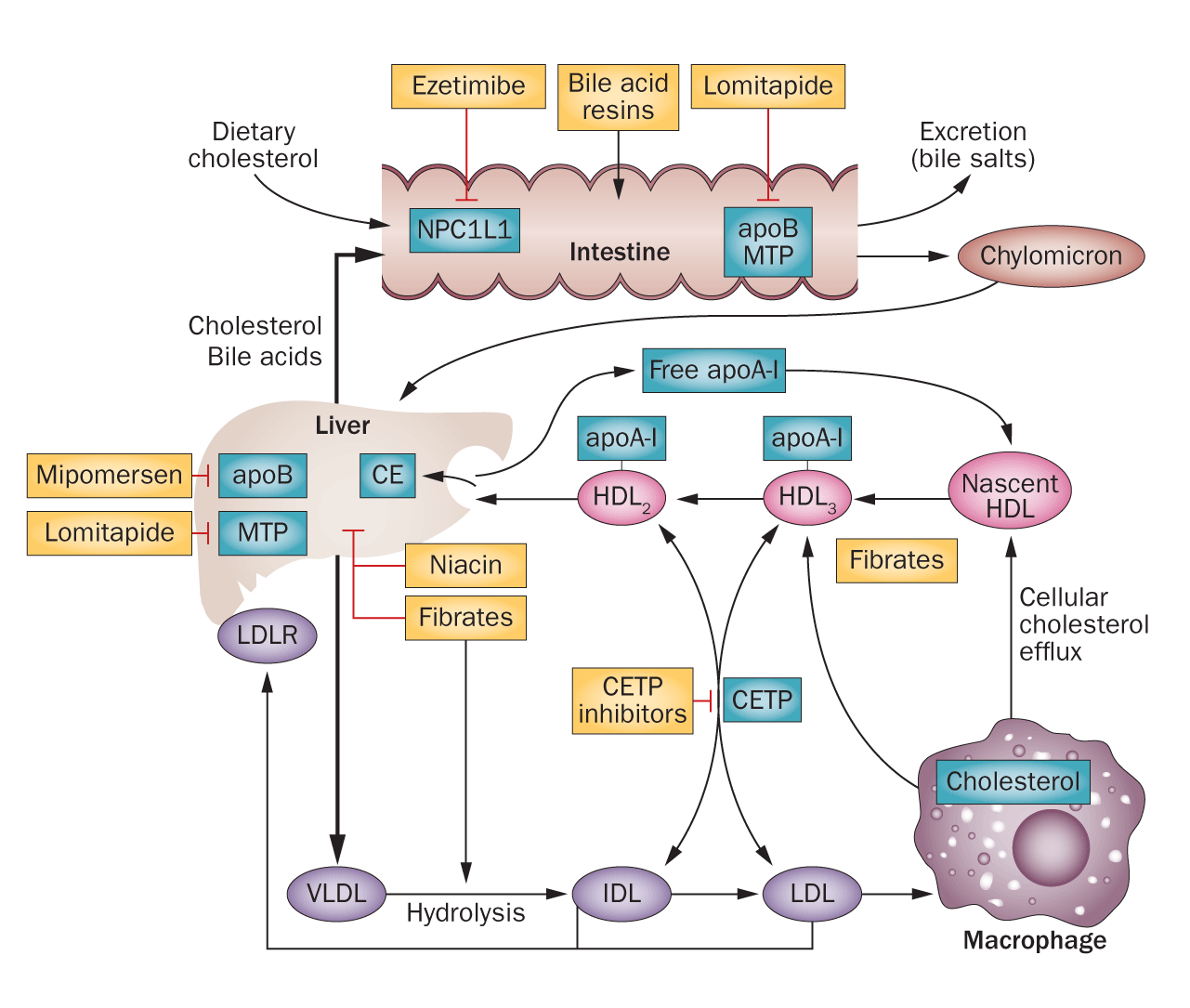
- Enhancing cholesterol metabolism: GLP-1 has been shown to enhance the expression of genes involved in cholesterol metabolism, leading to an increase in high-density lipoprotein (HDL) levels and a decrease in low-density lipoprotein (LDL) levels.
- Promoting fatty acid breakdown: GLP-1 has been shown to promote the breakdown of fatty acids, leading to an increase in fatty acid oxidation and a reduction in fat storage.
The Role of GLP-1 in Metabolic Diseases
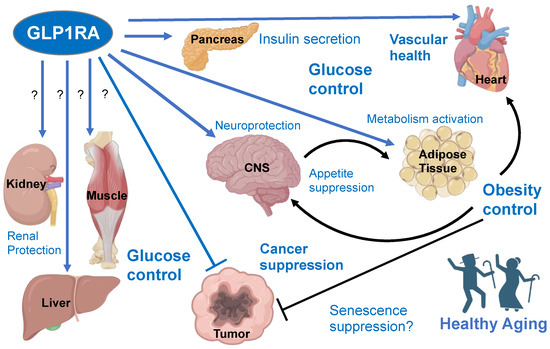
GLP-1 has been shown to have a beneficial effect on various metabolic diseases, including type 2 diabetes, obesity, and non-alcoholic fatty liver disease (NAFLD). The administration of GLP-1 receptor agonists has been shown to improve glycemic control, reduce body weight, and improve lipid profiles in patients with these diseases.
The Mechanism of Action of GLP-1 in Lipid Metabolism

The mechanism of action of GLP-1 in lipid metabolism involves the activation of the GLP-1 receptor, which leads to the stimulation of various signaling pathways involved in lipid metabolism. The GLP-1 receptor agonists mimic the action of endogenous GLP-1, leading to a sustained activation of the receptor and a prolonged improvement in lipid metabolism.
The Benefits of GLP-1 Receptor Agonists
- Improved glycemic control: GLP-1 receptor agonists have been shown to improve glycemic control in patients with type 2 diabetes.
- Weight loss: GLP-1 receptor agonists have been shown to promote weight loss in patients with obesity.
- Improved lipid profiles: GLP-1 receptor agonists have been shown to improve lipid profiles in patients with hyperlipidemia.
- Reduced risk of cardiovascular disease: GLP-1 receptor agonists have been shown to reduce the risk of cardiovascular disease in patients with type 2 diabetes.
The Future of GLP-1 in Lipid Metabolism Research
Despite the promising results of GLP-1 receptor agonists in lipid metabolism research, there are still several challenges that need to be addressed. These include the need for more studies on the long-term effects of GLP-1 receptor agonists, the development of new GLP-1 receptor agonists with improved efficacy and safety profiles, and the exploration of GLP-1's role in other metabolic diseases.
Conclusion
GLP-1 has a complex and multifaceted role in lipid metabolism, and its effects on lipid metabolism have been shown to have a significant impact on metabolic diseases. The administration of GLP-1 receptor agonists has been shown to improve glycemic control, reduce body weight, and improve lipid profiles in patients with metabolic diseases. Further research is needed to fully understand the mechanisms of GLP-1 in lipid metabolism and to explore its potential as a therapeutic target for metabolic diseases.