Home Physical Therapy for Managing Fibromyalgia Symptoms
Fibromyalgia is a chronic condition that causes widespread pain, fatigue, and tenderness in the muscles and soft tissues of the body. According to the American Physical Therapy Association, physical therapists teach self-management skills to people with all types of conditions, including fibromyalgia. In this article, we will explore the role of home physical therapy in managing fibromyalgia symptoms.
Understanding Fibromyalgia
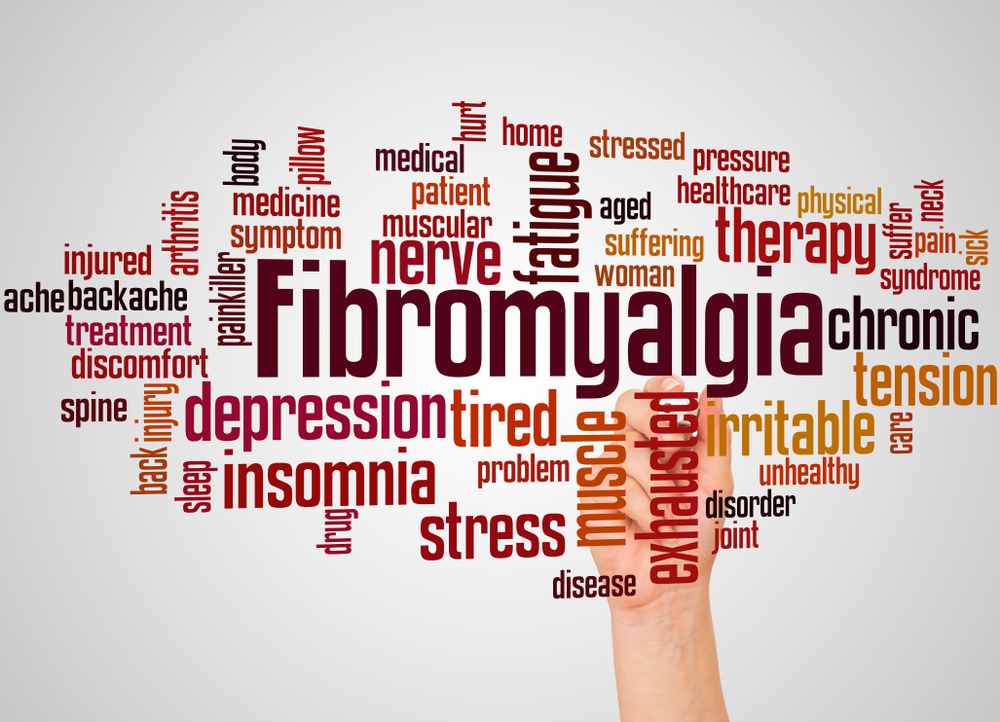
Fibromyalgia is a long-term condition that causes widespread body pain and profound fatigue, as well as a range of other possible symptoms. The condition tends to vary from person to person, and symptoms may also fluctuate from day to day, depending on factors such as stress levels, the weather, or how physically active you have been.
Benefits of Home Physical Therapy for Fibromyalgia
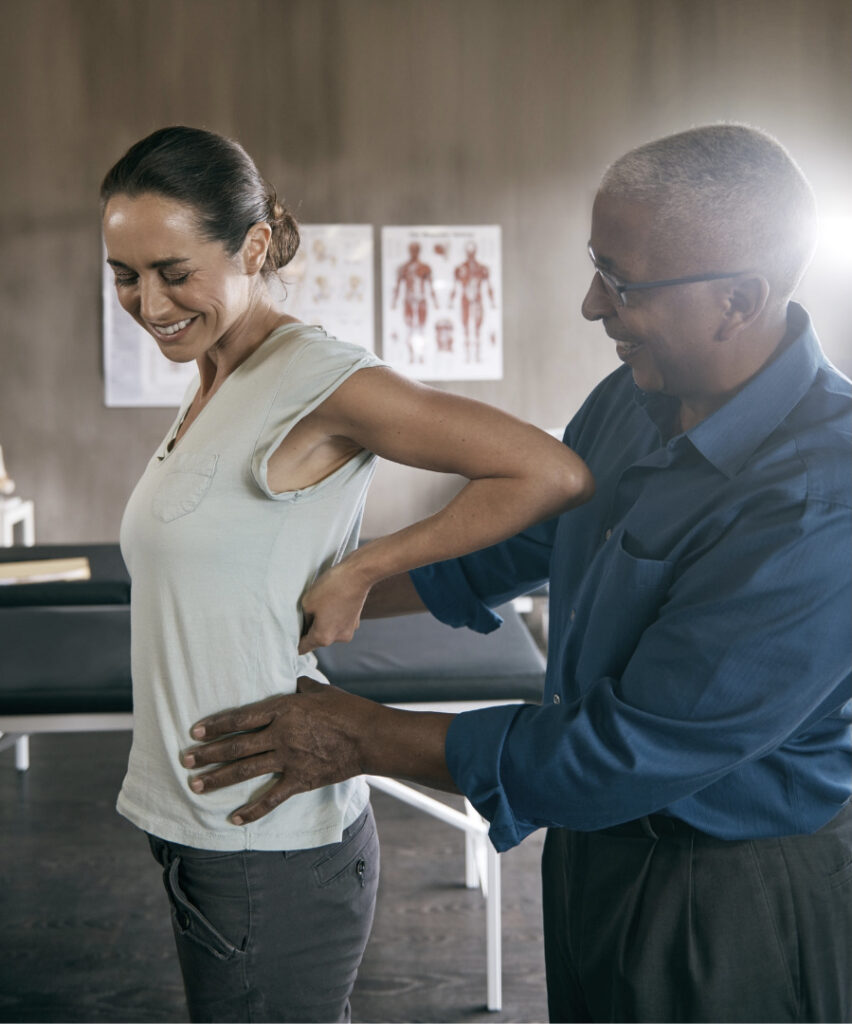
Home physical therapy for fibromyalgia offers a promising approach to managing the chronic pain and fatigue associated with the disorder. By working with a physical therapist, individuals diagnosed with fibromyalgia can develop a personalized treatment plan that addresses their unique symptoms and challenges.
- Improved mobility and flexibility
- Reduced pain and inflammation
- Enhanced strength and endurance
- Improved sleep quality
- Increased overall quality of life
Creating a Home Physical Therapy Plan

To create a home physical therapy plan for fibromyalgia, work with a physical therapist to identify your goals and develop a personalized treatment plan. This may include:
- Low-impact aerobic exercises such as walking, swimming, or cycling
- Stretching and flexibility exercises
- Strengthening exercises to improve muscle tone and endurance
- Progressive muscle relaxation techniques to reduce stress and anxiety
- Breathing exercises to improve oxygenation and reduce fatigue
Exercise Tips for Fibromyalgia
When exercising with fibromyalgia, it's essential to listen to your body and take regular breaks. Start with short sessions and gradually increase the duration and intensity as your body allows. Consider the following tips:
- Choose exercises that are low-impact and gentle on your joints
- Avoid exercises that exacerbate pain or fatigue
- Focus on functional exercises that improve daily activities and mobility
- Use assistive devices or modifications to reduce strain and discomfort
Conclusion
Home physical therapy for managing fibromyalgia symptoms is a promising approach that can help improve mobility, reduce pain and inflammation, and enhance overall quality of life. By working with a physical therapist to develop a personalized treatment plan, individuals with fibromyalgia can take control of their symptoms and improve their overall well-being.