Swimming Pool Surround Construction: A Comprehensive Guide
Are you planning to build a swimming pool in your backyard or wanting to renovate an existing one? The first thing to consider is the construction of the surround, which is a crucial aspect of pool design. The surround not only adds aesthetic value but also contributes to the overall safety and functionality of the pool area.
What is Swimming Pool Surround Construction?
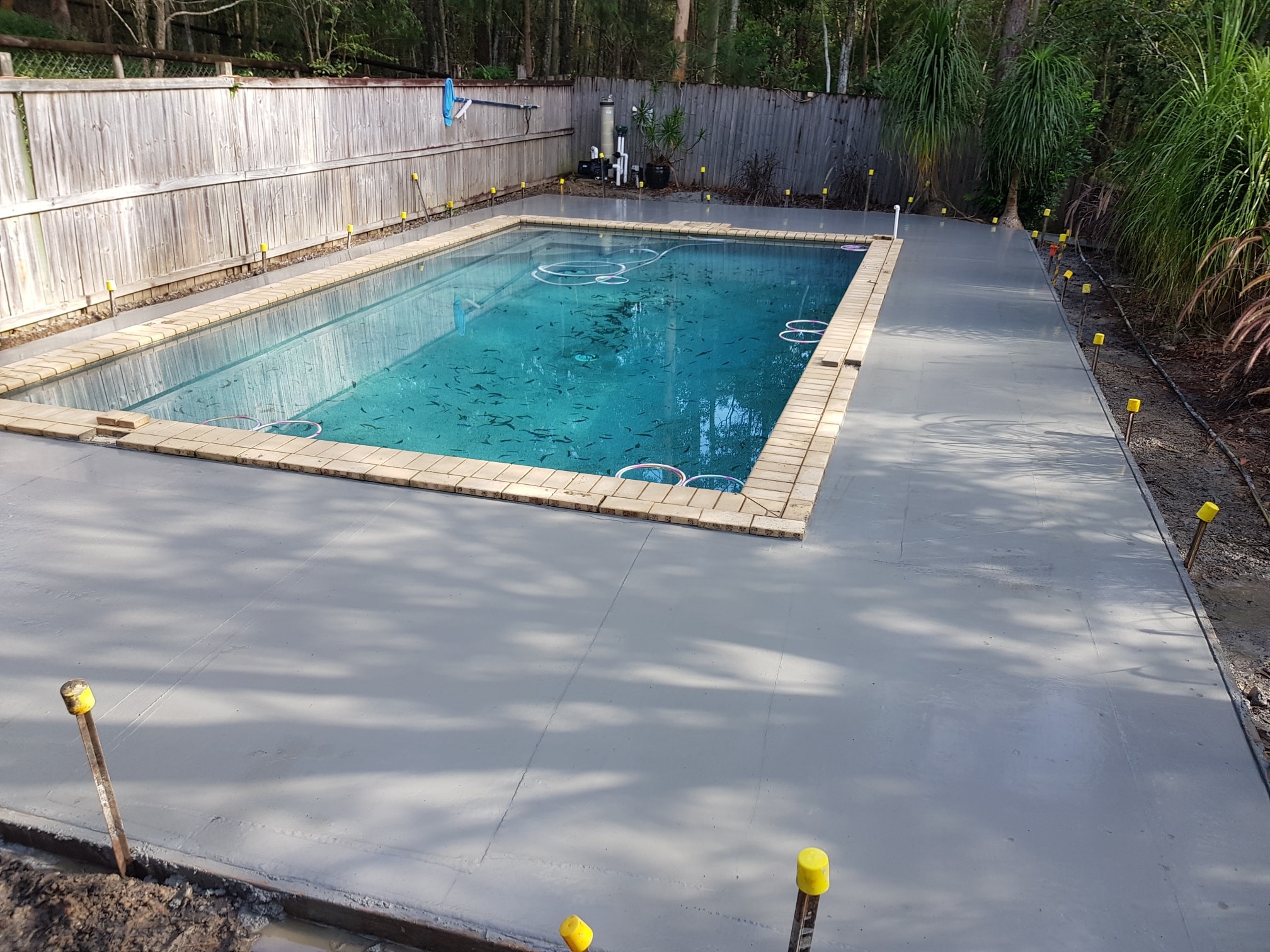
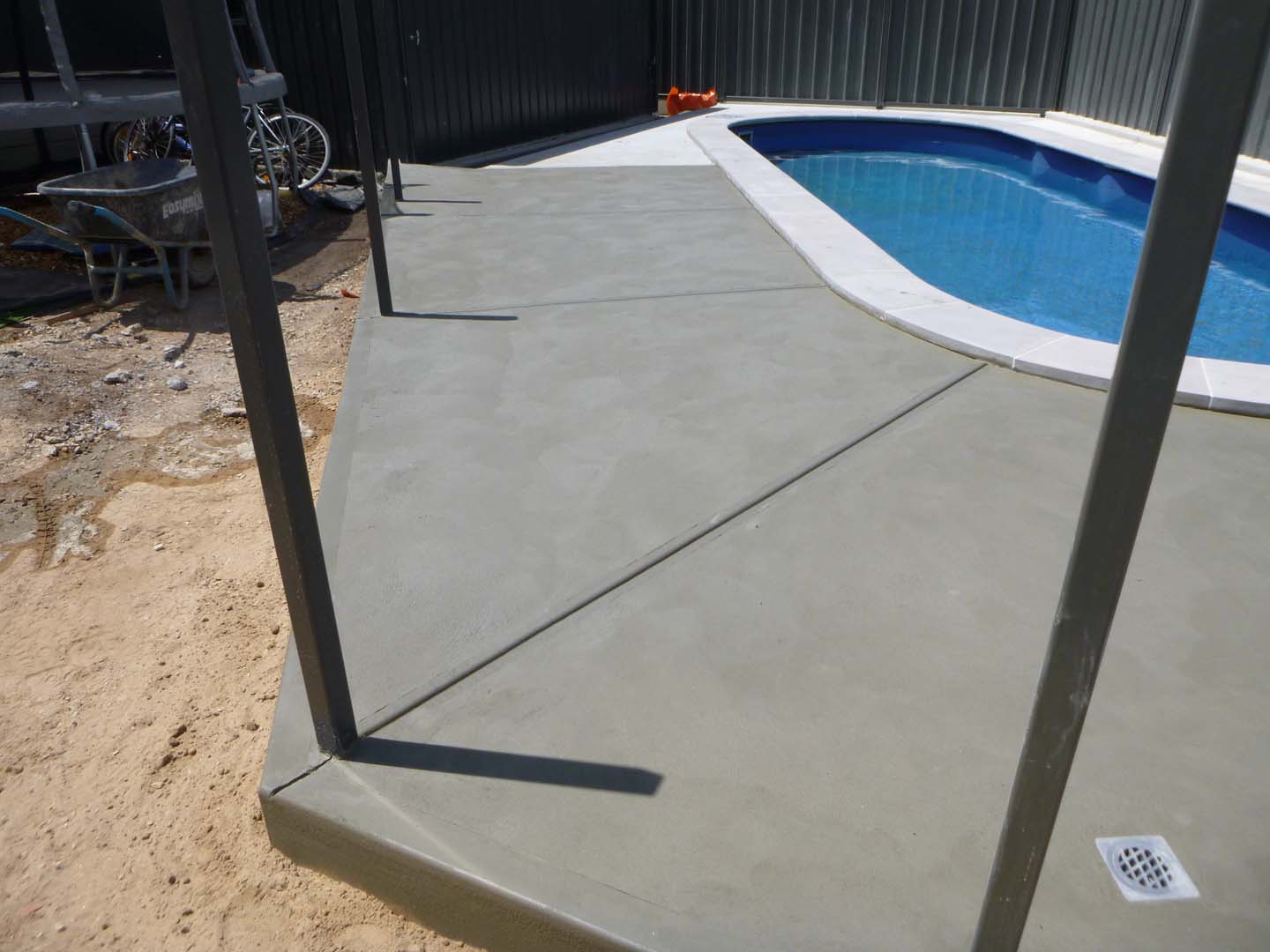
The swimming pool surround, also known as the pool deck, is the area around the pool that is designed to provide a safe and comfortable space for users to enter and exit the pool. The surround can be constructed using various materials, such as concrete, wood, composite decking, or natural stone.
Choosing the Right Material for Pool Surround Construction
The material choice for pool surround construction depends on several factors, including budget, personal preference, and pool type. Here are some popular options:
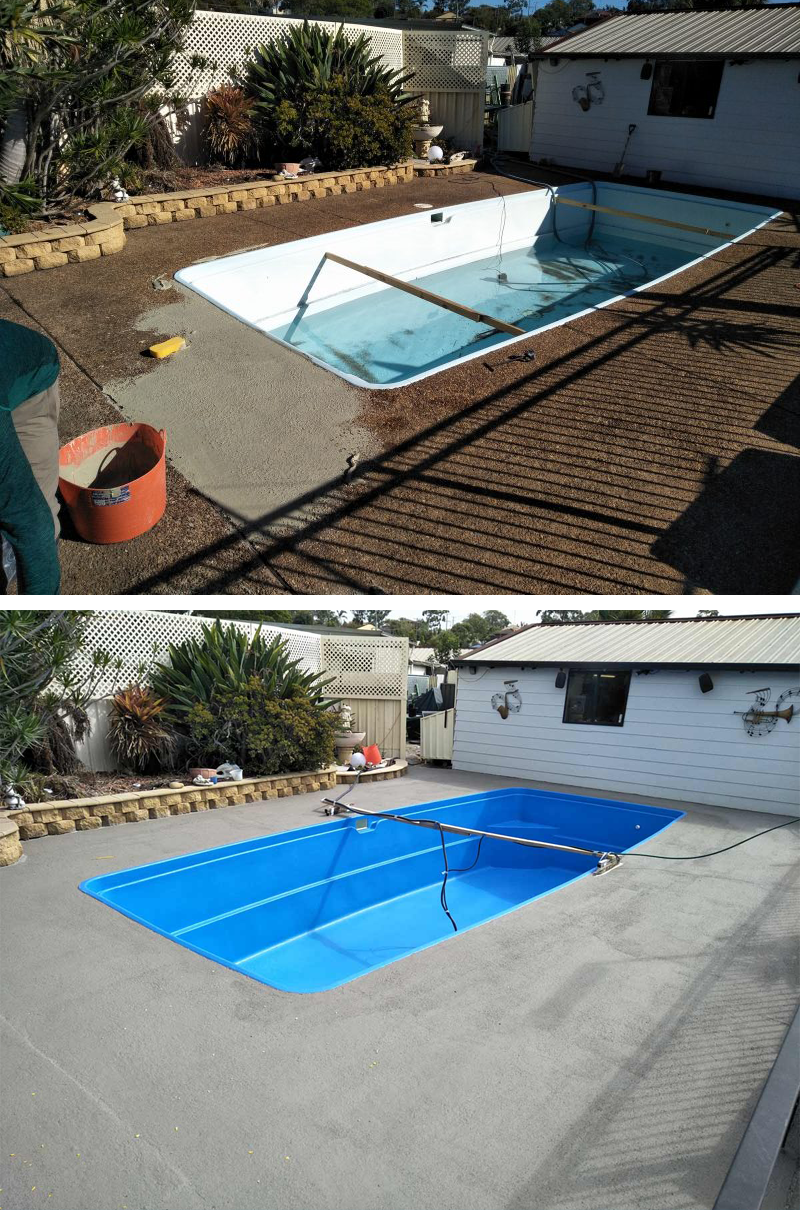
- Concrete: A durable and customizable option that can be finished with various textures and colors.
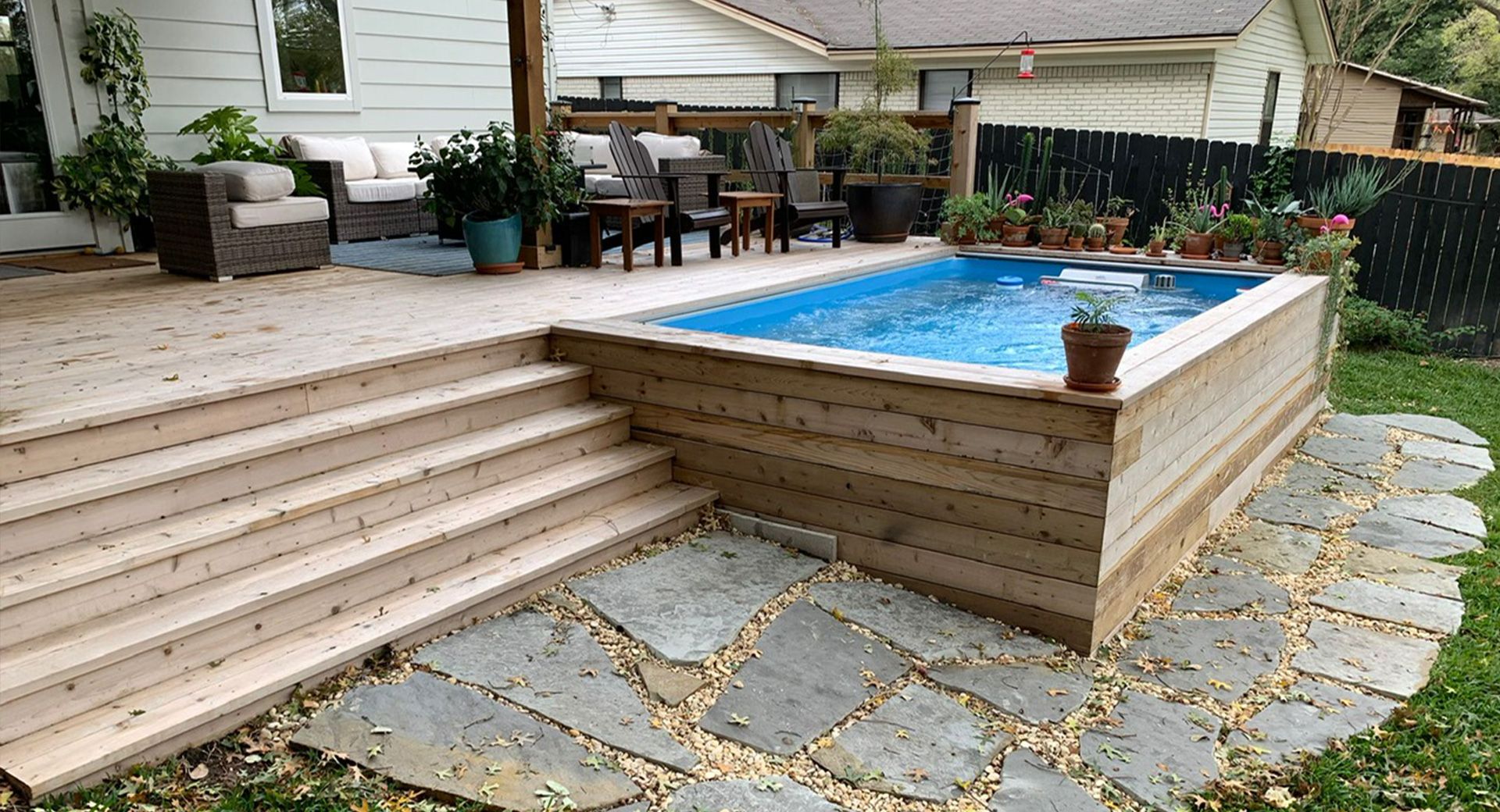
- Wood: A natural look that can be stained or painted to match the desired aesthetic.
- Composite decking: A low-maintenance option made from a combination of wood fibers and plastic.
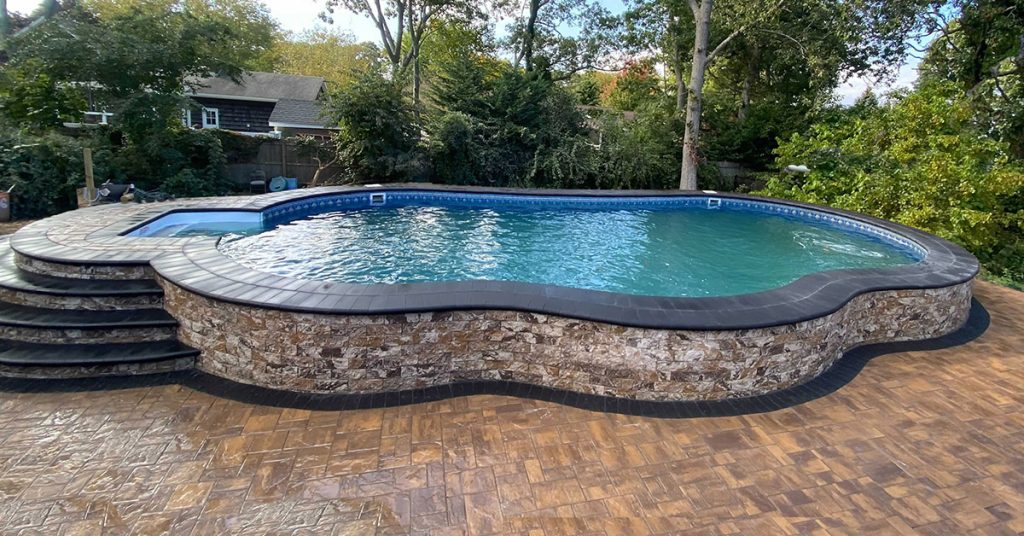
- Natural stone: A luxurious and stylish option that adds a touch of sophistication to the pool area.
Pool Surround Construction Materials: Pros and Cons
Each material has its pros and cons, which are essential to consider when making a decision:
- Concrete:
- Pros: Durable, customizable, and long-lasting.
- Cons: Can be expensive, and the finishing process can be time-consuming.
- Wood:
- Pros: Natural look, easy to install, and can be stained or painted.
- Cons: Can be prone to warping, cracking, and insect damage.
- Composite decking:
- Pros: Low-maintenance, durable, and resistant to rot and insects.
- Cons: Can be expensive, and the color may fade over time.
- Natural stone:
- Pros: Luxurious and stylish, durable, and resistant to weathering.
- Cons: Can be expensive, and the installation process can be complex.

Pool Surround Construction: Design and Planning Considerations
When designing and planning the pool surround, several factors need to be considered, including:
- Safety: Ensure the surround is designed to prevent slips, trips, and falls.
- Functionality: Consider the space needed for pool equipment, furniture, and accessories.
- Aesthetics: Choose a design that complements the pool and surrounding architecture.
- Budget: Determine the budget for the pool surround construction and materials.
Pool Surround Construction: Tips and Best Practices
Here are some valuable tips and best practices to consider when constructing a pool surround:
- Consult with a professional: Work with a licensed contractor to ensure the construction is done correctly and safely.
- Choose the right materials: Select materials that are durable, maintenance-friendly, and suitable for the pool type.
- Ensure proper drainage: Design the surround to allow for efficient drainage to prevent water accumulation.
- Consider energy efficiency: Choose materials and design the surround to minimize energy consumption.
Conclusion
Swimming pool surround construction is a critical aspect of pool design that requires careful planning, consideration, and execution. By choosing the right material, designing with safety and functionality in mind, and following best practices, you can create a beautiful and safe pool area that enhances your swimming experience.