The Impact of GLP-1 on Fat Metabolism and Calorie Needs: Unlocking the Science Behind Successful Weight Loss
Glucagon-like peptide-1 (GLP-1) receptor agonists (GLP-1RAs) have revolutionized the management of type 2 diabetes mellitus, and their use has been increasingly expanding to include obesity treatment. The impact of GLP-1 on fat metabolism and calorie needs has been extensively studied, revealing a multitude of mechanisms that contribute to their effectiveness in weight loss. In this article, we will delve into the exciting world of GLP-1 and explore its multifaceted effects on fat metabolism and calorie needs.
What is GLP-1 and How Does it Work?
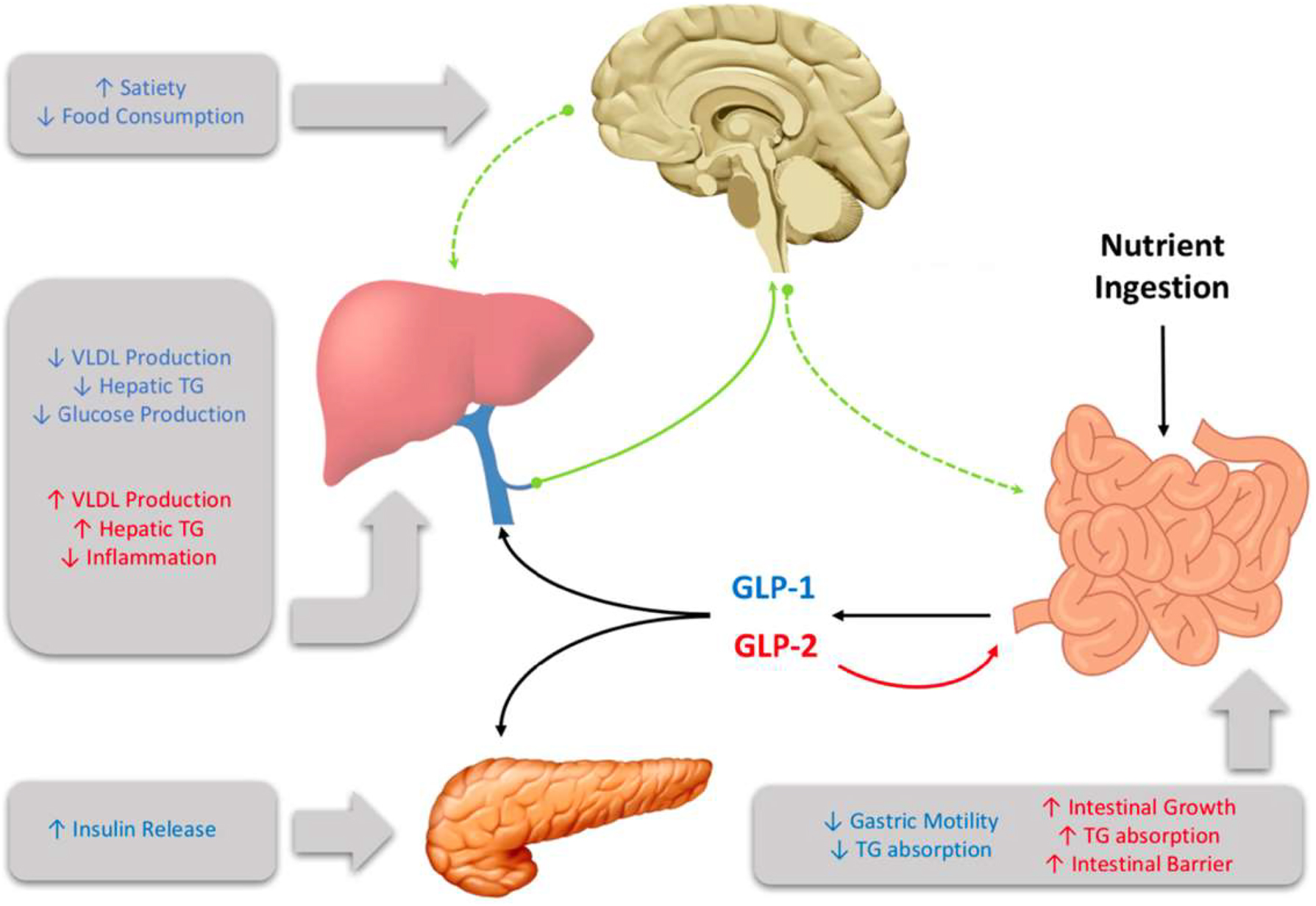
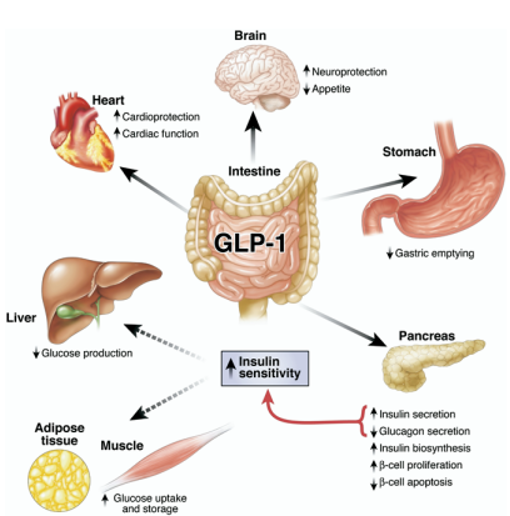
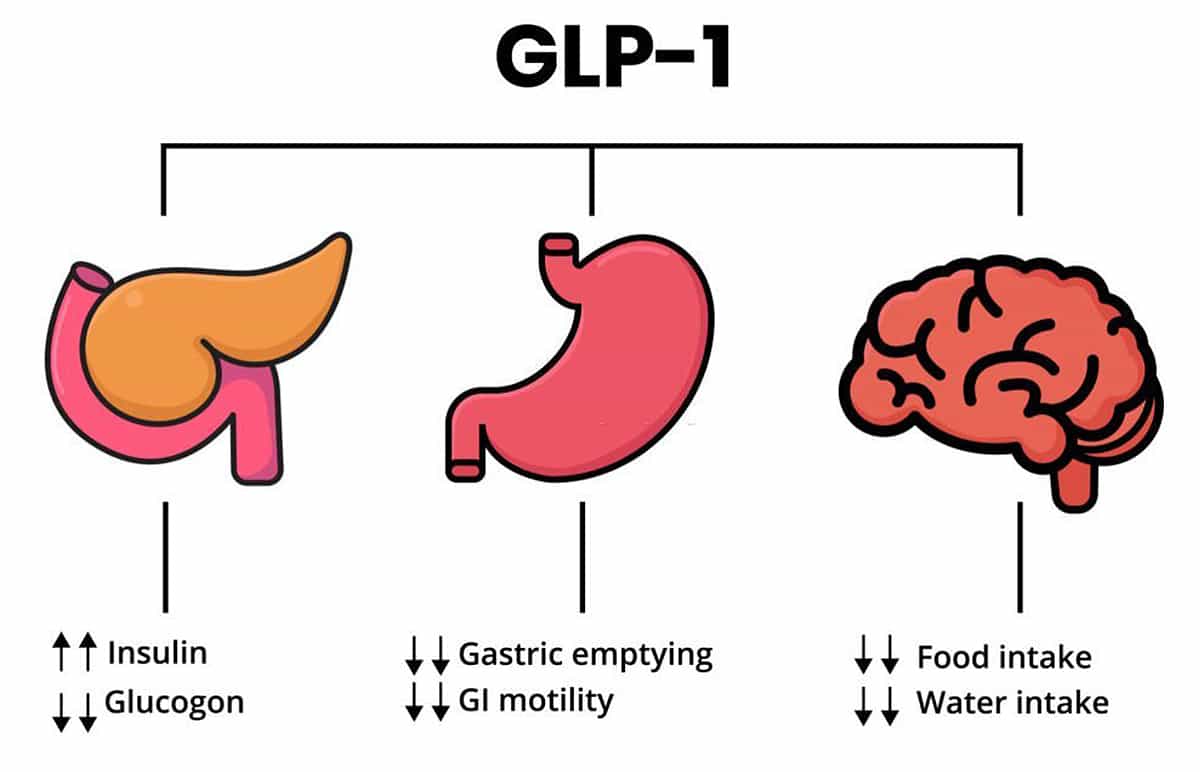
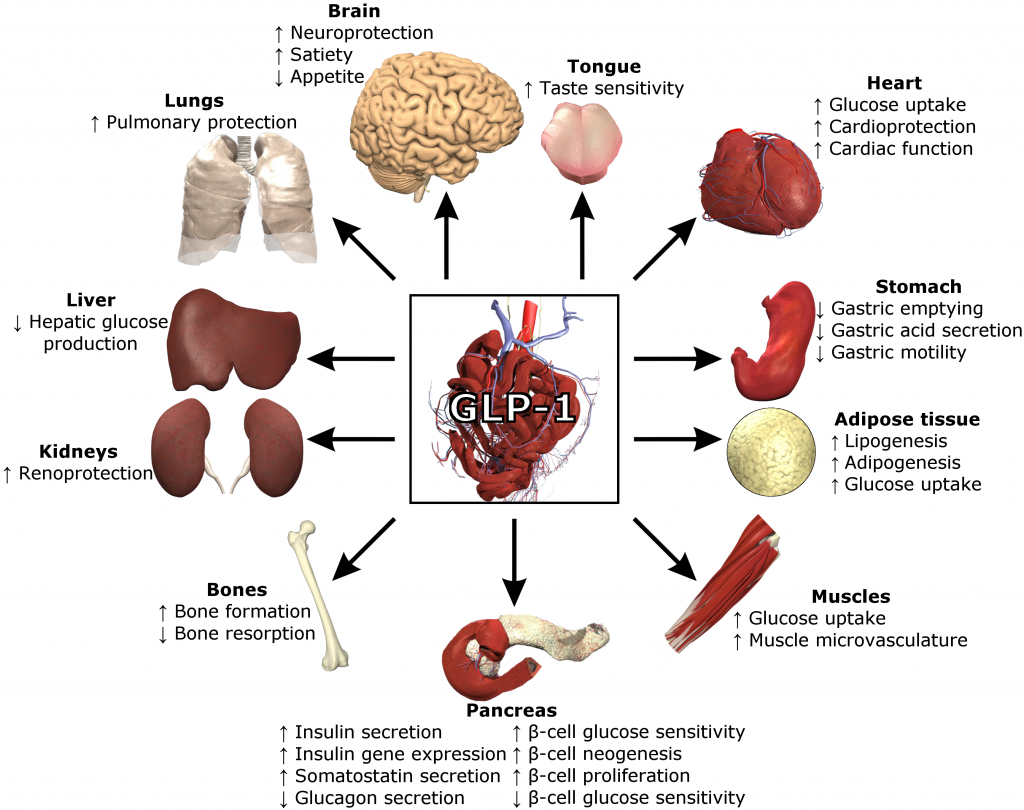
GLP-1 is an intestinal hormone released in response to meal ingestion, which enhances insulin secretion from pancreatic β-cells and inhibits glucagon release. GLP-1 receptor agonists (GLP-1RAs) mimic the action of endogenous GLP-1, promoting weight loss by suppressing appetite, improving glycemic control, and enhancing energy expenditure.
The Triple Impact of GLP-1 on Fat Metabolism
- Appetite Regulation**: GLP-1RAs have been shown to reduce appetite and food intake, leading to a decrease in calorie consumption.
- Thermogenesis**: GLP-1 stimulates thermogenesis, the process by which the body generates heat, which increases energy expenditure and promotes fat loss.
- Metabolic Regulation**: GLP-1RAs modulate glucose and lipid metabolism, promoting healthier fat storage and utilization.
The synergistic action of GLP-1 on appetite regulation, thermogenesis, and metabolic regulation creates a powerful triple impact on fat metabolism, ultimately leading to successful weight loss.
The Calorie Needs Conundrum: How GLP-1 Affects Energy Expenditure
GLP-1RAs have been shown to increase energy expenditure through various mechanisms, including increased mitochondrial activity, enhanced lipolysis, and stimulated fatty acid oxidation. However, the impact of GLP-1 on calorie needs remains a topic of debate. Some studies suggest that GLP-1RAs can reduce energy expenditure, while others propose that they increase it.

Preserving Muscle Mass and Metabolism: A Key Consideration
While GLP-1RAs are effective in promoting weight loss, they can also lead to muscle mass loss if protein intake is inadequate. This is particularly concerning for individuals with obesity and type 2 diabetes, who often have a higher risk of muscle loss. Resistance exercise and adequate protein intake are essential to preserve muscle mass and metabolism.
The Connection Between GLP-1, Hormones, and Metabolism
The impact of GLP-1 on hormones, such as insulin, leptin, and ghrelin, plays a crucial role in its effectiveness in weight loss. Additionally, the effects of GLP-1 on metabolism, including glucose and lipid metabolism, contribute to its therapeutic benefits. Understanding the complex interplay between GLP-1, hormones, and metabolism is essential for developing effective treatment strategies.
Practical Considerations for Effective GLP-1 Therapy
- Protein Intake**: Adequate protein intake (0.7-1 gram per pound of goal body weight) is essential to preserve muscle mass and support metabolism.
- Resistance Exercise**: Regular resistance exercise helps maintain muscle mass and promotes long-term weight loss.
- Monitoring**: Regular follow-up and professional guidance on GLP-1 dosing, nutrition needs, and side effects are crucial for optimal treatment outcomes.
Conclusion
The impact of GLP-1 on fat metabolism and calorie needs has been extensively studied, revealing a multitude of mechanisms that contribute to its effectiveness in weight loss. While GLP-1RAs have revolutionized the management of type 2 diabetes and obesity, understanding the complex interplay between GLP-1, hormones, and metabolism is essential for developing effective treatment strategies. By considering the practical implications of GLP-1 therapy, healthcare professionals can optimize treatment outcomes and help patients achieve successful weight loss.