Insulin Resistance and GLP-1 Protein Balance: Unveiling the Complex Relationship
The connection between insulin resistance and GLP-1 (Glucagon-like peptide-1) protein balance is a crucial aspect of metabolic regulation, and understanding this relationship is essential for developing effective strategies to manage various metabolic disorders, including type 2 diabetes.
What is Insulin Resistance?
Insulin resistance occurs when the body's cells become less responsive to insulin, a hormone produced by the pancreas that regulates blood sugar levels. This condition is a hallmark of type 2 diabetes and other metabolic syndromes, where the body's inability to effectively use insulin leads to elevated blood glucose levels.
What is GLP-1?
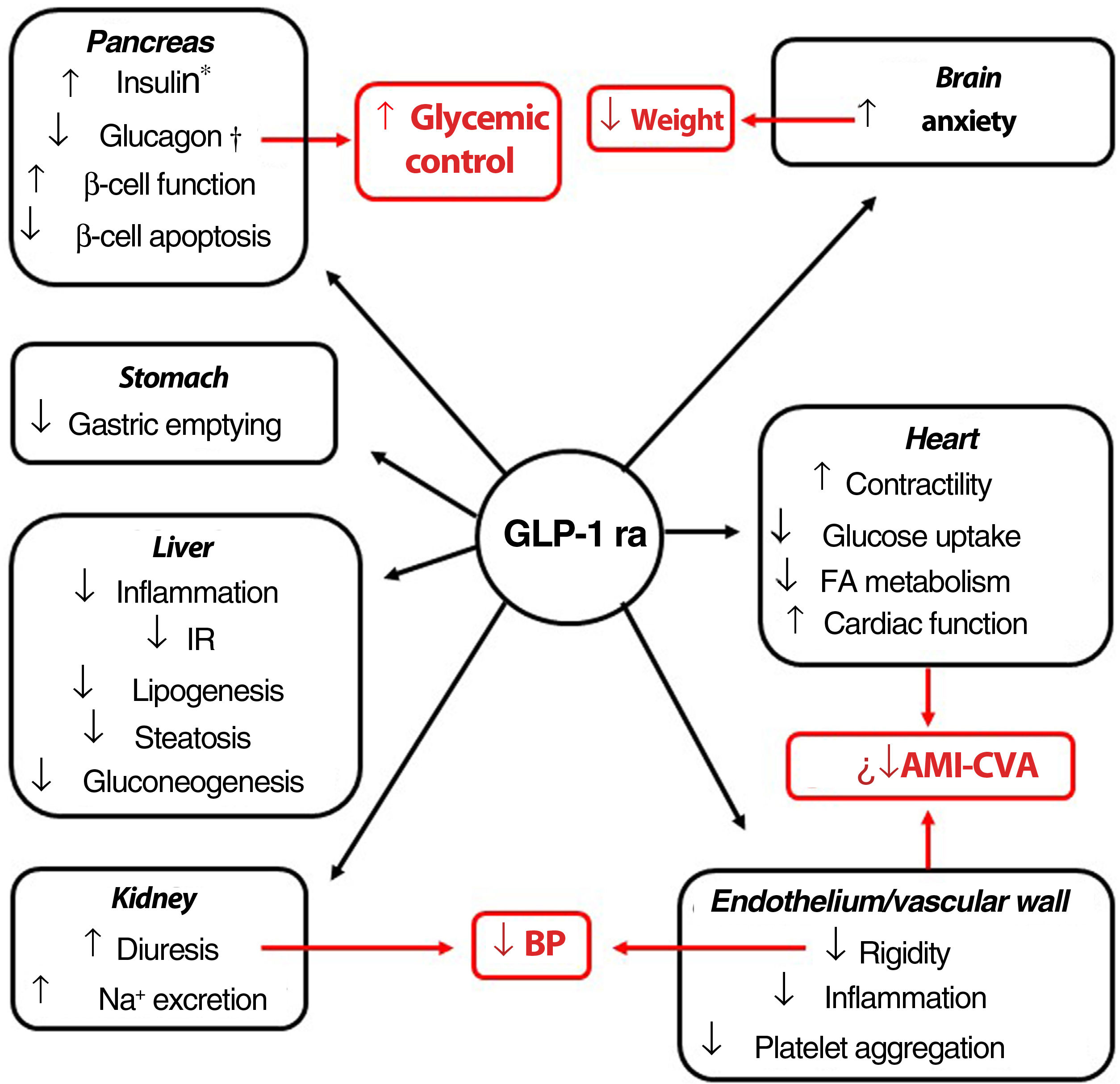
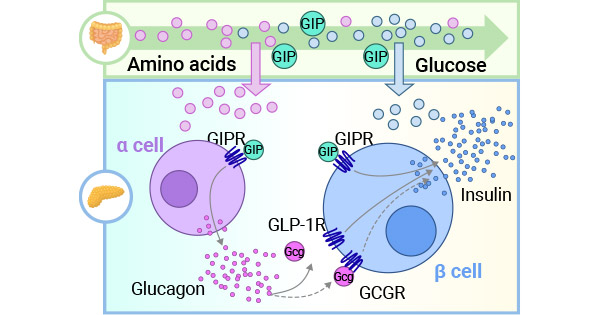
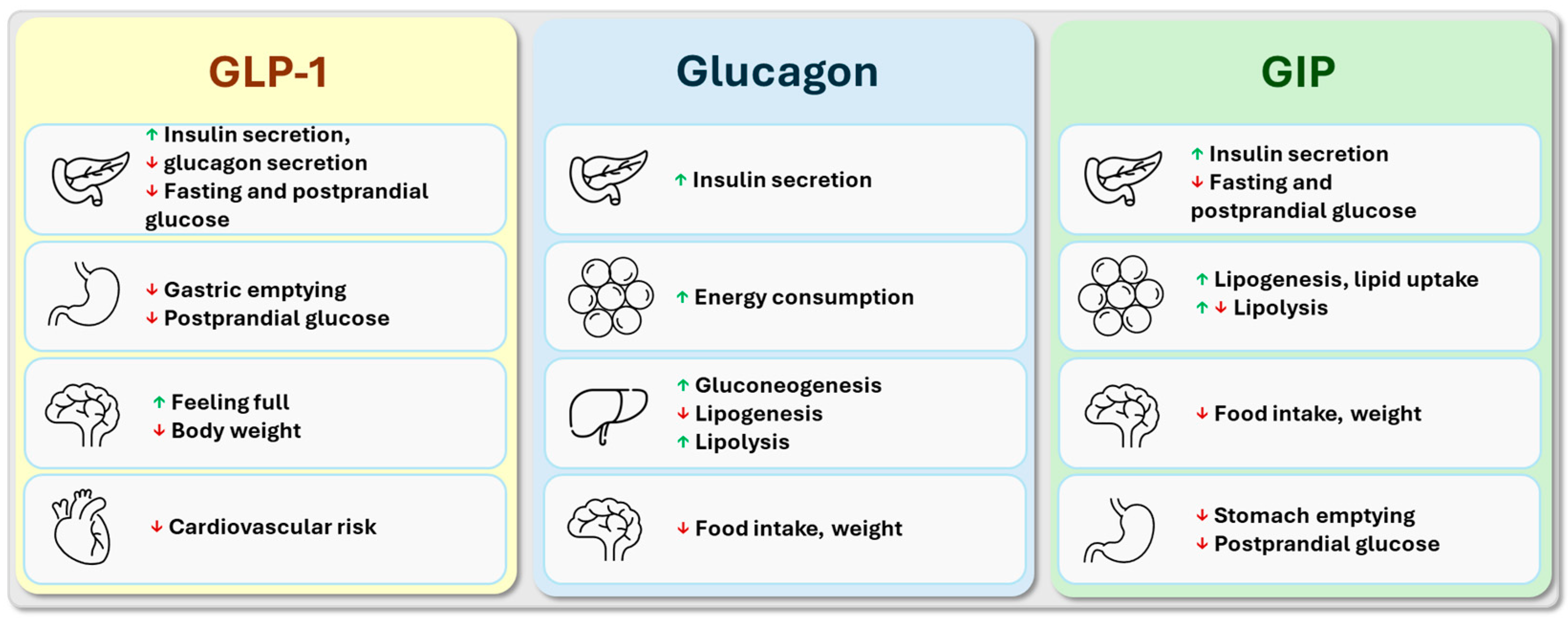
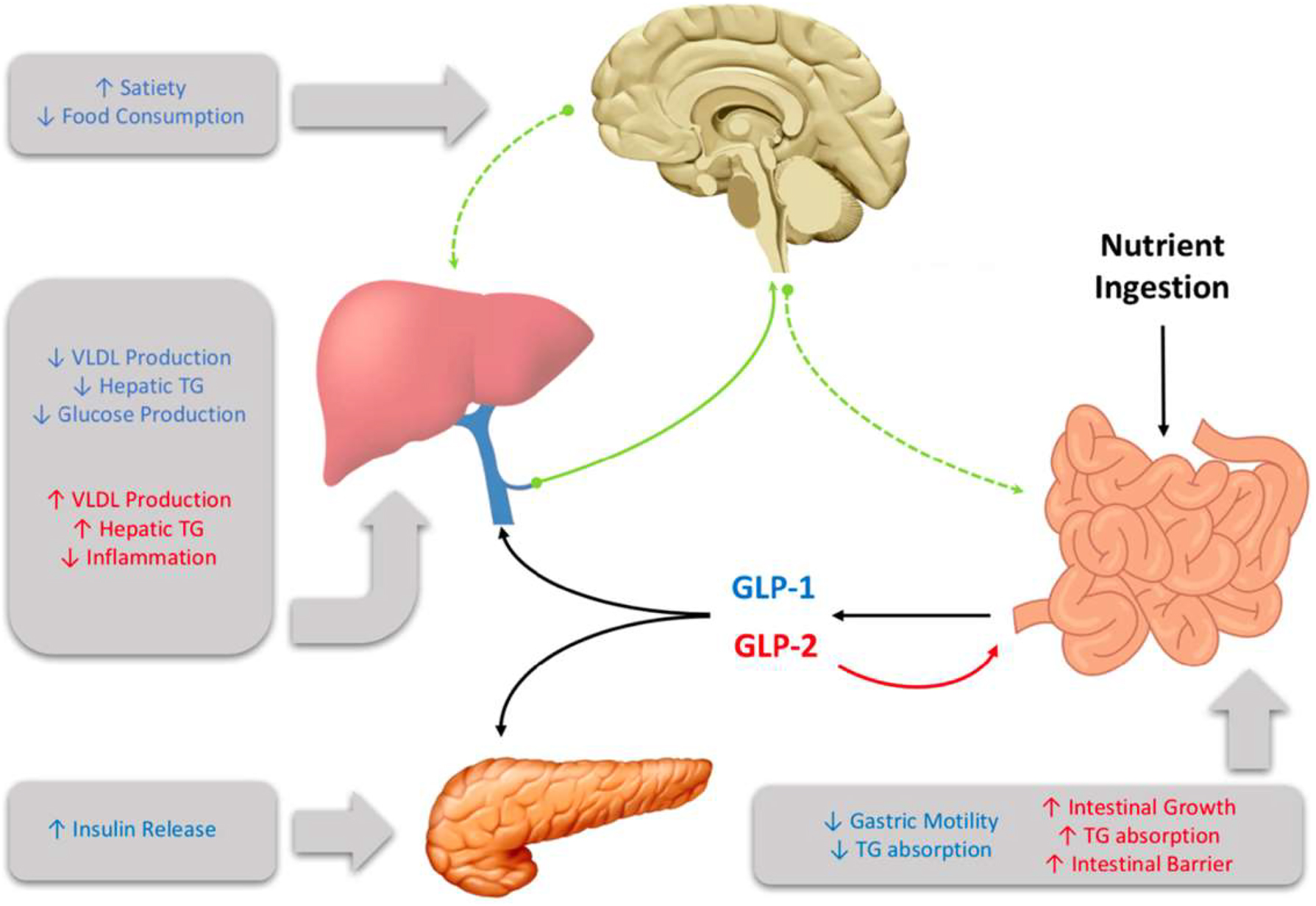
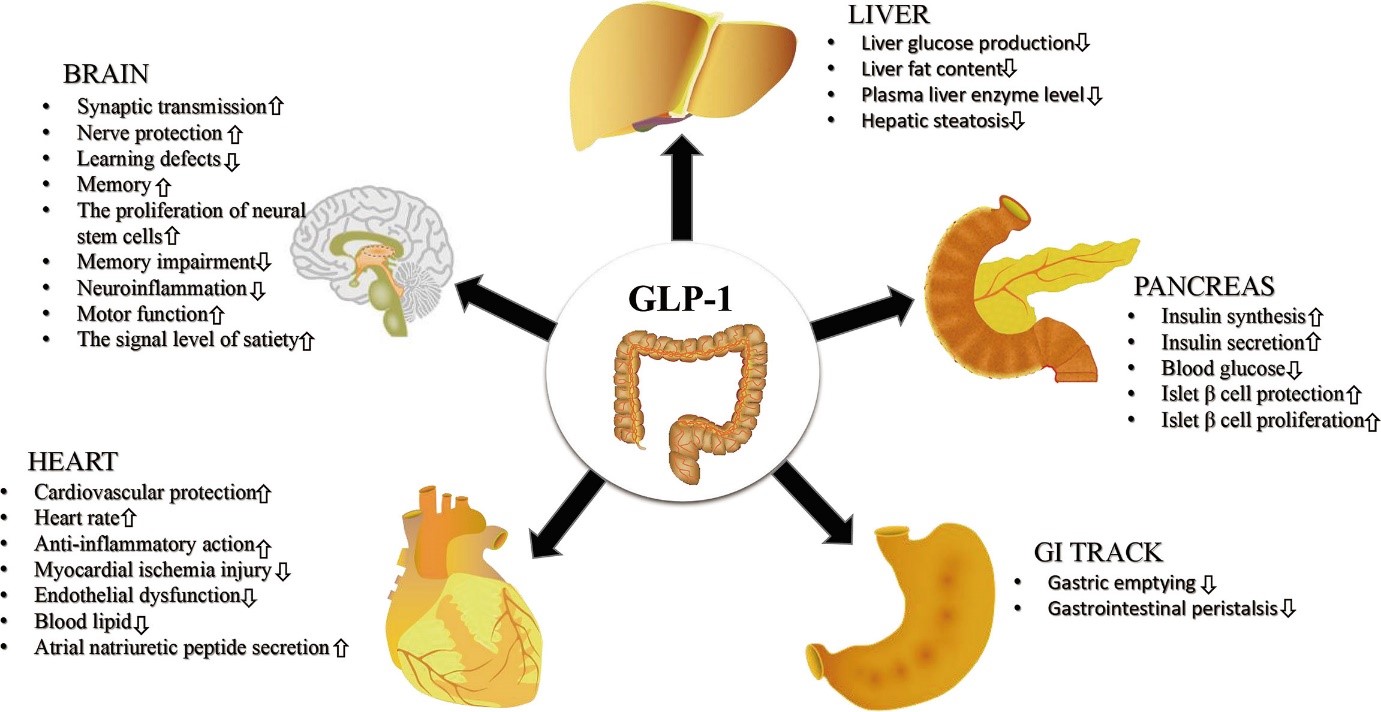
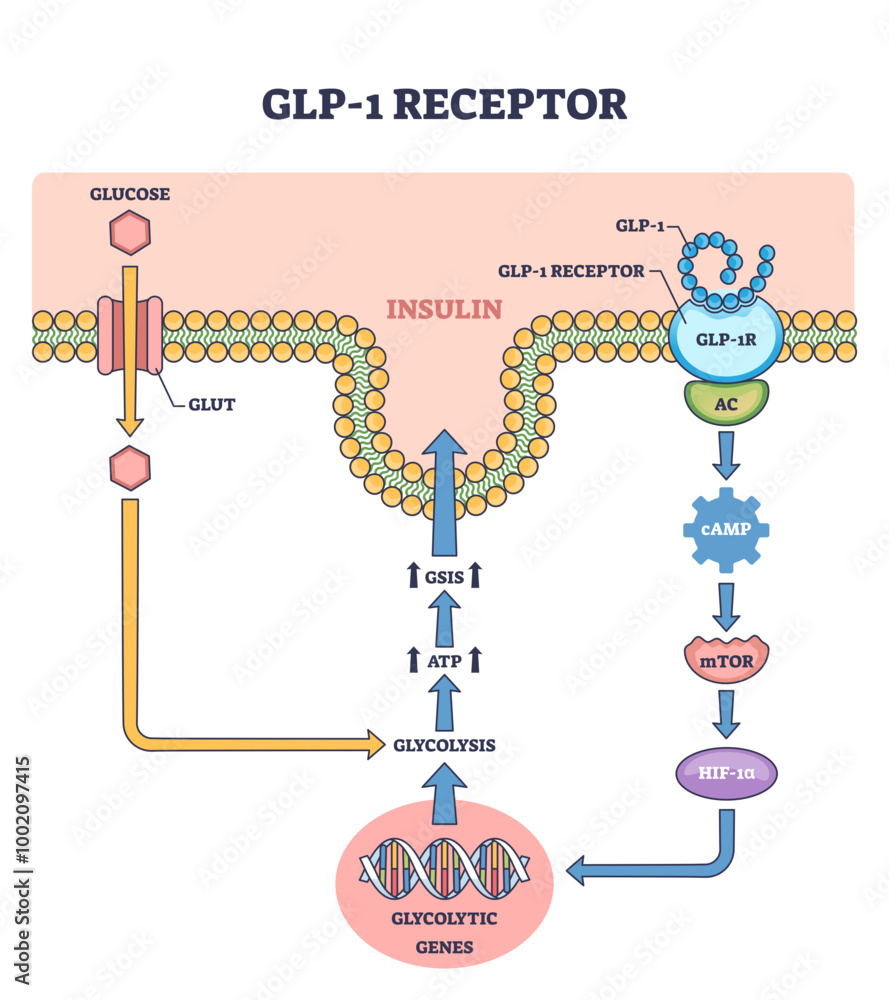
GLP-1 is an incretin hormone secreted by intestinal L cells in response to nutrient intake, particularly glucose and fatty acids. GLP-1 plays a critical role in glucose homeostasis by stimulating insulin secretion from pancreatic beta cells and suppressing glucagon release from pancreatic alpha cells.
The Role of GLP-1 in Insulin Resistance
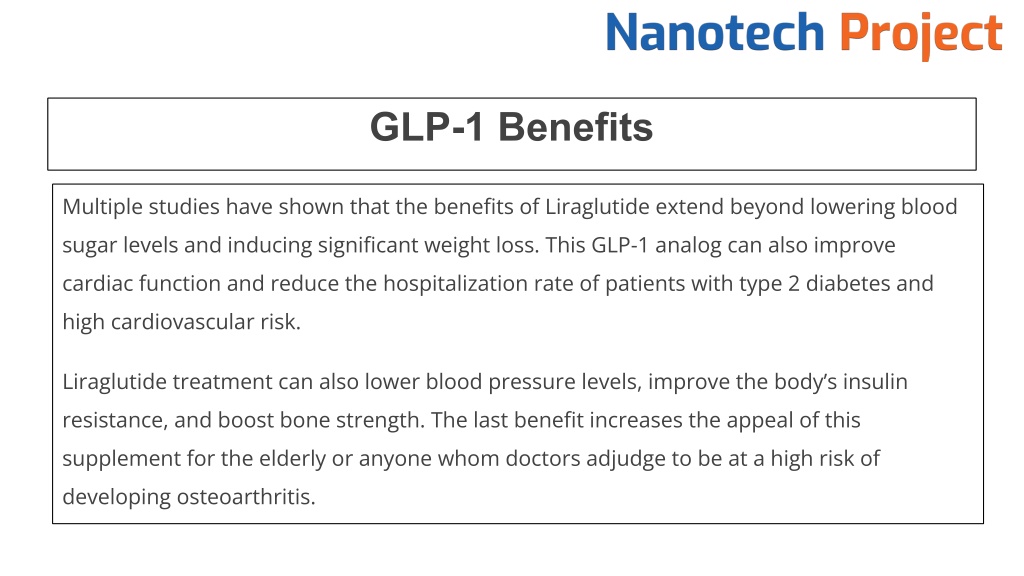
Research has shown that GLP-1 receptor agonists, which mimic the action of endogenous GLP-1, can improve insulin sensitivity and reduce inflammation in adipose tissue. This has led to the development of GLP-1 receptor agonists as therapeutic agents for type 2 diabetes and obesity.
GLP-1 and Insulin Resistance: New Insights
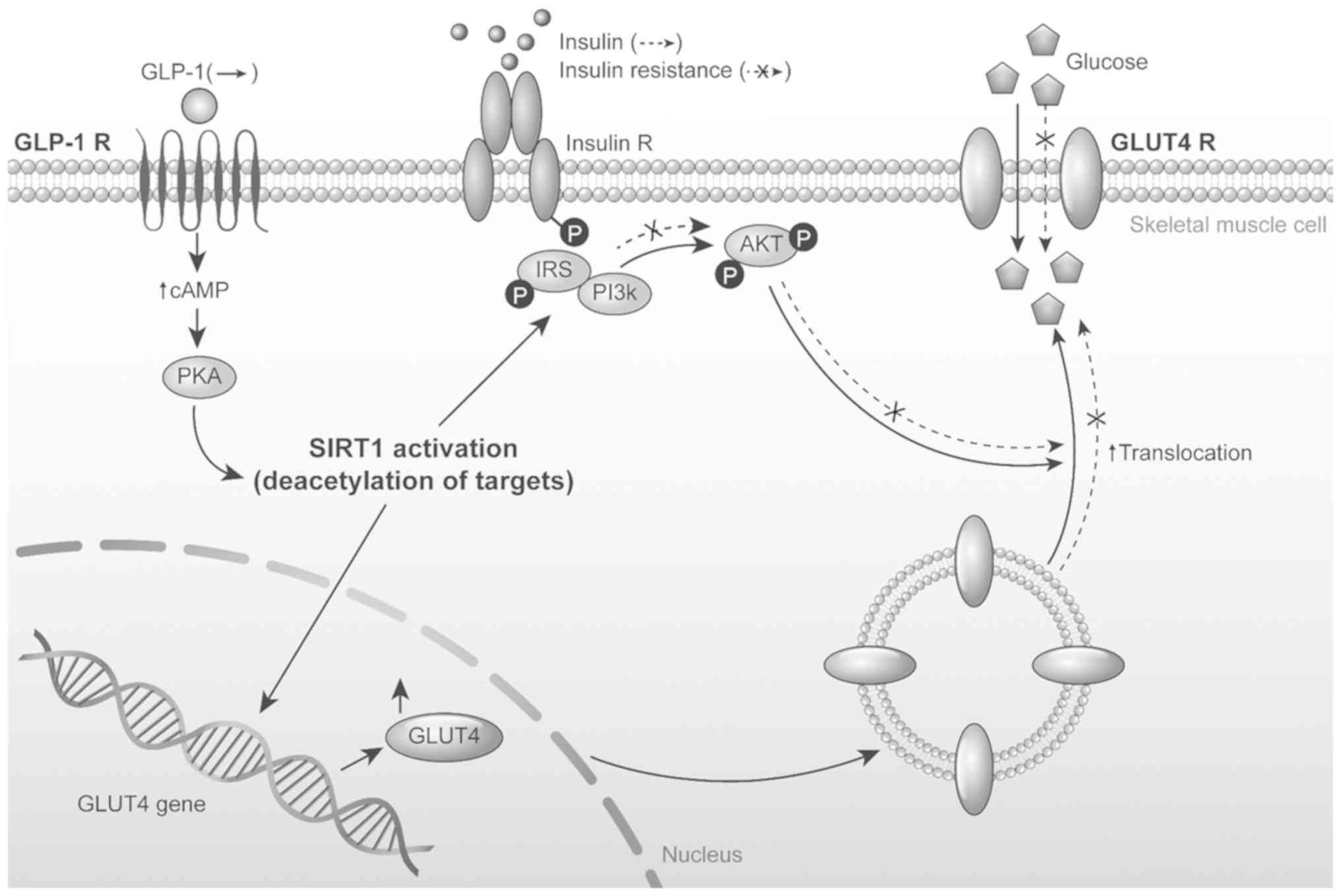
Studies have demonstrated that GLP-1 can enhance insulin action and reduce insulin resistance by stimulating glucose uptake in cells, suppressing glucagon secretion, and promoting satiety signals in the brain. Moreover, GLP-1 has been shown to regulate energy balance and reduce food intake, making it an attractive therapeutic target for weight loss and metabolic improvement.
Key Mechanisms of GLP-1 in Regulating Insulin Resistance:
- Enhances insulin sensitivity by stimulating glucose uptake in tissues
- Suppresses glucagon secretion from pancreatic alpha cells
- Regulates energy balance and reduces food intake
- Improves glucose homeostasis
- Reduces inflammation in adipose tissue
Protein Balance and GLP-1: A Critical Combination
Protein intake has been shown to enhance GLP-1 secretion, improve insulin sensitivity, and reduce inflammation. Adequate protein consumption at meals can also contribute to satiety and weight loss. This suggests that protein balance is a crucial component of GLP-1-based strategies for metabolic regulation.
Tips for Maintaining a Healthy GLP-1/Insulin Balance
1. Eat protein-rich meals to enhance GLP-1 secretion and improve insulin sensitivity
2. Incorporate fiber-rich foods to reduce inflammation and improve glucose homeostasis
3. Engage in regular physical activity, including resistance training, to improve insulin sensitivity and enhance GLP-1 secretion
4. Manage blood glucose levels through a balanced diet and regular monitoring
5. Consider using GLP-1 receptor agonists as a therapeutic option for type 2 diabetes and obesity
Conclusion
The intricate relationship between insulin resistance and GLP-1 protein balance is a complex aspect of metabolic regulation. By understanding the mechanisms of GLP-1 and its effects on insulin sensitivity, we can develop effective strategies to manage metabolic disorders and improve overall health. A balanced diet, regular physical activity, and adequate protein intake are essential components of maintaining a healthy GLP-1/insulin balance.