Integrating Intermittent Fasting with GLP-1 Therapy for PCOS: A Novel Approach
Women with polycystic ovary syndrome (PCOS) often face a complex array of symptoms, including irregular menstrual cycles, insulin resistance, and unwanted weight gain. As a result, researchers have been seeking novel therapeutic approaches to manage these symptoms and improve PCOS outcomes. One promising area of focus has been the combination of intermittent fasting (IF) with GLP-1 receptor agonist (GLP-1RA) therapy.
What is Intermittent Fasting?
Intermittent fasting has gained popularity in recent years due to its purported benefits, including weight loss, improved heart health, and anti-aging properties. Among individuals with PCOS, IF may improve insulin sensitivity, balance hormones, and support weight management – all of which are crucial factors in addressing PCOS symptoms.
What is GLP-1 Therapy?
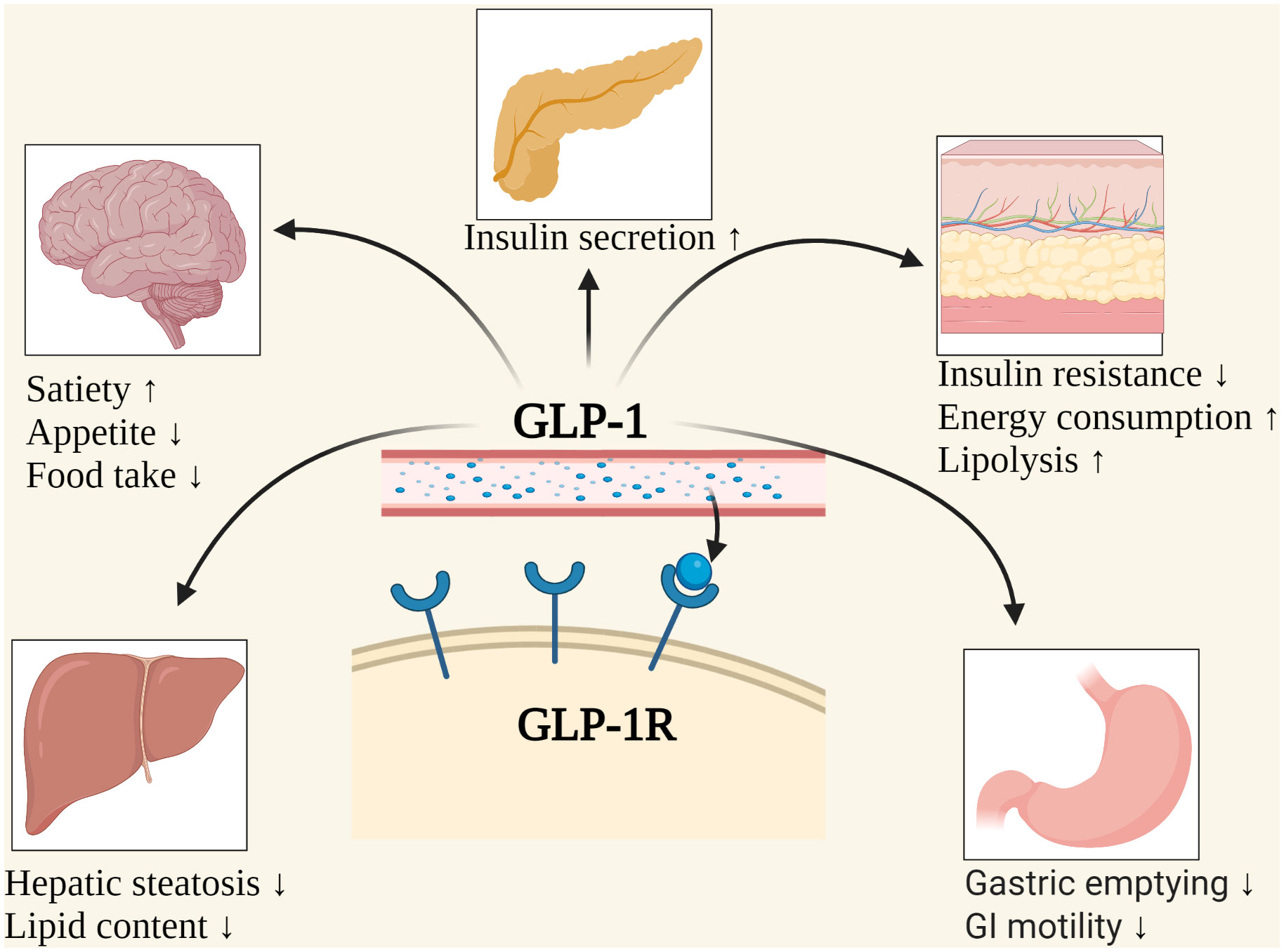
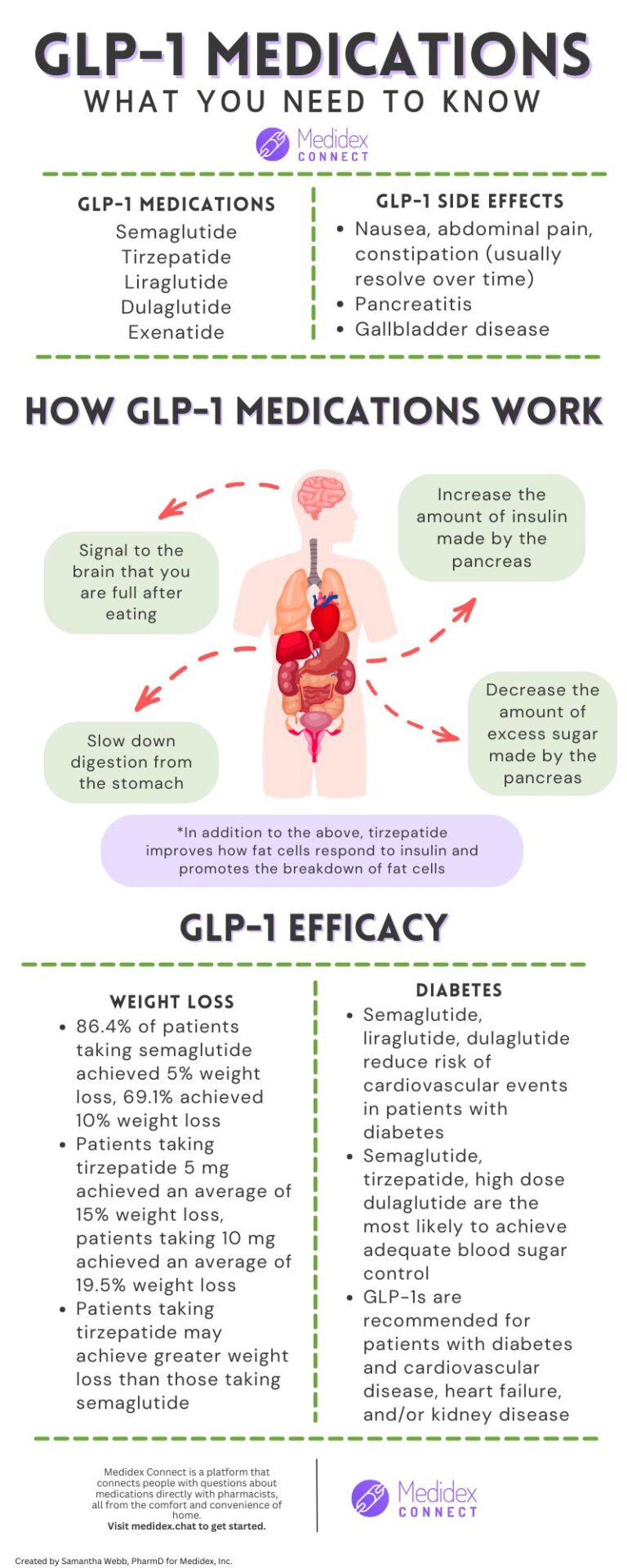
GLP-1 receptor agonists, such as semaglutide and tirzepatide, mimic the action of the naturally occurring hormone glucagon-like peptide-1, which regulates blood sugar levels and appetite. By slowing gastric emptying, reducing appetite, and improving insulin sensitivity, GLP-1RAs have shown promising results in weight loss and metabolic improvement in PCOS patients.
Combined Benefits of Intermittent Fasting and GLP-1 Therapy for PCOS
Research suggests that integrating IF with GLP-1RA therapy may provide a synergistic effect, leading to enhanced benefits for PCOS patients. This approach addresses both the metabolic and reproductive aspects of the disease, offering a comprehensive treatment plan.
Key Benefits of Intermittent Fasting with GLP-1 Therapy for PCOS
- Improved insulin sensitivity and glucose control
- Enhanced weight loss and weight management
- Regulation of menstrual cycles and fertility
- Reduced androgen levels and improved reproductive hormones
How Does Intermittent Fasting with GLP-1 Therapy Work?

When combined, intermittent fasting and GLP-1 therapy can work together to:
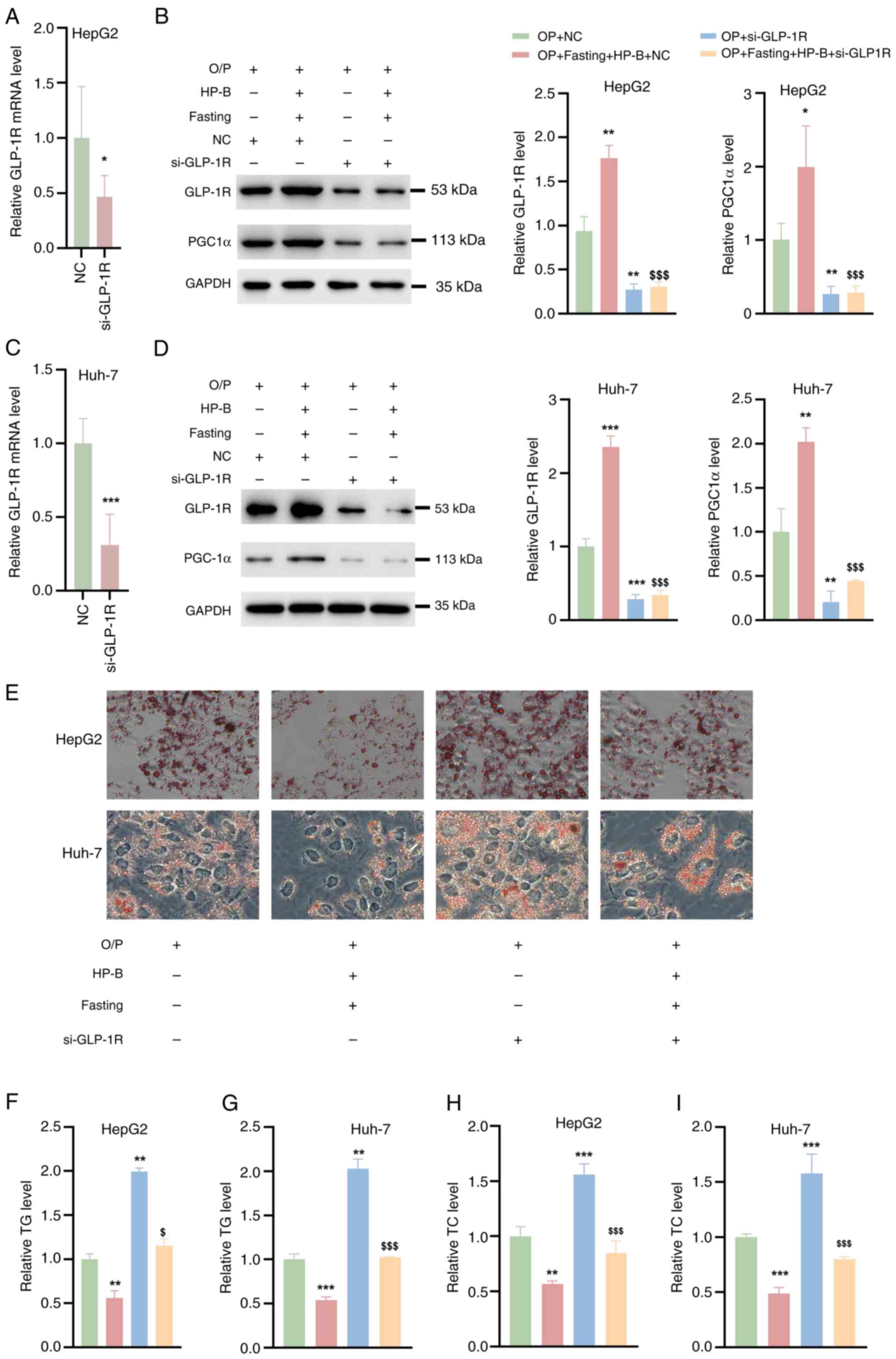
- Augment GLP-1 secretion and enhance its effects
- Improve insulin sensitivity through fasting-induced autophagy
- Regulate appetite and reduce hunger
- Support weight loss and weight management
What to Expect from Combining Intermittent Fasting with GLP-1 Therapy for PCOS
Patient success stories and case studies suggest that combining IF with GLP-1RA therapy can lead to remarkable improvements in PCOS symptoms. While individual results may vary, patients can expect to experience:
- Significant weight loss and weight management
- Improved menstrual regularity and fertility
- Reduced androgen levels and improved reproductive hormones
- Enhanced overall quality of life
Consult a Healthcare Professional Before Combining Intermittent Fasting with GLP-1 Therapy for PCOS
Before initiating this combination therapy, patients should consult their healthcare provider to discuss the potential risks and benefits and determine the best approach for their individual needs. A tailored plan will ensure a safe and effective treatment experience.
Conclusion
Combining intermittent fasting with GLP-1 therapy presents a promising novel approach to managing PCOS symptoms. By addressing both the metabolic and reproductive aspects of the disease, this combination therapy has the potential to improve insulin sensitivity, facilitate weight loss, and regulate menstrual cycles. Patients and healthcare providers should work together to determine the best course of treatment for each individual, ultimately leading to improved outcomes for PCOS patients.