How to Incorporate GLP-1 Agonists into a Traditional Diet
GLP-1 agonists have revolutionized the management of type 2 diabetes and obesity in recent years. These medications are designed to mimic the action of the hormone glucagon-like peptide-1, which helps regulate blood sugar levels and promotes weight loss. However, incorporating GLP-1 agonists into a traditional diet requires a thoughtful approach to ensure maximum effectiveness and minimize potential side effects.
Understanding GLP-1 Agonists
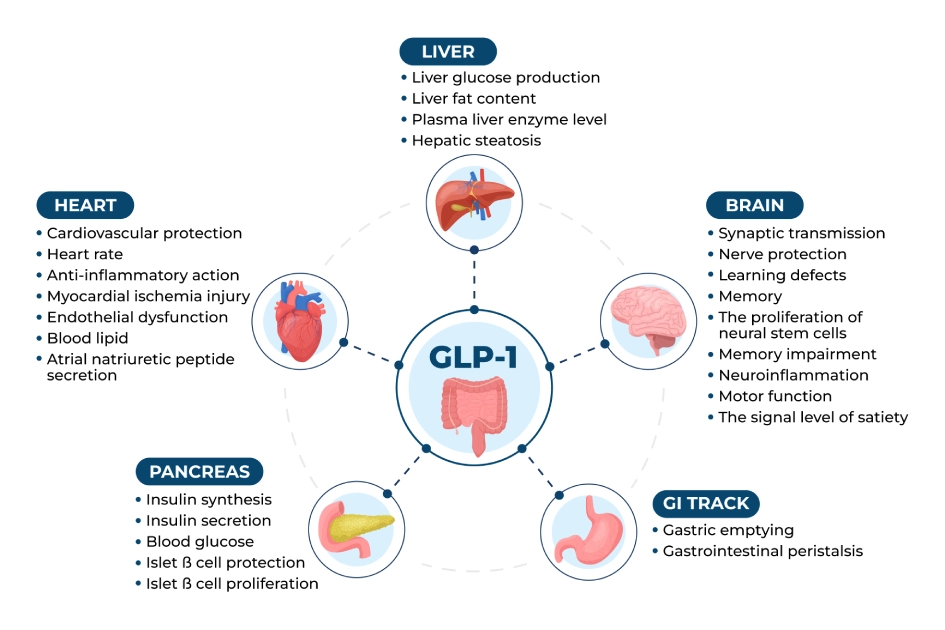
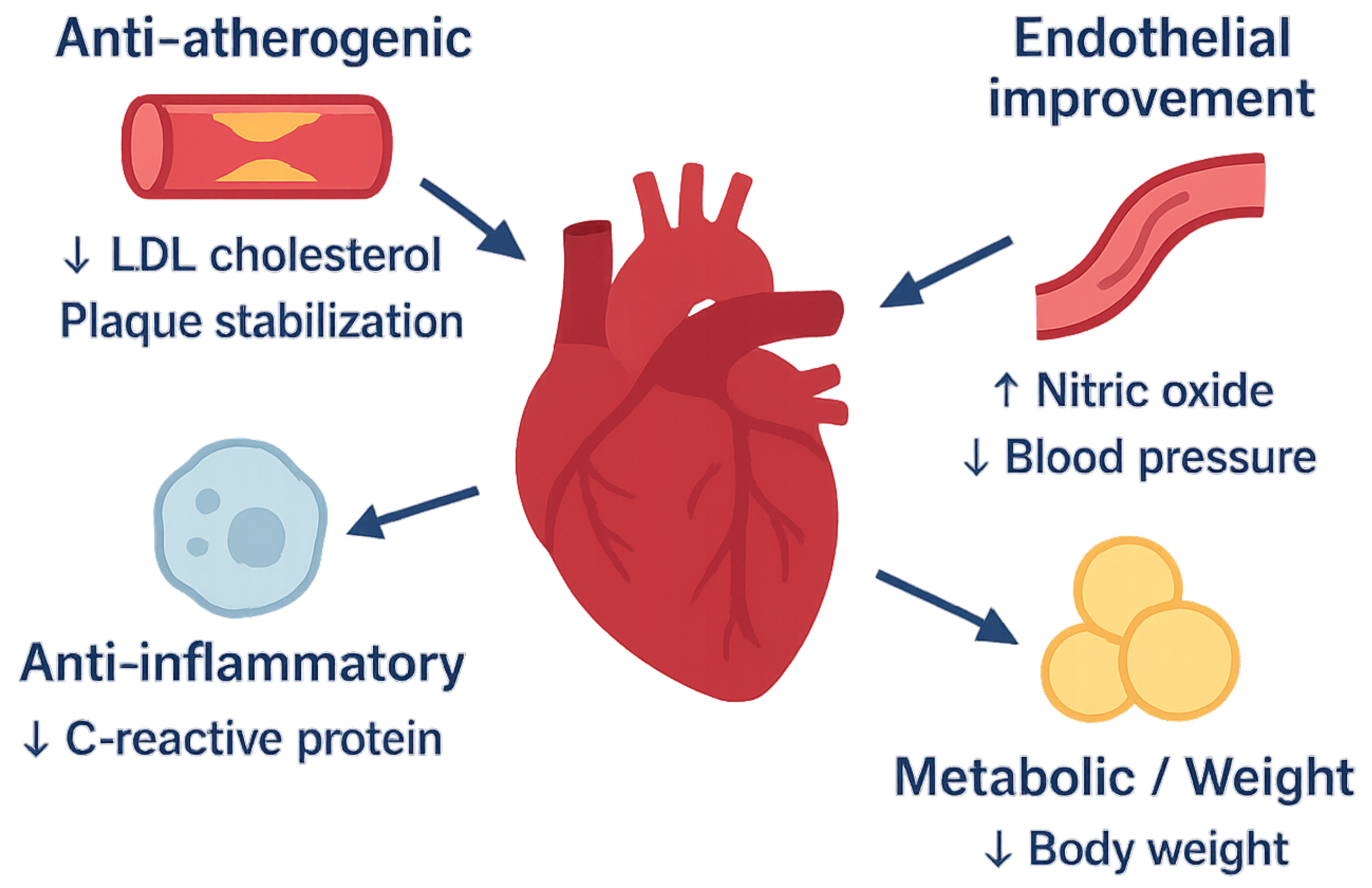
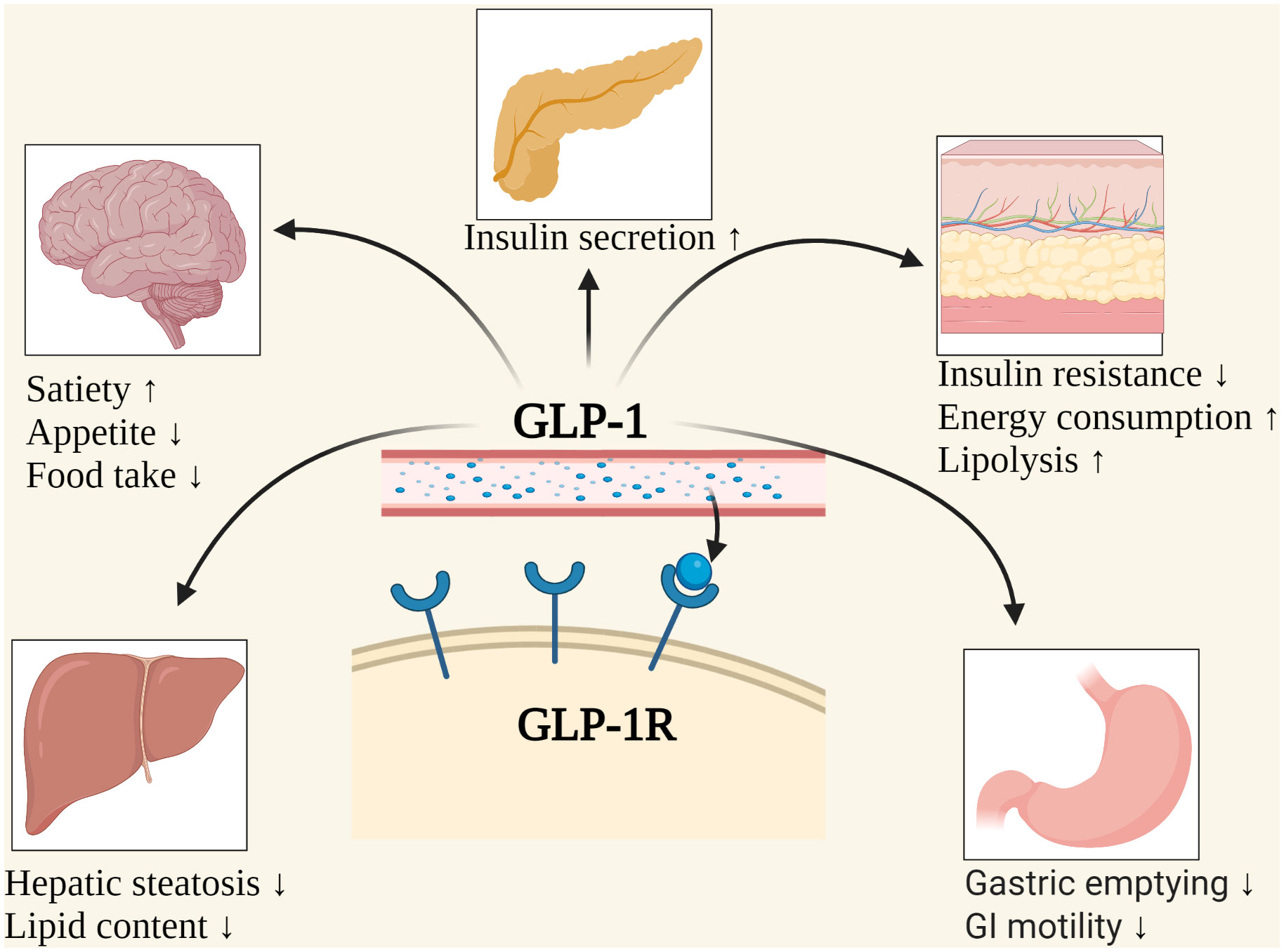
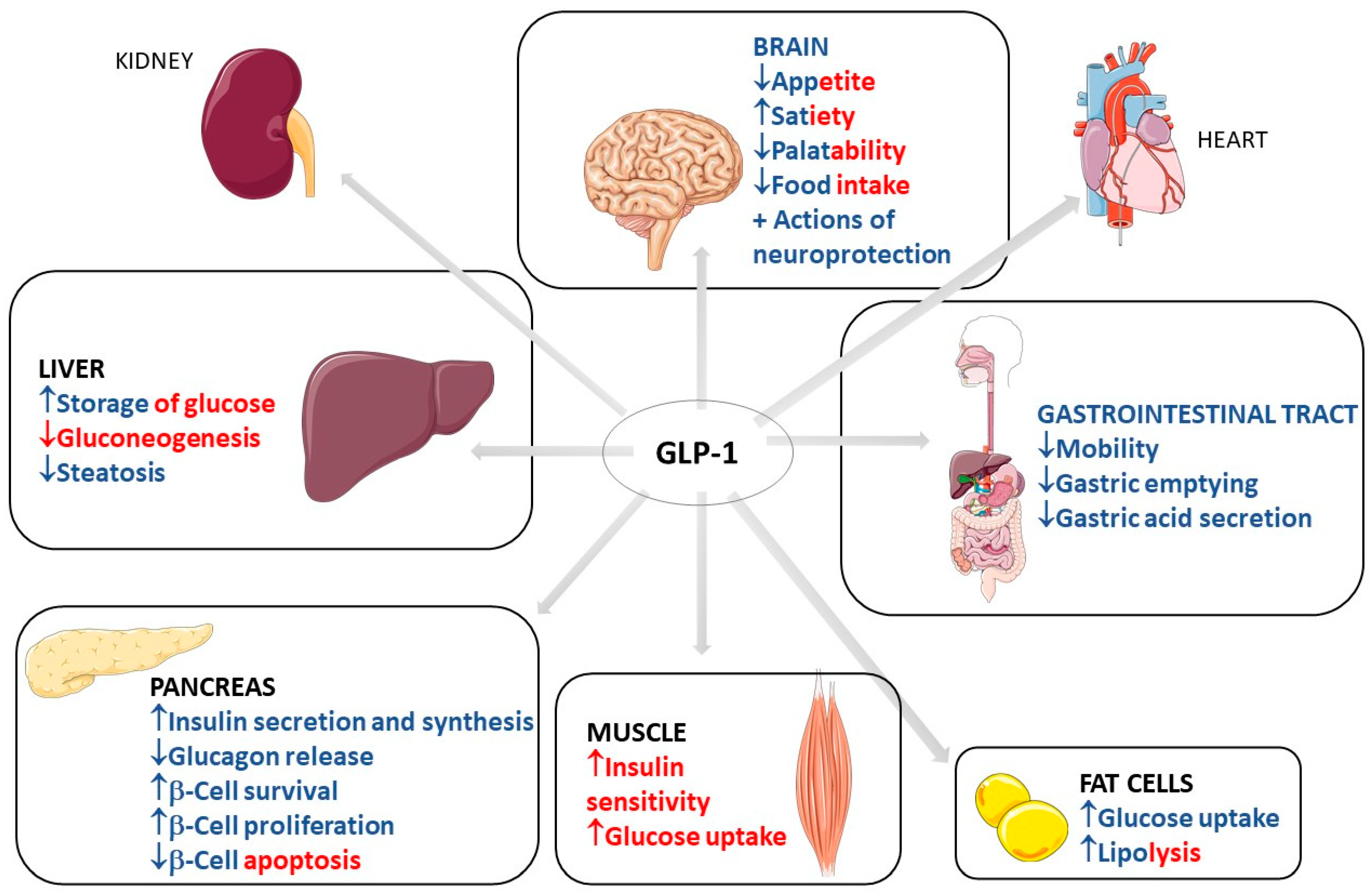
GLP-1 agonists, such as semaglutide (Wegovy) and tirzepatide (Zepbound), work by binding to specific receptors in the brain, pancreas, and stomach, producing a range of effects that help with weight loss and blood sugar control. These medications can cause significant reductions in hunger and improve appetite regulation, making it easier to stick to a balanced diet and exercise plan.
Key Principles of a GLP-1 Diet
- High-protein intake**: GLP-1 agonists work best in conjunction with a diet that is rich in protein, as amino acids can help stimulate the release of GLP-1 in the gut.
- Low-carb diet**: Foods high in sugar and refined carbohydrates can blunt the effects of GLP-1 agonists, so it's essential to focus on whole, unprocessed foods.
- Healthy fats**: Incorporating healthy fats, such as avocado and nuts, into your diet can help support the production of GLP-1 and promote feelings of fullness.
- Regular exercise**: Regular physical activity is essential to enhancing the effects of GLP-1 agonists and promoting overall health.
- Hydration**: Adequate hydration is crucial to maintaining proper gut function and supporting the effects of GLP-1 medications.
Strategies for Managing Side Effects
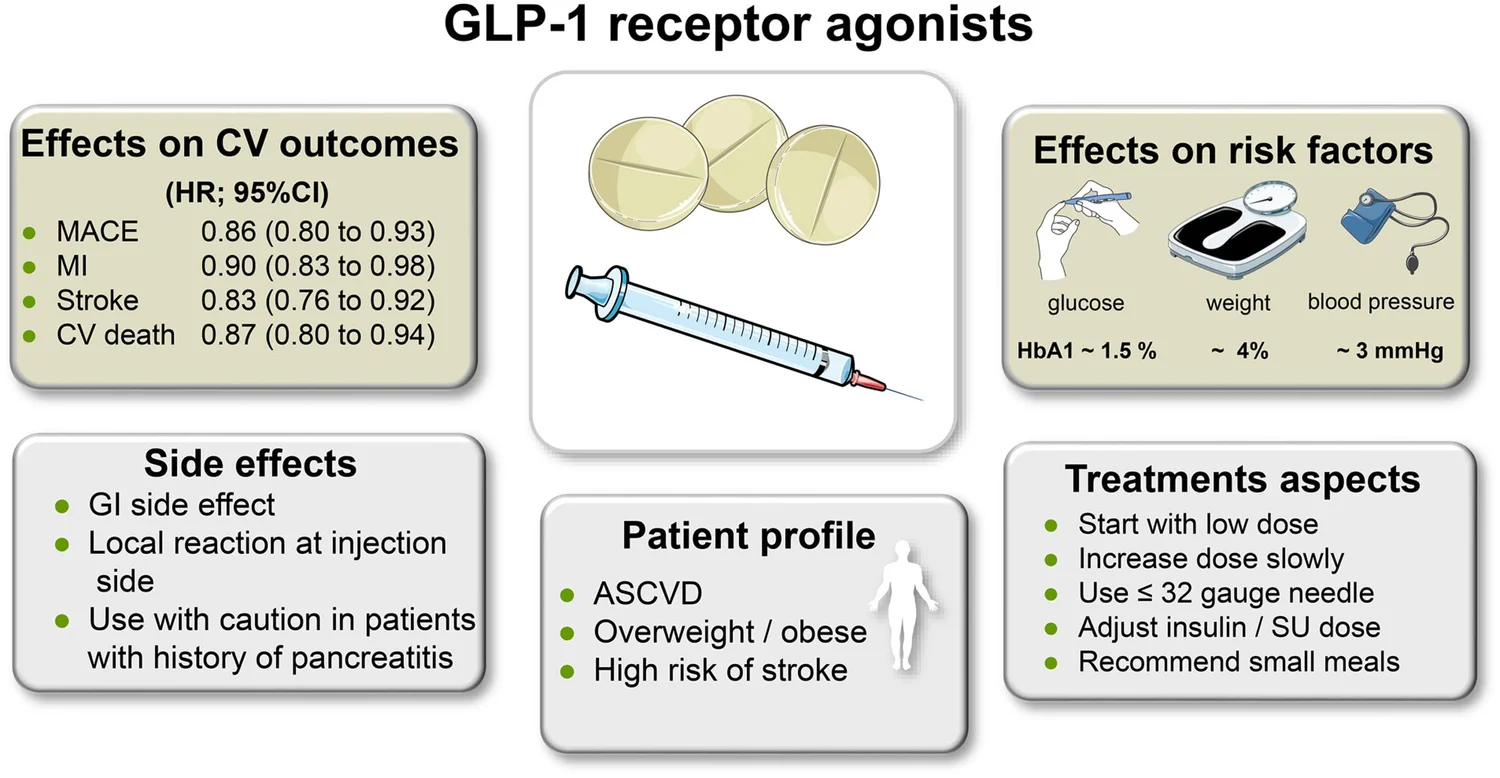
While GLP-1 agonists can be highly effective, they can also cause side effects, such as nausea, vomiting, and diarrhea. To minimize these effects, consider the following strategies:
- Choose a low-dose starting regimen**: Gradually increasing the dose of your GLP-1 agonist can help minimize side effects.
- Stay hydrated**: Adequate hydration can help reduce the severity of side effects related to nausea and vomiting.
- Eat smaller, more frequent meals**: This can help reduce symptoms of nausea and vomiting by avoiding large, heavy meals.
- Incorporate fiber-rich foods**: Fiber can help support the growth of beneficial gut bacteria and reduce the risk of gastrointestinal side effects.

GLP-1 Meal Ideas
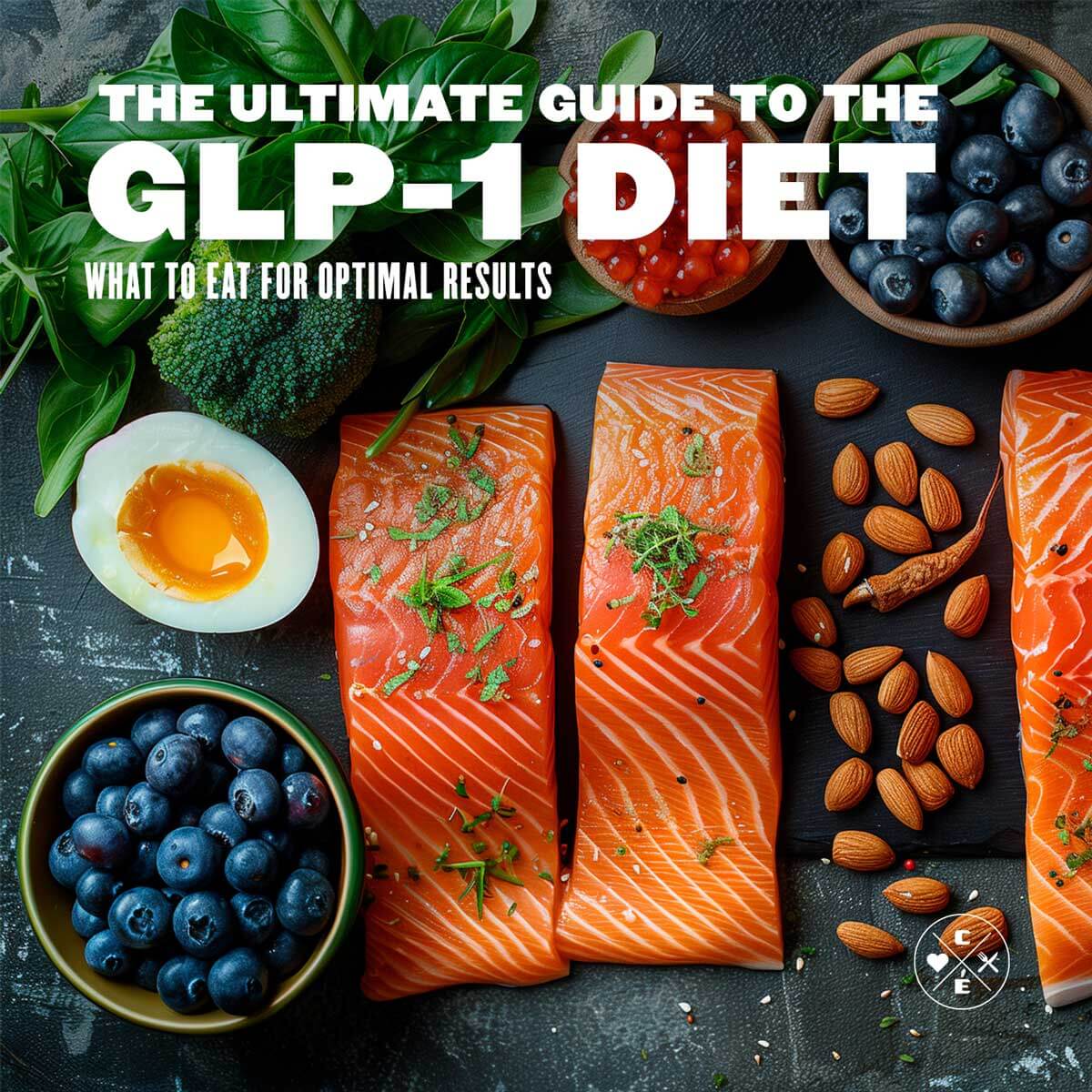
Designing a GLP-1-friendly meal plan can help you maximize the benefits of your medication and minimize side effects. Consider incorporating the following foods into your diet:
- Lean protein sources**: Chicken, fish, and turkey are all excellent sources of protein to help stimulate GLP-1 production.
- Vegetables**: Focus on dark, leafy greens, broccoli, and other vegetables that are rich in fiber and antioxidants.
- Fruits**: Opt for fruits that are high in fiber and water content, such as apples and berries.
- Whole grains**: Choose whole grains, such as brown rice, quinoa, and whole-wheat bread, to provide sustained fiber and satiety.
Tips for Long-Term Success
Successful weight loss and maintenance with GLP-1 agonists require a comprehensive approach that includes medication, diet, and lifestyle changes. Consider the following tips to achieve long-term success:
- Monitor your side effects**: Regularly tracking your side effects can help you adjust your medication regimen and diet to minimize discomfort.
- Stay hydrated**: Adequate hydration is crucial to maintaining proper gut function and supporting the effects of GLP-1 medications.
- Regular exercise**: Regular physical activity is essential to enhancing the effects of GLP-1 agonists and promoting overall health.
- Seek support**: Join a support group or consult with a registered dietitian or healthcare provider to help you stay motivated and on track with your weight loss journey.
By incorporating the principles outlined in this article into your traditional diet, you can maximize the benefits of GLP-1 agonists and achieve successful weight loss and improved overall health.


![GLP-1 Diet: Foods to Eat, Avoid & Sample Meal Plan [2026]](https://weightlossdoctornj.com/wp-content/uploads/2025/06/GLP-1-Agonists-Explained-NJs-Guide-to-Tirzepatide-Benefits.jpeg "GLP-1 Diet: Foods to Eat, Avoid & Sample Meal Plan [2026]")