Repairing a Cracked Foundation: A Step-by-Step Guide
A cracked foundation is a common issue that can cause significant damage to your home's structure, lead to moisture intrusion, and compromise its value. By repairing a cracked foundation, you can prevent further damage, ensure your home's safety, and maintain its stability. In this article, we'll guide you through the process of repairing a cracked foundation, including identifying the types of cracks, gathering essential tools, and following a step-by-step repair process.
Identifying the Types of Cracks
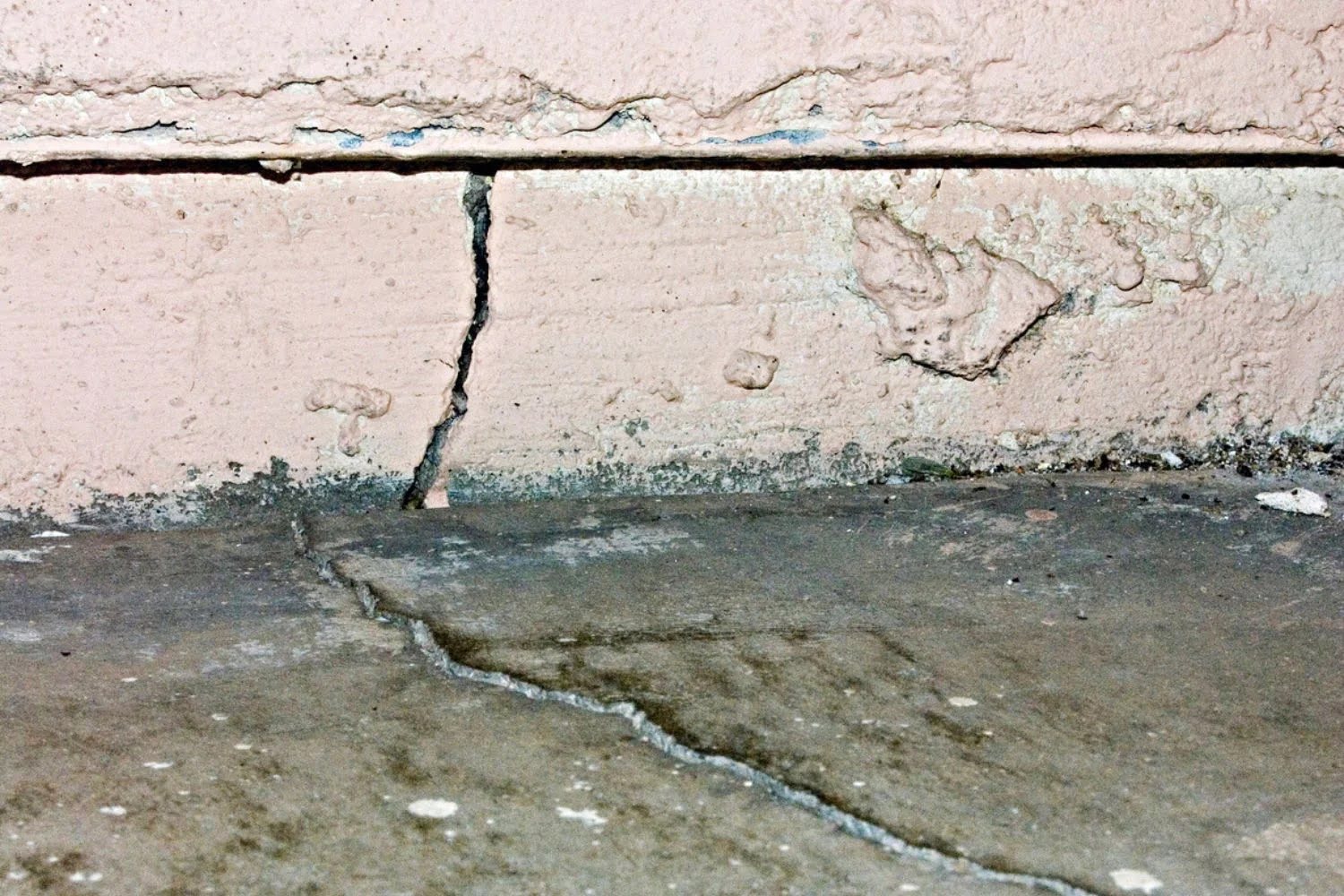
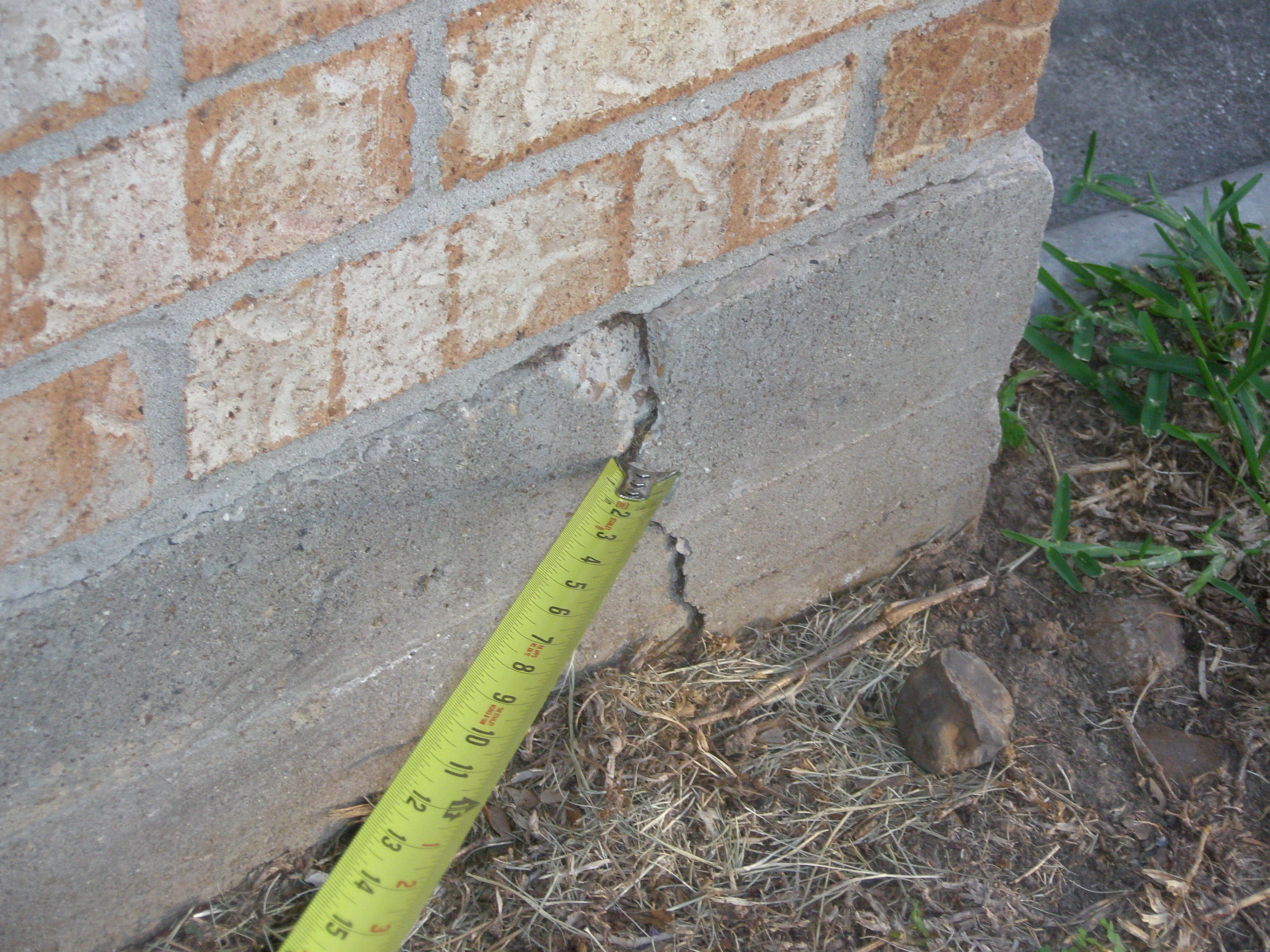
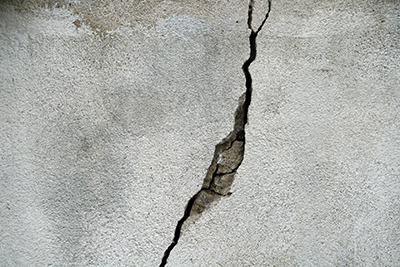
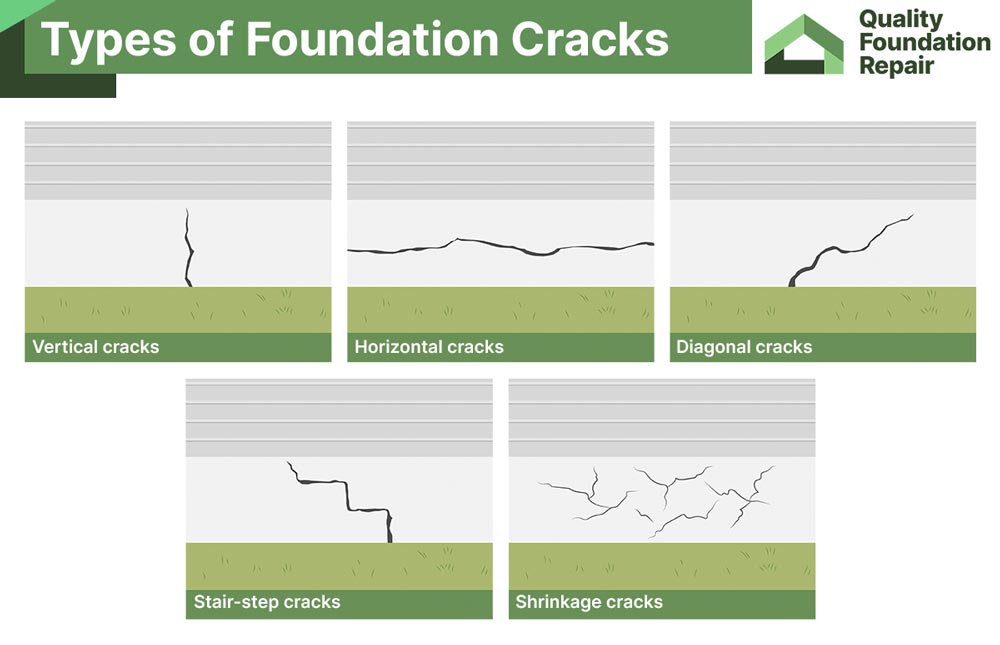
There are several types of cracks that can occur in a foundation, including:
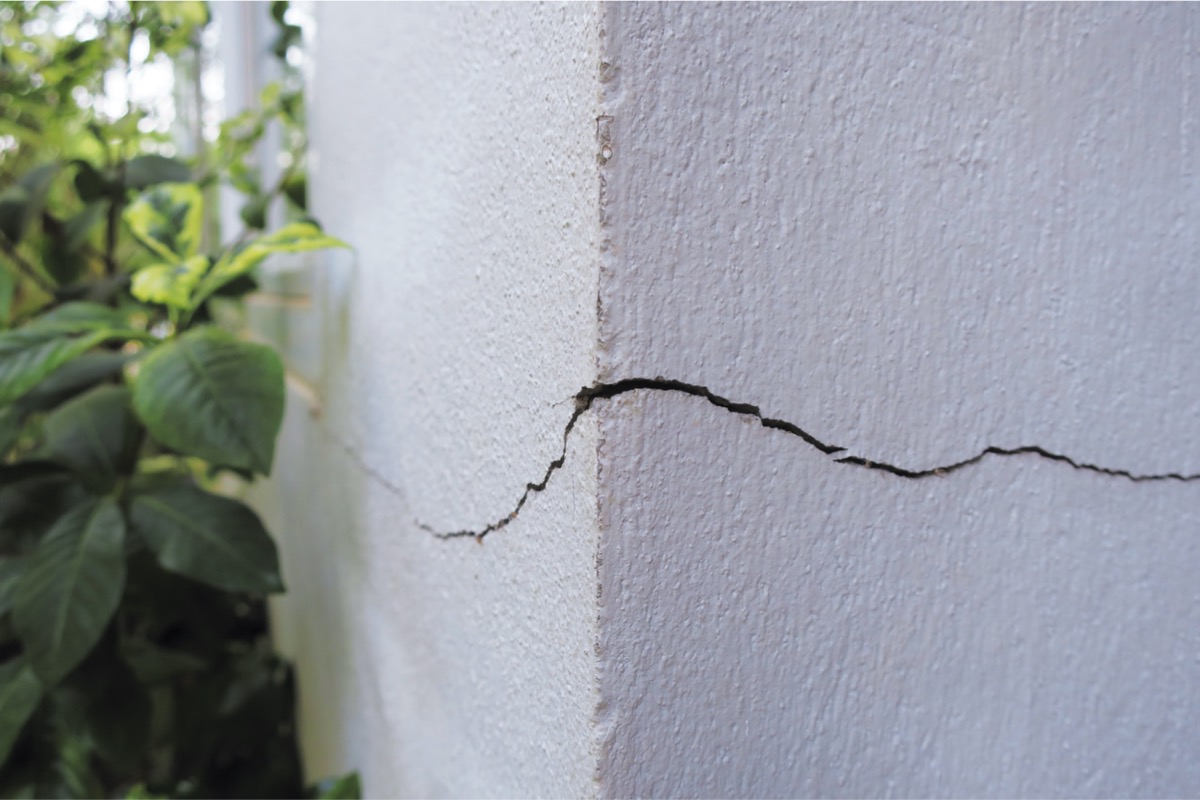
- Hairline cracks: These are small, narrow cracks that are often superficial and can be easily sealed with urethane caulk.
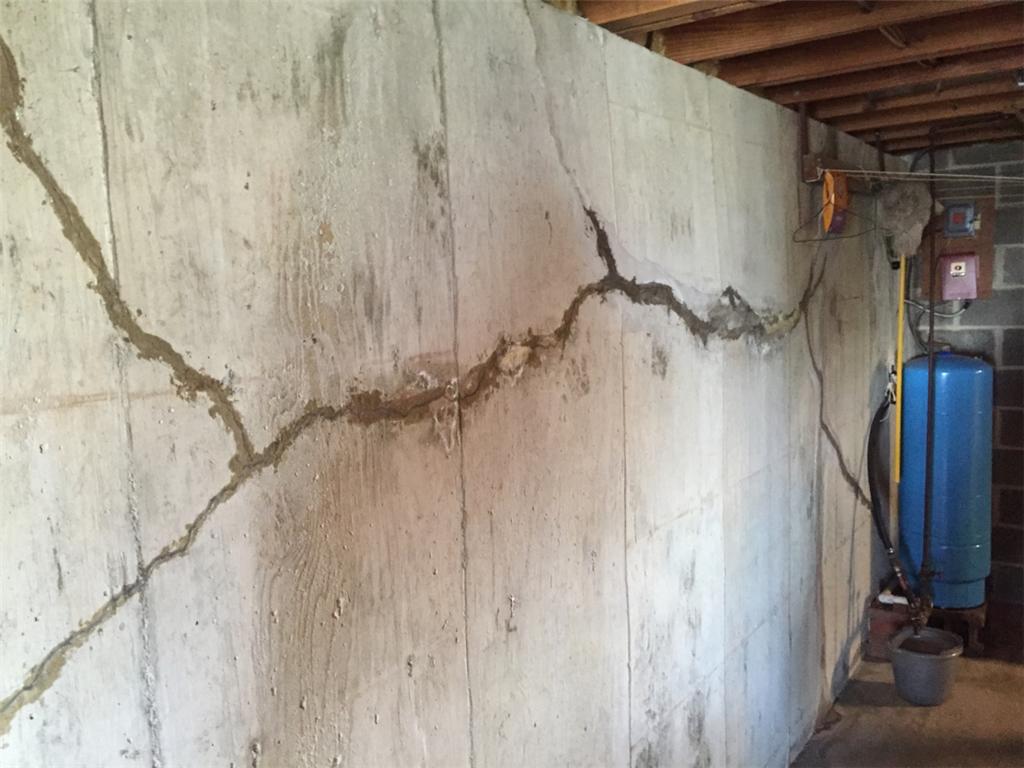
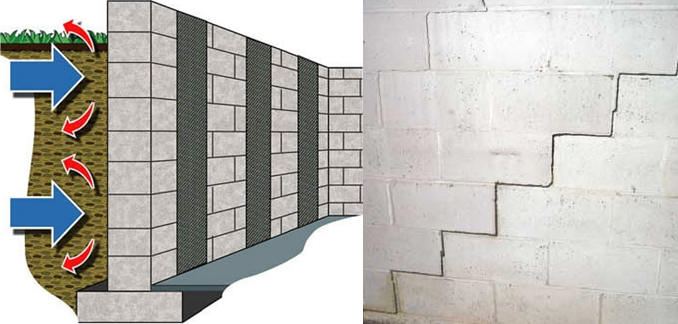
- Structural cracks: These cracks are wider and deeper, and can indicate a more serious issue with the foundation's structure.
- Settling cracks: These cracks occur when the foundation settles over time, often due to soil movement or natural settlement.
- Water-related cracks: These cracks are caused by moisture infiltration and can lead to more extensive damage if left unaddressed.
Preparation and Safety Precautions
Before starting the repair process, it's essential to take necessary safety precautions:
- Clear the area around the crack of any debris or obstructions.
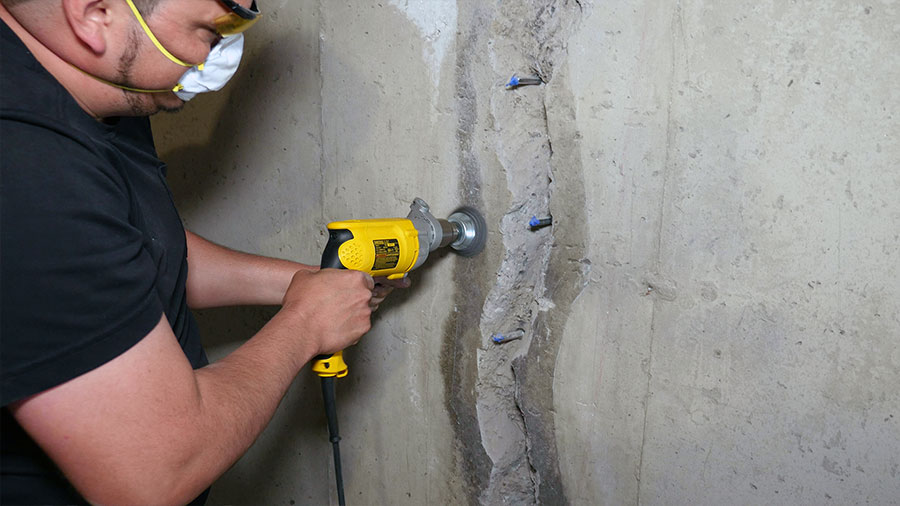
- Wear protective gear, including gloves, safety glasses, and a dust mask.
- Check local building codes and permits required for the repair.
Step 1: Cleaning the Area
Begin by thoroughly cleaning the area around the crack with a wire brush to remove dirt and debris.
Next, use a putty knife or scraper to remove any loose material and smooth out the surrounding area.
Step 2: Applying a Bonding Agent
Apply a bonding agent, such as a concrete bonding adhesive, to the affected area to create a strong bond between the new material and the existing foundation.
Step 3: Filling the Crack

Use a high-quality concrete repair compound, such as an epoxy-based or polyurethane-based product, to fill the crack.
Apply the compound in small sections, using a putty knife or trowel to ensure it's evenly filled and smooth.
Step 4: Sealing the Crack
Once the compound is set, use a finisher or a rubber sealant to seal the crack, preventing further moisture infiltration.
Apply additional coats as needed to ensure a watertight seal.
Step 5: Inspecting and Testing
After the repair is complete, inspect the area to ensure the crack is sealed and the surrounding area is smooth.
Perform a water test by applying water to the area to simulate real-world conditions and check for any leaks or further damage.
When to Seek Professional Help
While DIY repairs can be effective for minor cracks, larger or more complex issues may require professional assistance. Signs that you need to seek help include:
- Widespread or deep cracks.
- Cracks that are accompanied by structural damage or uneven floors.
- Moisture-related issues, such as water intrusion or efflorescence.
Conclusion
Repairing a cracked foundation is a crucial step in maintaining your home's integrity and preventing more extensive damage. By understanding the types of cracks, taking necessary safety precautions, and following a step-by-step repair process, you can effectively address minor cracks and prevent further issues. However, for larger or more complex problems, it's essential to seek the help of a professional contractor to ensure proper repair and a long-lasting fix.


![How To Repair Cement Block Foundation [Homeowner Guide]](https://amc911.com/wp-content/uploads/2023/11/Using-Epoxy-to-Repair-a-Shrinkage-Crack.jpg "How To Repair Cement Block Foundation [Homeowner Guide]")