Using Low-Carb Diet for Weight Loss: A Comprehensive Guide
Are you looking for a sustainable and effective way to lose weight? Consider using a low-carb diet as a powerful tool for your weight loss journey. A low-carb diet limits carbohydrates, often found in grains, starchy vegetables, and fruits, focusing on protein and fat-rich foods. This eating plan can be modified to suit different dietary needs and preferences, making it a popular choice for those seeking to shed excess pounds.
What is a Low-Carb Diet?
Low-carb diets vary in their approach, but fundamentally, they restrict carbohydrate intake and emphasize whole, nutrient-dense foods. The diet helps individuals by reducing insulin levels, which can lead to improved blood sugar control, increased energy, and enhanced weight loss. When followed correctly, a low-carb diet can lead to sustained weight reduction and overall improved health.
Benefits of a Low-Carb Diet for Weight Loss
- Improved Weight Loss: By reducing carb intake, individuals may experience significant weight loss due to the body's reliance on stored fat for energy
- Increased Energy: As the body adapts to using fat as a primary energy source, individuals may experience boosted energy levels
- Improved Blood Sugar Control: Limiting carbohydrate intake can help regulate blood sugar levels, reducing the risk of type 2 diabetes and other related health issues
- Reduced Inflammation: Some research suggests that low-carb diets may reduce inflammation, which is a factor in various chronic diseases
- Better Digestion: Low-carb diets may lead to improved nutrient absorption and reduced bloating due to the reduced processing and increased fiber intake
Popular Low-Carb Diets
The low-carb diet has various forms, including:
- Atkins Diet: A very low-carb diet that restricts carb consumption over several phases
- Paleo Diet: Focuses on whole, unprocessed foods from the Paleolithic era, excluding grains and dairy
- Whole30: A 30-day diet that restricts grains, dairy, and processed foods
- Keto Diet: A low-carb, high-fat diet that puts the body in a state of ketosis, using stored fat for energy
Transitioning to a Low-Carb Diet
When starting a low-carb diet, it's essential to understand the initial transition period may take some time. During the first two weeks, you may experience flu-like symptoms, such as headaches, fatigue, and brain fog. However, once your body adjusts, you can expect to experience improved energy and reduced cravings for high-carb foods.
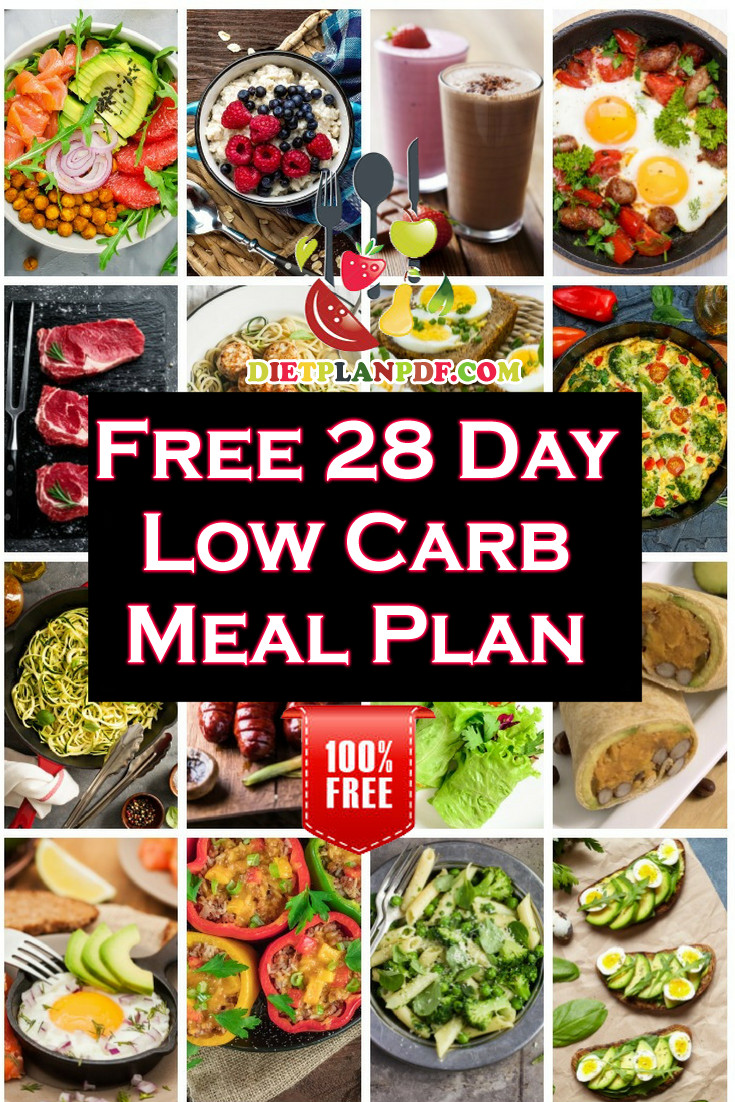
Low-Carb Foods to Eat and Avoid
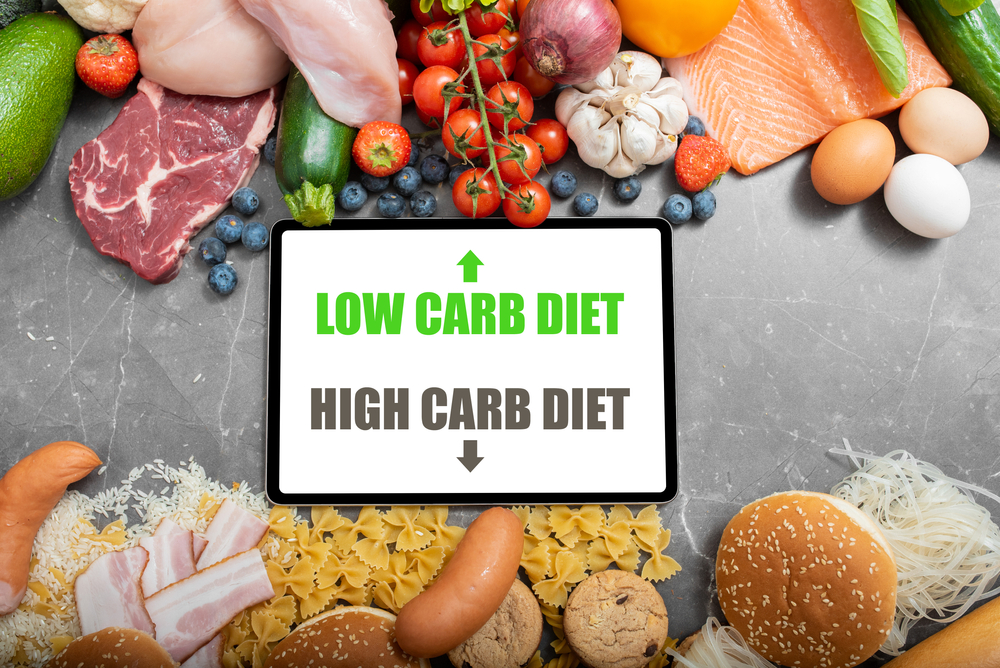
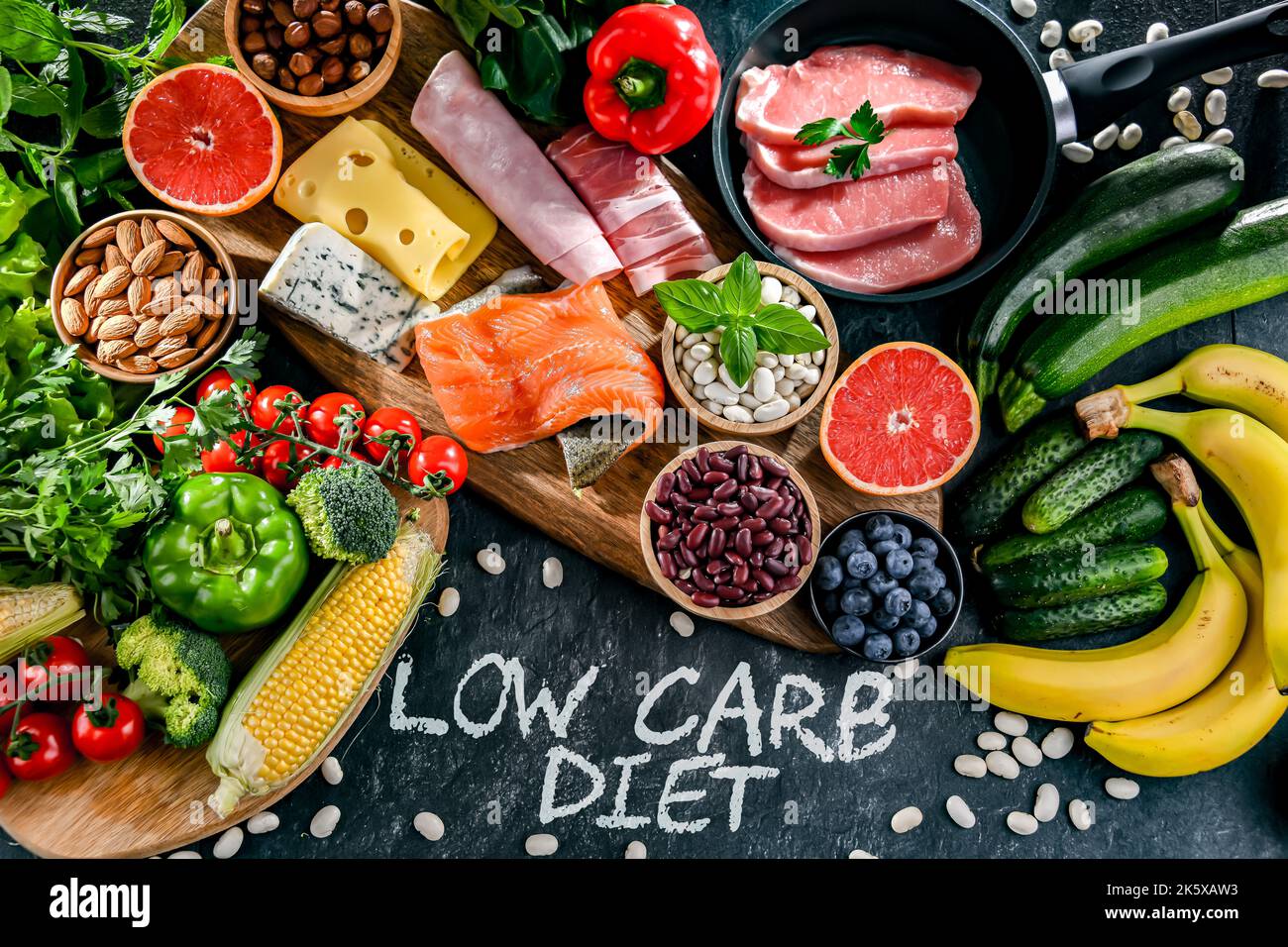
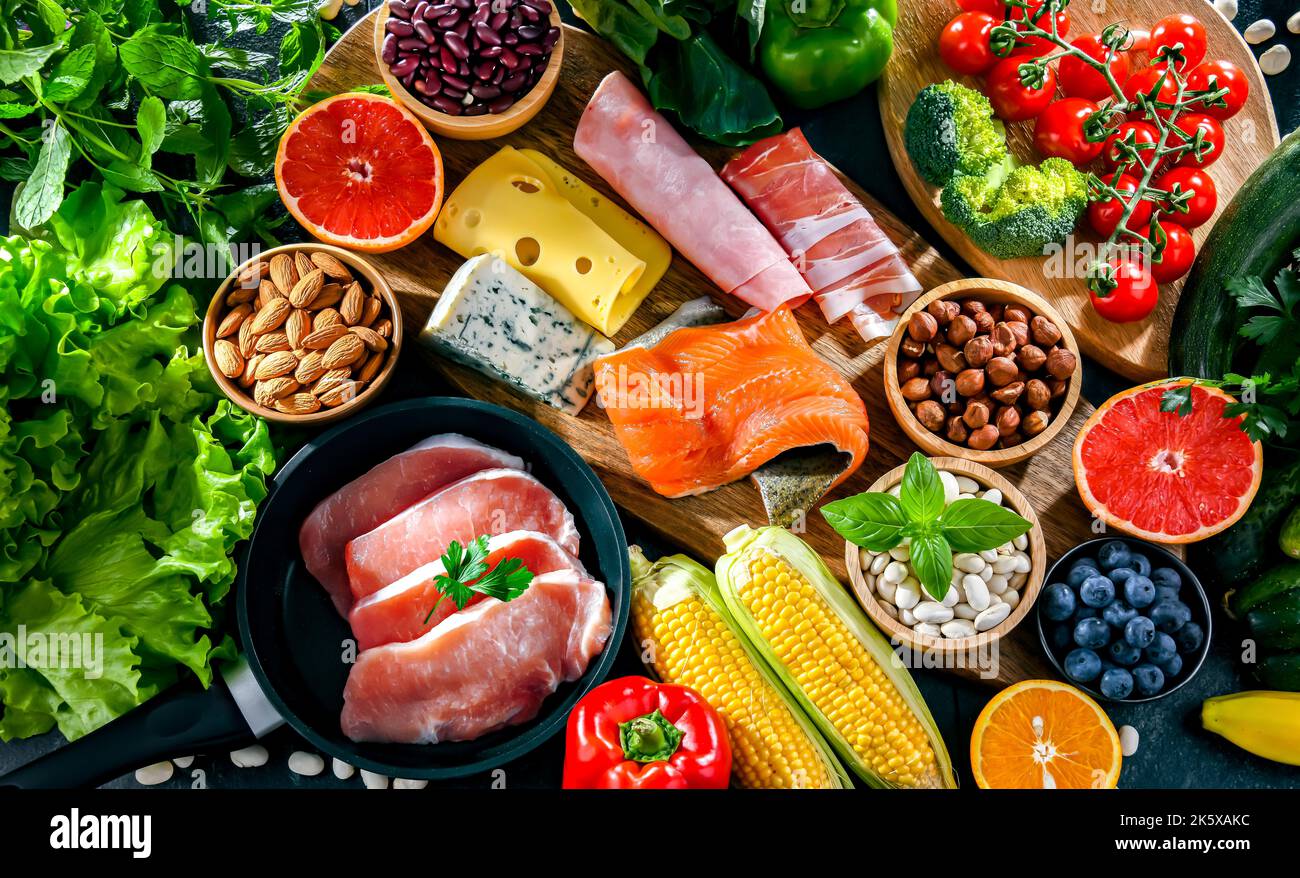
Focus on nutrient-dense foods that are rich in protein and fat, including:
- Meat: Grass-fed beef, chicken, fish, and pork
- Vegetables: Dark leafy greens, broccoli, cauliflower, and asparagus
- Healthy Fats: Nuts, seeds, avocados, and olive oil
- Low-Carb Fruits: Berries, citrus fruits, and tomatoes
Avoid high-carb foods, such as:
- Grains: Bread, pasta, rice, and cereals
- Sugar-Rich Foods: Candy, cookies, and sugary snacks
- Starchy Vegetables: Potatoes, corn, and peas
Sample Low-Carb Meal Plan
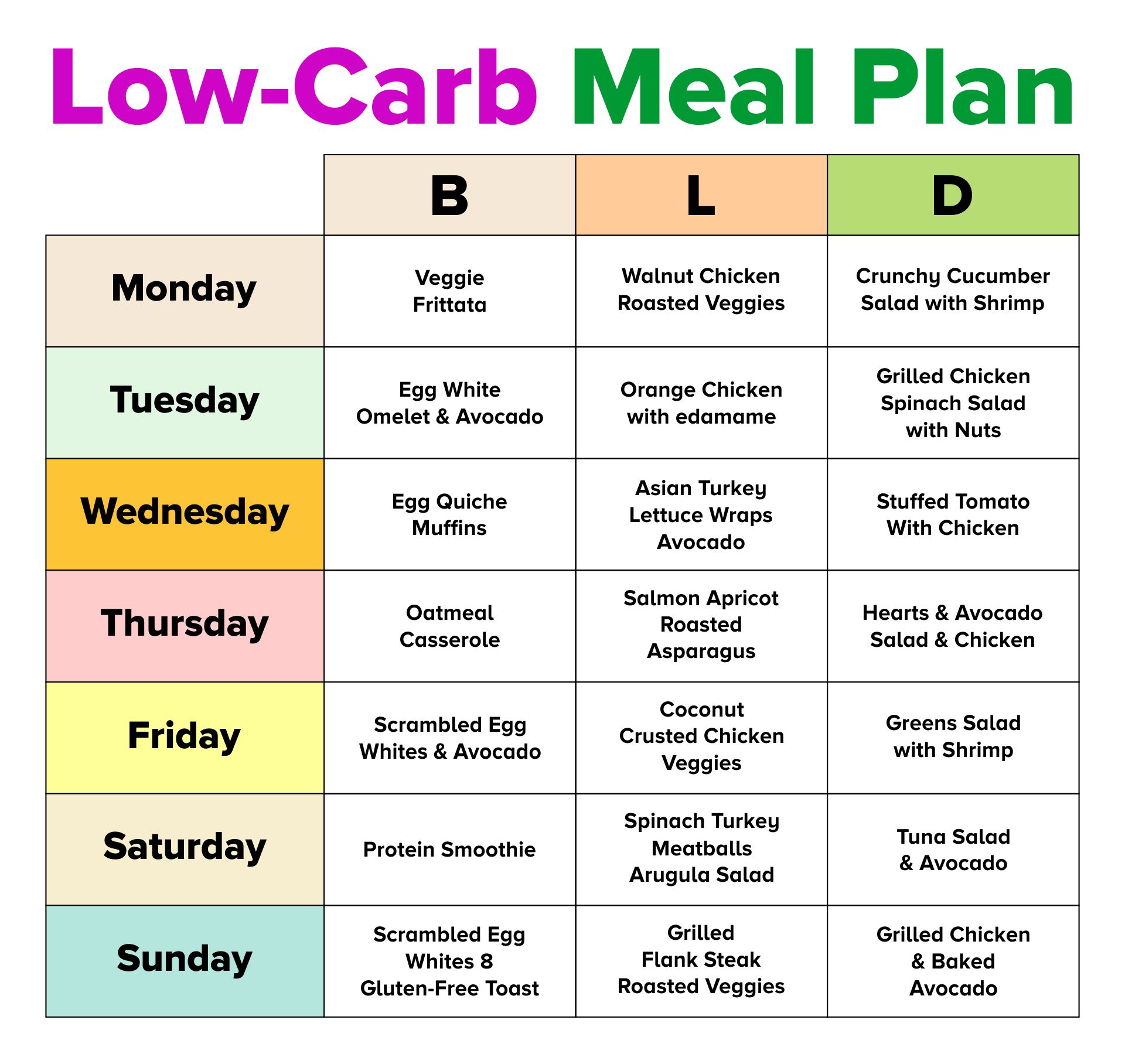
Here's a basic sample meal plan to get you started:
- Breakfast: Scrambled eggs with spinach and avocado
- Snack: Celery sticks with almond butter
- Lunch: Grilled chicken breast with roasted vegetables
- Snack: Handful of almonds and cheddar cheese
- Dinner: Baked salmon with cauliflower mash and a side salad
Conclusion
Using a low-carb diet for weight loss can be an effective way to achieve your goals while improving overall health. Remember to focus on nutrient-dense foods, stay hydrated, and listen to your body during the initial transition period. Consult with a healthcare professional before making any significant changes to your diet, and explore various low-carb options to find the best approach for your needs and preferences.