Setting Up Wireless Network Best Practices: A Comprehensive Guide
Are you looking to set up a wireless network in your home or business, but unsure of the best practices to follow? Look no further. In this article, we will explore the key considerations and best practices for setting up a reliable, fast, and secure wireless network.
Understanding Your Wireless Network Requirements
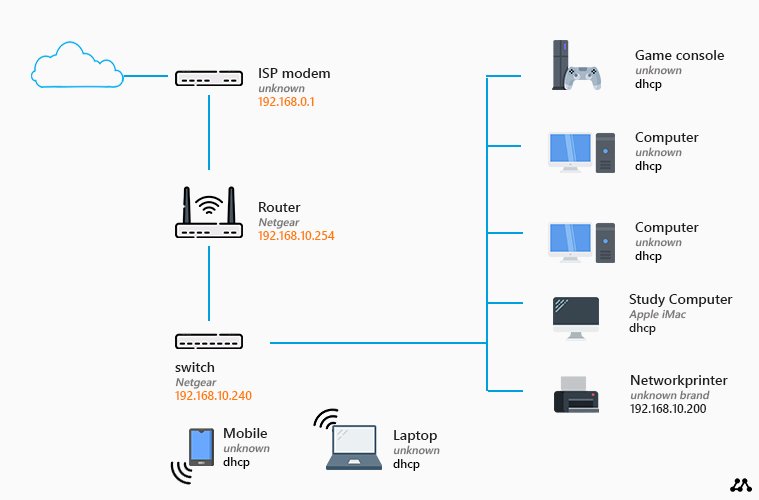
Before setting up a wireless network, it's essential to understand your requirements. Consider the number of devices that will be connected to the network, the type of devices (e.g., laptops, smartphones, tablets), and the intended use of the network (e.g., streaming videos, online gaming, file sharing).
- Assess Your Network Requirements: Determine the number of devices, device types, and intended use to ensure you invest in the right equipment and configuration.
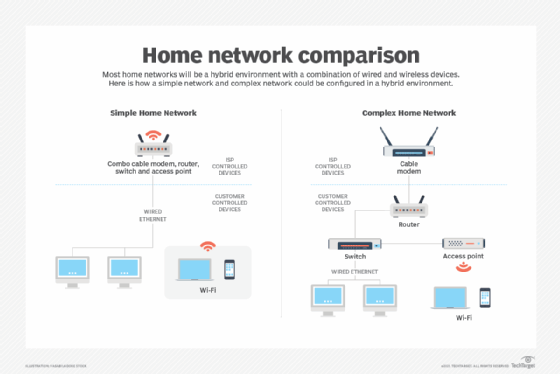
- Choose the Right Equipment: Select a reliable router, modem, and other necessary equipment to ensure a stable and fast connection.
Wi-Fissidsetup: Best Practices
When setting up a wireless network, it's essential to choose a reliable and secure Wi-Fi SSID (Network Name). Here are some best practices to follow:
- Use a Strong Network Name: Choose a unique and descriptive network name to avoid confusion with other networks.
- Change the Default SSID: Avoid using the default SSID provided by the manufacturer, as it may be easily guessable.
- Use a Strong Password: Create a strong and unique password to secure your network.
Network Security and Configuration

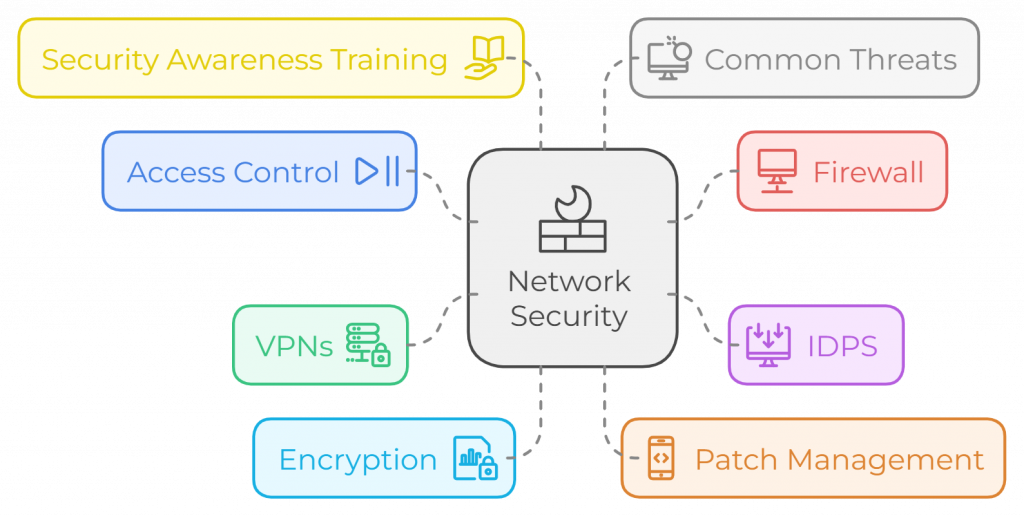
Network security is crucial to protect your data and devices from unauthorized access.
- Enable WPA2 Encryption: Use WPA2 (Wi-Fi Protected Access 2) encryption to secure your network and protect your data.
- Set Up a Guest Network: Create a guest network to provide internet access to visitors without compromising your main network.
- Implement Quality of Service (QoS): Ensure critical applications and devices receive prioritytraffic to maintain optimal performance.
Wireless Network Optimization
Optimizing your wireless network is crucial to ensure reliable and fast connectivity.
- Choose the Right Channel: Select the least congested channel to minimize interference and improve performance.
- Adjust the SSID Broadcast: Limit the SSID broadcast to only those devices that need to connect to the network.
- Implement a Wireless Access Control List (WACL): Limit access to the network based on device MAC addresses.
Conclusion
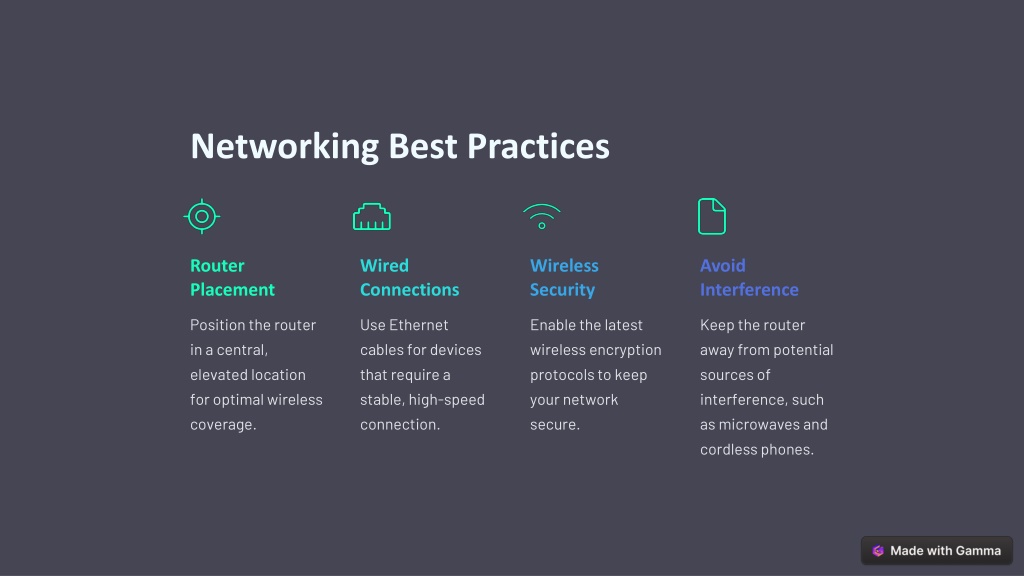
Setting up a wireless network requires careful planning, configuration, and management. By following these best practices, you can ensure a fast, reliable, and secure wireless network that meets the needs of your home or business.
By understanding your network requirements, choosing the right equipment, setting up a secure Wi-Fi SSID, implementing robust network security and configuration, and optimizing the wireless network, you can create a robust and scalable wireless infrastructure that supports your current needs and scales for future growth.


![Wi-Fi Design Best Practices [2026 Guide] - Ekahau](https://techoble.com/wp-content/uploads/2024/11/Set-Up-Strong-Passwords-and-Authentication-1024x576.jpg "Wi-Fi Design Best Practices [2026 Guide] - Ekahau")
![Wireless [WiFi] - Best Optimizing Practice 2.4GHz & 5GHz Network](https://www.magtelsystems.com/wp-content/uploads/2023/10/Securing-Your-Wireless-Network-in-Dubai-Best-Practices-with-Grandstream-Access-Points.png "Wireless [WiFi] - Best Optimizing Practice 2.4GHz & 5GHz Network")