Suppressed Appetite and GLP-1: Understanding the Connection
Introduction
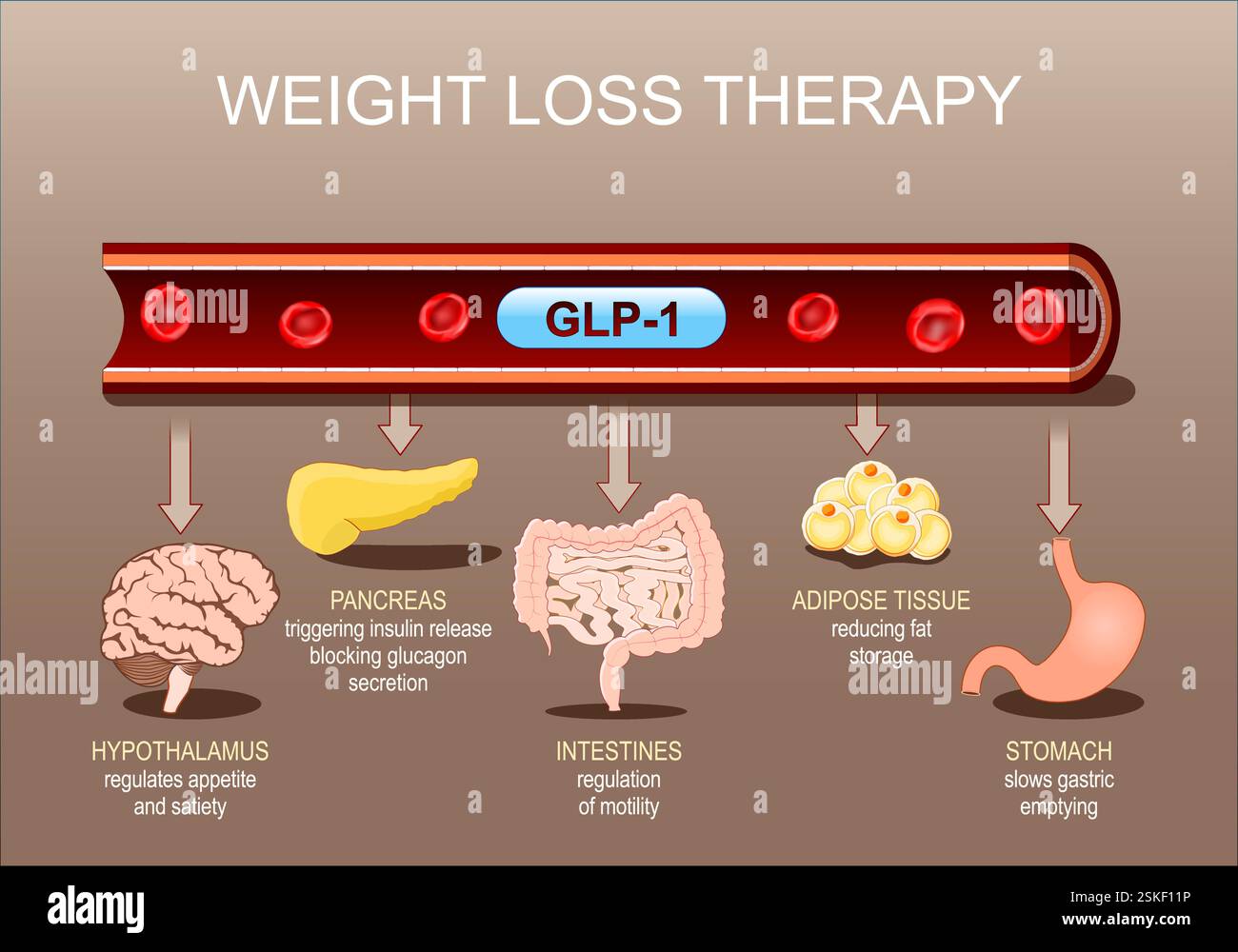
The human body is equipped with a complex system to regulate hunger and satiety signals, ensuring that we consume the necessary nutrients for optimal health. Among the key players in this system is the glucagon-like peptide-1 (GLP-1) hormone, which plays a significant role in suppressing appetite and regulating food intake.GLP-1 is a hormone produced by the small intestine and colon in response to food ingestion, and it acts on the brain's hypothalamus to help regulate appetite and satiety signaling. When GLP-1 levels are high, it signals the brain to reduce appetite, leading to a decrease in hunger and calorie intake.
How GLP-1 Suppresses Appetite
Research has shown that GLP-1's anorectic (appetite-suppressing) effects are mediated through various mechanisms, including:- Reducing neuropeptide Y (NPY) release, a neurotransmitter that stimulates hunger
- Increasing proopiomelanocortin (POMC) release, a protein involved in regulating appetite and energy balance
- Activating the brain's parasympathetic nervous system, leading to a decrease in appetite
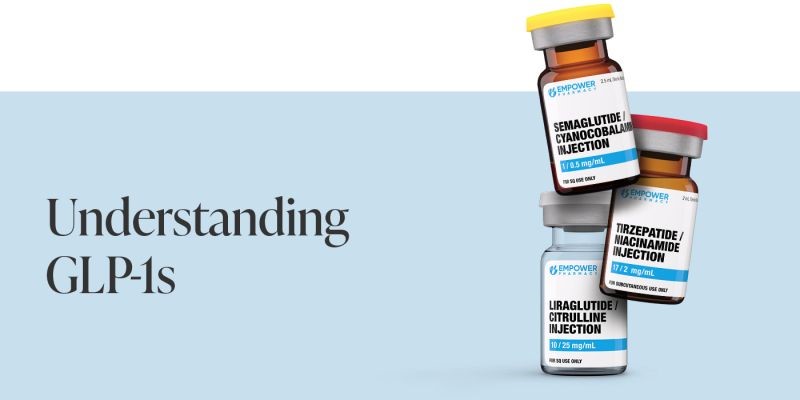
The GLP-1 receptor agonists, such as semaglutide and liraglutide, mimic the natural action of GLP-1 by binding to the GLP-1 receptor on the surface of cells in the brain and pancreas. This binding activates the signaling pathways that reduce appetite and increase feelings of fullness.

The Complications of Over-Suppressed Appetite
However, while GLP-1 agonists are effective in reducing appetite and promoting weight loss, over-suppression of hunger can lead to several complications, including:- Food aversion and eating disorders
- Dehydration and electrolyte imbalance
- Unintended weight loss, particularly in muscle mass
- Nutrient deficiencies and malnutrition