Optimizing Your Network for High-Resolution Streaming
Streaming 4K content over Wi-Fi is possible, but it requires a combination of high-performance hardware, optimized settings, and favorable environmental conditions. In this article, we will explore the key considerations for wireless network settings for 4K streaming and provide tips for achieving a seamless streaming experience.
Understanding the Requirements for 4K Streaming
4K streaming requires a significant amount of bandwidth, typically at least 25 Mbps for a single stream. To ensure a smooth playback experience, you need a well-configured router that can handle the massive data throughput and maintain consistent quality. Proper router settings ensure smooth playback without buffering or quality degradation, which is critical for enjoying ultra-high-definition media.
Wireless Network Settings for 4K Streaming
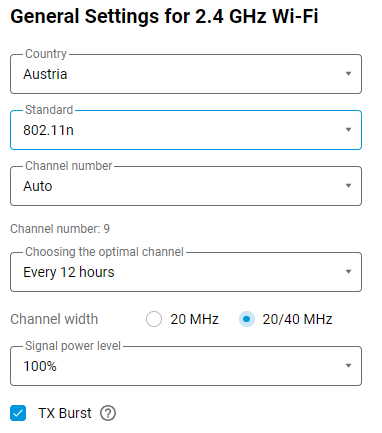
- Wi-Fi Channel Width: Set the Wi-Fi channel width to the widest available, which is typically 80 MHz or 160 MHz. This will provide the fastest speeds and most reliable connections.
- QoS (Quality of Service): Configure QoS settings to prioritize 4K streaming traffic, ensuring that it receives sufficient bandwidth and lower latency.
- Band Steering: Enable band steering to ensure that your devices automatically switch between the 2.4 GHz and 5 GHz bands for the best performance.
- Wireless Encryption: Use WPA3 encryption to ensure that your network is secure and protected from unauthorized access.
- Channel Bonding: Enable channel bonding to combine multiple channels for faster speeds and better performance.
- Network Topology: Position your router centrally to ensure the best coverage and minimize signal degradation.
Network Optimization for 4K Streaming
Regularly update your router's firmware and position it centrally for optimal coverage. You can also use tools like Wi-Fi analyzers to identify and optimize your network's performance. Disable features like WMM Power Save, which can cause latency and buffering issues.

Wireless Network Adapter Settings
When using a wireless network adapter, ensure that it is configured to operate on the same band as your router (2.4 GHz or 5 GHz) and set the channel width to the widest available. You can also consider upgrading to a Wi-Fi 6 (802.11ax) adapter for better performance.
Tips for Smooth 4K Streaming
- Internet Speed: Ensure that your internet speed meets the requirements for 4K streaming, typically at least 25 Mbps for a single stream.
- Devices: Update your devices' firmware and ensure that they are configured to operate on the same band as your router.
- Signal Strength: Position your router and devices to minimize signal degradation and ensure the best coverage.
- Quality of Service (QoS): Configure QoS settings to prioritize 4K streaming traffic and ensure that it receives sufficient bandwidth and lower latency.
Conclusion
Optimizing your network settings for 4K streaming requires a combination of high-performance hardware, optimized settings, and favorable environmental conditions. By following the tips and recommendations outlined in this article, you can achieve a seamless streaming experience and enjoy the best possible quality from your 4K content.





![How to Stream 4K Successfully [8 Tips] - Hollyland](https://canary.contestimg.wish.com/api/webimage/62d76dd9c98a2c1860a23b3d-large.jpg?cache_buster=646fc062350eda313d0a58d7114172d5 "How to Stream 4K Successfully [8 Tips] - Hollyland")