Anxiety Relief Strategies for Anxiety Attacks: Finding Calm in the Chaos
Do you ever feel like you're drowning in a sea of anxiety? Like the weight of the world is crushing you, making it hard to breathe, think, or even move? You're not alone. Anxiety attacks can be overwhelming, but they're not insurmountable. With the right anxiety relief strategies, you can learn to calm the storm and find peace in the midst of chaos.
Understanding Anxiety Attacks
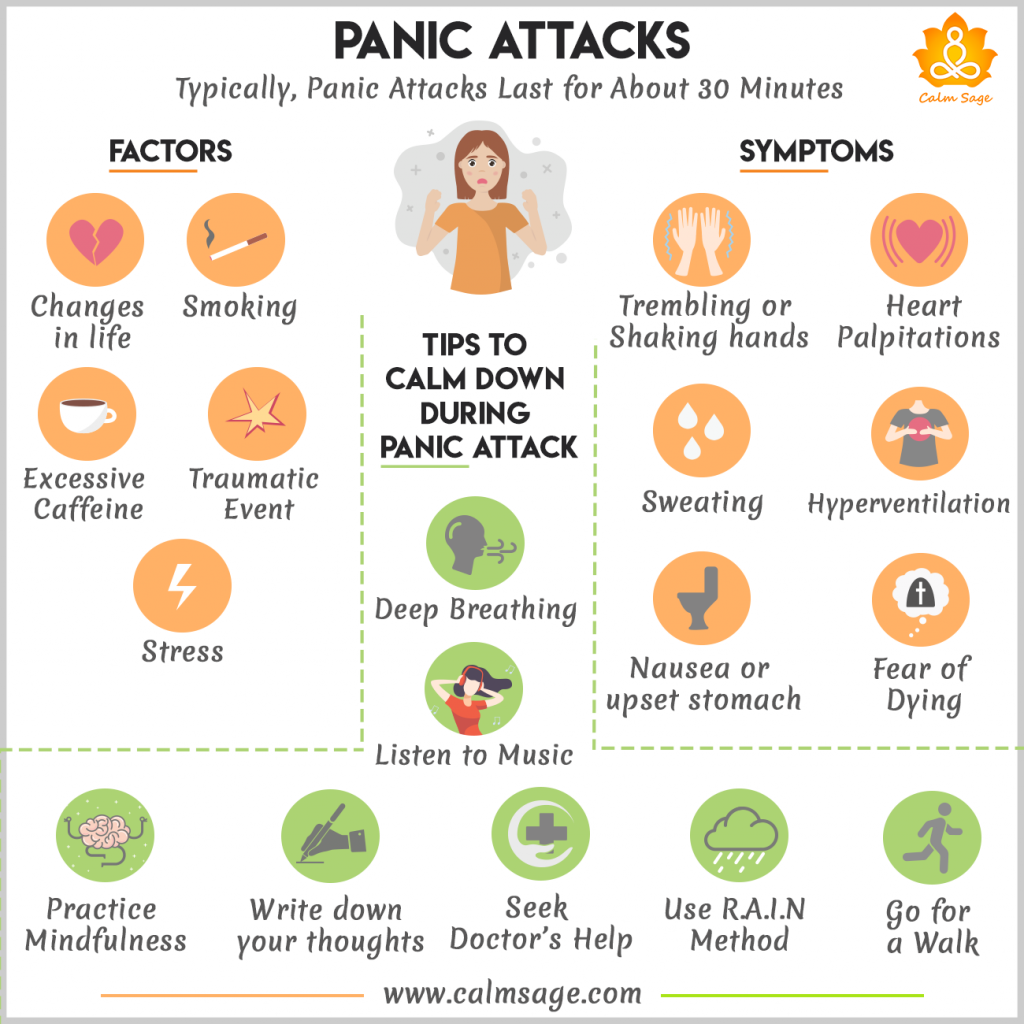
Before we dive into the strategies, it's essential to understand what anxiety attacks are and how they manifest. Anxiety attacks, also known as panic attacks, are intense episodes of fear or discomfort that can be overwhelming and debilitating. They can manifest with physical symptoms like rapid heartbeat, sweating, and trembling, as well as feelings of dread, hopelessness, and anxiety.
Grounding Techniques: A Calming Force
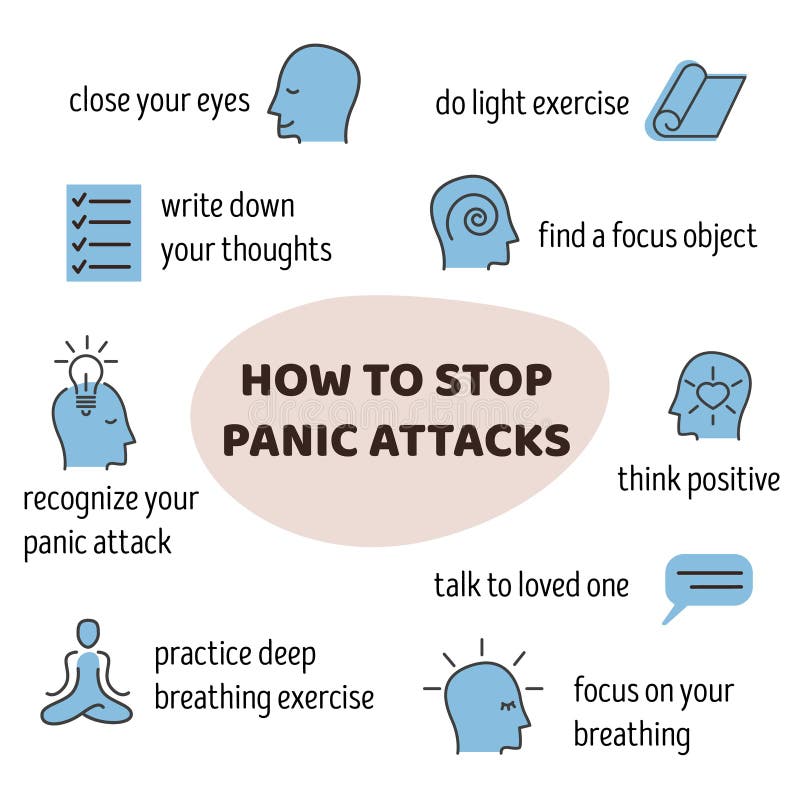
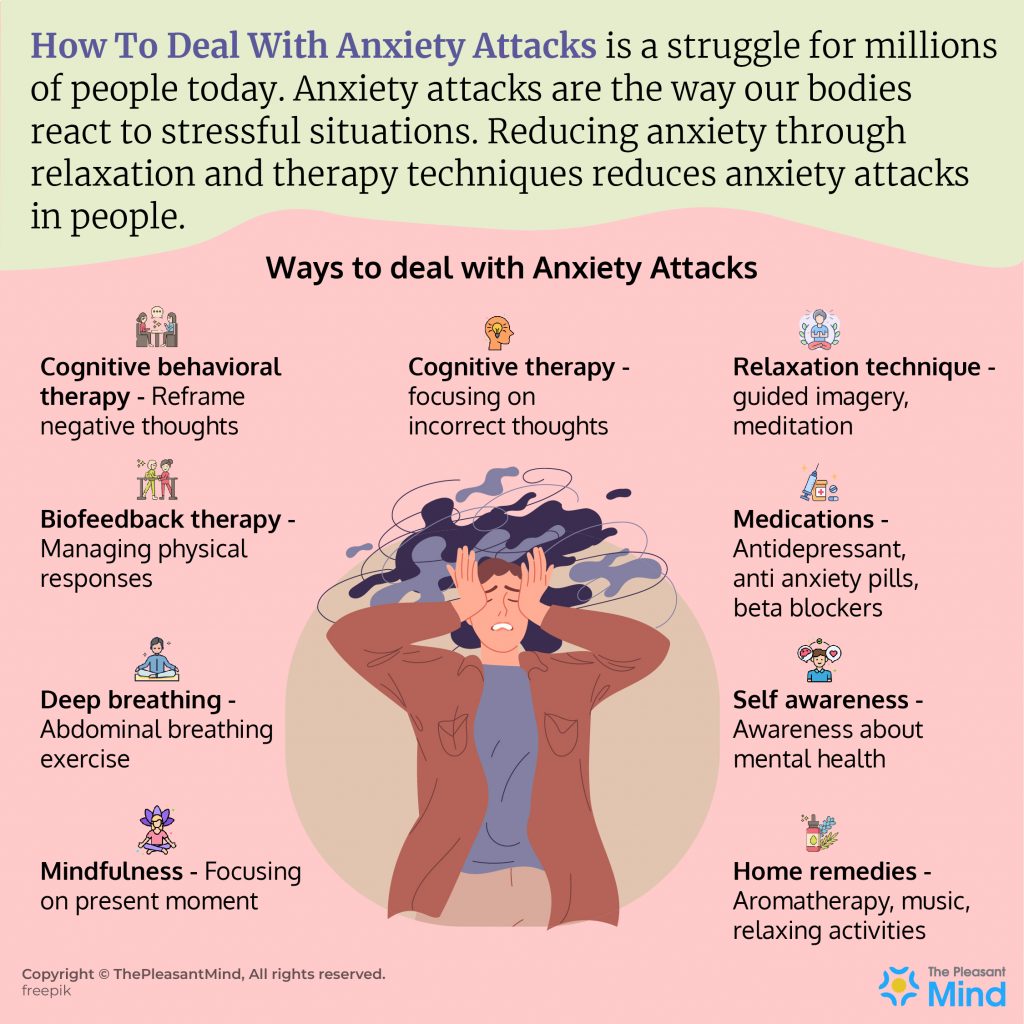
When anxiety strikes, it's easy to get caught up in a vortex of thoughts, worries, and fears. Grounding techniques can be a powerful coping mechanism to bring you back to the present moment. Here are a few ways to ground yourself:
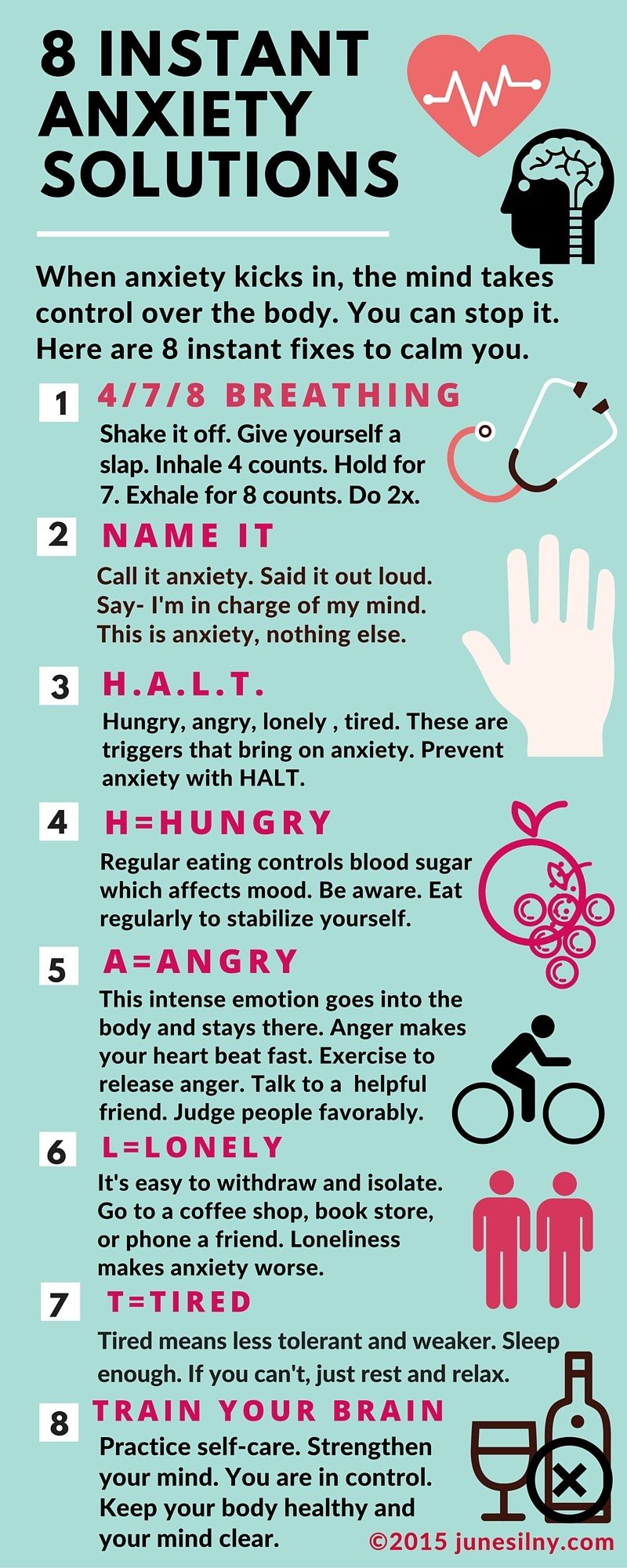
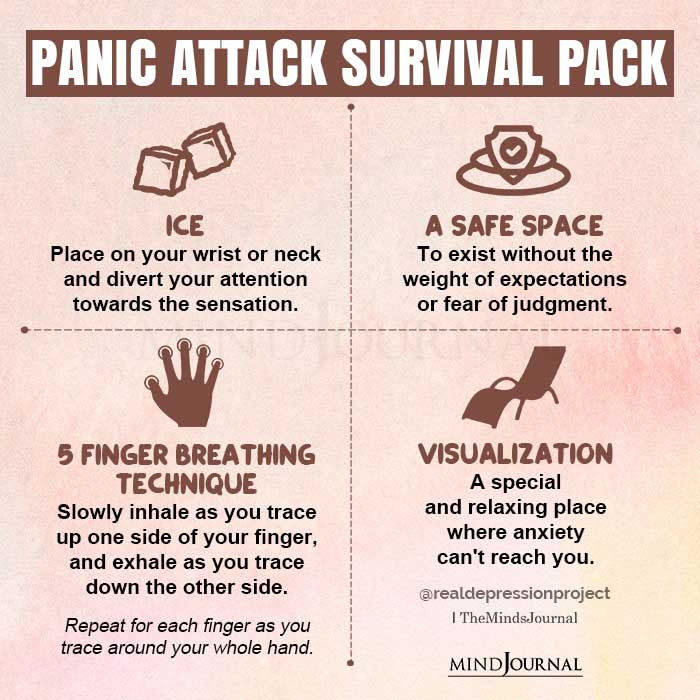
- Deep breathing: Focus on your breath, feeling the sensation of the air moving in and out of your body.
- Progressive muscle relaxation: Tense and then relax different muscle groups in your body, starting from your toes and moving up to your head.
- Imagery: Visualize a peaceful scene, like a beach or a forest, and soak up the sensory details.
- Challenging irrational thoughts: Identify and challenge negative, distorted, or unhelpful thoughts that contribute to your anxiety.
Mind-Body Connection: The Key to Anxiety Relief
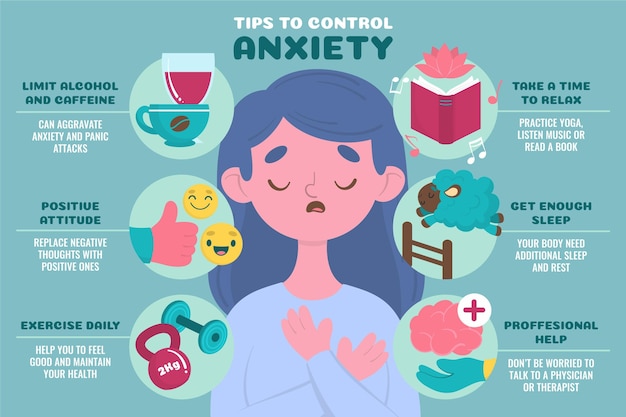
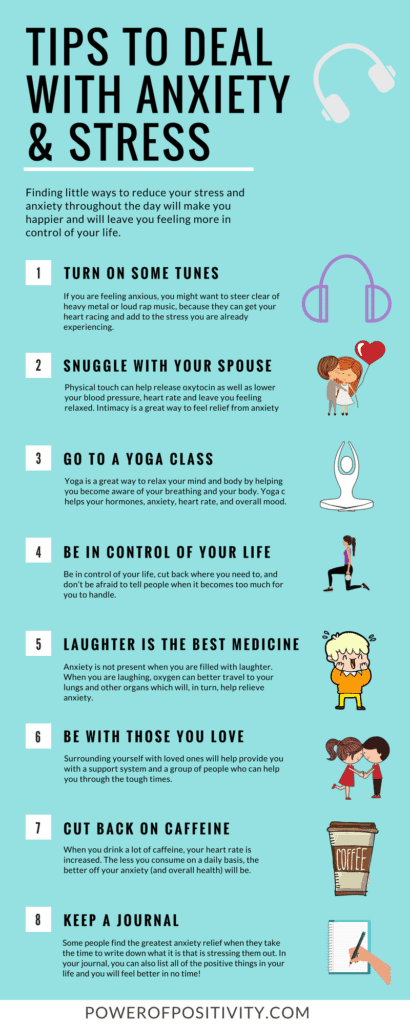
When we're anxious, our bodies tense up, and our minds go into overdrive. But we have the power to transform this reaction into a response. Mind-body techniques like yoga, tai chi, and qigong can help you become more aware of your body and calm your nervous system. Exercise, too, can be a great stress-reliever and anxiety-reducer.
Self-Care: The Foundation of Anxiety Management
While it's essential to have some quick-fix anxiety relief strategies up your sleeve, self-care is the foundation of maintaining mental health and managing anxiety. Think of the basics:
- Get enough sleep: Aim for 7-8 hours of sleep each night to help regulate your emotions and reduce anxiety.
- Exercise: Regular physical activity can reduce anxiety symptoms and boost mood.
- Nutritious diet: Focus on whole, unprocessed foods, and limit your intake of sugar, caffeine, and alcohol.
- Connect with others: Build a support network of friends, family, and community to help you through tough times.
Identifying and Managing Triggers
Understanding what triggers your anxiety can be key to managing it. Identifying patterns and triggers takes time and self-reflection, but it's worth the effort. Some common anxiety triggers include:
- Environmental factors: Noise, crowds, or certain environments.
- Emotional triggers: Past traumas, relationships, or internal conflicts.
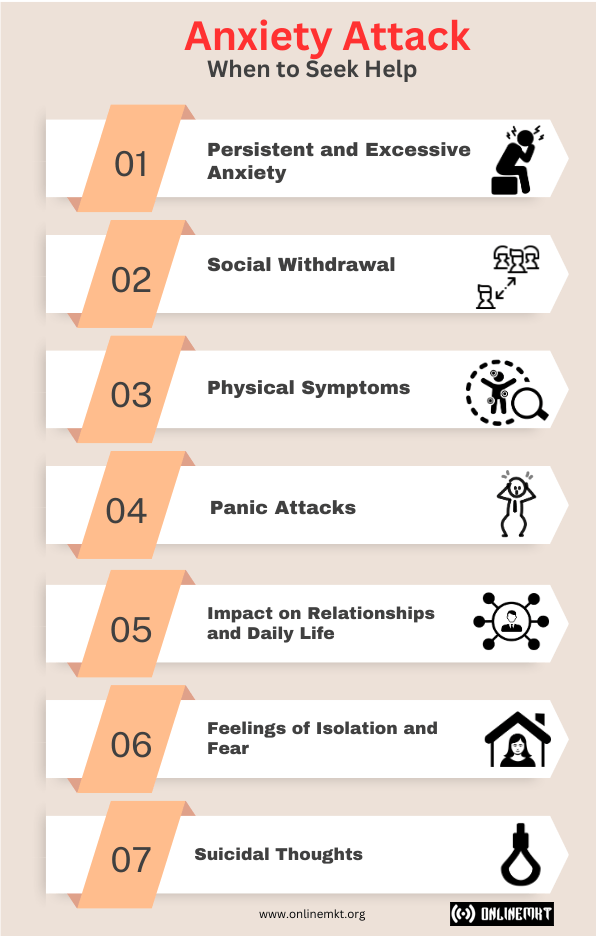
Seeking Support: When to Reach Out
Remember, you don't have to walk the path of anxiety alone. If anxiety attacks are impacting your daily life, it's time to seek support. Consider:
- Talking to a mental health professional: A therapist or counselor can help you navigate anxiety triggers, develop coping skills, and work through underlying issues.
- Support groups: Joining a support group or online community can connect you with others who understand what you're going through.
- Hotlines and helplines: Utilize resources like hotlines and helplines for immediate support.
Conclusion: Take Control of Your Anxiety
Anxiety attacks may feel overwhelming, but with the right strategies, you can regain control. Remember, it's a process to develop new coping mechanisms and work with a mental health professional. By combining grounding techniques, self-care, and identifying and managing triggers, you'll be better equipped to manage anxiety attacks and live a more balanced, peaceful life.

:max_bytes(150000):strip_icc()/manage-your-anxiety-2584184-01-07daf91ba6de41d19f827cf65ceef07a.png "How to Cope with Anxiety: Actionable Tips - Healthline")