Understanding the Diabetic Keto Diet for Beginners
What is the Diabetic Keto Diet?
The Diabetic Keto Diet for beginners is a type of low-carb, high-fat diet that focuses on shifting the body's primary fuel source from glucose (sugar) to ketones, which are produced from fat breakdown. This metabolic state is called ketosis, and it profoundly impacts blood sugar levels, weight loss, and overall health, especially for those with type 2 diabetes.
What to Expect from the Diabetic Keto Diet
The Ketogenic Diet for Diabetics is not a quick fix, but a sustainable lifestyle change that requires commitment and guidance. Following a Diabetic Keto diet means making several changes to your eating habits, including:
- Reducing daily carb intake to 20-30 grams of net carbs per day
- Increasing fat intake from healthy sources, such as avocados, nuts, and olive oil
- Modifying protein intake to avoid overconsumption and balance with fat and carbs
- Replacing grains, sugary drinks, and high-carb foods with low-carb alternatives
Benefits of the Diabetic Keto Diet
Adopting the Diabetic Keto Diet can have numerous benefits for individuals with type 2 diabetes, including:
- Improved blood sugar control and reduced HbA1c levels
- Weight loss and reduced body fat percentages
- Increased energy levels and improved mental clarity
- Improved blood lipid profiles and reduced inflammation
Risks and Precautions associated with the Diabetic Keto Diet
While the Diabetic Keto Diet can be effective for managing type 2 diabetes, it's essential to consider potential risks and precautions, including:

- Initial weight loss may result in muscle loss and fatigue
- Increased risk of dehydration and electrolyte imbalances if not managed properly
- Pre-existing conditions, such as kidney disease, may require special consideration
Getting Started with a Diabetic Keto Diet Plan
To successfully start a Diabetic Keto Diet plan, it's essential to consult with a healthcare professional or registered dietitian to create a personalized plan. This will involve:
- Tracking daily carb intake and monitoring blood sugar levels
- Adjusting macronutrient ratios to achieve and maintain ketosis
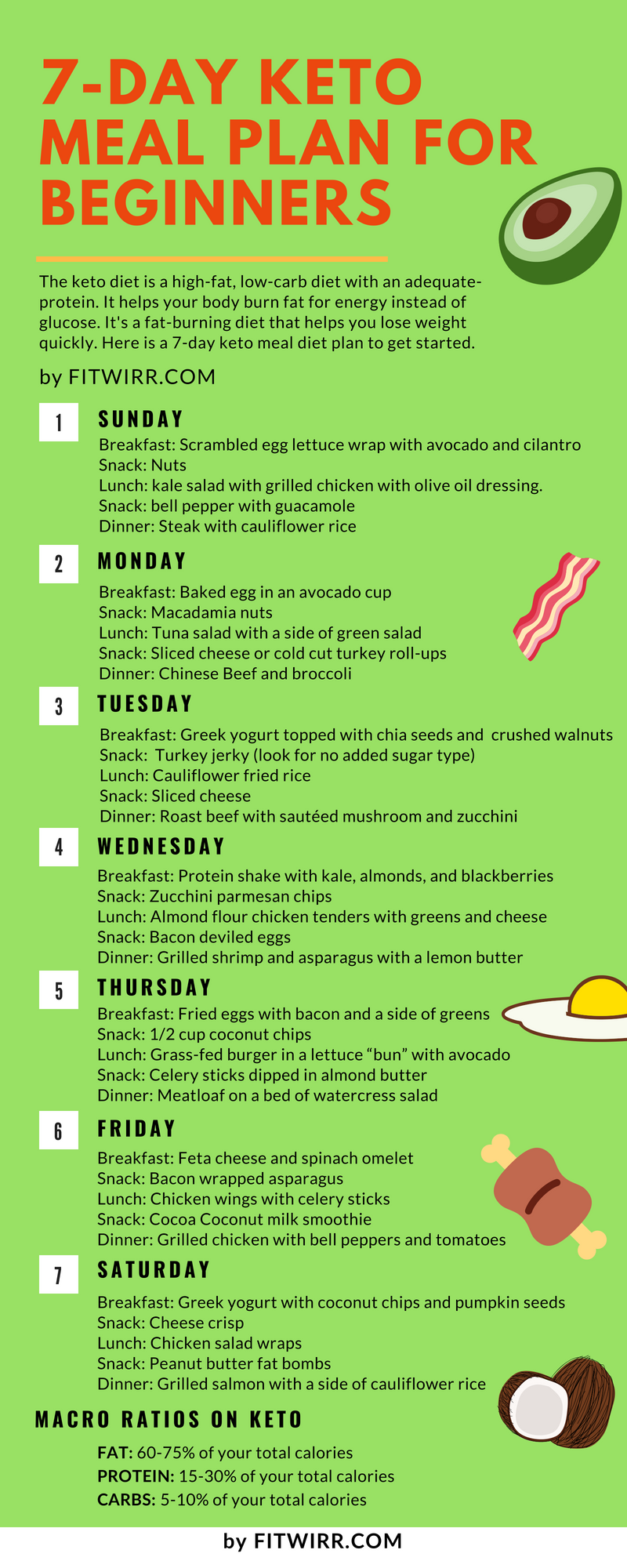
- Developing a balanced meal plan that includes low-carb, high-fat foods
- Regularly monitoring progress and adjusting the plan as needed
Lifestyle Changes to Support a Diabetic Keto Diet
Adopting a Diabetic Keto Diet for beginners requires a comprehensive approach that includes:
- Regular physical activity, such as walking or low-impact exercise
- Getting enough sleep and managing stress levels
- Considering supplementing with vitamins and minerals, such as magnesium and vitamin D
- Staying hydrated and monitoring electrolyte levels
Conclusion
Embarking on a Diabetic Keto Diet journey can be challenging, but with the right guidance and support, it can be a life-changing experience. By understanding the benefits and risks, developing a personalized plan, and making lifestyle adjustments, you can successfully adopt the Diabetic Keto Diet and manage type 2 diabetes.