G Network Latency Improvement: A Comprehensive Guide
Understanding Network Latency
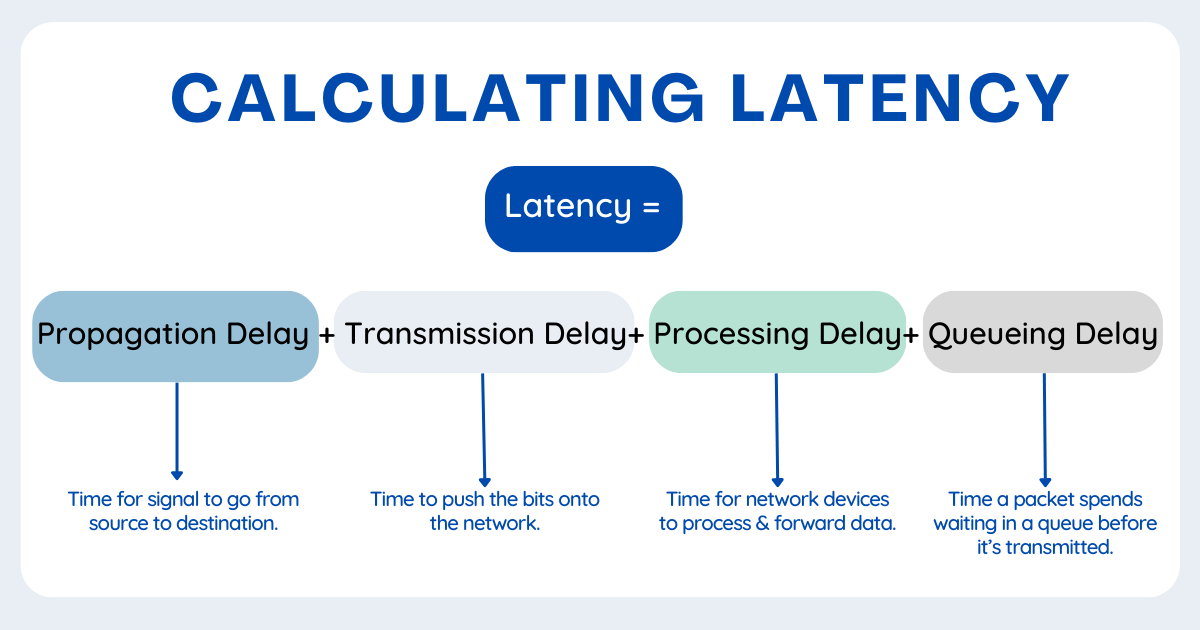
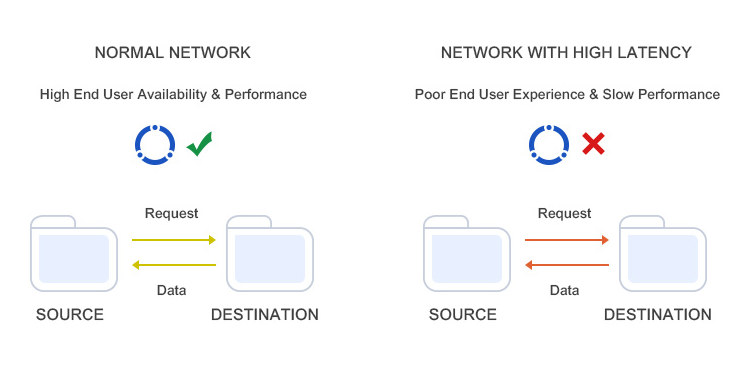
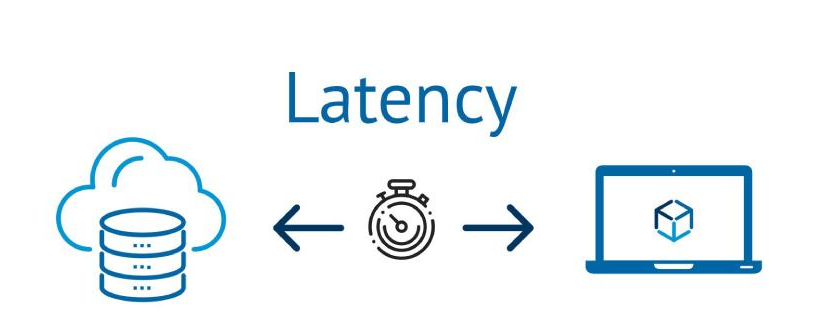
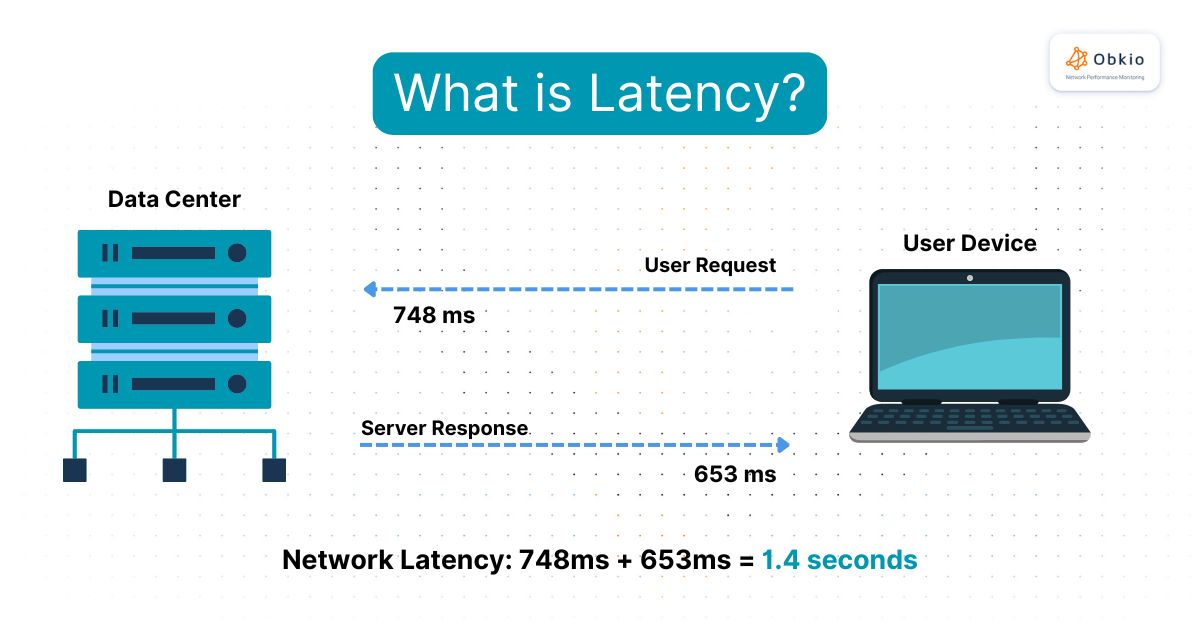
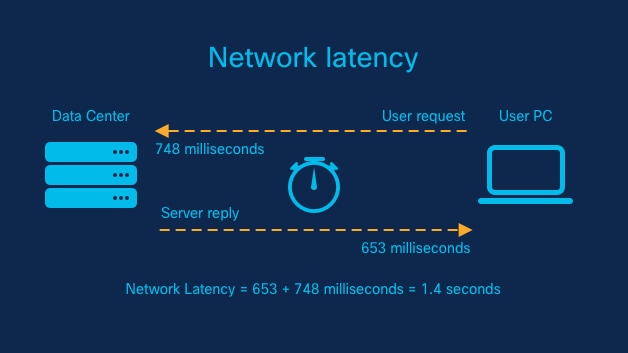
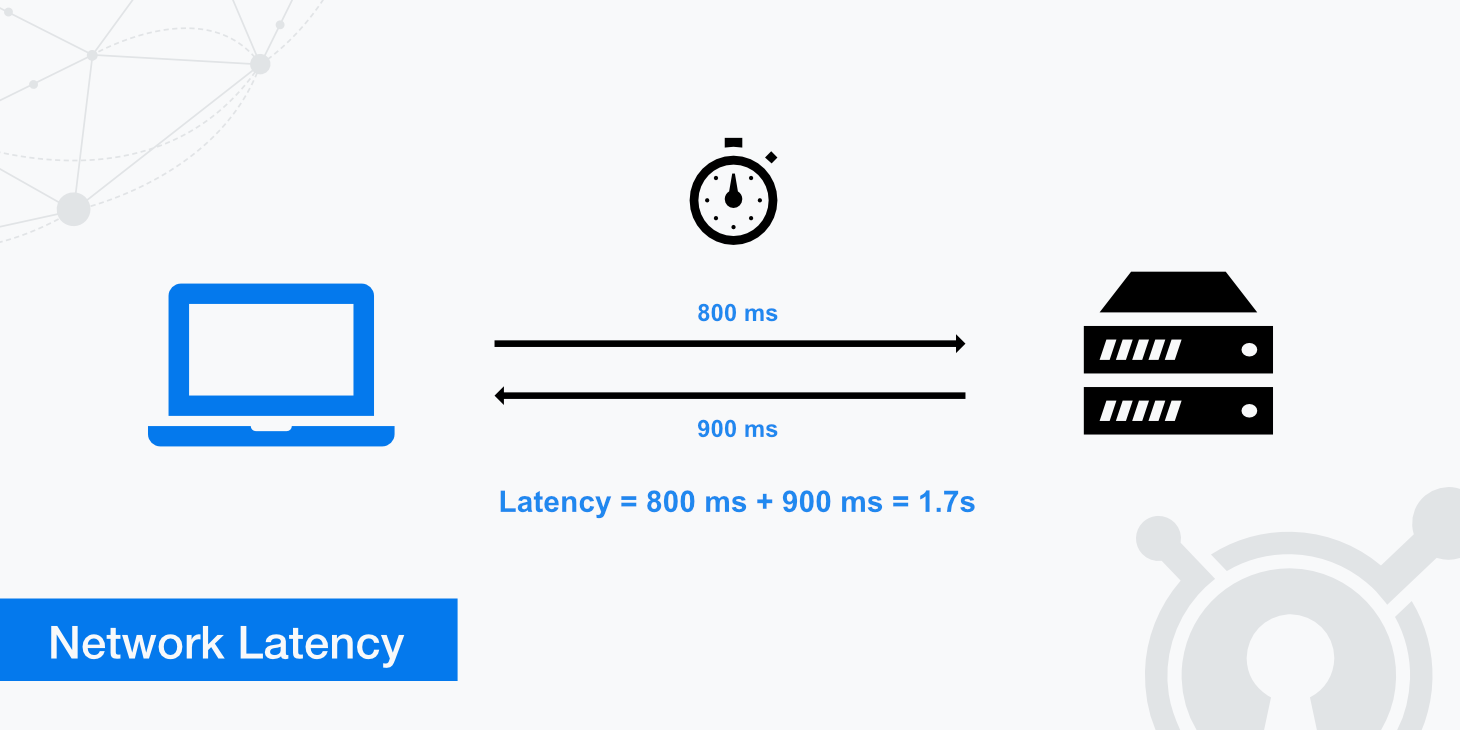
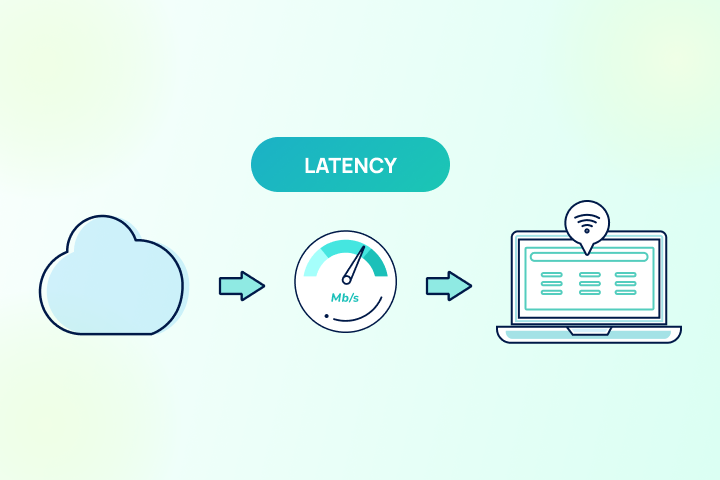
Network latency is a critical factor in determining the performance of any network. It's the time it takes for data to travel across the network, from the client to the server and back. A high network latency can have a significant impact on user experience, causing delays in communications, slowdowns in websites, and frustration for users.
In this article, we'll delve into the world of G network latency improvement, exploring the factors that affect latency, techniques for reduction, and practical tips for optimizing network performance.
Causes of High Network Latency
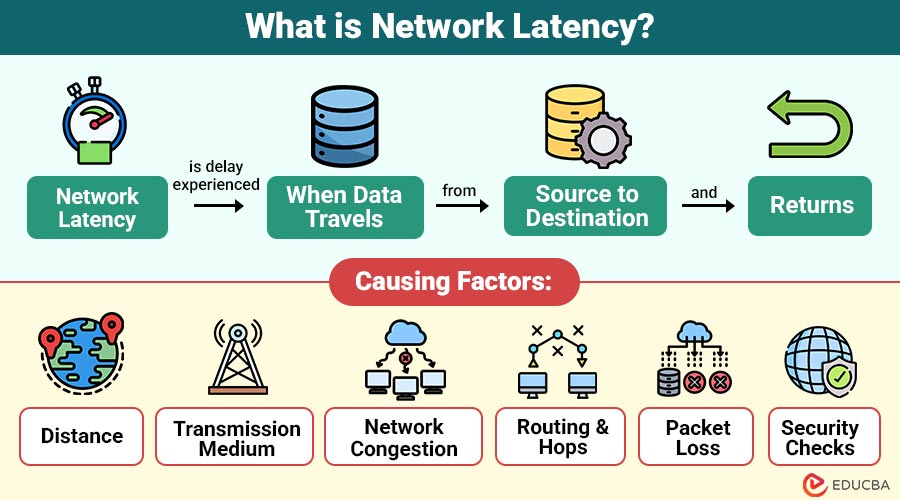
Network latency is often the result of a complex interplay between various factors, including:
- Distance and Interconnection**: The farther data needs to travel, the higher the latency will be. This is because signals weaken over distance, requiring additional time to travel.
- Infrastructure and Network Topology**: The way network infrastructure is set up can significantly impact latency. For example, a star topology can help reduce latency by ensuring all nodes are equally distant from the central hub.
- Network Congestion**: When a network is heavily congested, packets of data may need to be queued, causing delays and increased latency.
- Cloud Computing and Server Locations**: Remote or astridey distributed servers can increase latency, as data must travel longer distances to reach the server.
Improving Network Latency: Strategies and Solutions
To reduce network latency, consider the following strategies and solutions:
- Optimizing Network Infrastructure**: Ensuring your network infrastructure is designed with low latency in mind can greatly improve performance. Consider upgrading to higher-performance networking hardware or reconsidering your network topology.
- Cloud Computing and Edge Computing**: Choosing cloud computing or edge computing solutions with lower latency can help minimize delays. For instance, consider using cloud services with data centers in close proximity to your users or leveraging edge computing to process data locally.
- Content Delivery Networks (CDNs)**: Using CDNs to distribute content across multiple servers can help reduce latency. When accessing content, your request reaches the closest CDN node, reducing the time it takes to retrieve.
- Network Slicing**: Strategic network slicing can improve latency by implementing priority rules, making critical applications a high-priority target.
Technologies and Tools for Network Latency Improvement
There are several technologies and tools available to help improve network latency:
- NVIDIA Reflex Low Latency Mode**: A new feature designed to improve responsiveness in popular games like Apex Legends and Fortnite.
- Teridion's NaaS platform**: A platform that uses advanced algorithms to optimize network performance and reduce latency.
- PermacastApp and SmartWeave**: A blockchain-based platform for permanently storing podcast episodes and leveraging smart contracts to optimize network performance.
Conclusion
Reducing G Network Latency Improves User Experience
Reducing network latency has a profound impact on user experience. By eliminating delays and slowdowns, users can enjoy seamless communications, rapid loading times, and uninterrupted services. To achieve this, it's essential to understand the factors contributing to latency and apply the strategies and solutions outlined above.
Key Takeaways
• Network latency affects the performance of any network, impacting user experience and productivity.
• Understanding the causes of high latency is the first step towards improvement.
• Optimizing network infrastructure, cloud computing, and edge computing can reduce latency.
• Technologies like CDNs, network slicing, and NVIDIA Reflex Low Latency Mode help minimize delays.
By following these guidelines, you'll be well-equipped to improve network latency and deliver a more efficient and enjoyable experience for your users.


.jpg "Impact of 5G on Mobile Gaming: Speed, Latency, Cloud and Esports")