Manual Patient Selection for GLP-1 Therapy: A Comprehensive Guide
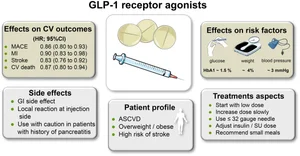
Glucagon-like peptide-1 (GLP-1) receptor agonists have revolutionized the treatment of type 2 diabetes and obesity. These medications have been shown to not only improve glycemic control but also promote weight loss, lower blood pressure, and reduce the risk of major adverse cardiovascular events. However, the successful use of GLP-1 therapy depends on careful patient selection and medical management.
Understanding GLP-1 Therapy
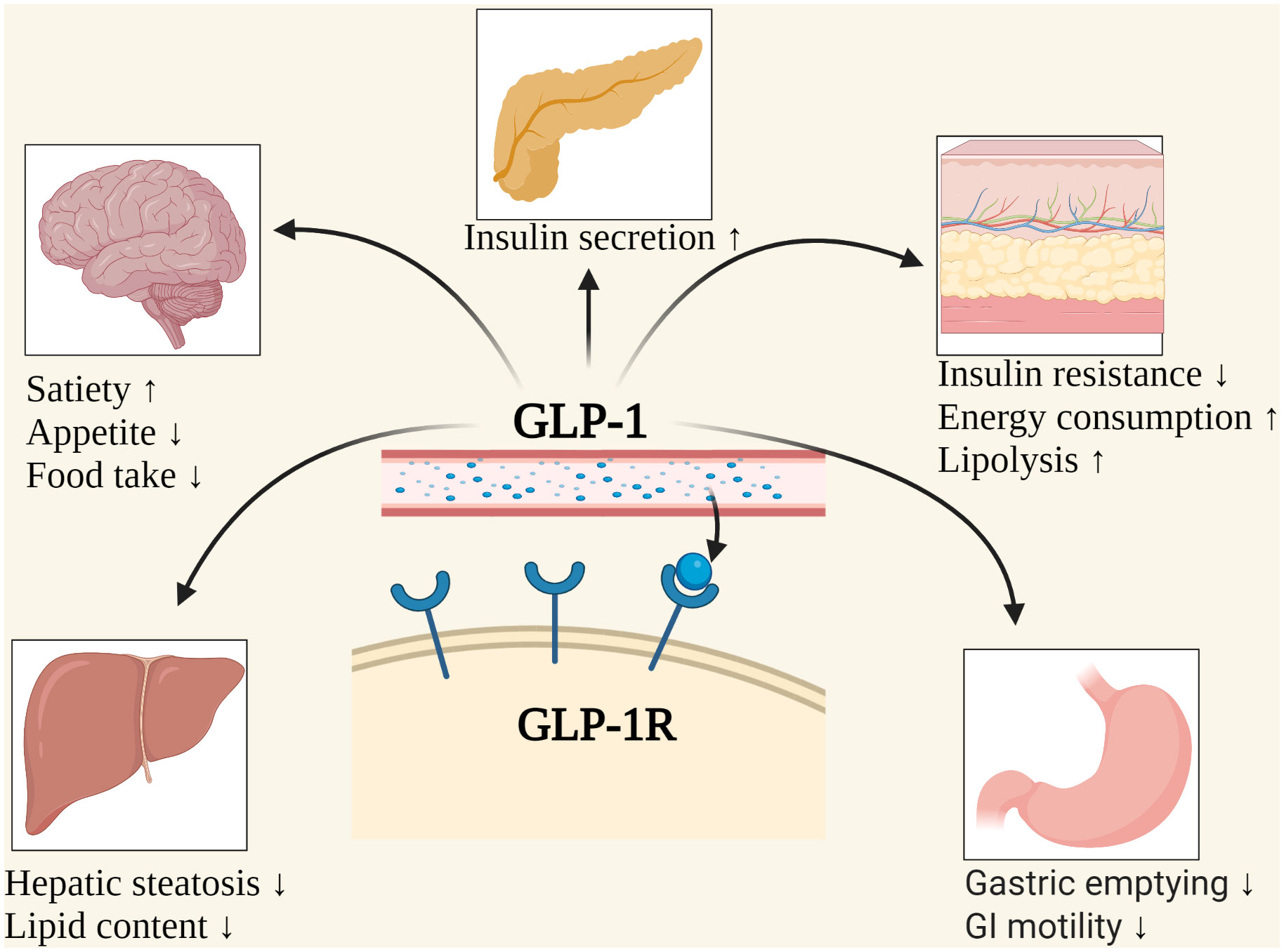
GLP-1 agonists work by mimicking the action of the naturally occurring hormone glucagon-like peptide-1, which is released in response to food intake. This hormone helps to regulate blood sugar levels, slow gastric emptying, and promote feelings of fullness and satiety.
Manual Patient Selection for GLP-1 Therapy
The manual selection of patients for GLP-1 therapy is a critical step in ensuring the safe and effective use of these medications. The following criteria should be considered when selecting patients for GLP-1 therapy:
- Age: GLP-1 agonists are typically prescribed to adults aged 18 years and older.
- Body Mass Index (BMI): GLP-1 therapy is often recommended for patients with a BMI of 30 kg/m2 or higher, or those with a BMI of 27 kg/m2 or higher with at least one additional risk factor for diabetes or cardiovascular disease.
- Medical History: Patients with a history of pancreatitis, thyroid cancer, or multiple endocrine neoplasia type 1 (MEN 1) syndrome should not be prescribed GLP-1 agonists.
- Concomitant Medications: Patients taking medications that may interact with GLP-1 agonists, such as warfarin, should be carefully managed and monitored.
- Renal Function: Patients with severe renal impairment should be carefully evaluated before initiating GLP-1 therapy.
Medical Management of Obesity with GLP-1 RA
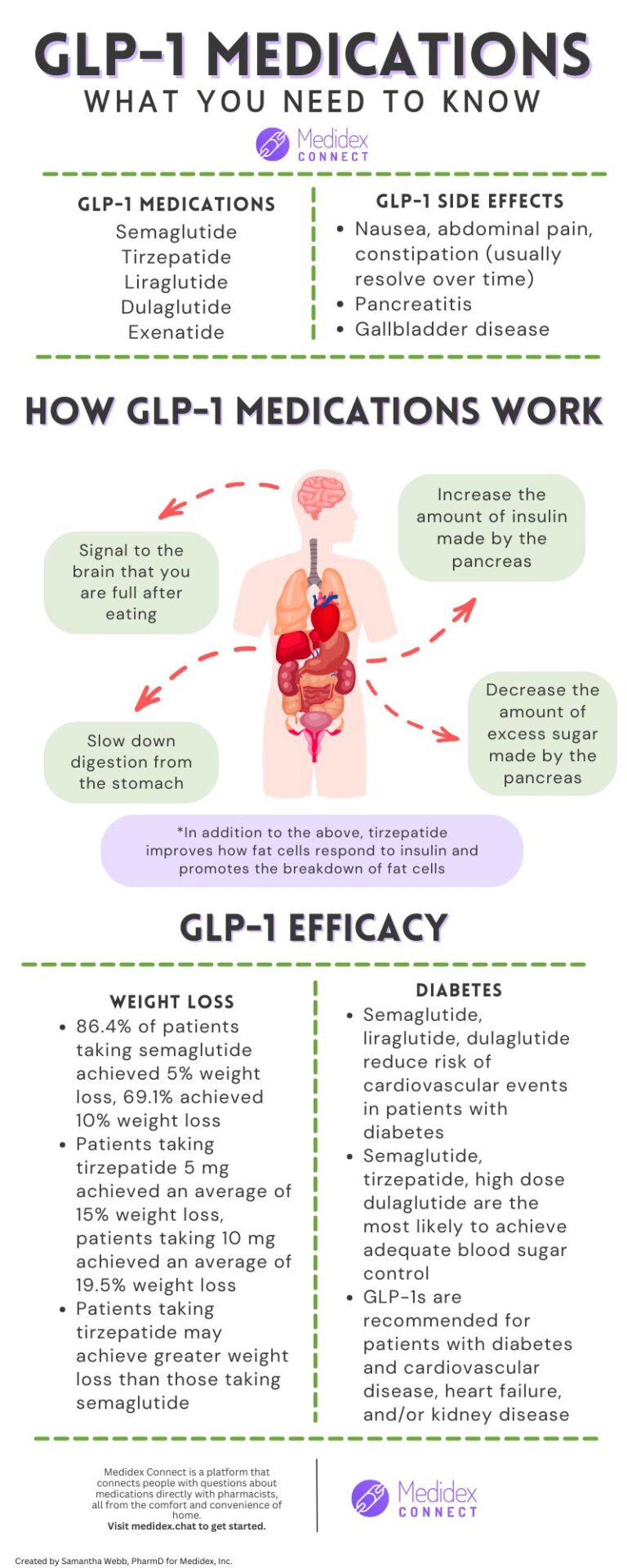
The medical management of obesity with GLP-1 receptor agonists (GLP-1 RA) requires a comprehensive approach that addresses multiple aspects of patient care. The following principles should guide the medical management of obesity with GLP-1 RA:
- Stratified Patient Care: Patients should be stratified based on their level of obesity, cardiovascular risk, and other comorbidities to ensure that they receive the most effective and safe treatment.
- Multidisciplinary Care: Patients with obesity should receive care from a multidisciplinary team of healthcare professionals, including endocrinologists, cardiologists, primary care physicians, and registered dietitians.
- Regular Monitoring: Patients on GLP-1 therapy should be regularly monitored for changes in blood pressure, lipids, and renal function, as well as for signs and symptoms of pancreatitis or thyroid cancer.
Conclusion
The successful use of GLP-1 therapy depends on careful patient selection and medical management. Health care providers must be knowledgeable about the indications, contraindications, and potential side effects of GLP-1 agonists to ensure that they are prescribed safely and effectively. By following these guidelines, healthcare providers can optimize the therapeutic benefits of GLP-1 therapy and improve the lives of patients with type 2 diabetes and obesity.