Understanding Trademark Status by Filing Date UK
When it comes to trademark registration, it's essential to understand the various stages involved, including the status of a trademark by filing date UK. This comprehensive guide will walk you through the key aspects of trademark status, ultimate trial, opposition, publication, and timelines associated with trademark registration in the UK.
Trademarks: A Definition
- A trademark is a sign capable of distinguishing the goods or services of one enterprise from those of other enterprises.
- Trademarks are protected by intellectual property rights, which include patents, designs, and copyrights.
Registering a trademark is vital to protect your brand and prevent others from using a similar mark that may cause confusion among consumers.
The Importance of Filing Date
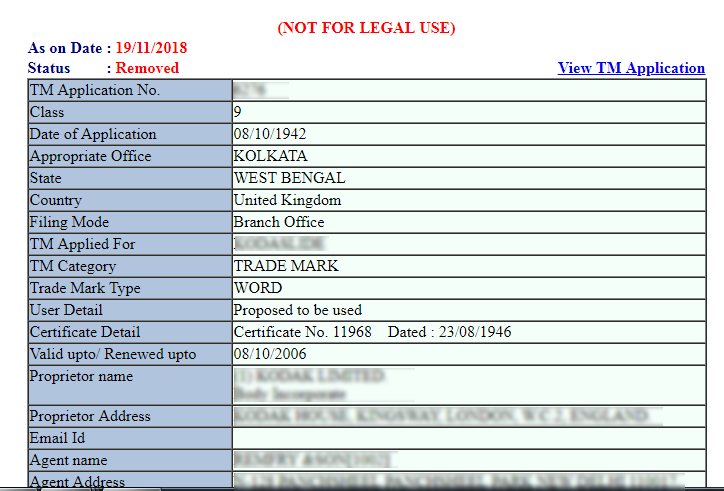
The filing date is the date on which a trademark application is submitted to the Intellectual Property Office (IPO). This date is crucial in determining the status of a trademark. In general, for trademarks filed in the UK, the status of a trademark is determined from the date of filing. However, the situation may vary in other countries, and the status of a trademark may be influenced by factors such as priority dates, registration dates, or specific trademark legislation.
Trademark Status in the UK
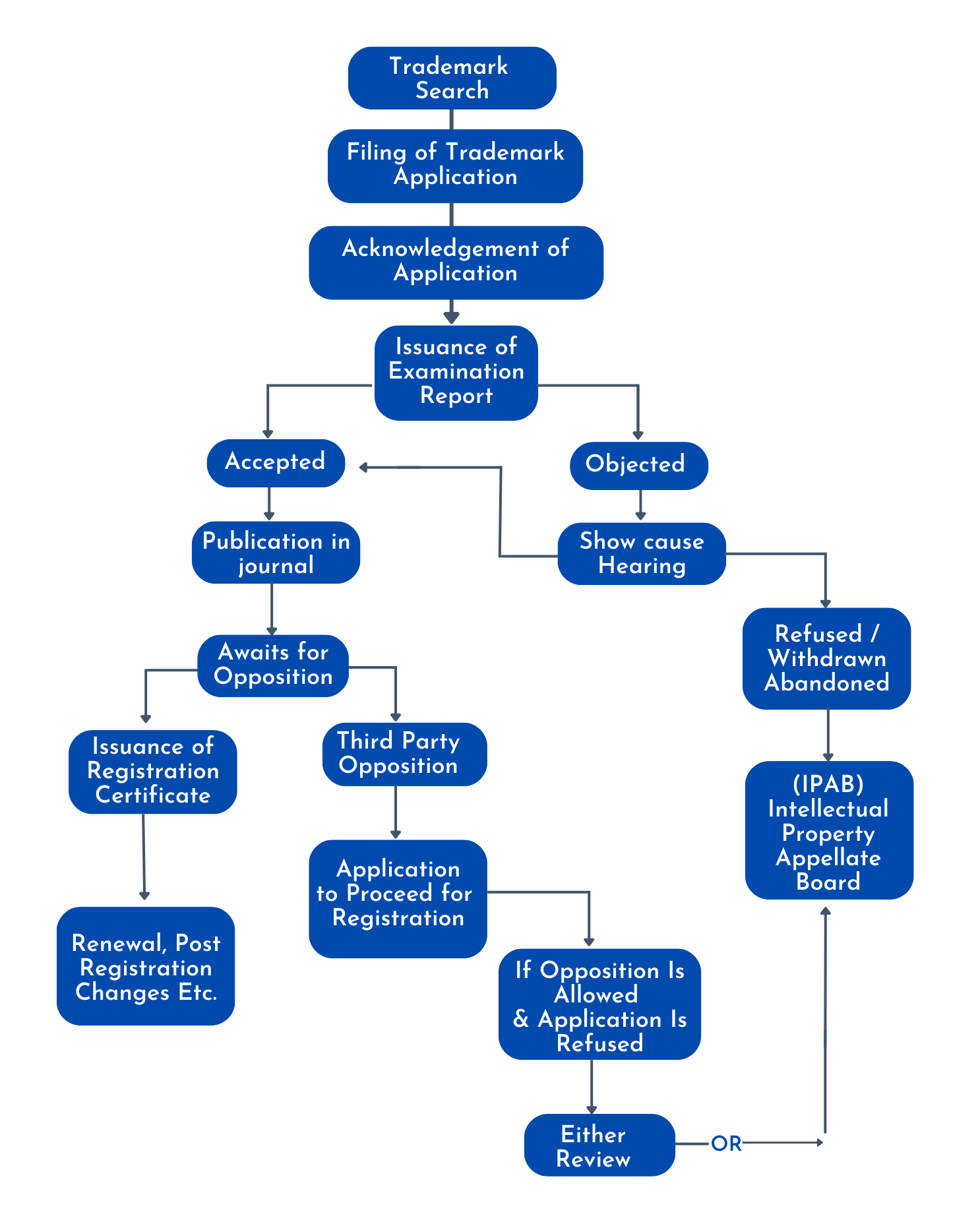
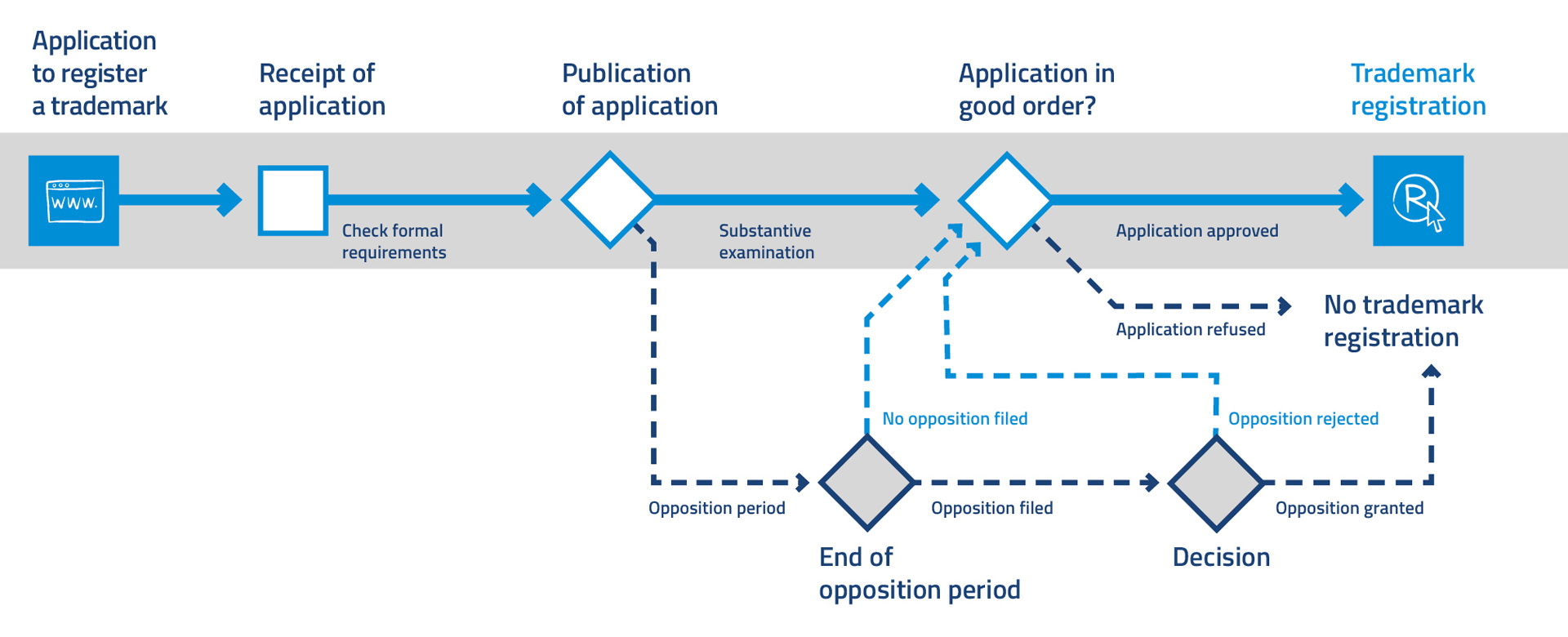
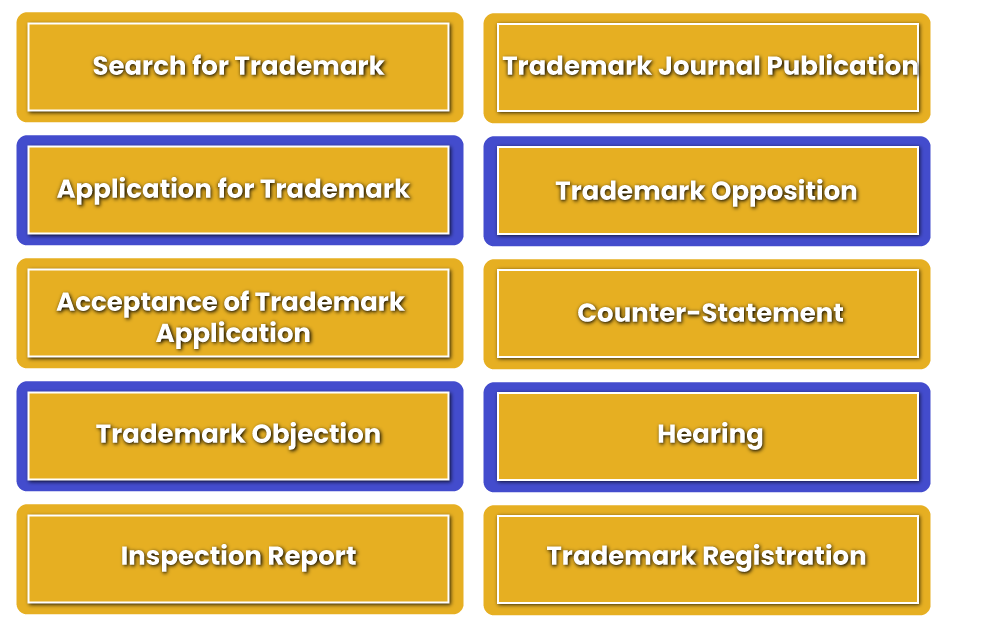
The UK's trademark registration process involves several stages, which are outlined below:
-
Filing Date
The filing date is the initial step in trademark application, where the applicant submits the application to the IPO. -
Publication
Once the trademark application is filed, it will be published in the trademark journal, where it will be available for public inspection. During this stage, any interested parties can oppose the application, usually within 2 months of publication. -
Registration
After publication, the IPO will review the application, and if it meets all the requirements, the trademark will be registered. The registration process usually takes several months to complete. -
Renewal
A registered trademark is valid for 10 years from the filing date and must be renewed every 10 years to maintain its protection. Additionally, a registered trademark must be used in commerce within five years of registration, or else the rights may expire.

Tracking Trademark Status
Keeping track of your trademark status is crucial, especially during the application and registration process. Here are some ways to track the status of a trademark:
-
Intellectual Property Office (IPO) Online System
You can log in to the IPO online system to check the status of your trademark application. -
Madrid Monitor
The Madrid Monitor is a free tracking service that notifies you via email of specific events occurring to your international trademark application and registration. -
WIPO
The World Intellectual Property Organization (WIPO) also provides email notifications to applicants of specific events occurring to their trademark application or registration.
Conclusion
Understanding the status of a trademark by filing date UK is essential for any business seeking to protect its brand in the UK. By following the stages outlined above and using the resources mentioned in this article, you can effectively manage your trademark application and registration process. Remember to regularly check the status of your trademark to ensure that it remains valid and protected.
As a business owner, it's crucial to understand the trademark registration process in the UK, including the filing date, publication, registration, and renewal stages. Additionally, knowing how to track the status of a trademark will help you stay informed about any updates or changes to your application.
Ultimately, registering a trademark in the UK is an essential step in protecting your brand and preventing others from using a similar mark that may cause confusion among consumers.
Ultimate Tips
-
Always check the status of your trademark application and registration.
-
Regularly update your trademark application and register documents to ensure consistency.
-
Respond promptly to any oppositions or objections raised during the application and registration process.