Uncovering the Genetic Roots of Chronic Pain: A DNA Test for Chronic Pain
Are you one of the millions of people around the world living with chronic pain? Do you struggle to find relief from the debilitating symptoms that affect your daily life? You're not alone. Chronic pain is a complex and multifaceted condition that can be caused by a combination of factors, including genetics, environment, and lifestyle. Recent advances in genetic testing have opened up a new avenue for understanding and managing chronic pain, with a DNA test for chronic pain playing a key role in this process.
What is a DNA Test for Chronic Pain?
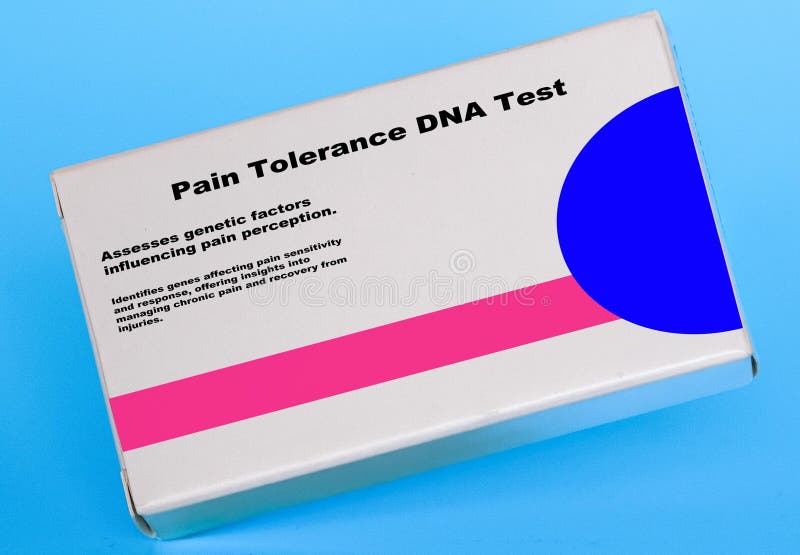
A DNA test for chronic pain, also known as pharmacogenetic testing, is a type of genetic analysis that examines an individual's DNA to identify specific genetic variations that can affect how their body processes and responds to different pain medications. This information can be used to tailor treatment plans and recommend the most effective medications for each person's unique needs.
How Does Pharmacogenetic Testing Work?
Pharmacogenetic testing combines pharmacology and genomics to identify genetic variations that affect how an individual's body responds to different pain medications. This information can help healthcare providers choose the most effective pain medications and avoid those that may not be effective or may cause unpleasant side effects. A DNA test for chronic pain can analyze an individual's DNA to predict their response to 40+ pain medications, including opioids, muscle relaxants, NSAIDs, and more.
Benefits of DNAPain Test

- Personalized treatment plans: By analyzing your genetic profile, a DNA test for chronic pain can help your healthcare provider create a personalized treatment plan tailored to your specific needs.
- Reduced risk of side effects: By identifying genetic variations that can affect how your body responds to different pain medications, pharmacogenetic testing can help reduce the risk of side effects and adverse reactions.
- Improved efficacy: By choosing the most effective medications based on your genetic profile, a DNA test for chronic pain can help improve the effectiveness of your treatment plan.
Real-World Examples of DNAPain Test in Action
- Studies have shown that pharmacogenetic testing can be used to guide treatment plans for patients with chronic non-cancer pain, with physicians adjusting treatment plans for close to half of patients genotyped for pain perception-related COMT.
- One study found that pharmacogenetic testing improved patient outcomes for 85% of cases, with physicians perceiving the genetic test results as consistent with patient pain levels.
- By analyzing key biological pathways involved in the development of chronic pain and comorbid conditions, a DNA test for chronic pain can provide personalized recommendations for managing pain, including lifestyle changes and supplement regimens.
Get Started with a DNA Test for Chronic Pain Today
Don't let chronic pain control your life. With a DNA test for chronic pain, you can take the first step towards taking control of your pain management and living a more fulfilling life. Contact your healthcare provider or a genetic testing company to learn more about the benefits of pharmacogenetic testing and how it can help you find relief from chronic pain.