Delayed Onset Muscle Soreness Relief for Gym Users
As a gym enthusiast, you're likely no stranger to the pain and stiffness that comes with intense exercise. Delayed Onset Muscle Soreness (DOMS) is a common phenomenon experienced by many, and it's essential to understand what causes it and how to manage it effectively.
What is Delayed Onset Muscle Soreness (DOMS)?
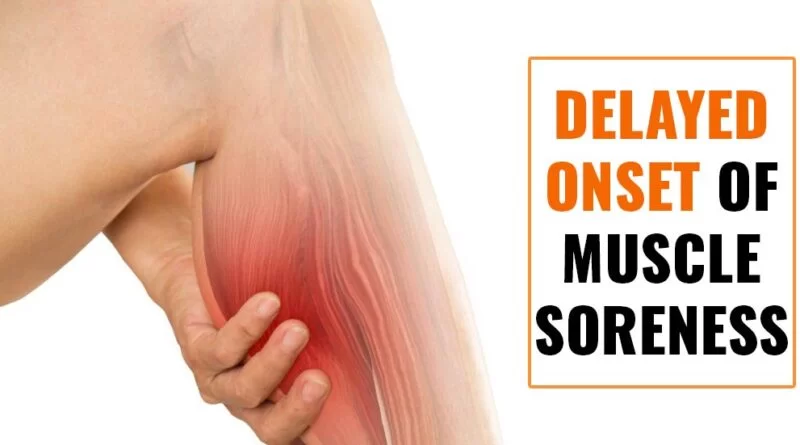
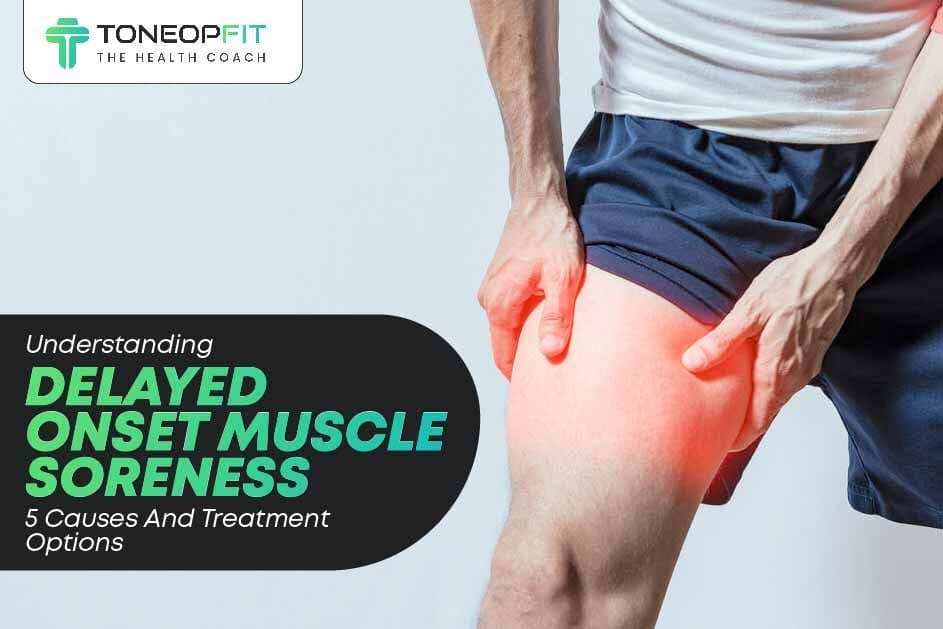
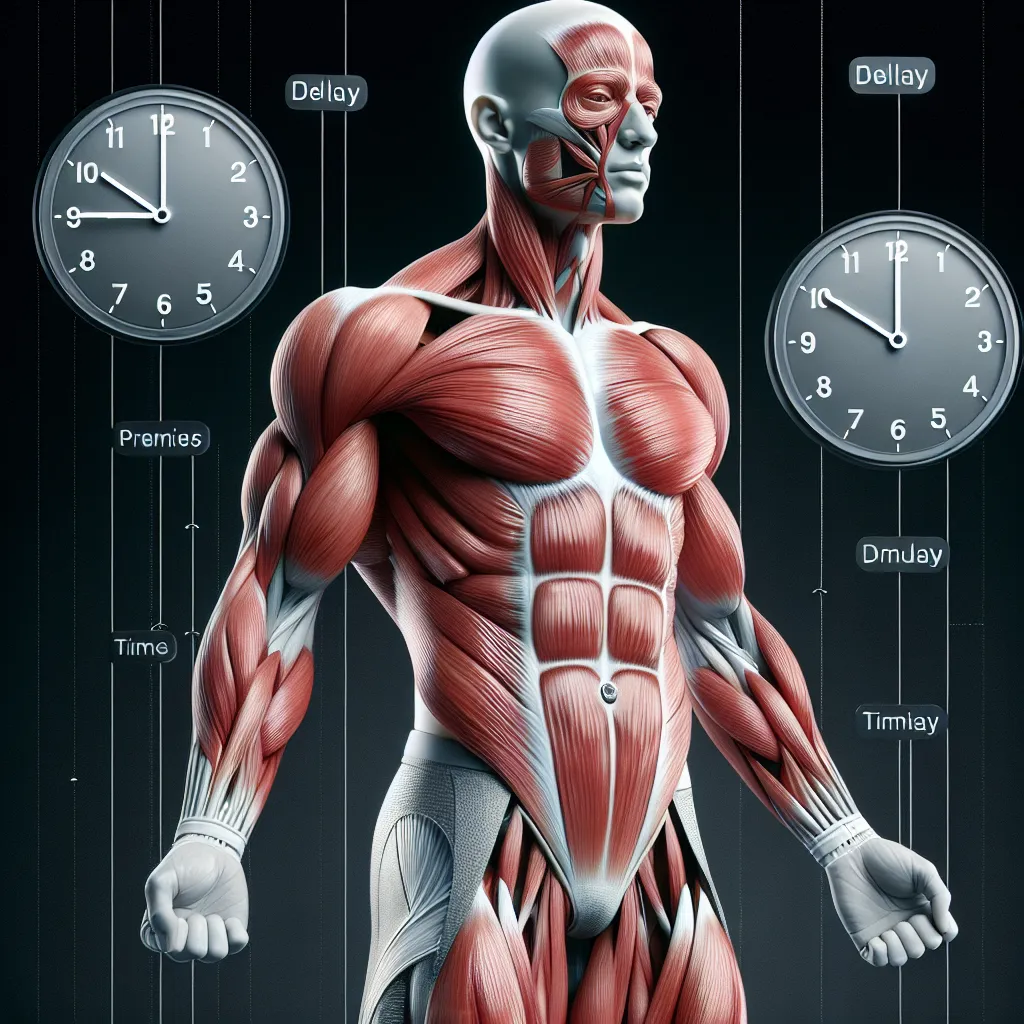
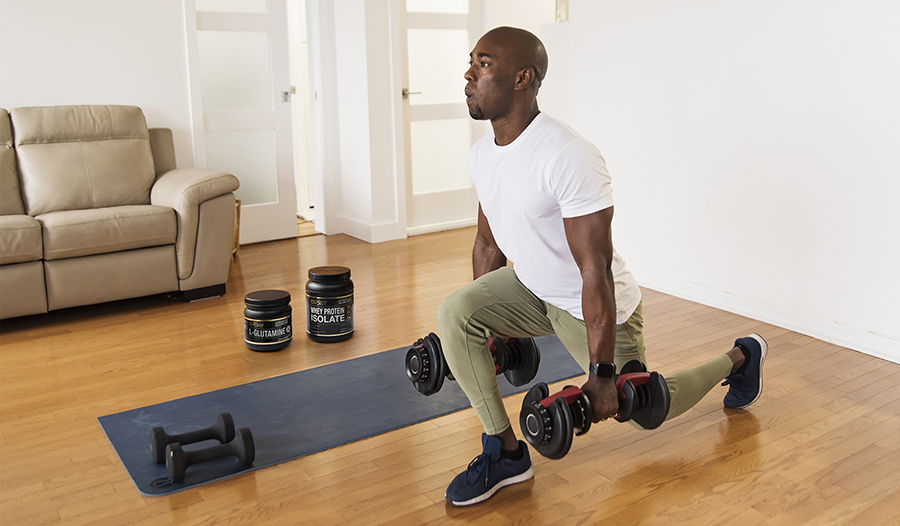
Delayed Onset Muscle Soreness (DOMS) is the pain and stiffness felt in muscles after unaccustomed or strenuous exercise. This soreness typically peaks 24 to 72 hours after the exercise and can range from mild to debilitating pain. DOMS is caused by eccentric (lengthening) exercise, which causes small-scale damage (microtrauma) to muscle fibers.
Causes of DOMS
The primary cause of DOMS is the microtrauma caused by eccentric exercise, which can lead to inflammation and muscle damage. Other factors that contribute to DOMS include:
- Inadequate warm-up and cool-down exercises
- Inconsistent or poor exercise form
- Insufficient rest and recovery time between workouts
- Overtraining or excessive intensity
- Muscle imbalances and weaknesses
Symptoms of DOMS
The symptoms of DOMS can vary from person to person, but common complaints include:
- Pain and stiffness in the affected muscles
- Swelling and redness in the affected area
- Limited range of motion and flexibility
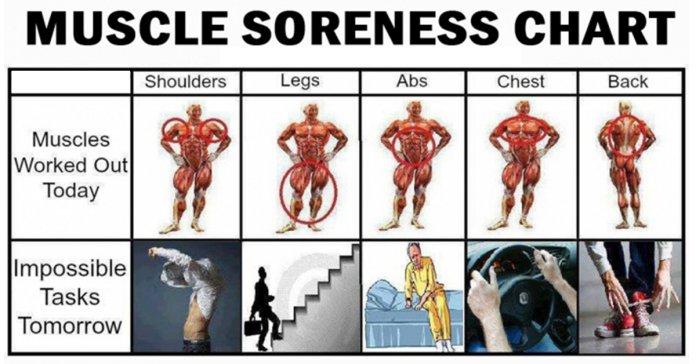
- Difficulty performing daily activities
Managing DOMS
While there's no cure for DOMS, there are several strategies to help alleviate its symptoms and reduce its impact on your daily life. Here are some effective ways to manage DOMS:
Stretching and Foam Rolling
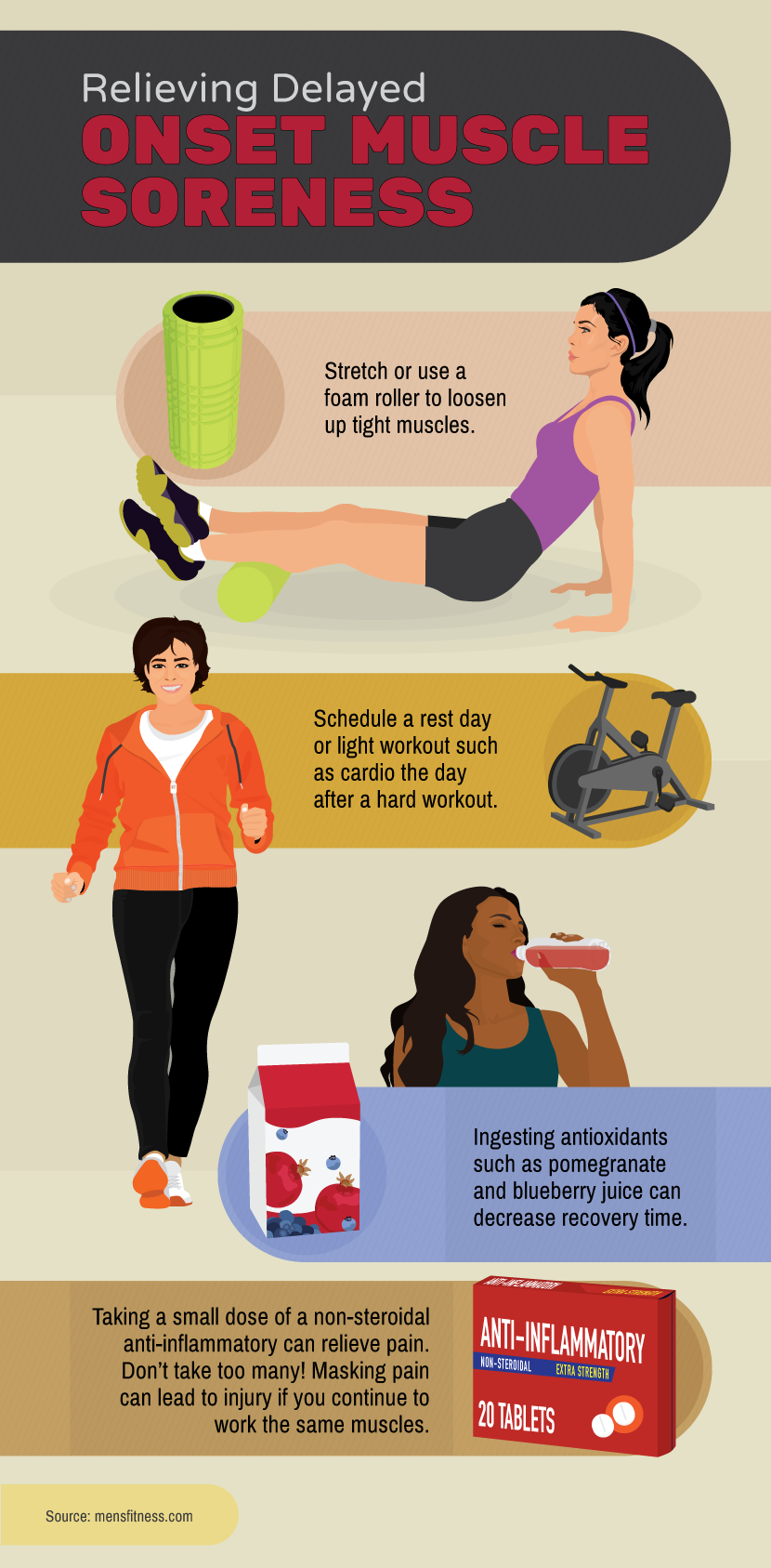
Stretching and foam rolling can help reduce muscle tension and improve flexibility. Focus on static stretches for the affected muscle group, holding each stretch for 20-30 seconds and repeating 2-3 times. Foam rolling can also help break down adhesions and promote blood flow to the affected area.
Heat and Cold Therapy
Applying heat or cold therapy to the affected area can help reduce pain and inflammation. Heat therapy, such as taking a warm bath or using a heating pad, can help relax muscles and increase blood flow. Cold therapy, such as icing the affected area or using a cold compress, can help reduce inflammation and numb the pain.
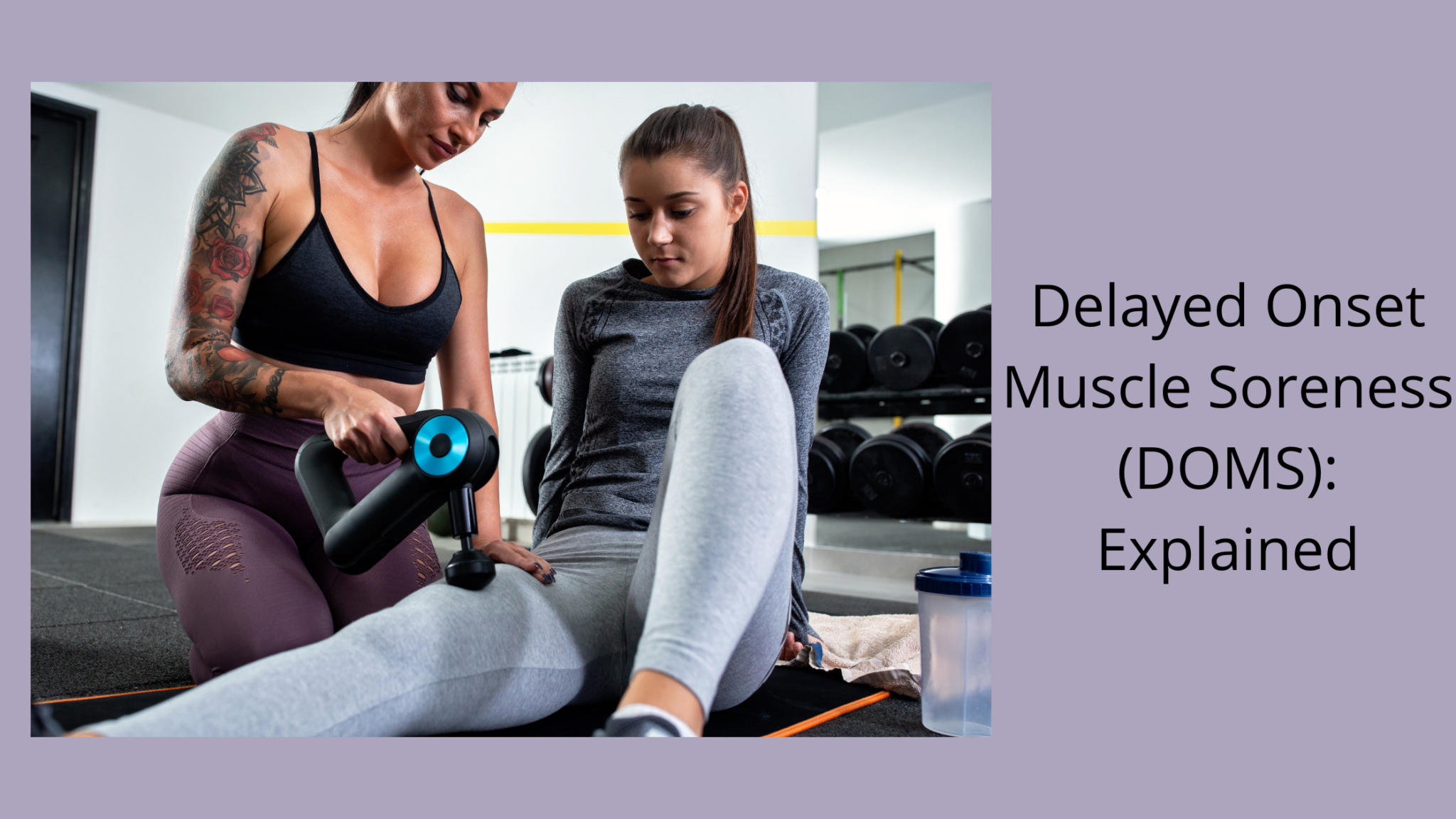
Massage and Self-Myofascial Release
Massage and self-myofascial release can help break down adhesions and promote blood flow to the affected area. Use a foam roller or your own body weight to release tension in the affected muscle group.
Nutrition and Supplementation
Adequate nutrition and supplementation can help support muscle recovery and reduce DOMS. Focus on consuming protein-rich foods, complex carbohydrates, and healthy fats. Consider supplementing with anti-inflammatory compounds, such as omega-3 fatty acids or turmeric, to help reduce inflammation and promote recovery.
Rest and Recovery
Finally, make sure to prioritize rest and recovery after intense exercise. Allow your body time to repair and rebuild muscle tissue, and avoid pushing yourself too hard too soon.
Conclusion
Delayed Onset Muscle Soreness (DOMS) is a common phenomenon experienced by many gym enthusiasts. By understanding the causes and symptoms of DOMS, you can take proactive steps to manage its impact and promote a speedy recovery. Remember to prioritize rest and recovery, stretch and foam roll regularly, and consider incorporating heat and cold therapy, massage, and self-myofascial release into your routine. With the right strategies in place, you can reduce DOMS and get back to your fitness routine in no time.




-1920w.jpg "Muscle Growth And Soreness: Understanding The Connection")
