Unlocking the Power of Long Tail Keywords in Content Marketing
As a marketer, you're constantly looking for ways to improve your content's visibility, attract high-quality traffic, and drive conversions. One effective way to achieve this is by incorporating long tail keywords into your content strategy. In this article, we'll explore what long tail keywords are, why they're essential for content marketing, and how to use them to boost your online presence.What are Long Tail Keywords?
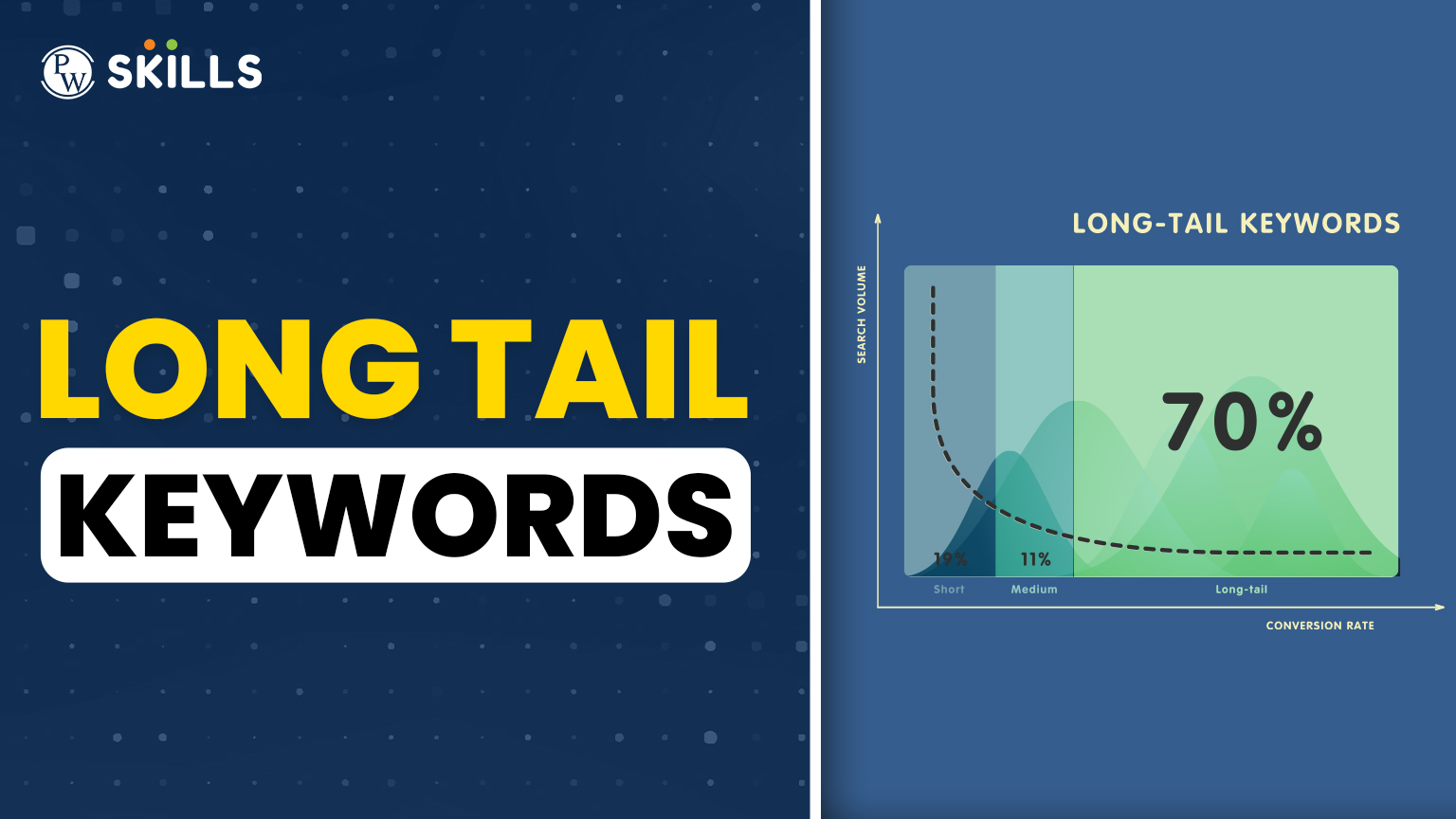
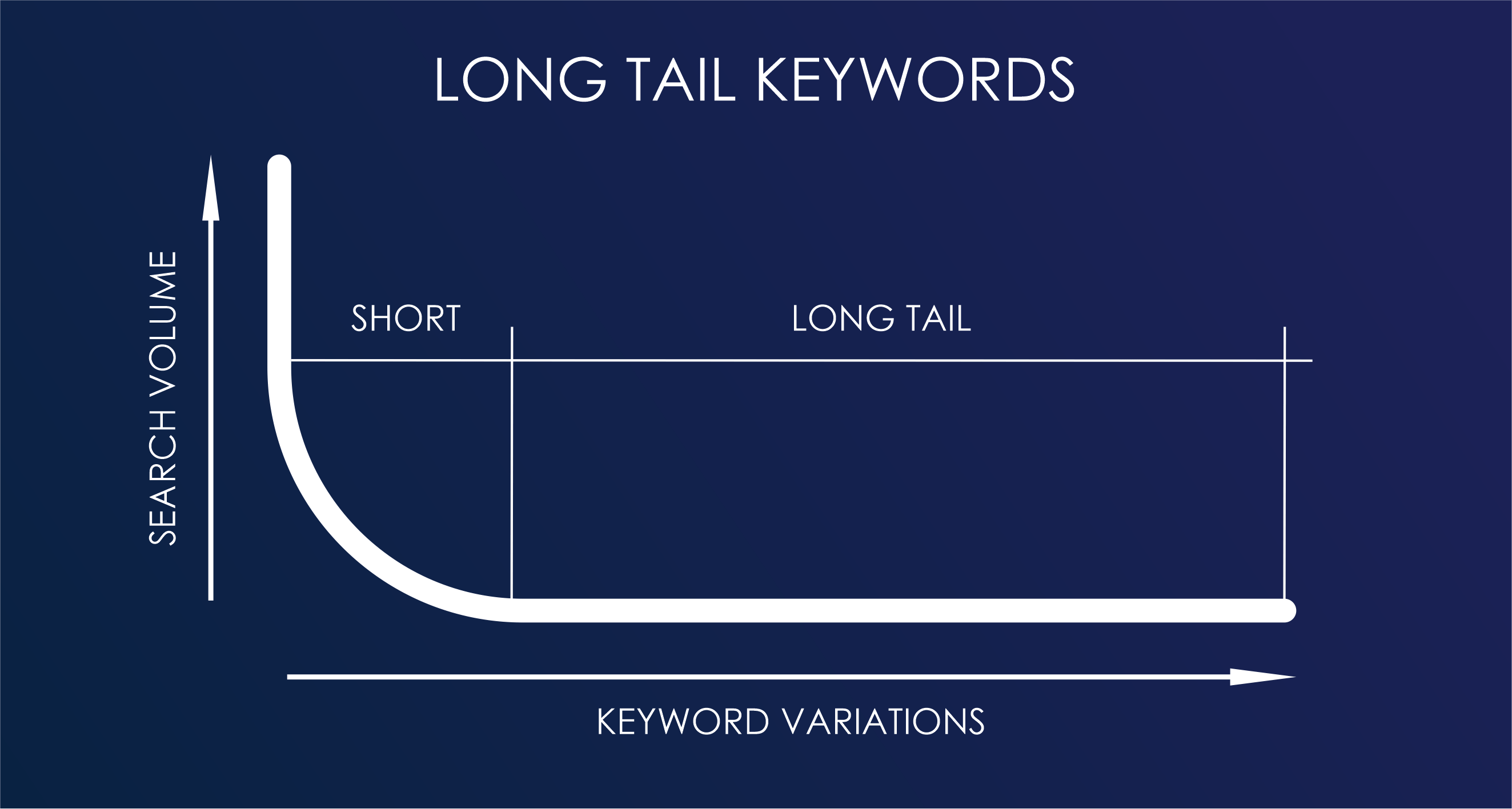
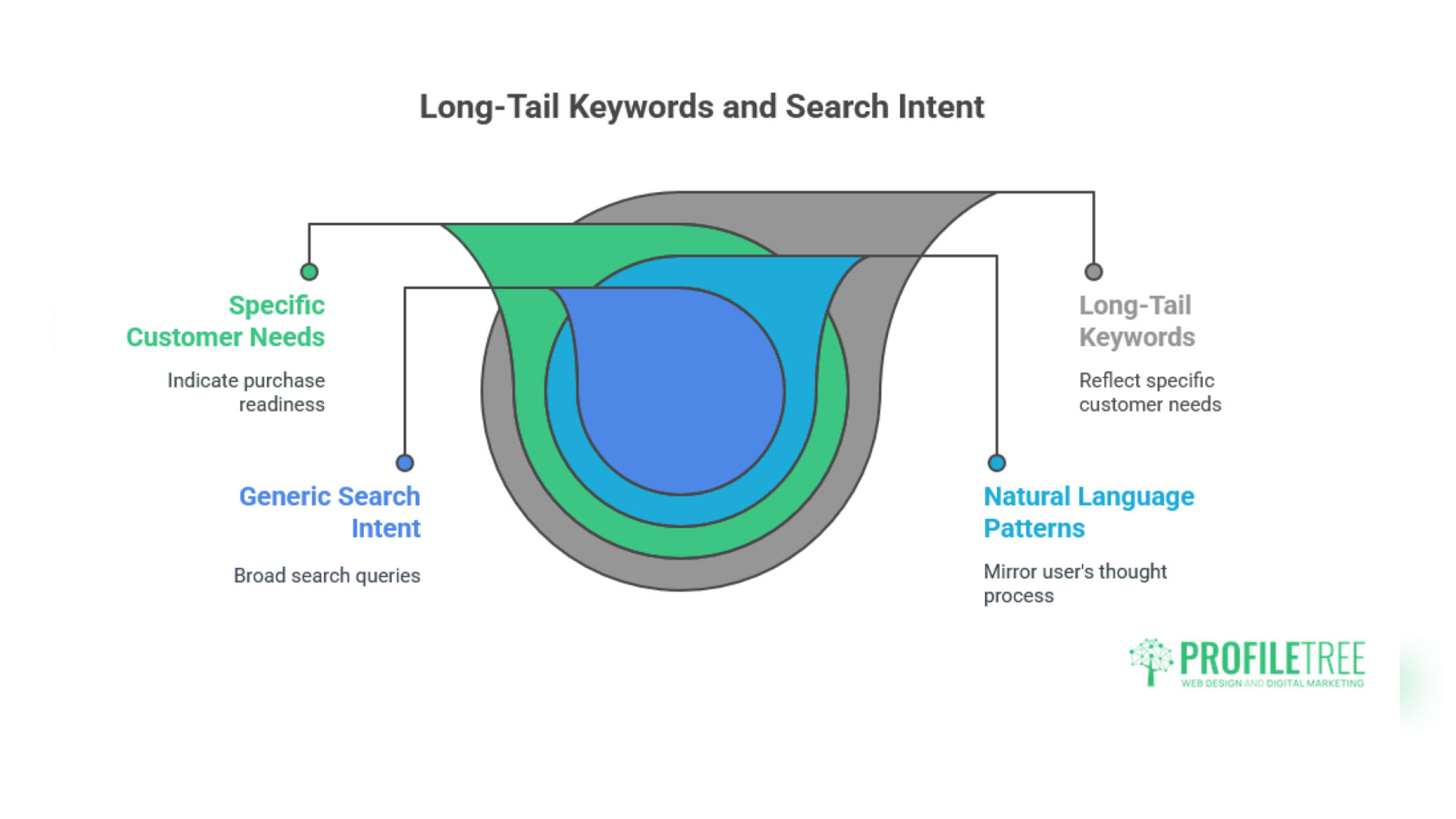
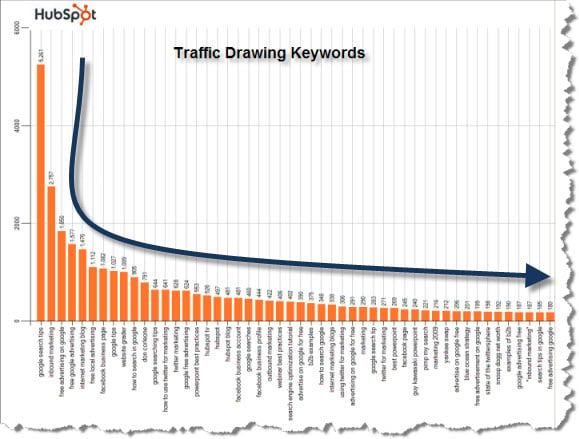
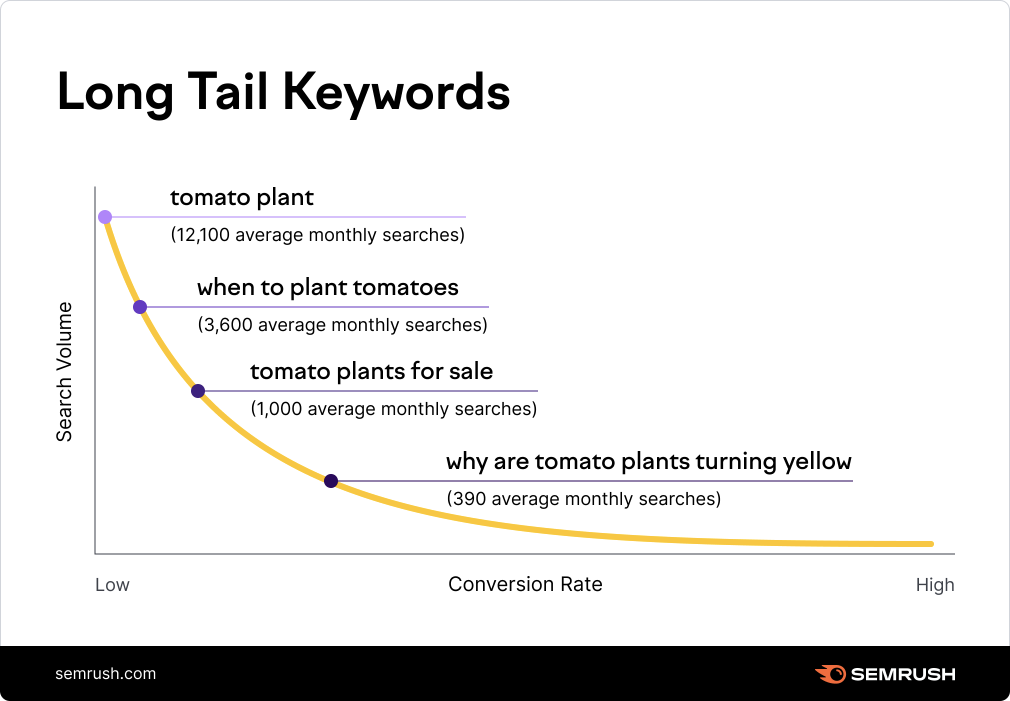
Long tail keywords are specific and longer search phrases that users enter into search engines when looking for particular information, products, or services. These keywords are typically more detailed and niche-focused compared to shorter, more general keywords. For example, instead of targeting the broad keyword "shoes," you could target the long tail keyword "women's red high-heeled pump shoes."Why Use Long Tail Keywords in Content Marketing?
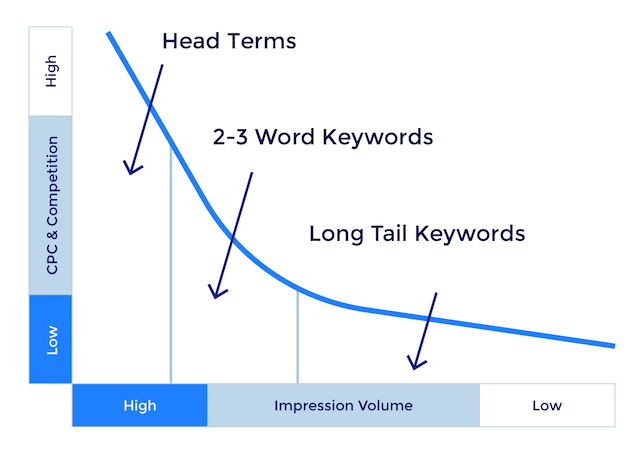
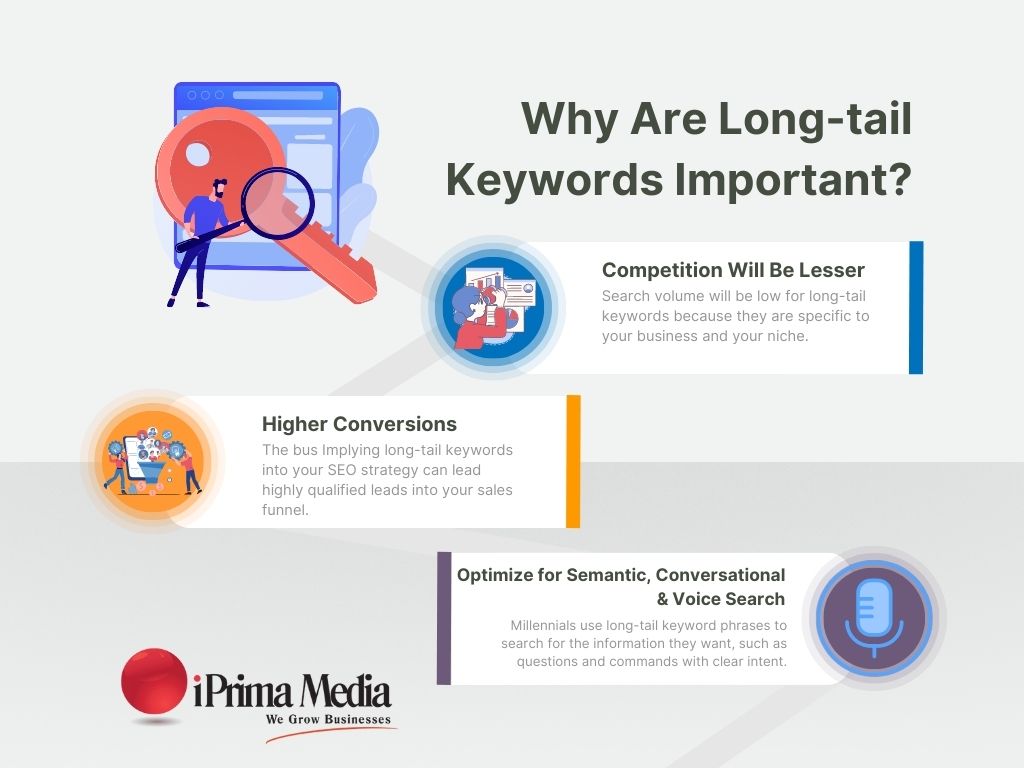
Using long tail keywords in content marketing offers several benefits, including:- Improved search engine rankings: Long tail keywords are less competitive than broad keywords, making it easier to rank high in search engine results pages (SERPs).
- Increased traffic: By targeting specific search phrases, you attract users who are more likely to convert into customers.
- Lower marketing costs: Long tail keywords often have lower competition and cost per click (CPC) rates, making them a more cost-effective marketing option.
- Better content quality: To effectively use long tail keywords, you must create high-quality content that addresses the specific needs and concerns of your target audience.
Identifying and Researching Long Tail Keywords

- Keyword research tools: Tools like Google Keyword Planner, Ahrefs, and SEMrush help you identify popular keywords and their search volumes.
- Competitor analysis: Analyze your competitors' content to see what long tail keywords they're targeting.
- Google Autocomplete: Use Google Autocomplete to find popular search queries related to your niche.
- Keyword clustering: Group related keywords together to identify long tail keywords and subtopics.
Using Long Tail Keywords in Content Creation
Once you've identified your long tail keywords, it's time to create content that targets those specific search phrases. Here are some tips to help you incorporate long tail keywords into your content:- Use keywords naturally: Incorporate your long tail keywords into your headings, subheadings, and content without overstuffing or sacrificing quality.
- Create high-quality content: Develop engaging, informative, and valuable content that addresses the specific needs and concerns of your target audience.
- Optimize your content for user intent: Ensure your content aligns with the intent behind the long tail keyword, whether it's to inform, entertain, or persuade.
- Update and refresh your content: Regularly update and refresh your content to target new long tail keywords and keep your audience engaged.