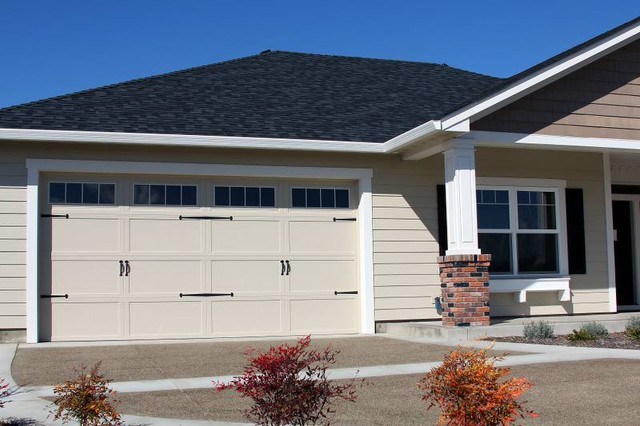
Garage Door Installation Pros and Cons: Weighing the Options
Are you planning to install a new garage door, but unsure whether to do it yourself or hire a professional? Choosing the right approach can make a significant difference in the outcome, safety, and overall value of your investment. In this article, we'll delve into the garage door installation pros and cons, providing you with a comprehensive guide to help you make an informed decision.
Difference Between DIY and Professional Garage Door Installation
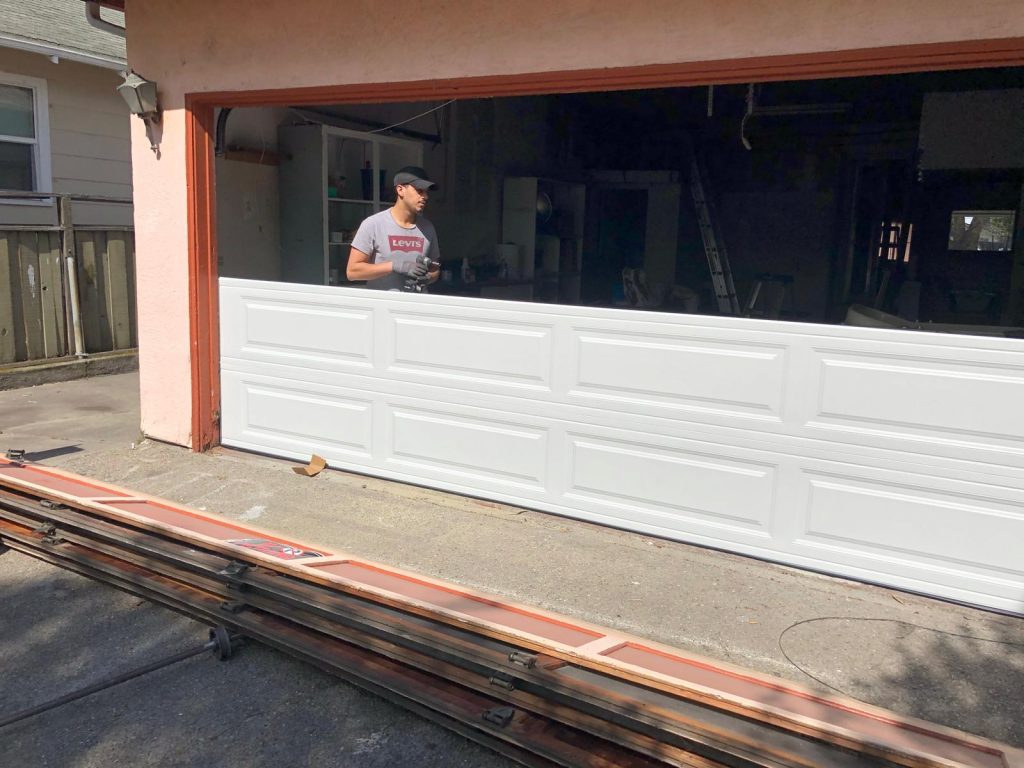
The primary concern when deciding between DIY and professional garage door installation is safety. While DIY installation offers cost savings and a sense of accomplishment, there are compelling advantages to hiring professionals for your garage door installation. Professional expertise and experience can ensure that the job is done correctly, reducing the risk of accidents and costly mistakes.
Professional Installation: Expertise and Safety
Professional garage door installation offers several benefits, including:
- Expertise and experience: Professionals have the knowledge and skills to install garage doors correctly, ensuring that the job is done efficiently and safely.
- Assurance of quality: By hiring professionals, you can be assured that the garage door is installed correctly, reducing the risk of costly repairs and maintenance issues.
- Warranty and support: Reputable companies offer warranties and support, giving you peace of mind and protecting your investment.
Difference Between Steel, Wood, Aluminum, and Composite Garage Door Materials
Garage doors come in various materials, each with its own pros and cons when it comes to maintenance, durability, and curb appeal. Here's a brief comparison of steel, wood, aluminum, and composite garage door materials:
- Steel garage doors: Durable, low maintenance, and affordable, but may require painting or finishing.
- Wood garage doors: Traditional, elegant, and durable, but require regular maintenance and finishing.
- Aluminum garage doors: Lightweight, corrosion-resistant, and low maintenance, but may be more expensive than steel doors.
- Composite garage doors: Durable, low maintenance, and eco-friendly, but may be more expensive than other materials.

Pricing Breakdown for Garage Door Materials
The cost of garage door materials can vary depending on the type, size, and brand. Here's a rough estimate of the cost range for different garage door materials:
- Steel garage doors: $800 to $2,000
- Wood garage doors: $1,200 to $3,500
- Aluminum garage doors: $1,500 to $4,000
- Composite garage doors: $2,000 to $5,000
Garage Door Installation Pros and Cons: A Comprehensive Guide
When weighing the pros and cons of garage door installation, consider the following factors:
- Cost:** DIY installation can be cost-effective, but professional installation may be necessary for complex or high-end garage doors.
- Safety:** Professional installation ensures that the job is done correctly, reducing the risk of accidents and costly mistakes.
- Quality:** Reputable companies offer warranties and support, giving you peace of mind and protecting your investment.
- Warranty:** Professional installation often comes with a warranty, covering parts and labor for a specified period.
- Maintenance:** Regular maintenance is essential to ensure the longevity and performance of your garage door. Professional installation may include maintenance recommendations and support.
Conclusion
Garage door installation pros and cons are essential to consider when deciding between DIY and professional installation. While DIY installation offers cost savings and a sense of accomplishment, professional installation ensures that the job is done correctly, reducing the risk of accidents and costly mistakes. By weighing the pros and cons, you can make an informed decision and choose the best approach for your garage door installation needs.