Replacing Old Water Heater with New One: A Comprehensive Guide
When it comes to maintaining your home's plumbing system, one of the most essential appliances you need to keep in mind is your water heater. With regular use, your water heater can eventually become old, inefficient, or even malfunctioning, requiring a replacement. In this article, we'll guide you through the process of replacing an old water heater with a new one.
Why Replace Your Old Water Heater?
Increased Efficiency: New water heaters come with improved energy efficiency, which can significantly reduce your energy bills.
Improved Safety: Modern water heaters are designed with advanced safety features, reducing the risk of accidents and leaks.
Enhanced Performance: newer models offer better hot water delivery, ensuring you have a consistent supply of hot water for your household needs.
Extended Lifespan: Replacing your old water heater with a new one can significantly extend its lifespan, reducing the need for frequent repairs or replacements.
When to Replace Your Old Water Heater?
As a general rule of thumb, it's recommended to consider replacing your water heater between 8 to 12 years of age. However, factors such as usage, maintenance, and unit quality can influence the lifespan of your water heater. If your water heater is malfunctioning, leaky, or showing signs of age, it's likely time to upgrade to a newer model.
Preparing for the Replacement
Turn off the power and water supply: Switch off the main switch and shut off the water supply to the water heater before starting the replacement process.
Drain the old water heater: You'll need to drain the old water heater to avoid any damage or spillage during the replacement process.
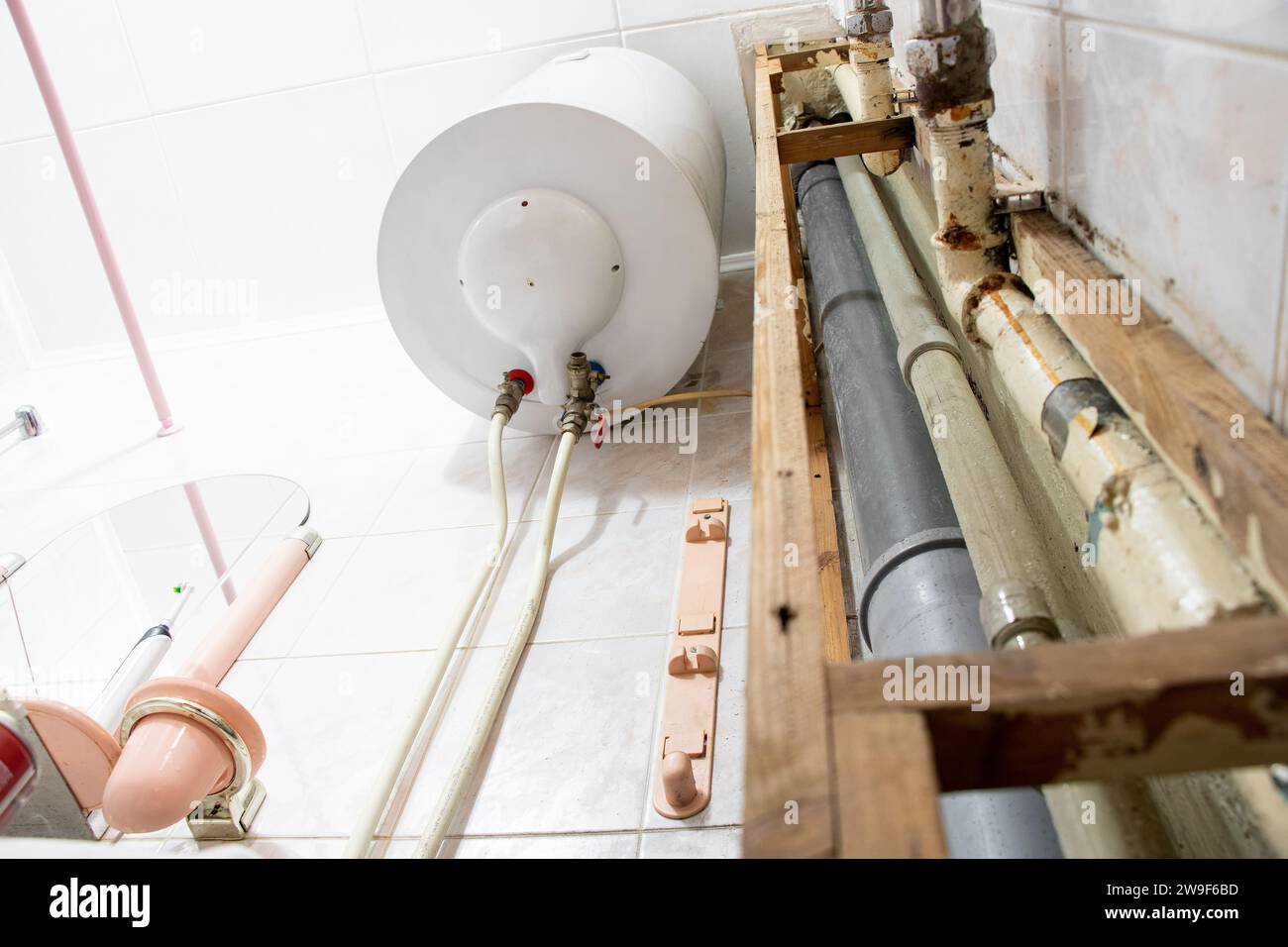
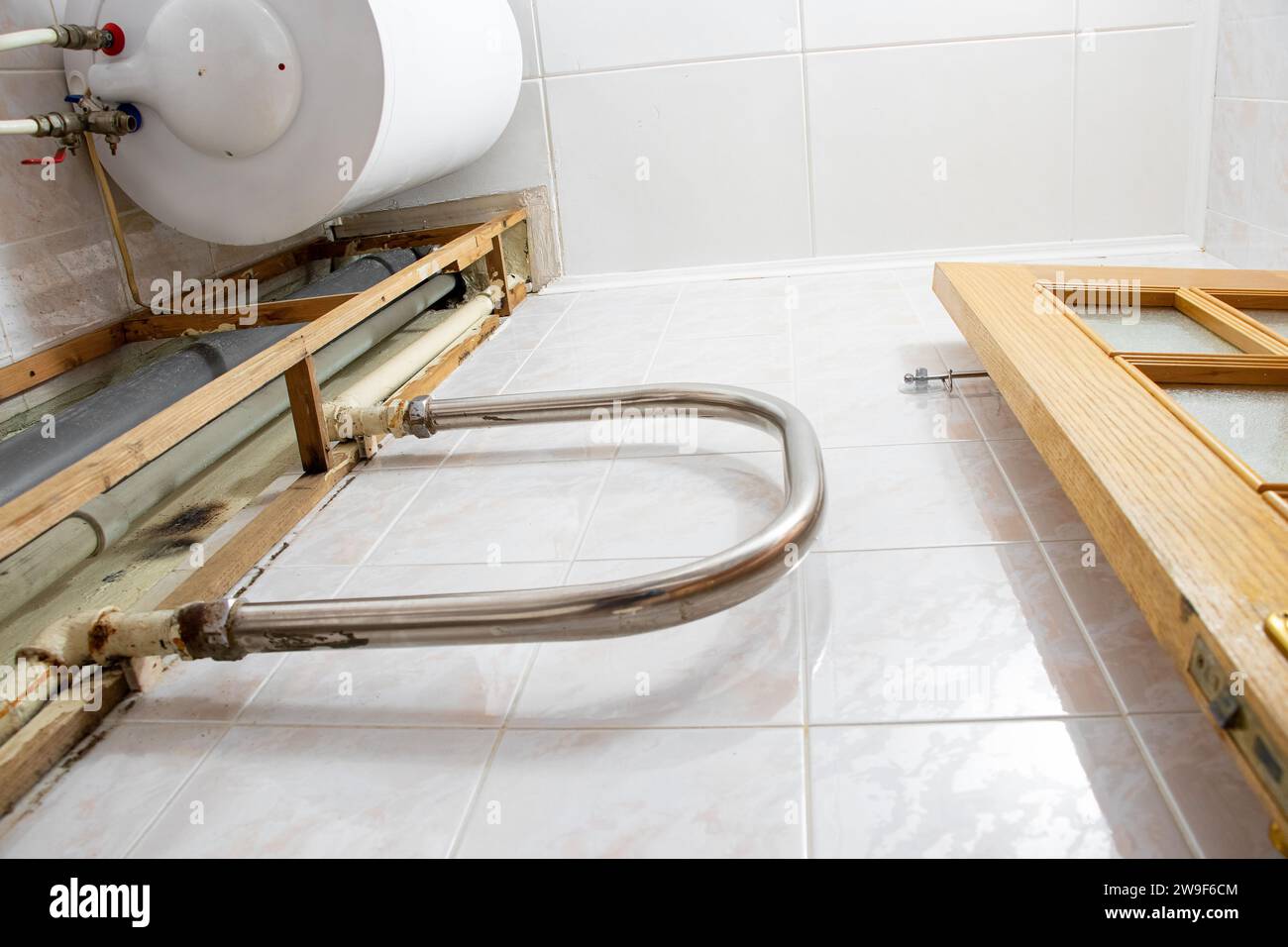
Disconnect the old water heater: Disconnect the water and gas lines, as well as any electrical connections, from the old water heater.
Remove the old water heater: Carefully lift and remove the old water heater from its location.
Inspect and clean the installation location: Inspect the area where the new water heater will be installed and clean it thoroughly to ensure a proper fit.

Installing the New Water Heater
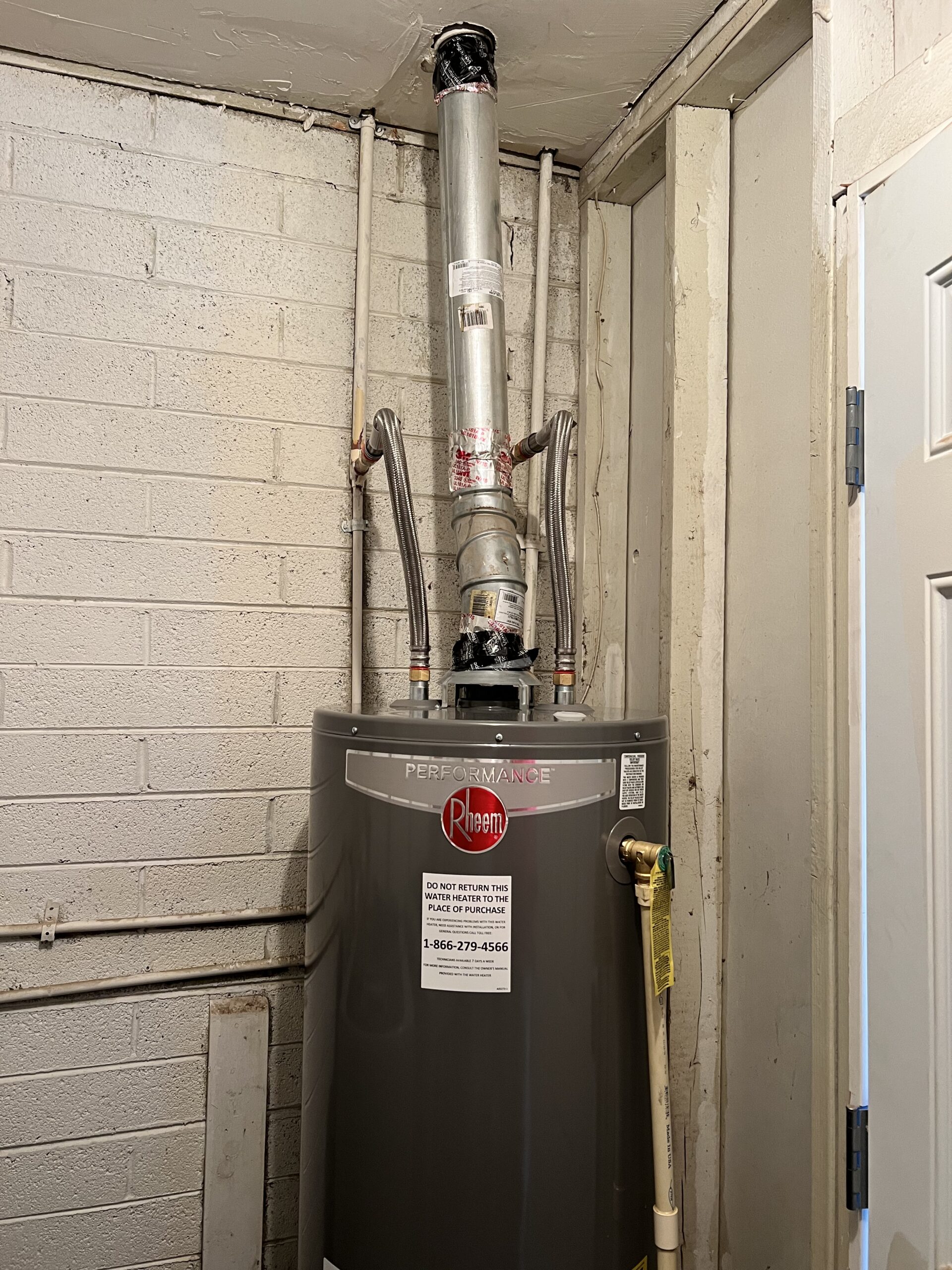
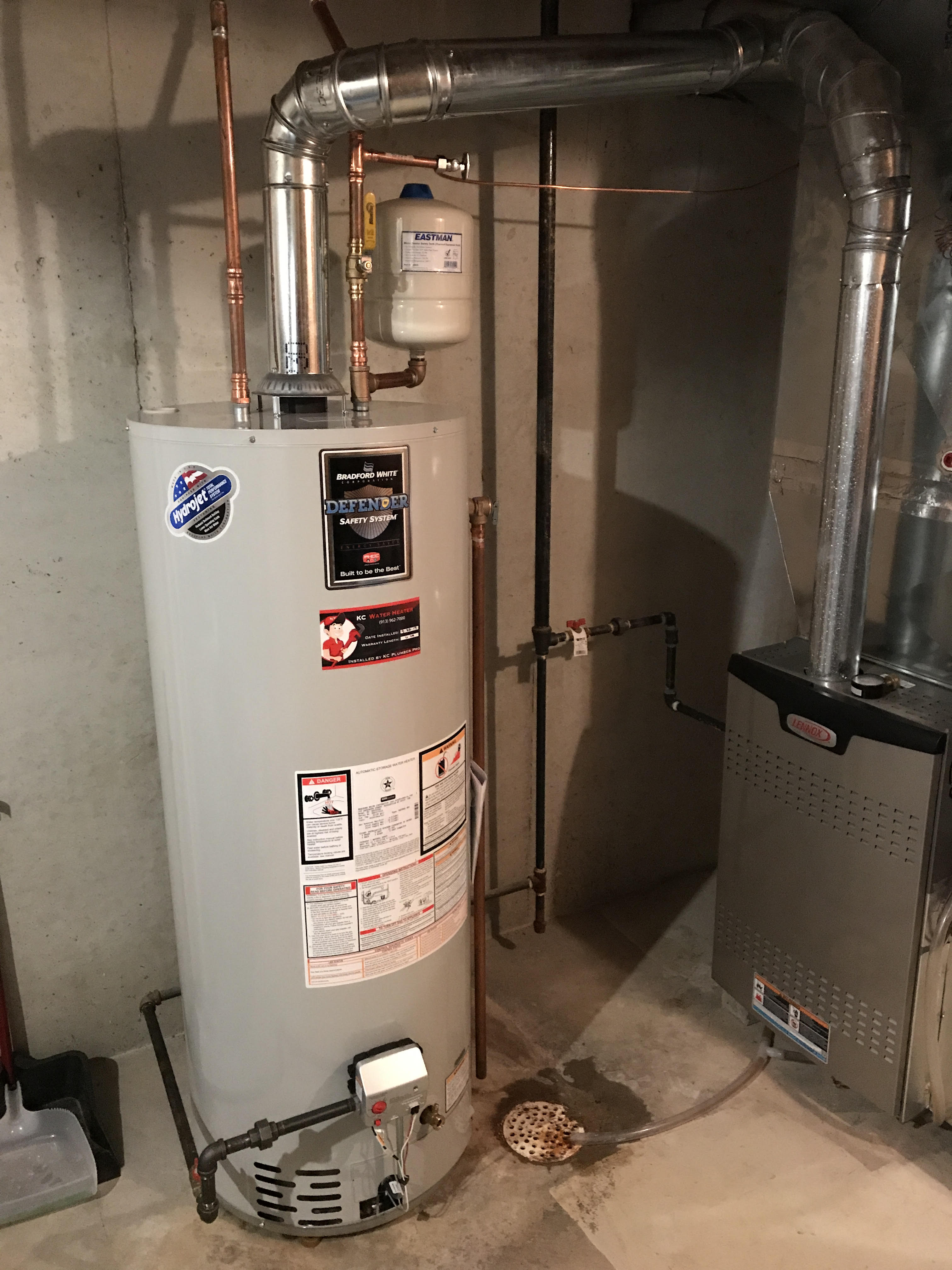
Install the new water heater: Carefully lift and place the new water heater in its location, ensuring it's properly secured and levelled.
Connect the new water heater: Connect the water and gas lines, as well as any electrical connections, to the new water heater.
Test the new water heater: Once the new water heater is connected, turn on the power and water supply to test the unit and ensure it's functioning properly.
Dispose of the old water heater: Properly dispose of the old water heater, either by recycling or taking it to a scrap metal yard.
Final Thoughts
Replacing an old water heater with a new one can seem daunting, but with proper planning, attention to safety, and a clear step-by-step process, many homeowners can successfully swap out an old tank-style heater for a new one.
As a homeowner, it's essential to prioritize your home's plumbing system, ensuring it's functioning efficiently and effectively. With the right tools, knowledge, and precautions, you can successfully replace your old water heater with a new one, improving your home's overall performance and safety.
Additional Resources
Learn more about the average cost of water heater installation and replacement on [Source website].
Discover how to install an electric water heater with SharkBite Max on [Source website].
Get expert home improvement ideas, step-by-step DIY projects, and maintenance tips from HGTV.