Understanding Residential Solar Panel Installation Costs
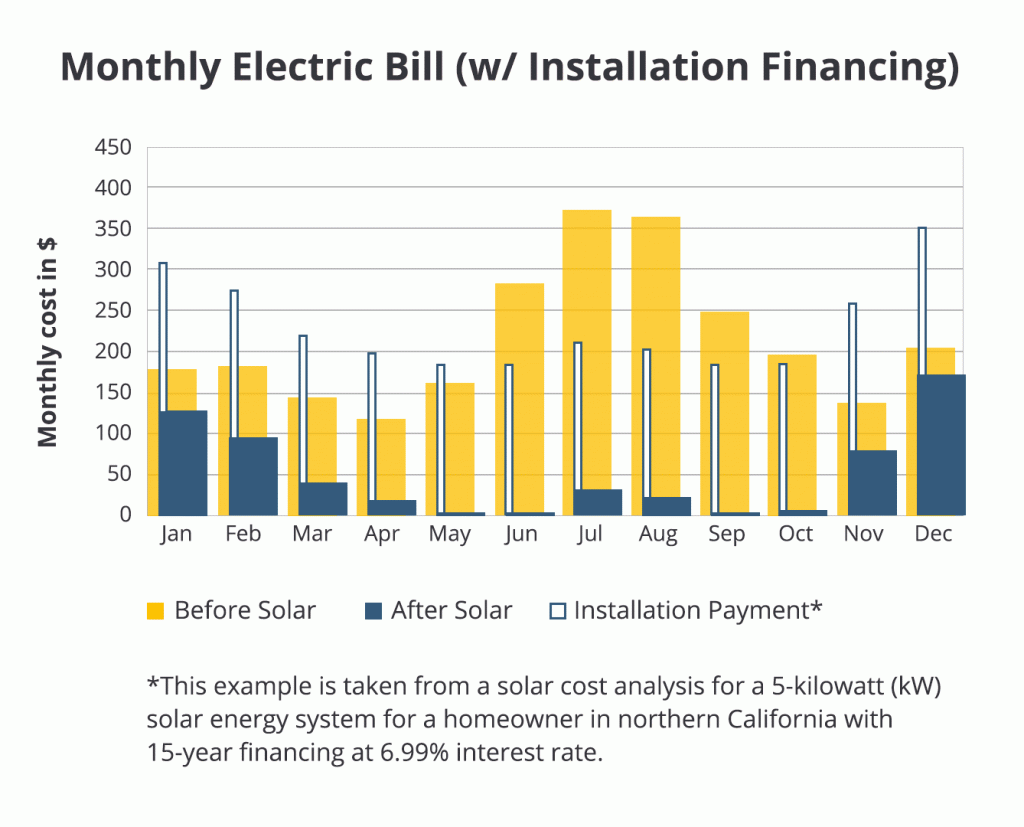
When it comes to harnessing the power of solar energy, one of the primary concerns for homeowners is the cost of residential solar panel installation. While the initial investment may seem daunting, the long-term benefits and savings make it a worthwhile consideration for many. In this article, we'll delve into the various factors that influence residential solar panel installation costs, providing you with a comprehensive understanding of what to expect.
Cost Breakdown of Residential Solar Panel Installation
The total cost of residential solar panel installation can be broken down into two main categories: hardware costs and soft costs. Hardware costs include the actual equipment that makes up a solar panel system, such as panels, solar inverters, mounting hardware, wiring, and potentially, home batteries. Soft costs, on the other hand, encompass sales, marketing, administrative, labor, and other expenses related to the installation process.
Hardware Costs
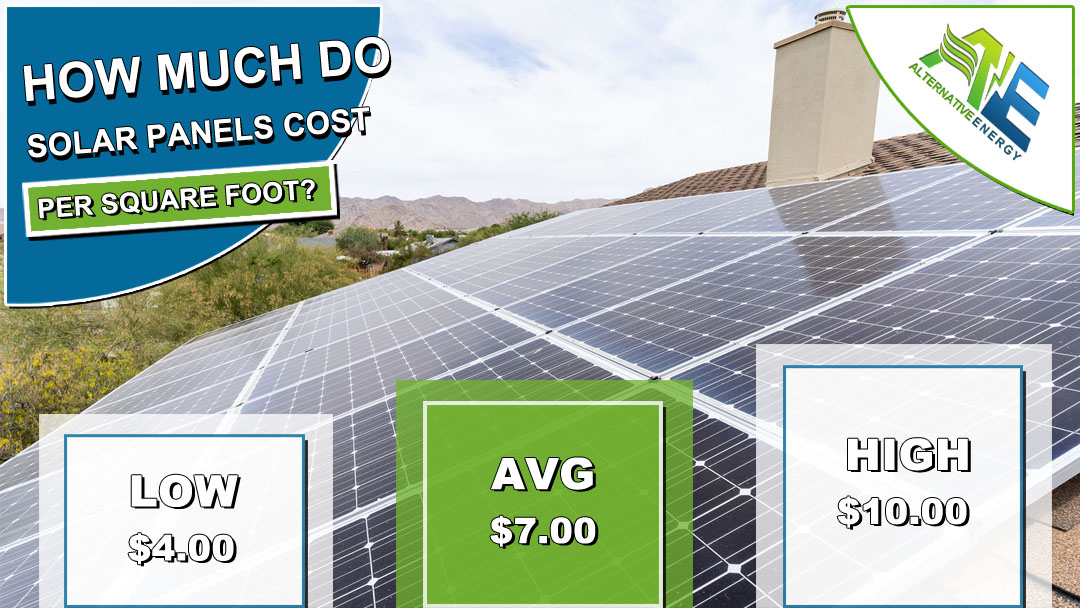
- Panel prices: $2.50 to $4.50 per watt
- Inverter prices: $1,000 to $3,000
- Mounting hardware prices: $1,000 to $3,000
- Wiring and electrical costs: $1,000 to $3,000
- Home battery costs (optional): $3,000 to $10,000
Soft Costs
- Sales and marketing expenses: 10% to 20% of total system cost
- Administrative costs: 5% to 10% of total system cost
- Labor costs: $1,000 to $3,000
- Permitting and inspections: $500 to $2,000
- Other expenses (insurance, etc.): 5% to 10% of total system cost
Factors Influencing Residential Solar Panel Installation Costs
The cost of residential solar panel installation can vary significantly depending on several factors, including:

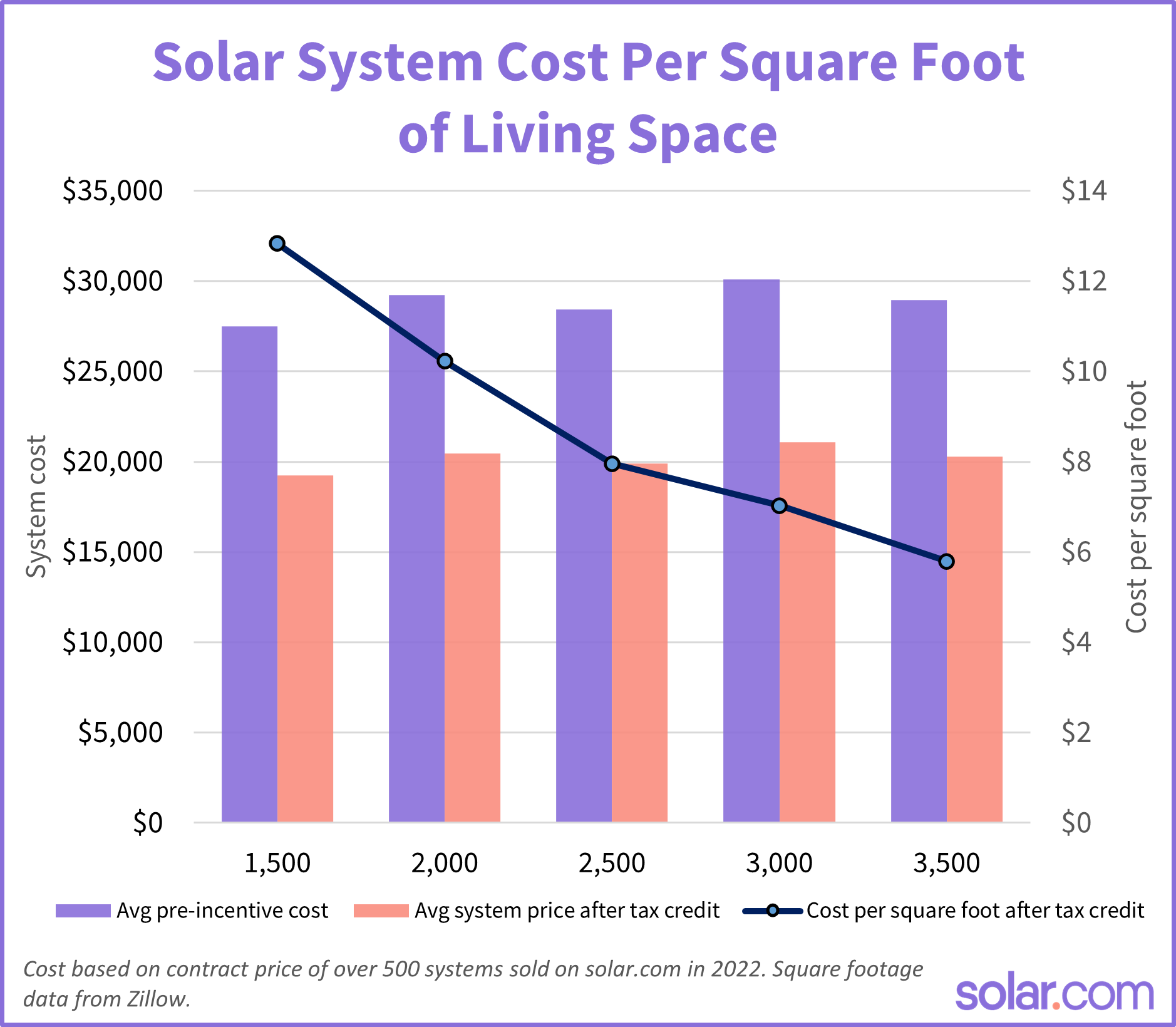
- System size: Larger systems typically cost more, but economies of scale can reduce the cost per watt.
- Location: Installation costs vary by region, with urban areas often costing more than rural areas.
- Roof type and condition: Complex roof structures or those requiring additional support may increase installation costs.
- Panel efficiency: Higher-efficiency panels may cost more upfront but provide greater energy output.
- Inverter type and brand: Different inverter types and brands can affect installation costs.
- Labor costs: Installation labor costs vary by region and installer.
- Permitting and inspection fees: Local regulations and permitting requirements can add to the overall cost.
Residential Solar Panel Installation Costs in Different Regions
The cost of residential solar panel installation varies across different regions. For example:
- New York: $3.30 per watt, with a typical 6.9 kW system costing $16,632.
- Ohio: $3.00 to $4.50 per watt, with a typical 6-8 kW system costing $15,000 to $22,500.
- California: $2.50 to $4.50 per watt, with a typical 6-8 kW system costing $10,000 to $18,000.
Conclusion
Residential solar panel installation costs can vary widely depending on several factors, including system size, location, roof type, and panel efficiency. While the initial investment may seem daunting, the long-term benefits and savings make it a worthwhile consideration for many homeowners. By understanding the hardware and soft costs involved, as well as the factors influencing installation costs, you can make an informed decision about investing in a solar panel system for your home.
Get a Precise Residential Solar Panel Installation Cost Estimate
For a personalized estimate of the cost of residential solar panel installation for your home, consult with a licensed solar installer. They can assess your energy needs, roof condition, and local regulations to provide an accurate quote. With the right information, you can make an informed decision about harnessing the power of solar energy and reducing your energy bills.