Toxic Mold Remediation and Removal: A Comprehensive Guide
Discover the step-by-step process for removing toxic mold from your home or business and learn how to prevent future infestations.
What is Toxic Mold Remediation and Removal?
Toxic mold remediation and removal is the process of reducing and eliminating mold growth, particularly in buildings and homes, that poses a significant health risk to occupants. The goal of remediation is to restore the affected area to a safe and healthy condition.
Health Risks Associated with Toxic Mold
Toxic mold can produce mycotoxins, which are toxic substances that can cause a range of health problems, including respiratory issues, allergic reactions, and even neurological damage. Prolonged exposure to toxic mold can lead to serious health issues, especially for individuals with weakened immune systems.
Identifying Toxic Mold
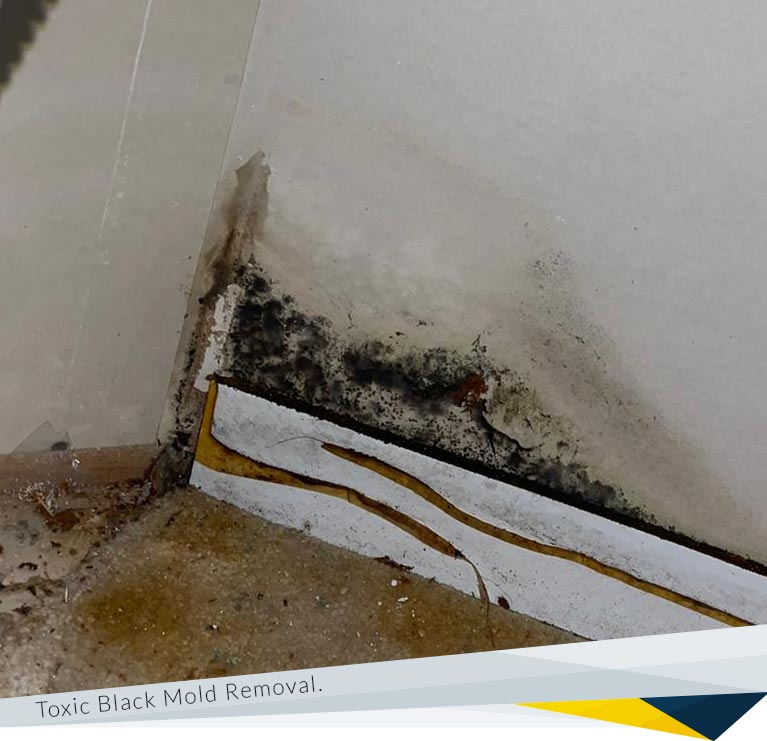
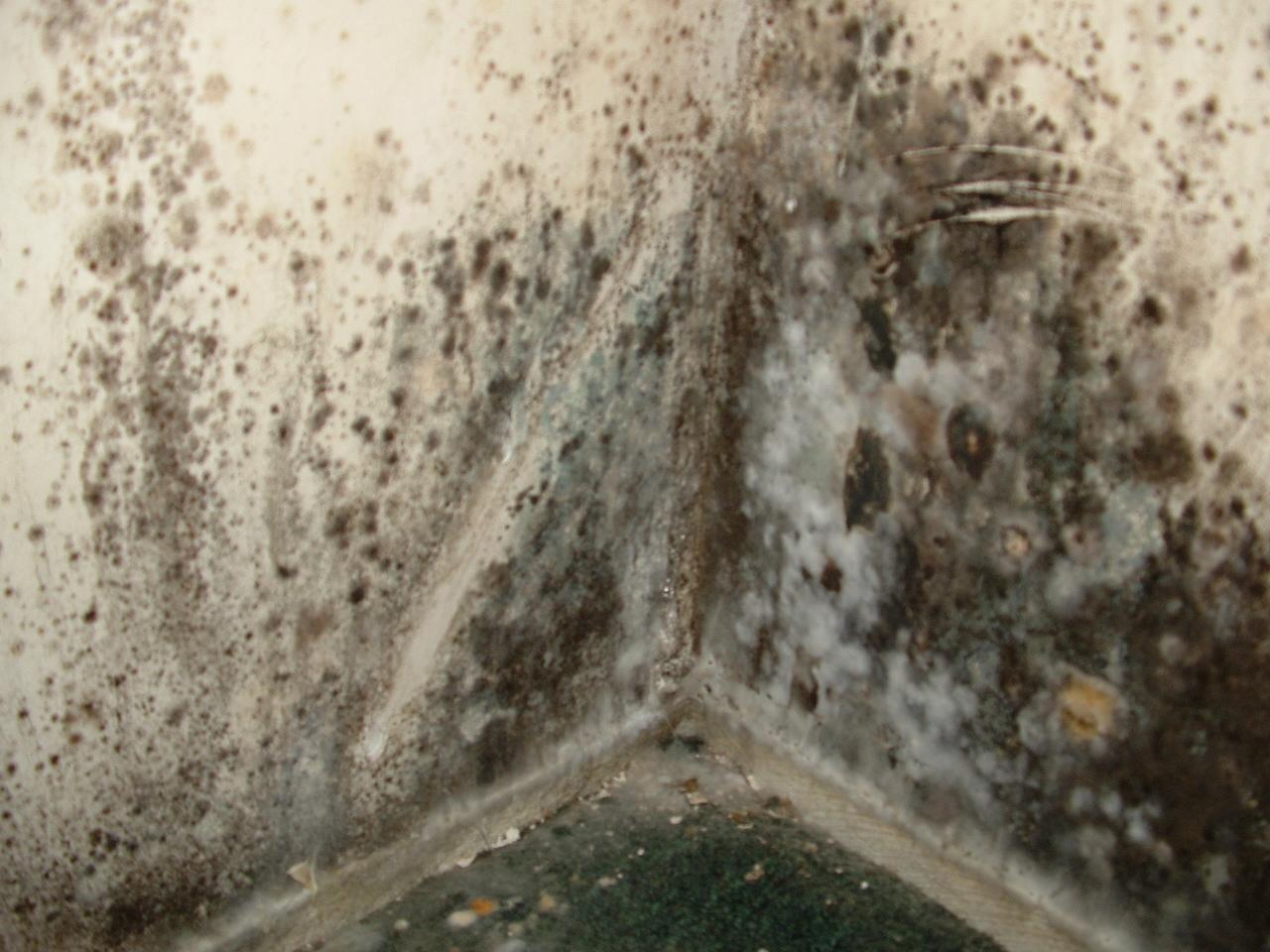
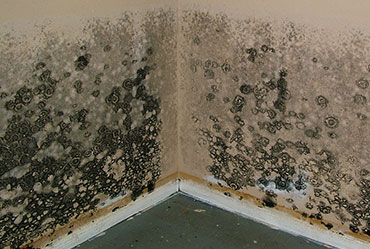
Toxic mold often appears as a black or greenish-black substance, with a musty or earthy odor. However, not all mold is toxic, and some species can appear white, gray, or even colorful. If you suspect toxic mold growth in your home or business, it's essential to consult with a professional remediation expert.
Remediation Steps
The remediation process typically involves the following steps:
- Assessment: Identify the source and extent of the mold growth, and assess the risks associated with the infestation.
- Containment: Isolate the affected area to prevent the spread of mold spores to other parts of the building.
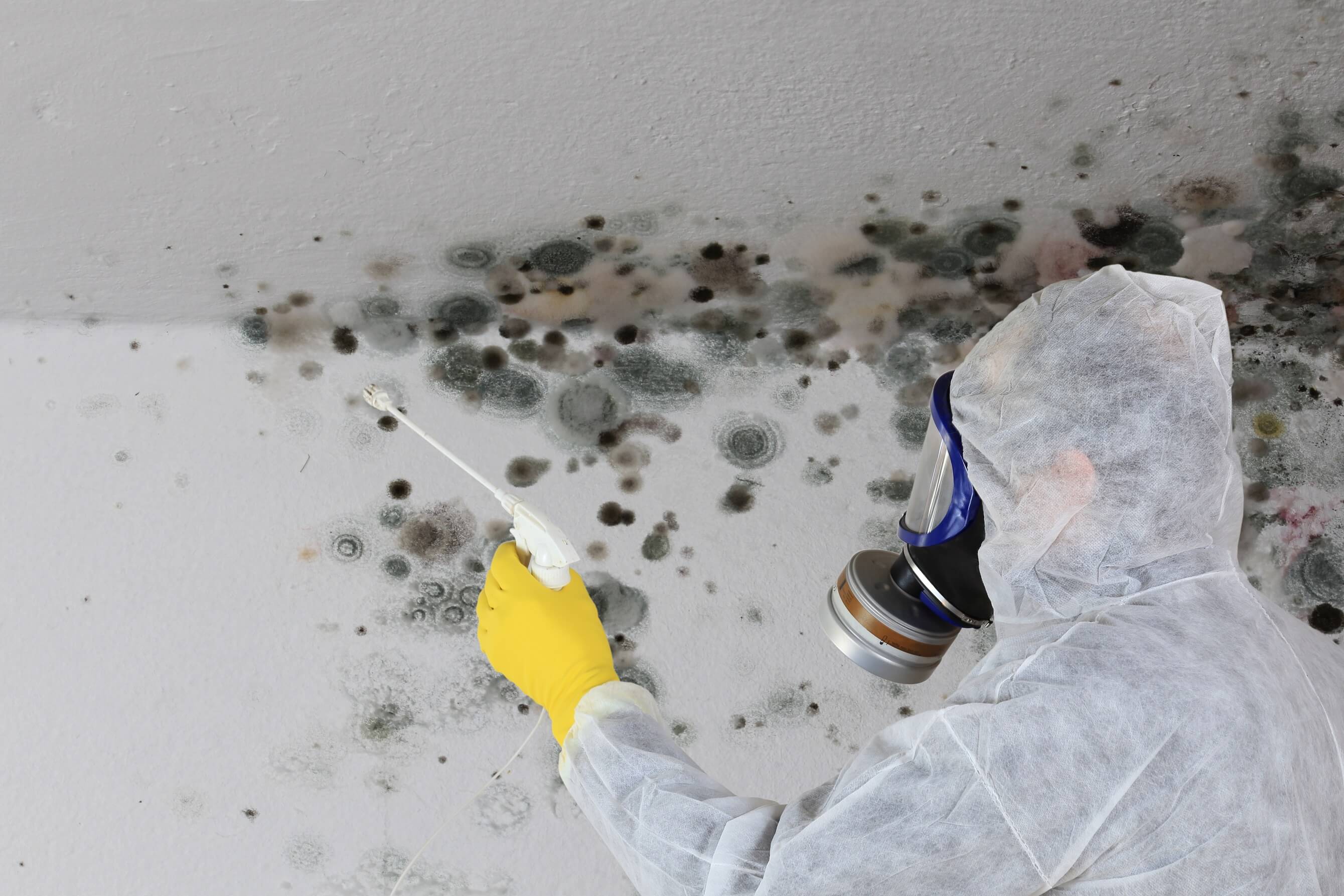
- Removal: Physically remove the mold growth, using specialized equipment and techniques.
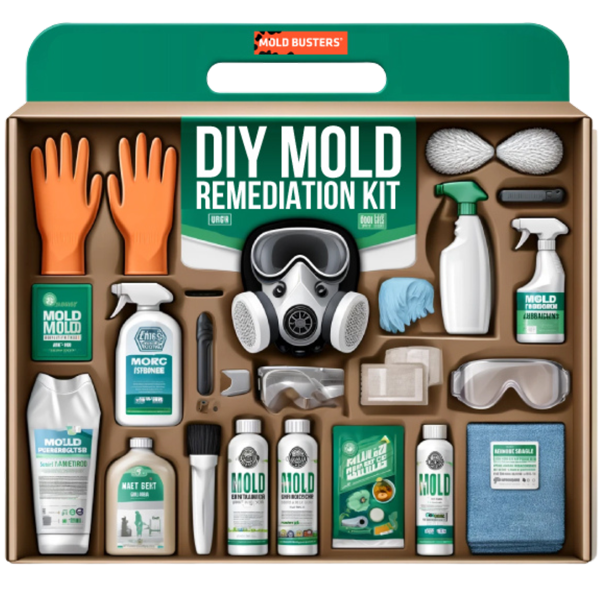
- Cleaning: Clean and disinfect the affected area, using a solution that is effective against mold and mycotoxins.
- Repair: Repair any underlying water damage or structural issues that may have contributed to the mold growth.
Prevention is Key
Toxic mold remediation and removal is a costly and time-consuming process. However, with the right preventive measures, you can reduce the risk of mold growth and infestations. Some effective prevention strategies include:
- Regular maintenance: Regularly inspect your home or business for signs of moisture, water damage, or mold growth.
- Improper ventilation: Ensure proper ventilation in areas prone to moisture, such as bathrooms and kitchens.
- Water damage: Address water damage promptly, and ensure that underlying issues are resolved.
- Dehumidification: Maintain a consistent humidity level in your home or business, using a dehumidifier if necessary.
Conclusion
Toxic mold remediation and removal requires specialized expertise and equipment. If you suspect toxic mold growth in your home or business, it's essential to consult with a professional remediation expert to ensure safe and effective remediation. By following the steps outlined in this guide and taking preventive measures, you can reduce the risk of toxic mold infestations and create a healthier, safer environment for occupants.
Resources
If you're looking for additional information or professional guidance, consider the following resources:
- Environmental Protection Agency (EPA): The EPA provides guidance on mold remediation, prevention, and removal.
- Centers for Disease Control and Prevention (CDC): The CDC offers information on mold-related health issues and remediation.
- National Institute of Environmental Health Sciences (NIEHS): The NIEHS provides resources on mold-related health risks and prevention.
References
The following references were used in the preparation of this guide:
- National Institute of Environmental Health Sciences (NIEHS): Mold Remediation: A Guide for Homeowners and Renters.
- Environmental Protection Agency (EPA): Mold Remediation in Schools and Commercial Buildings.
- Centers for Disease Control and Prevention (CDC): Mold and Health.