Understanding Trademarks in the EU: A Comprehensive Guide
When it comes to protecting your brand identity, trademarks play a vital role in distinguishing your products or services from others in the market. In the European Union (EU), trademarks are regulated by the European Union Intellectual Property Office (EUIPO) and are considered a crucial aspect of a company's intellectual property (IP). In this article, we will delve into the world of trademarks in the EU, exploring the benefits of registering a trademark, the dual registration system, and recent reforms aimed at enhancing accessibility and efficiency for businesses.
What are Trademarks in the EU?
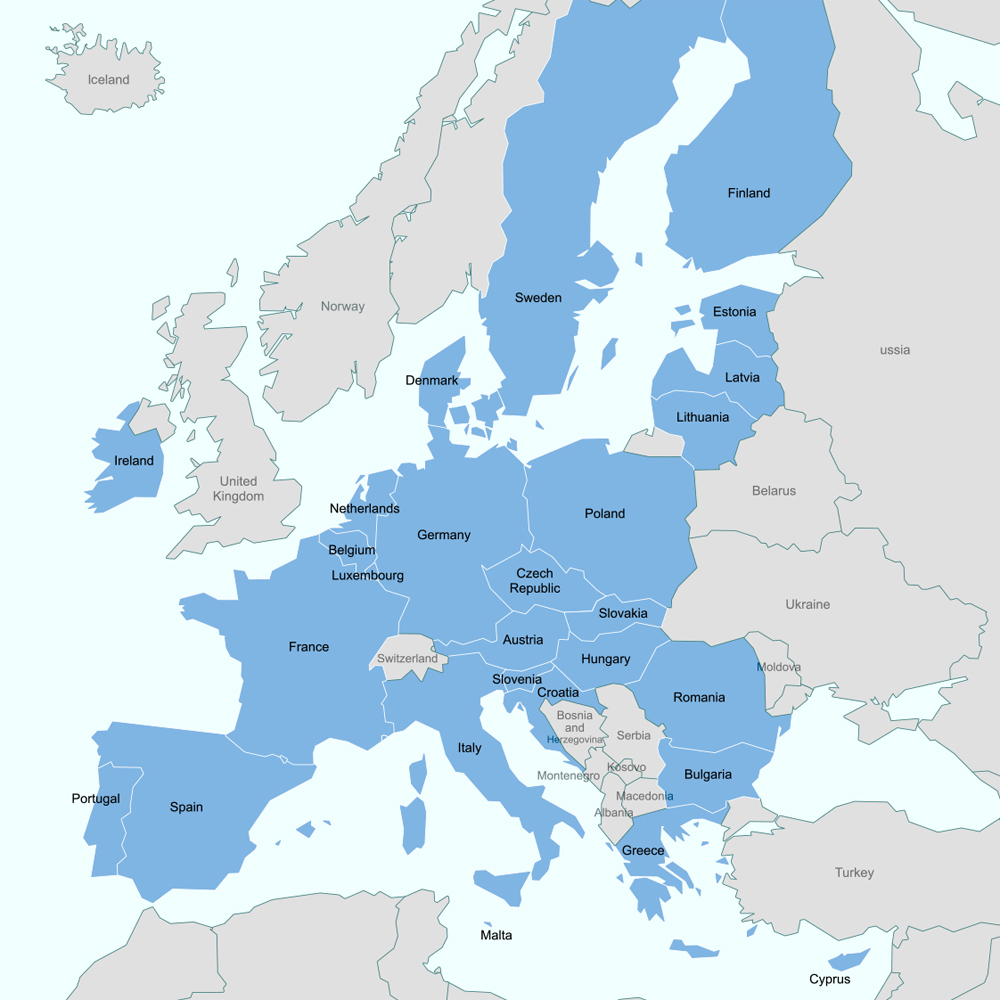
A trademark is a visual or word-based element that identifies a company's brand, product, or service. It differentiates your products or services from other brands and encapsulates your values. Trademarks may even become your most valuable asset, making them a crucial part of your business's success. With the European Union Trade Mark (EUTM) offering a single, streamlined route to secure comprehensive brand protection across all 27 EU member states, registering a trademark in the EU is essential for businesses operating or planning to operate in the EU market.
Benefits of EU Trademark Registration
Registering a trademark in the EU offers substantial benefits for businesses operating or planning to operate across EU member states. Some of the advantages of EU trademark registration include:
- Unified protection: EU trademark registration provides a uniform right applicable in all member states of the European Union, simplifying trademark policies at European level.
- Single filing: With the EUTM, businesses can secure comprehensive brand protection across all 27 EU member states through a single registration procedure.
- Cost-effective: EU trademark registration is a cost-effective way to secure brand protection, as businesses only need to file one application for comprehensive protection.
- Enhanced brand protection: EU trademark registration provides stronger brand protection, ensuring that businesses can prevent counterfeiting and fraud.
Conducting a Trademark Search
Before applying for registration of your trademark with EUIPO, it is essential to conduct a trademark search. This search will allow you to identify any similar trademarks, analyze the registration chances for the requested trademark, and determine the opposition and objections that may be received during the examination process.

Recent Reforms and Improvements
The European Commission has continually monitored the trademark system in the EU to identify ways to improve its effectiveness and accessibility for businesses. Recent reforms and improvements include the adoption of the Guidelines on EU Trademarks and the Guidelines on registered EU designs, which aim to enhance the clarity and consistency of the trademark registration process.
Where to Search for EU Trademarks
If you are looking to search for registered trademarks in the EU, you can use the search tool, TMview, which is free of charge. This tool allows you to search for trademarks registered with the EUIPO and other participating European Union member states' national offices.
Renewal of EU Trademarks
EU trademarks are valid for a period of 10 years from the date of filing and can be renewed indefinitely. The European Union Intellectual Property Office (EUIPO) will generally inform you, or your representative, six months before the expiry date that your EUTM is due for renewal. It is essential to respond to this notification and take action to renew your trademark to avoid losing protection.
Conclusion
Trademarks play a vital role in a company's brand identity and are a crucial aspect of its intellectual property (IP). In the European Union, trademarks are regulated by the European Union Intellectual Property Office (EUIPO) and are considered a crucial aspect of a company's success. By understanding the benefits of EU trademark registration, conducting a trademark search, and staying up-to-date with recent reforms and improvements, businesses can ensure comprehensive brand protection across all 27 EU member states.