What is a DNA Health Test?
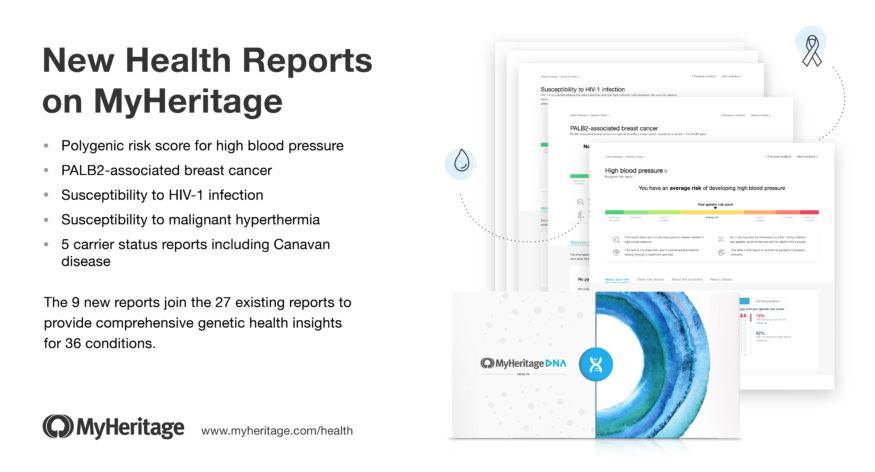
With the rapid advancement of genetic technology, DNA health tests have become increasingly popular among health-conscious individuals. In this article, we will dive into the world of DNA health testing, exploring what these tests entail, their benefits, and how they can be used to gain insights into our overall health.
What is DNA Health Testing?
DNA health testing involves analyzing an individual's DNA to identify genetic variations that can impact their health. These tests typically look at specific genetic markers that are associated with various health conditions, such as chronic diseases, inherited disorders, and susceptibility to environmental toxins.
There are several types of DNA health tests available, including:
- Genetic health risk tests: These tests identify genetic variants that increase the risk of developing certain health conditions, such as cancer, heart disease, or Alzheimer's disease.
- Genetic carrier tests: These tests determine whether an individual carries a genetic mutation that can be passed on to their offspring.
- Pharmacogenetic tests: These tests examine an individual's genetic response to specific medications, helping healthcare professionals choose the most effective treatment.
- Epigenetic tests: These tests analyze epigenetic markers that can affect gene expression and impact health.
How Do DNA Health Tests Work?
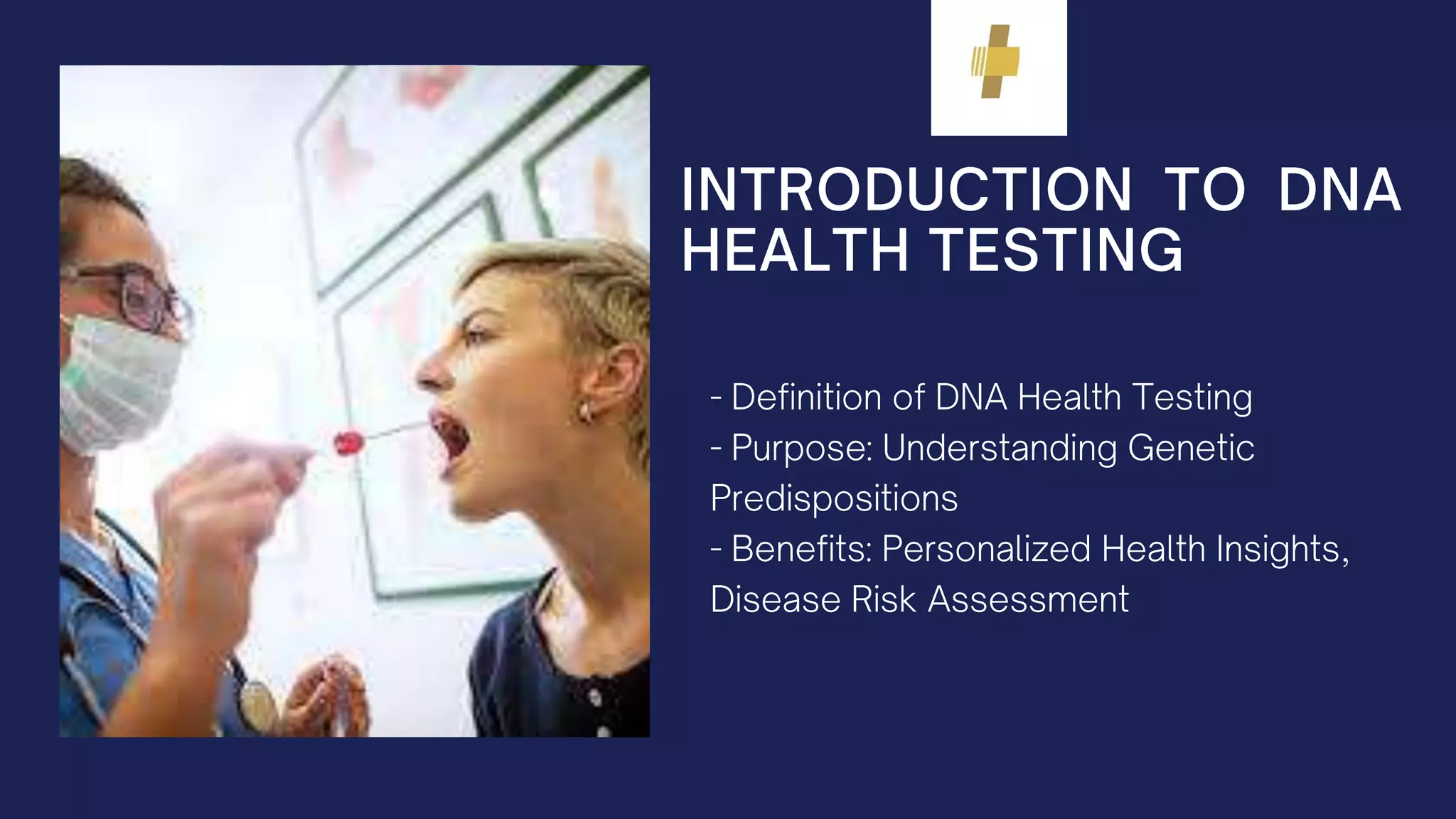
Most DNA health tests involve a simple cheek swab or saliva sample, which is then sent to a laboratory for analysis. The resulting data is then compared to a database of known genetic variations to identify potential health risks.
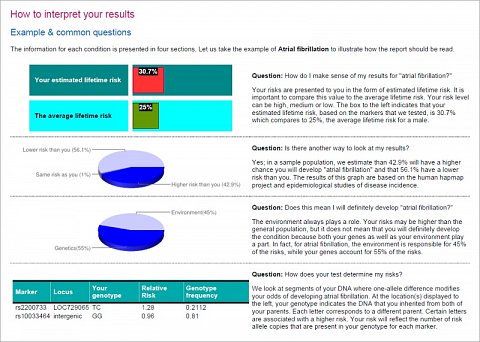
Depending on the test, the results may include:
- Genetic variants associated with increased health risks
- Carrier status for genetic disorders
- Pharmacogenetic information to inform medication choices
- Epigenetic markers that can affect gene expression
/dna-sample-being-pipetted-into-petri-dish-with-dna-gel-in-background-179706550-59c6d91968e1a20014135cb6.jpg)
Benefits of DNA Health Tests
The benefits of DNA health tests are numerous:
- Identify genetic health risks and take proactive steps to mitigate them
- Inform medication choices and reduce the risk of adverse reactions
- Gain insights into genetic predispositions to environmental toxins
- Support personalized nutrition and fitness plans
- Enhance overall health and wellness by addressing underlying genetic factors
Limitations of DNA Health Tests
While DNA health tests can provide valuable insights, there are several limitations to consider:
- Most tests only analyze a small portion of the genome, and results may not be comprehensive
- Genetic variants may not necessarily lead to disease or disorder if other factors are considered
- Tests may not cover all possible genetic variations or health risks
- Interpreting results requires a basic understanding of genetics and personalized medicine
Conclusion
DN health tests offer a unique opportunity to gain insights into our genetic makeup and make informed decisions about our health. By understanding the benefits and limitations of these tests, individuals can choose the right type of test for their needs and work with healthcare professionals to interpret results and develop personalized health plans.
As technology continues to advance, DNA health tests will become even more sophisticated, providing individuals with a deeper understanding of their genetic factors and empowering them to take control of their health.
/scientist-holding-dna-gel-in-front-of-samples-for-testing-in-laboratory-530021923-59efa7d603f40200104e9ca1.jpg "Genetic testing - Mayo Clinic")

:max_bytes(150000):strip_icc()/Health-Genetic-Testing-Getty-Images-1134295846-BLUE-horiz-9edc7690369a406ea23a7527beac66e8.jpg "DNA Test Explained: Your Comprehensive Guide to Health and Nutrition")