Mastering Global Export Management: A Guide to Thriving in International Markets
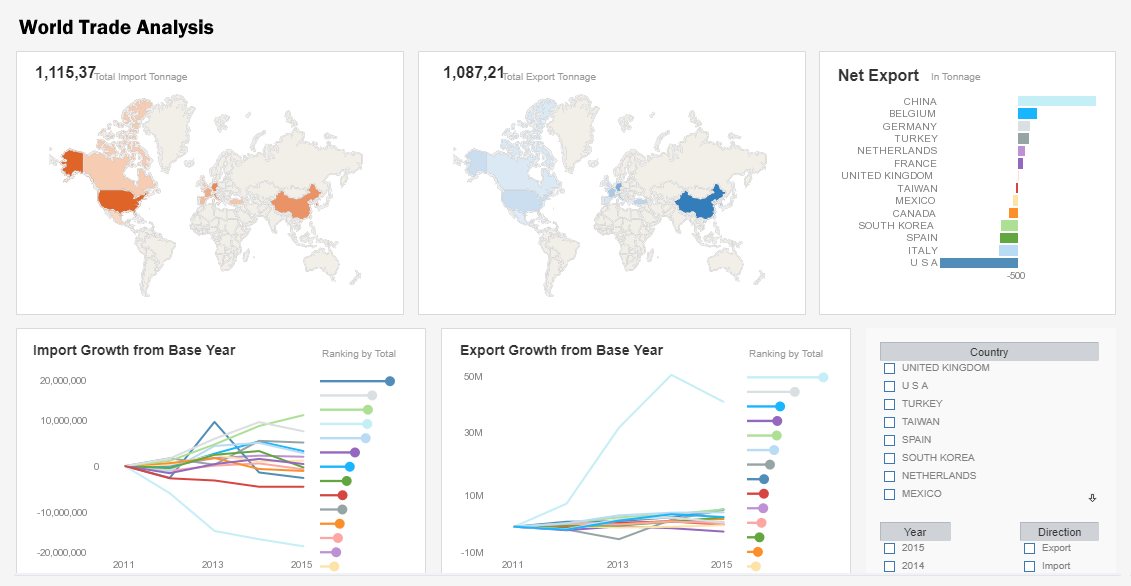
As the world becomes increasingly interconnected, global trade has reached unprecedented heights. Export management has emerged as a vital discipline that requires a deep understanding of international markets, regulatory frameworks, and cultural nuances. In this article, we will delve into the intricacies of global export management, exploring its key components, benefits, challenges, and strategies for success.
What is Global Export Management?
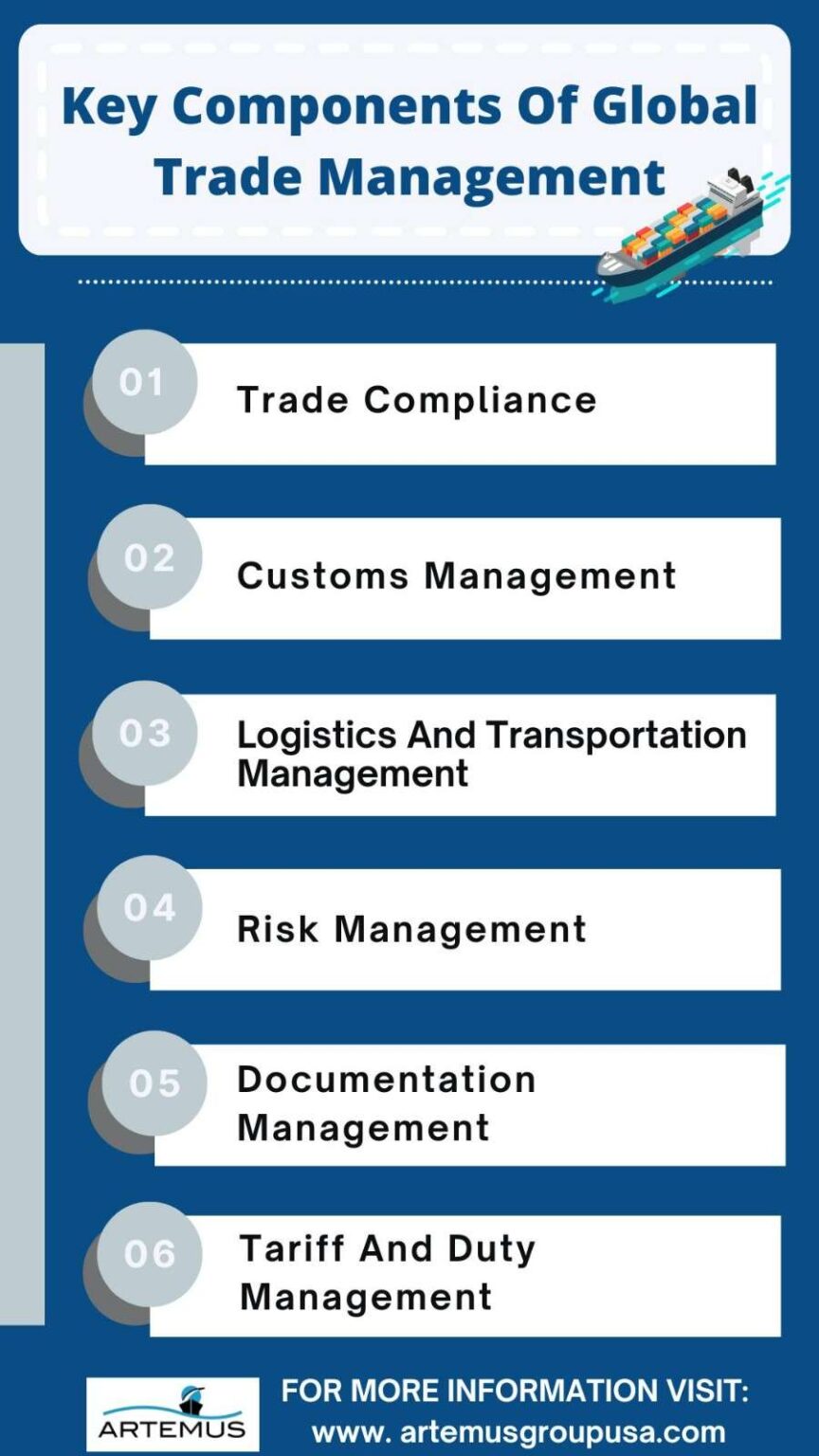
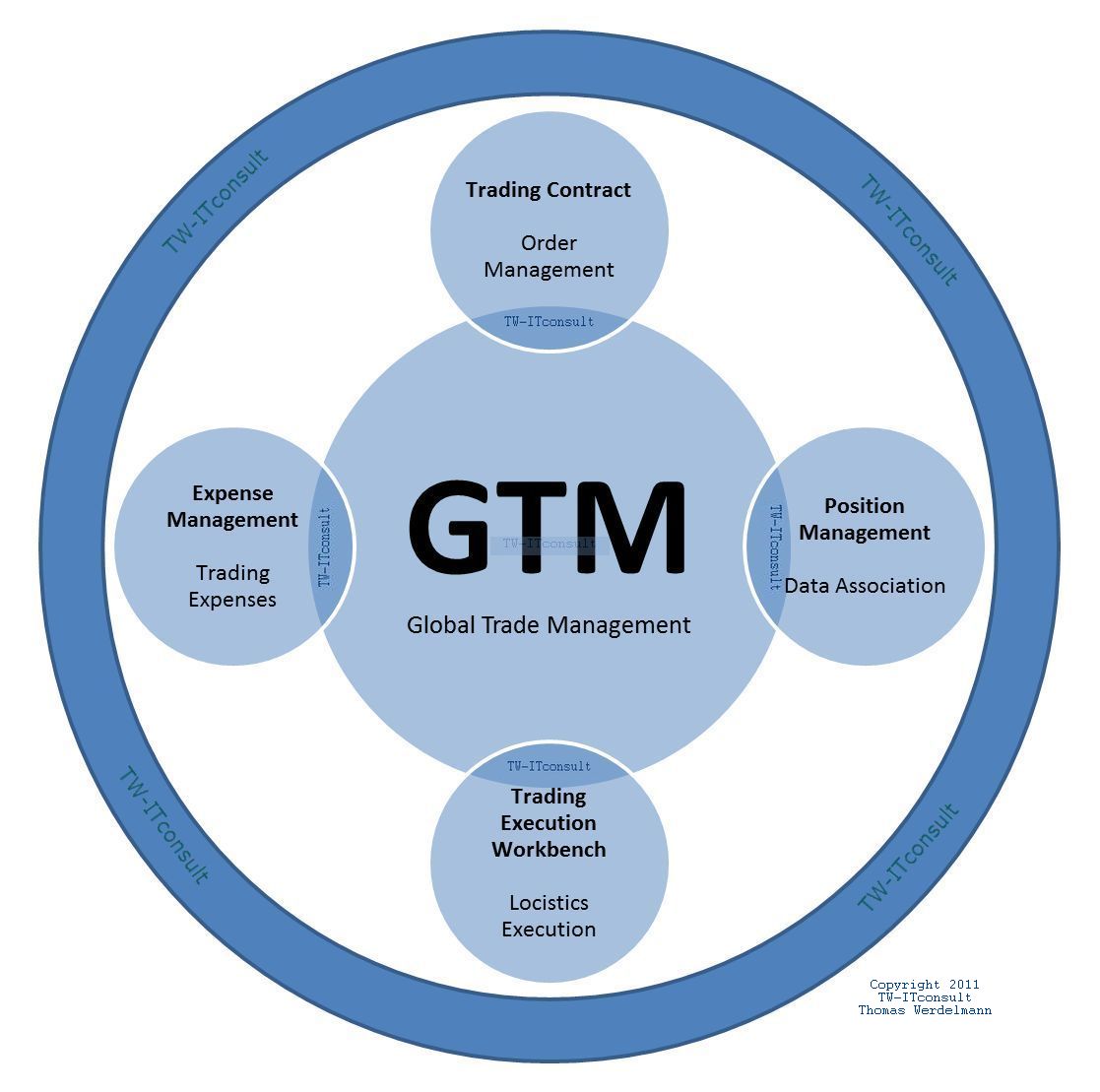
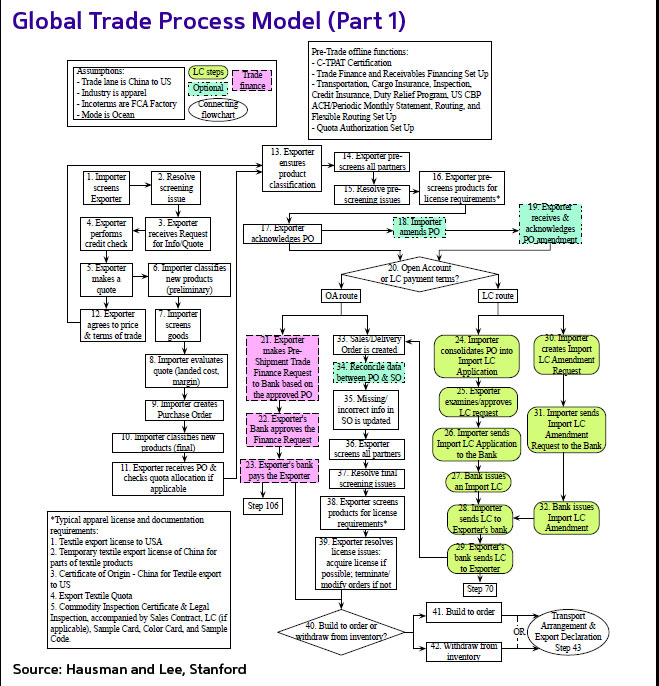
Global export management refers to the strategic planning, coordination, and execution of activities related to exporting goods or services to international markets. It encompasses a range of tasks, including market research, identifying potential customers or partners, navigating trade regulations, logistics management, pricing strategies, and after-sales support. A thorough awareness of target markets, competitors, and regulatory requirements is essential for businesses looking to establish a foothold in the global economy.
Benefits of Global Export Management
- Increased revenue and market share
- Access to new markets and customers
- Diversification of revenue streams
- Improved competitiveness and market position
- Enhanced reputation and brand visibility
Challenges in Global Export Management
While the benefits of global export management are substantial, businesses face numerous challenges in navigating international markets. Some of the key hurdles include:
- Complex regulatory requirements and trade agreements
- Language and cultural barriers
- Different market conditions and consumer preferences
- Competing with established players and local businesses
- Managing logistics and supply chain complexities
Strategies for Effective Global Export Management
Successfully navigating global export markets requires a well-planned and executed strategy. Some key strategies for businesses looking to enter or expand in international markets include:
- Conducting thorough market research and analysis
- Developing a deep understanding of local cultures and preferences
- Establishing strong relationships with local partners and suppliers
- Adapting products and services to meet local needs
- Investing in logistics and supply chain management expertise
Tools and Technologies for Global Export Management
In today's digital age, businesses have access to a range of tools and technologies designed to facilitate global export management. Some of the key software and platforms used by businesses include:

- Trade management software for logistics and customs management
- Compliance and risk management tools for regulatory adherence
- Language translation and localization platforms for market research and communication
- Supply chain management software for optimizing logistics and transportation
Conclusion
Global export management is a complex and multifaceted discipline that requires a deep understanding of international markets, regulatory frameworks, and cultural nuances. By understanding the key components, benefits, challenges, and strategies for success, businesses can navigate the complexities of global trade and achieve sustainable growth in international markets.
References
Thomson Reuters ONESOURCE. (n.d.). Global Trade Export Management. Retrieved from https://www.onemainstreet.com/us/en/marketing/manager-compliance-management.html
E2open. (n.d.). Export Management and Compliance Software. Retrieved from https://www.e2open.com/exportmanagement-software/
MiroTrade. (n.d.). Import and Export Management Services. Retrieved from https://www.myoradrecht.com/export-and-import-management-services/
Quizlet. (n.d.). Hedging: Currency Fluctuations. Retrieved from https://quizlet.com/subject/hedging-currency-fluctuations/
SEKO Logistics. (n.d.). Global Supply Chain Solutions. Retrieved from https://www.sekologistics.com/global-supply-chain-solutions/
Global Export Management Pty. Ltd. (n.d.). Tech and Marketing Consulting. Retrieved from https://www.globalexportmanagement.com.au/