Understanding Residential Foundation Repair: A Comprehensive Guide
A strong foundation is the backbone of any residential property. It provides the structural integrity and support necessary to keep your home safe and stable. However, like any other part of a building, foundations can develop problems over time, leading to costly repairs if left unaddressed. In this article, we'll delve into the world of residential foundation repair, exploring the causes, signs, and costs associated with it, as well as the best repair methods for different types of homes.
What Causes Residential Foundation Problems?
Foundation problems can arise due to a variety of reasons, including soil settlement, water damage, poor construction, and natural disasters. Soil settlement occurs when the soil beneath your home's foundation shrinks or settles, causing the foundation to shift or crack. Water damage can occur when water seeps into the foundation, leading to erosion or structural damage. Poor construction can lead to foundation issues, especially if the foundation is not properly designed or built. Finally, natural disasters like earthquakes or floods can cause significant damage to a home's foundation.
Common Signs of Residential Foundation Problems
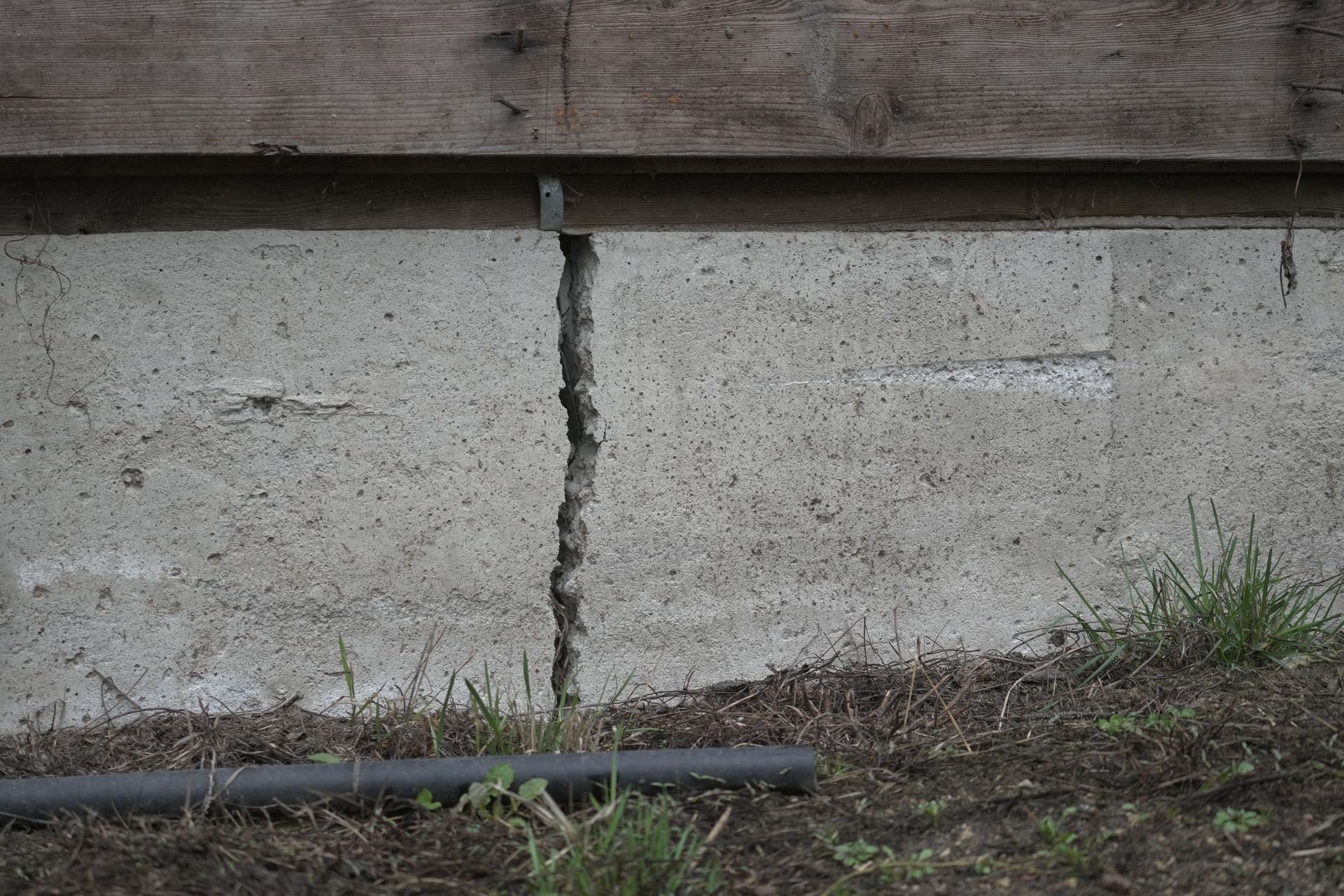
Identifying the signs of foundation problems is crucial to preventing further damage. Some common signs include:
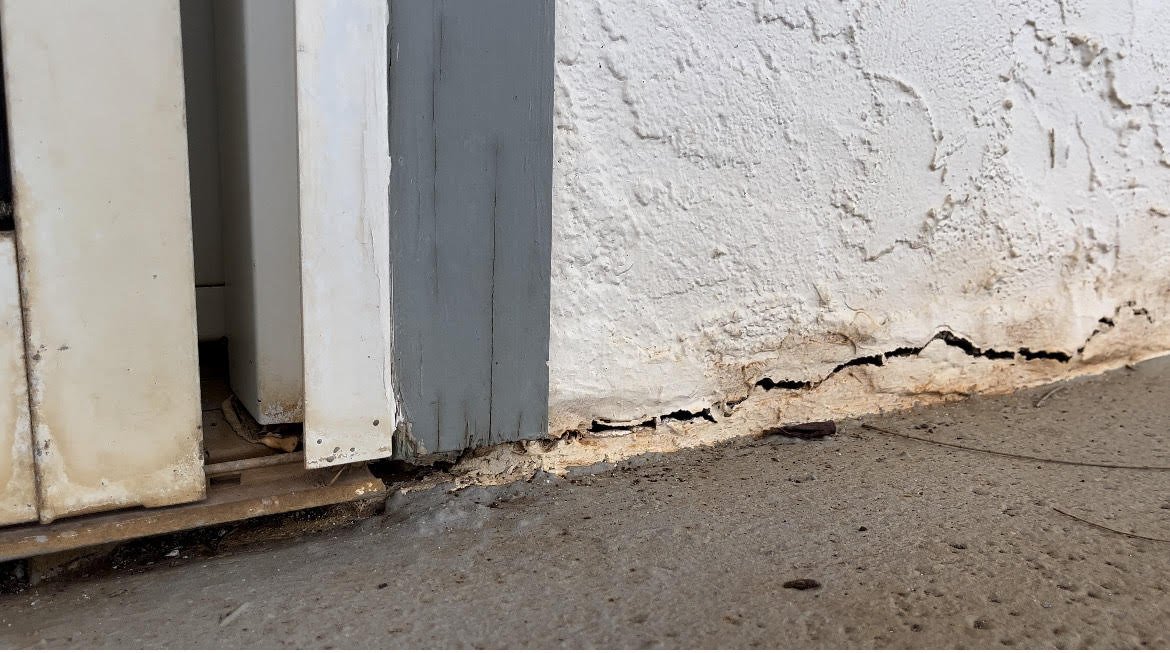
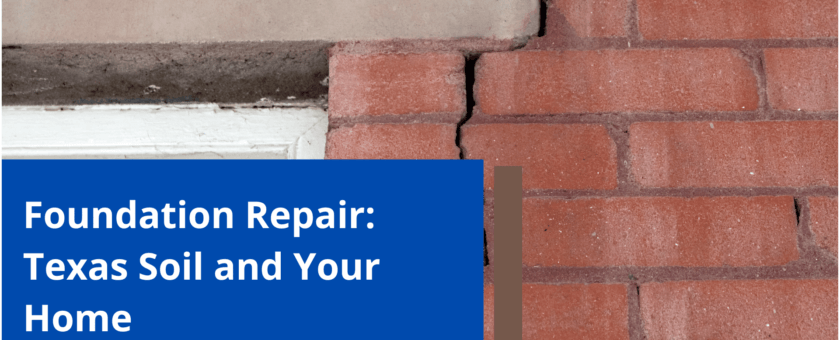
- Cracks in walls, floors, and ceilings
- Uneven or sagging floors
- Doors and windows that stick or won't close properly
- Leaks or water damage around windows and doors
- Musty odors or signs of moisture
- Foundation walls that are bowed or cracked
Residential Foundation Repair Methods
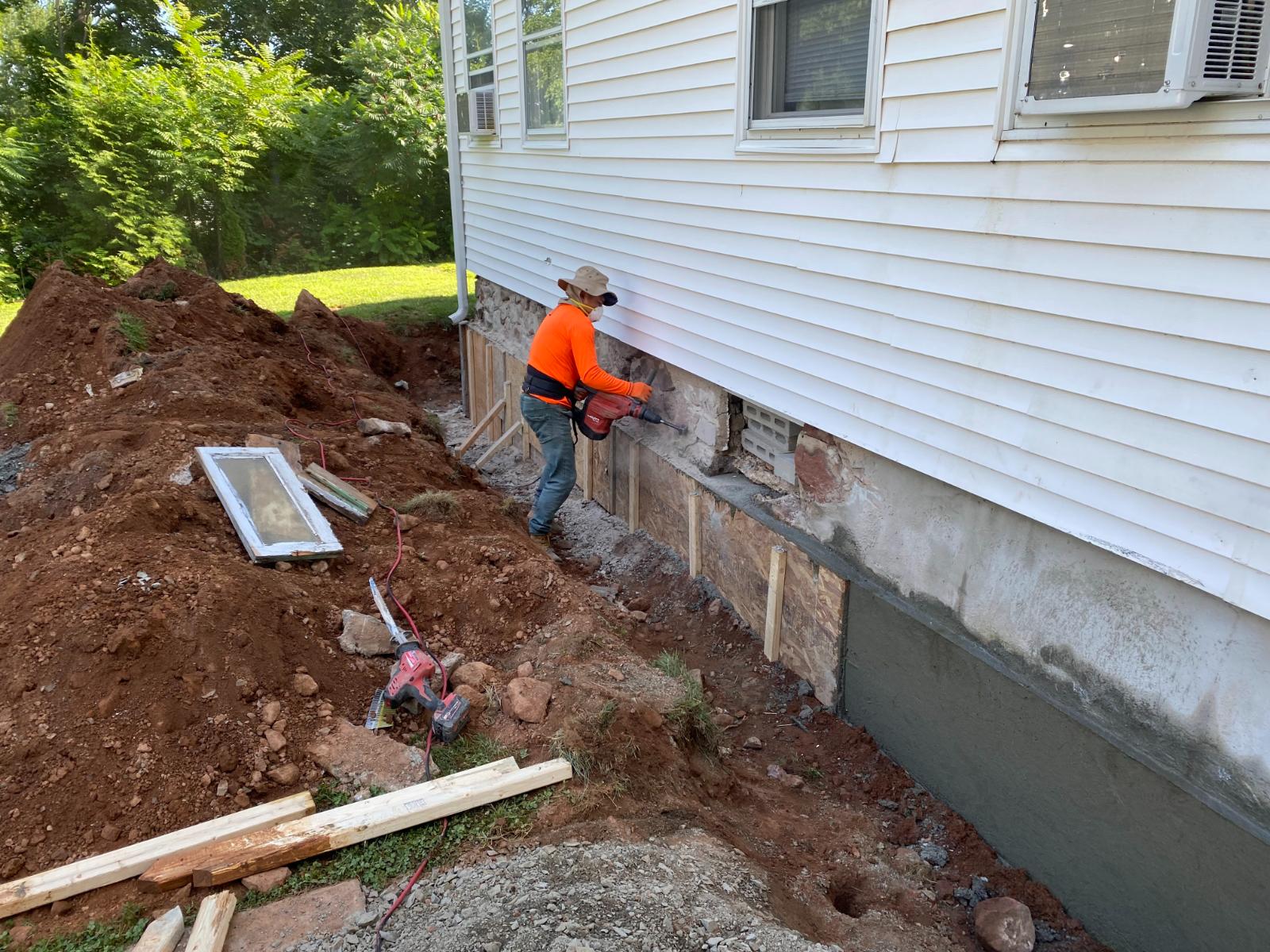
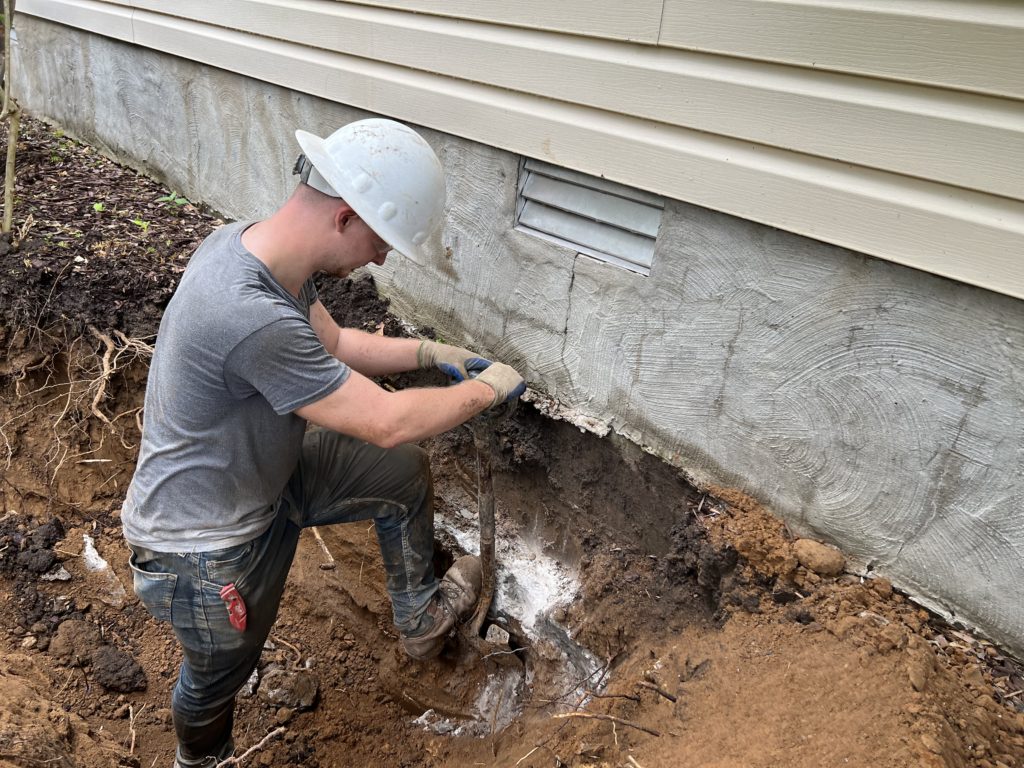
Depending on the type and severity of the problem, there are several residential foundation repair methods available. Some of the most common methods include:
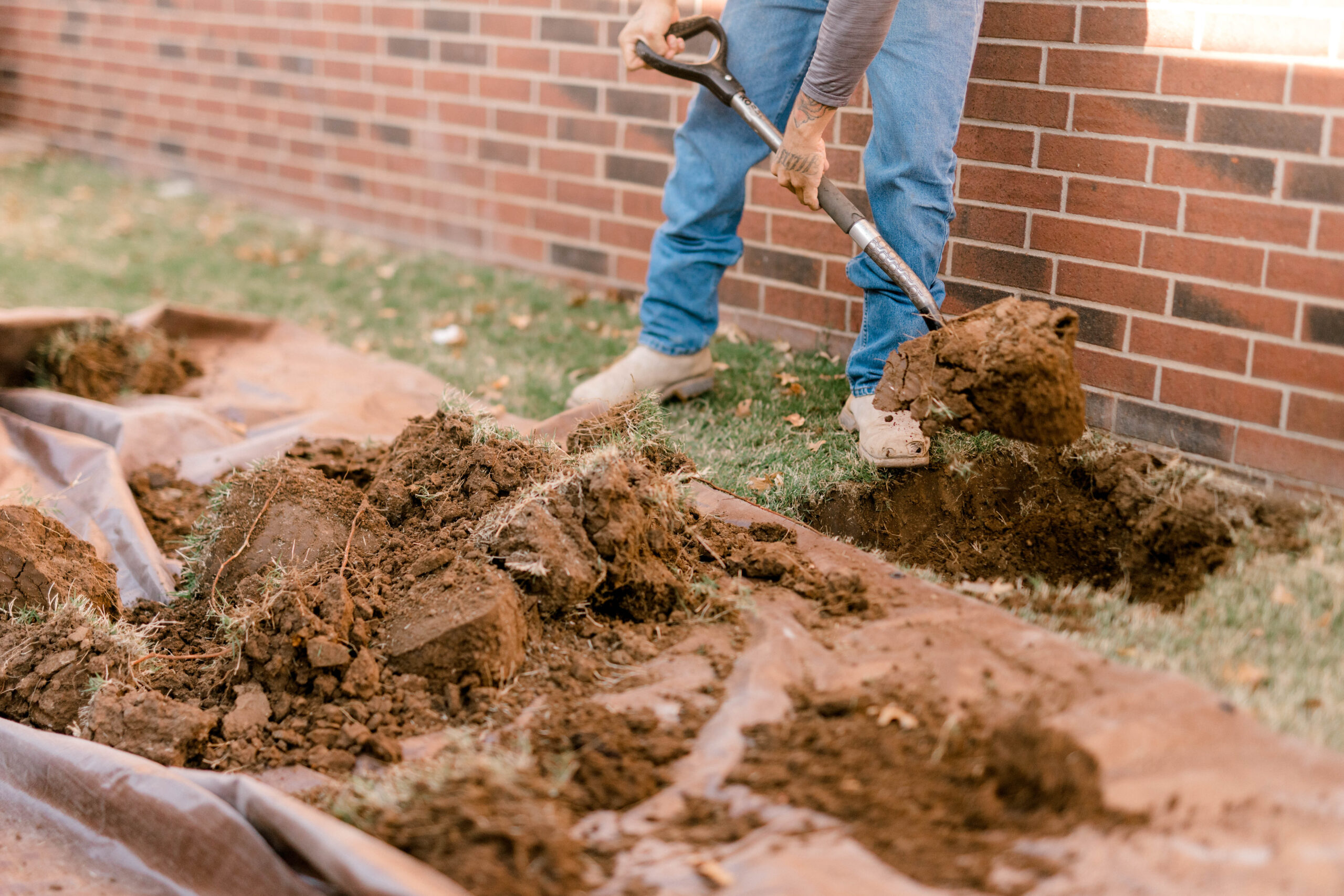
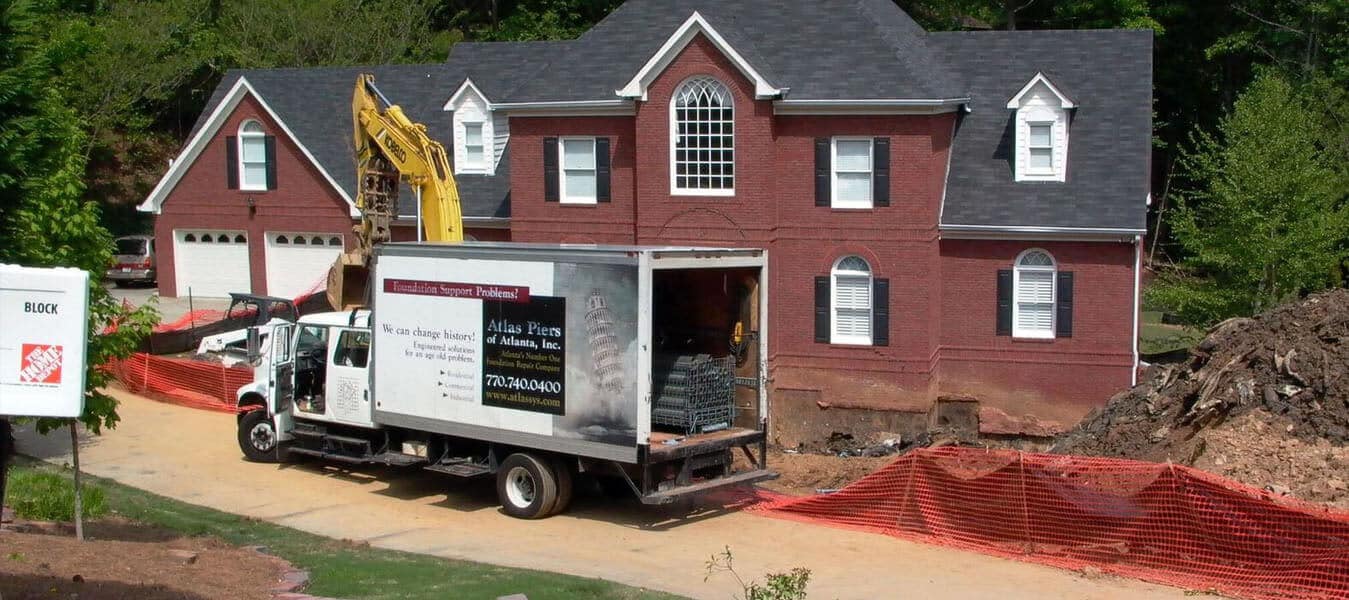
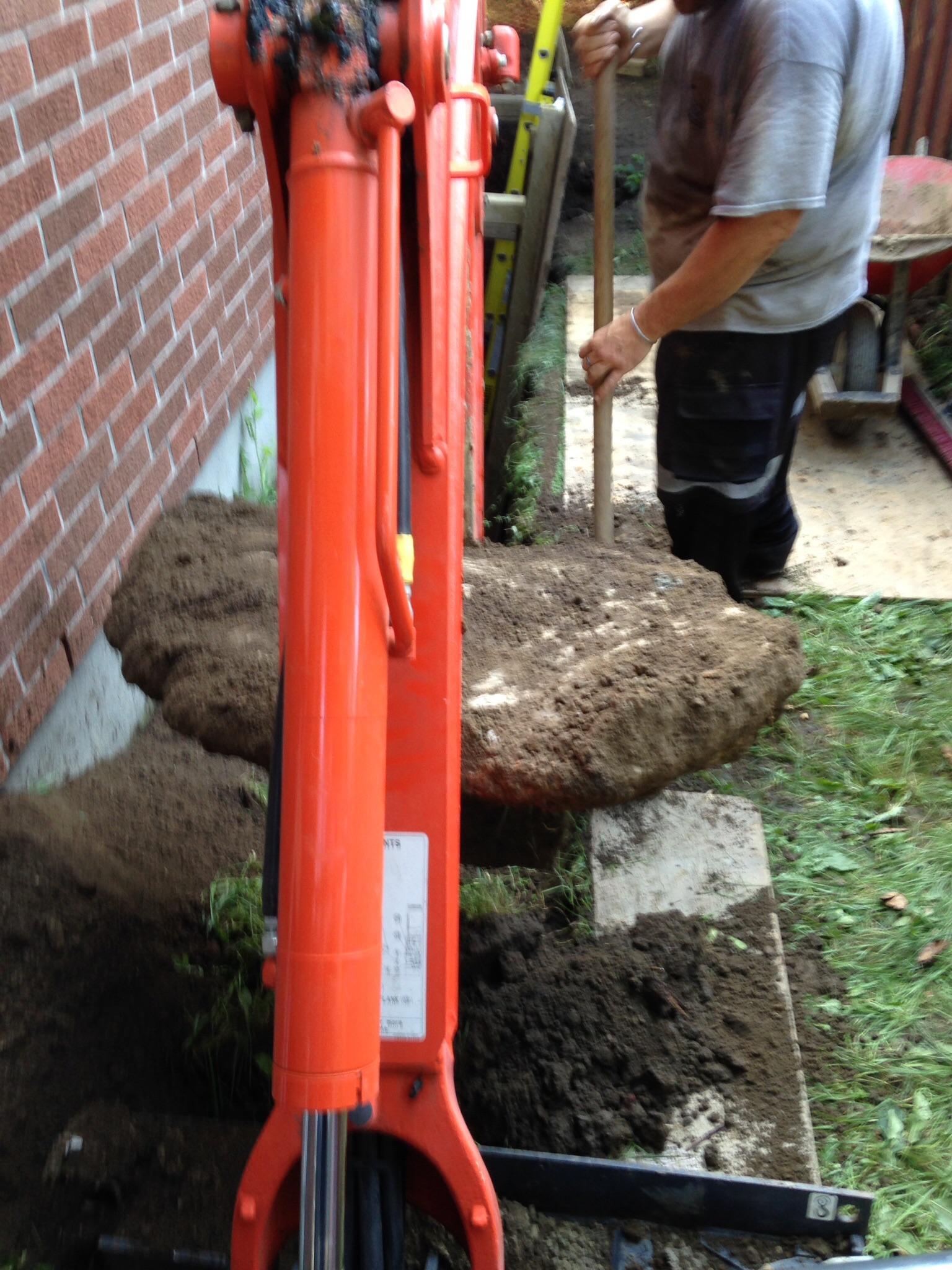
- Piering: This involves installing steel piers to support the foundation and transfer the weight of the home to a deeper, more stable layer of soil.
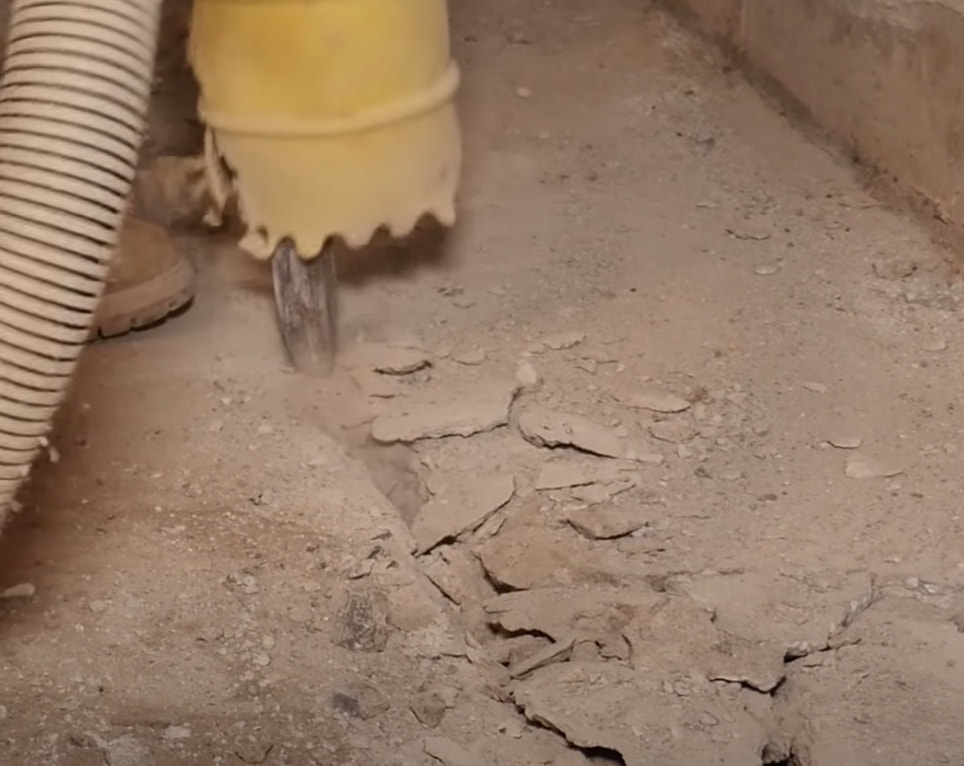
- Slab jacking: This involves lifting and leveling a sunken slab using a mixture of sand, cement, and water.
- Concrete repair: This involves repairing cracks and damaged concrete using a variety of techniques, including epoxy injection and concrete replacement.
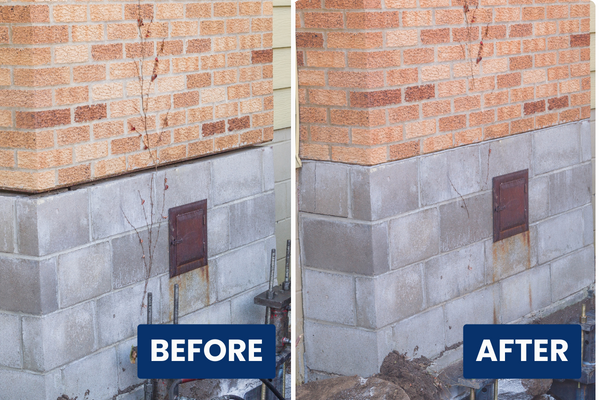
- Wall repair: This involves repairing bowed or cracked foundation walls using a variety of techniques, including wall anchors and wall panels.

Cost of Residential Foundation Repair
The cost of residential foundation repair can vary widely depending on the type and severity of the problem, as well as the location and complexity of the repair. On average, homeowners can expect to pay between $2,224 and $8,134 for foundation repair, with an average cost of $5,179. However, costs can range from a few hundred dollars for minor repairs to tens of thousands of dollars for more extensive repairs.
Preventing Residential Foundation Problems
While foundation problems can be costly and time-consuming to repair, there are steps you can take to prevent them from occurring in the first place. Some of the most effective ways to prevent foundation problems include:
- Maintaining a safe distance between your home and any nearby trees or shrubs
- Using proper drainage systems to prevent water from accumulating around your home's foundation
- Regularly inspecting your home's foundation for signs of damage or wear
- Hiring a professional to inspect and repair any foundation issues before they become major problems
Conclusion
Residential foundation repair is a complex and often costly process, but it's essential to ensuring the safety and structural integrity of your home. By understanding the causes and signs of foundation problems, as well as the various repair methods available, you can take steps to prevent problems from occurring in the first place. Remember to regularly inspect your home's foundation, maintain a safe distance between your home and nearby trees or shrubs, and hire a professional to inspect and repair any foundation issues before they become major problems.